
Learn the Basics of Filet Crochet (Chart Reading Video Tutorial)


Filet crochet is a classic technique that creates pictures and patterns from a simple grid of filled and open squares. It looks delicate and complicated, but it only uses two stitches you probably already know: the chain and the double crochet. In this detailed video, Knit and Crochet Ever After explains how to read a filet chart and how to work the mesh, increases and decreases, using her free Damask Doily pattern as practice.
Filet Crochet at a Glance
- Teacher: Knit and Crochet Ever After
- Skill level: advanced beginner (you need to know chain and double crochet)
- What you learn: reading charts, open and filled mesh, increasing, working straight and decreasing
- Practice pattern: the free Damask Doily chart from her blog
- Video length: about 36 minutes

How Filet Crochet Works
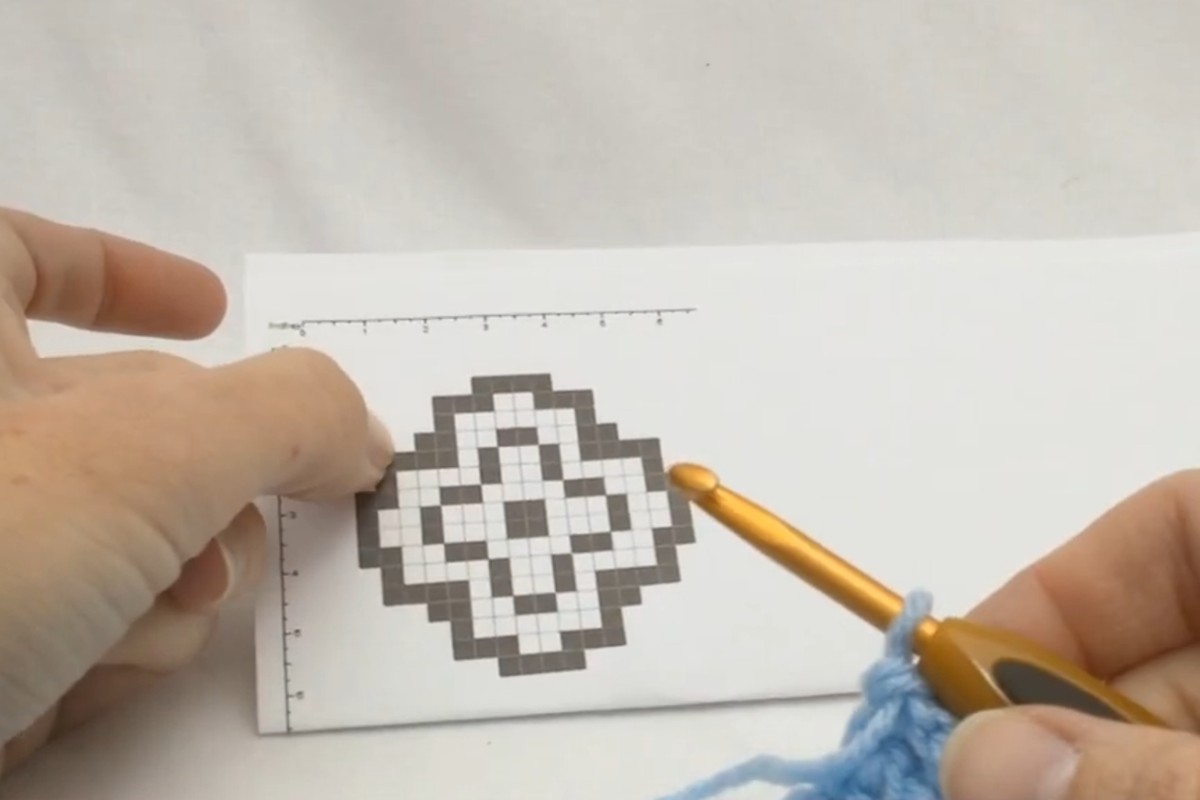
Every filet pattern is a chart of squares. Each square is either open (a double crochet, a couple of chains and another double crochet, leaving a hole) or filled (double crochet stitches all the way across). Rows of these squares build the design: the filled squares form the picture and the open squares form the background.
Charts are read from the bottom up, and because you turn your work at the end of each row, right-side rows are read from right to left and wrong-side rows from left to right.
What the Video Covers
- Understanding filet charts and how each square translates into stitches.
- Starting the foundation row and counting your chains from the chart.
- Increasing rows to widen the shape, like the edges of a doily.
- Working straight rows where the width stays the same.
- Decreasing rows to shape the top of the design.
- Blocking so the squares open up and the picture appears clearly.
Images and patterns courtesy of Knit and Crochet Ever After
Enjoy the Video Tutorial

Source: Knit and Crochet Ever After
Tips for Your First Filet Project
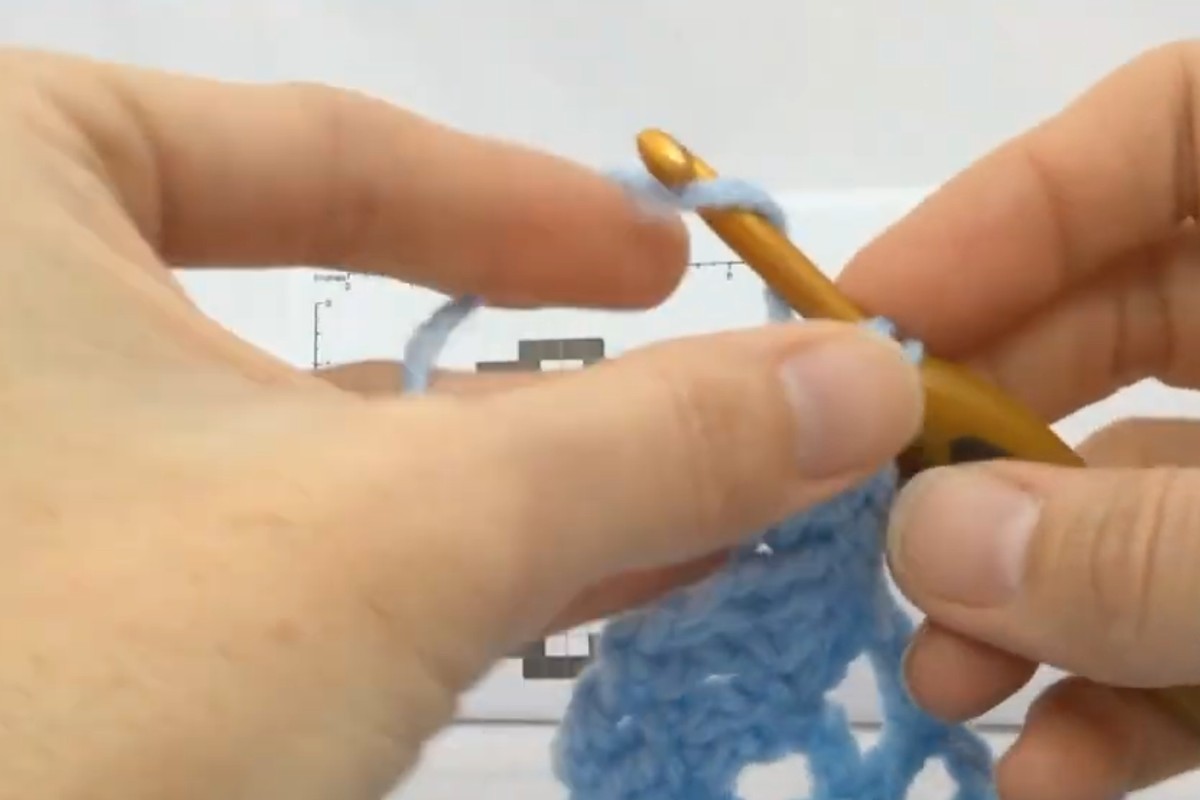
- Mark your place on the chart with a ruler or sticky note, so you never lose your row.
- Count the squares, not the stitches. It is much easier to check your work square by square.
- Start with a small chart, like a simple motif or the doily, before trying a large picture.
- Use smooth, light yarn or crochet thread so the open and filled squares show up well.
- Block your finished piece. Filet crochet always looks much better after blocking.
Frequently Asked Questions
What can I make with filet crochet?
Doilies, table runners, curtains, pillow covers, bookmarks and even blankets with words or pictures.
Do I need thread?
Traditionally filet is worked in fine cotton thread, but you can learn with regular worsted yarn and a bigger hook, as in the video.
More from Knit and Crochet Ever After
Keep learning with the awesome shells stitch, the lace crochet scarf or the Mimi's vintage granny square.
Did you find this post useful or inspiring? Save THIS PIN to your Crochet Board on Pinterest! 😊
More crochet projects for you