
Easy Plants You Can Grow in a Container Garden

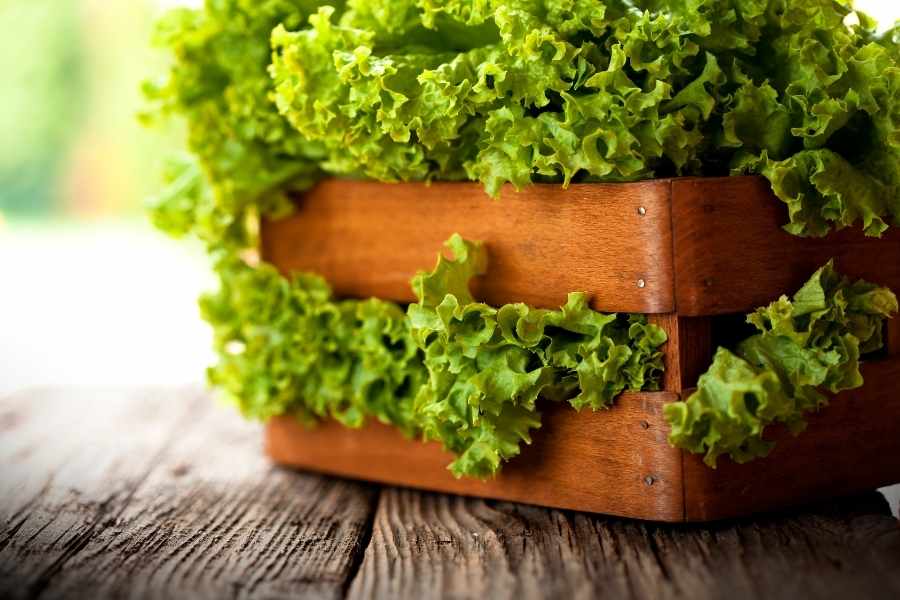
Gardening is always easier when you have a lot of sun to work with, but it is not always possible. Especially in small landscapes or urban settings where houses are located together, a deck or patio often features shady or semi-shady conditions that require container gardening with plants suitable for such settings.
Most plants described as shade-loving are actually suitable for "partial shade" locations. They tolerate shade for most of the day, but they need a certain amount of sunlight every day to thrive.
Gardeners define "partial shade" as a place that offers 2 to 4 hours of direct sunlight per day. Plants rated for "full shade" or "deep shade" are the only ones recognized to thrive in the complete absence of sunlight.
Here are 6 plants that work well for container planting in shady spots.
Vegetables: Lettuce leaf
Lettuce leaves are exceptionally easy to grow from seed, so containers, especially large boxes, are a natural container for planting. You can fill the containers with substrate and watch a healthy, pesticide-free garden multiply every week.
Sow your seeds in early to mid-spring. As the lettuce matures, collect a few leaves and let the rest continue to grow. The summer heat will make the lettuce grow. At that point, it is too bitter to eat, but you can plant a plot in late summer for the fall harvest.
Annual sun: Marigolds
Marigold (Tagetes spp.) Is one of those fail-safe yearbooks that is hard to miss. Just give it plenty of suns, good drainage, and a little water every now and then and you'll be golden.
It goes well with a dusty miller with gray leaves, who likes the same sunny conditions. Pluck spent blooms regularly to keep yourself cleaner and encourage more blooms. At the end of the season, let the flowers sprout to feed the birds or create a new batch next year.
Perennial sun: Chrysanthemum
Chrysanthemum, a perennial plant? Yes, in zones 5 to 7. Most people buy them in the fall, so the plants do not have enough time to establish them before winter. But you can overwinter potted pots in an attached garage or cool basement, keeping them only slightly damp. Trim foliage and plant outdoors in spring.
Moms are big and sassy and they come in so many bright colors that they just don't need company. They do, however, look good in a fall floral display that includes dried pumpkins, gourds, and cornstalks. (And these porch decorating ideas will put you in the fall spirit.)

Annual shade: Coleus
Coleus (Plectranthus scutellarioides) is the answer to a shade gardener's prayer. Instead of predictable hostas and ferns, coleus offers something more daring. Cultivars come in a variety of colors, including chartreuse, hot pink, cinnamon, and burgundy. Some feature intricate tri-color patterns.
While the older varieties prefer shade, the newer introductions take sun or shade. Plant the coleus with an upright, pointed dracaena in green or chocolate to contrast its color.
Evergreen Shade: Coral Bells
Coral bells (Heuchera spp.) Are masters at bringing beautiful foliage with subtle colors to shady areas. They look especially good in summer when small bell-shaped flowers tower over the foliage.
Coral bells are hardy in Zones 4-9 and need little care other than watering. Although they can stand on their own when in bloom, the modest height of the foliage requires company at other times. Consider combining coral bells with a taller companion, such as fern or hawksbill.

Tropical: Mandevilla
Annual in northern climates, Mandevilla is actually a tender perennial tropical vine that will last indefinitely if temperatures stay above 50 degrees F. Mandevilla is often sold as a garden plant with its own support, but there are also low-growing cultivars that do not climb.
With a profusion of large trumpet-shaped flowers, the Mandevilla does not need the help of companions. You like constant humidity, so use a potting mix with crystals that lock in moisture and water regularly.
For wintering, cut the plants to about a foot and store them, potted and all, in a dark cellar kept at a temperature of 50-60 degrees F. Water sparingly until spring, then place them outdoors again.
We hope you enjoy this video about favorite plants for container gardens:
Source: Proven Winners
Did you find this post Useful or Inspiring? Save THIS PIN to your GARDENING Board on Pinterest! 

Once again, thank you for visiting our website!
We hope you've enjoyed exploring the content we've created for you.
Give yourself the chance to learn, get inspired, and have even more fun, keep browsing...
More Gardening Tips 👇🏼👇🏼