
Why Orchid Buds Fall Off Before Blooming (Bud Blast Explained)

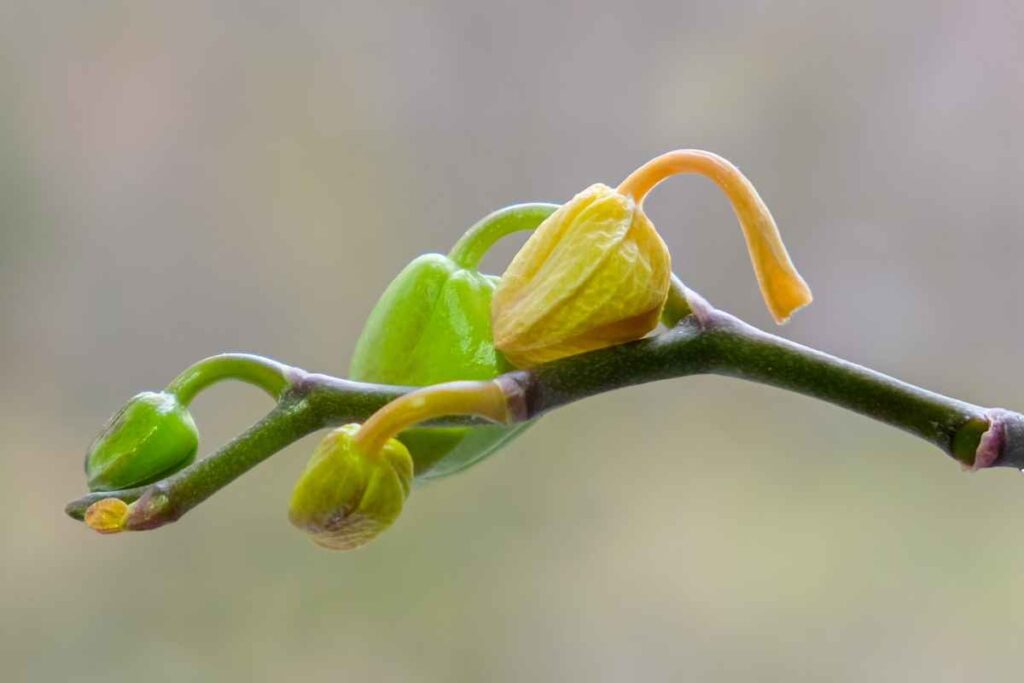
Watching an orchid develop healthy buds is exciting—until they suddenly shrivel and fall off before opening. If you're dealing with orchid buds falling off, you're likely experiencing a common issue known as bud blast.
The good news is that bud blast isn't a disease. Instead, it's your orchid's way of responding to stress. By understanding the most common triggers, you can often stop the problem and encourage beautiful blooms in the future.
Whether you're growing your first Phalaenopsis or caring for a collection of orchids, this guide will help you identify the cause and keep your plants healthy.
What Is Bud Blast?
Bud blast is the term used when orchid buds dry up, turn yellow or brown, and fall off before they open. It can affect one bud or the entire flower spike.
Unlike flowers that naturally fade after blooming, bud blast happens before the blooms have a chance to open, making it especially frustrating for orchid growers.
The encouraging news is that most cases are caused by environmental stress rather than permanent damage to the plant.
The Most Common Reasons Orchid Buds Fall Off
Sudden Temperature Changes
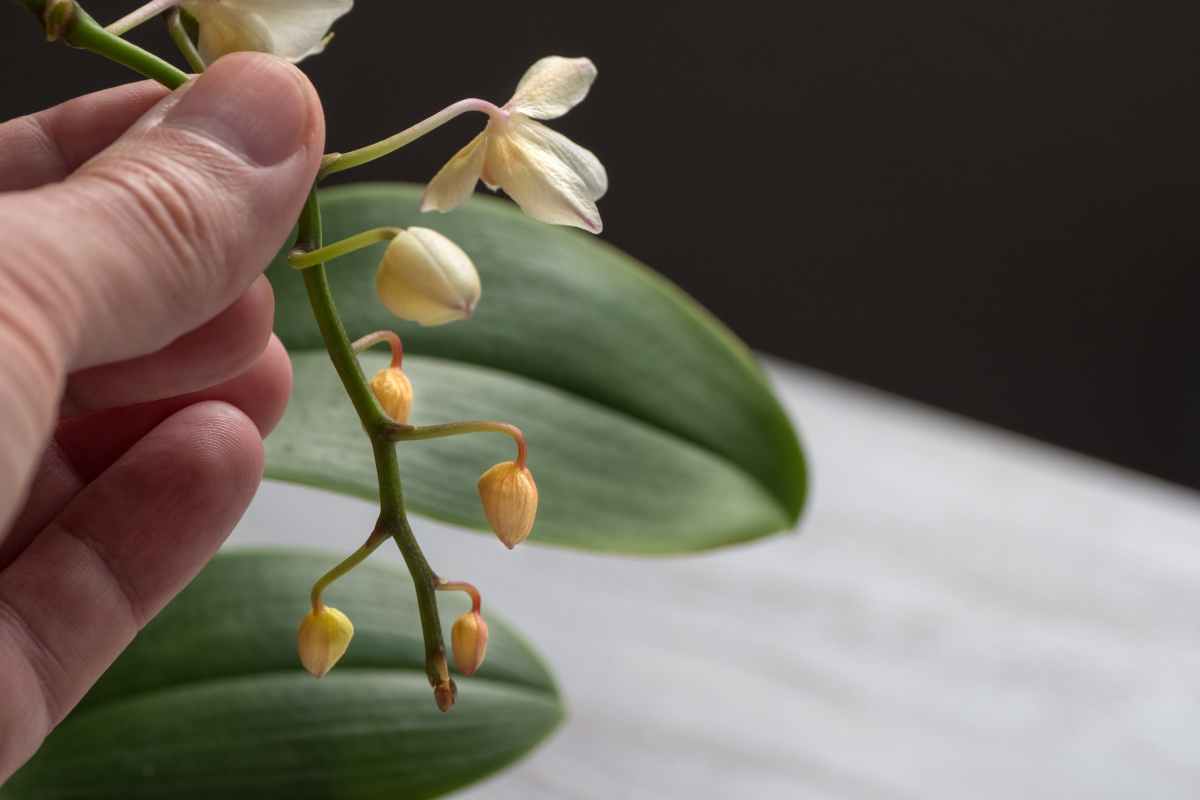
Orchids prefer stable conditions. Moving a plant from a warm room to a cold windowsill—or exposing it to hot afternoon sun—can trigger bud blast.
Common temperature stress includes:
- Cold drafts from windows or doors
- Heating vents blowing directly on the plant
- Air conditioning vents
- Rapid day-to-night temperature swings
Keeping temperatures consistent gives developing buds the best chance to mature.
Low Humidity
Many popular orchids, especially Phalaenopsis, naturally grow in humid tropical environments.
When indoor humidity drops below about 40–50%, buds may dry out before opening.
Simple ways to increase humidity include:
- Using a humidifier
- Grouping plants together
- Placing orchids on a pebble tray with water (without the pot sitting in water)
Watering Problems
Both overwatering and underwatering can stress orchids.
Overwatering may damage roots, reducing the plant's ability to support flower development.
Underwatering leaves the orchid without enough moisture to maintain growing buds.
The goal is evenly moist roots that are allowed to dry slightly between waterings, depending on your orchid species and potting mix.
Changes in Light
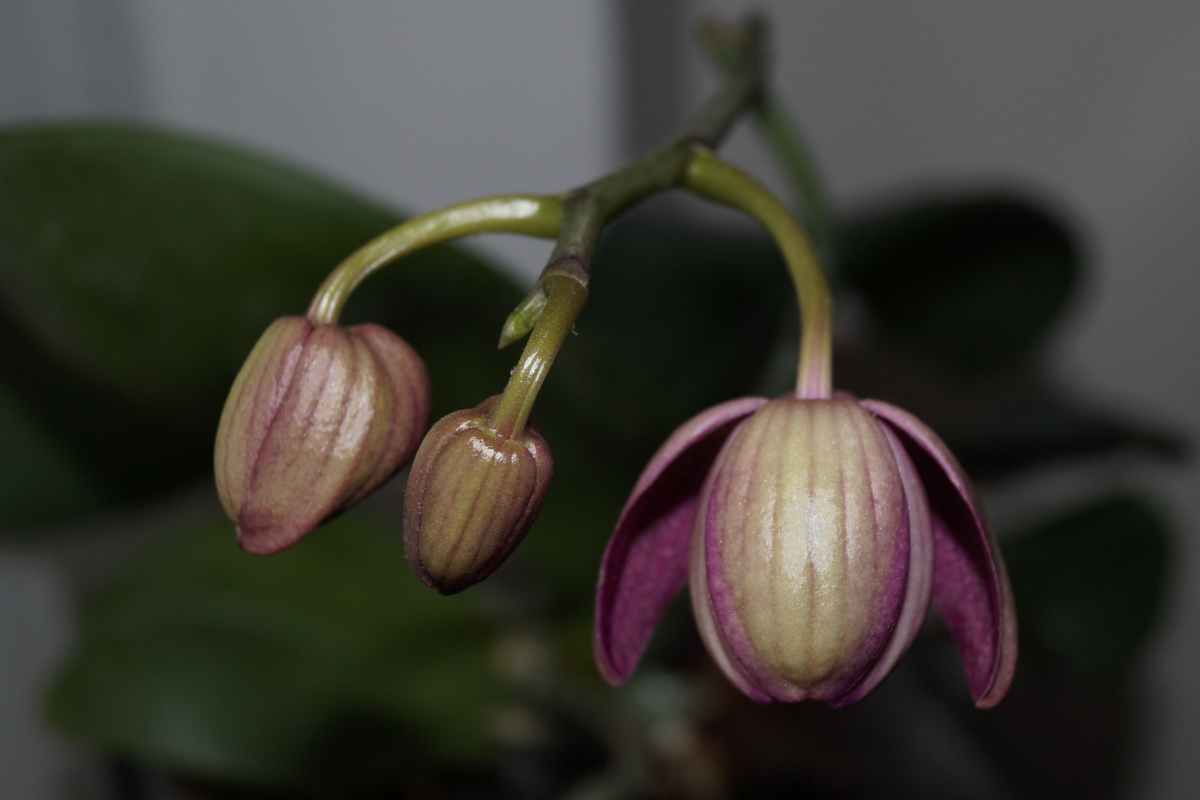
Orchids don't appreciate sudden changes in lighting.
Problems often occur after:
- Moving the plant to a darker room
- Placing it in intense direct sunlight
- Rotating the pot frequently while buds are developing
Bright, indirect light is ideal for most flowering orchids.
Ethylene Gas from Fruit
Many gardeners are surprised to learn that ripening fruit releases ethylene gas, which can cause orchid buds to drop prematurely.
Keep flowering orchids away from:
- Bananas
- Apples
- Tomatoes
- Avocados
Even a nearby fruit bowl can contribute to bud blast.
Pest Problems
Although less common, pests can damage flower buds before they open.
Inspect buds carefully for:
- Aphids
- Thrips
- Mealybugs
- Spider mites
Early treatment helps protect both current and future blooms.
How to Prevent Orchid Bud Blast
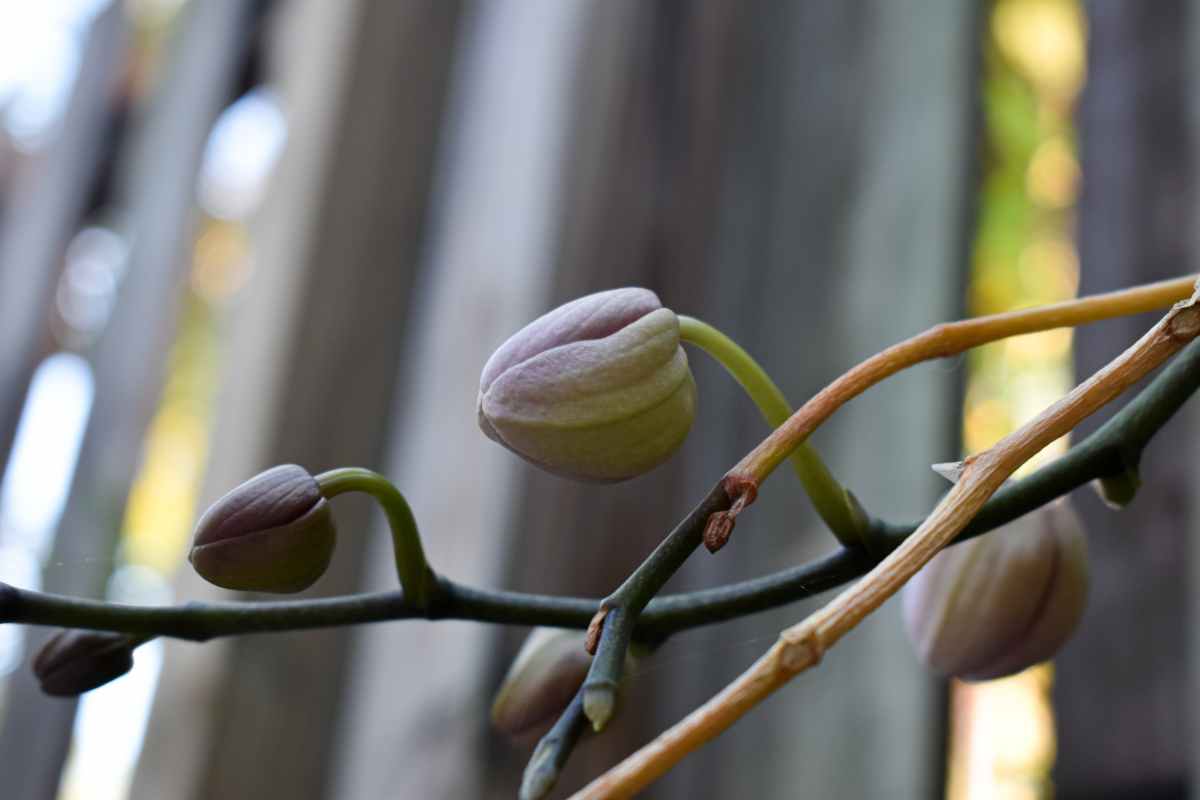
Fortunately, preventing bud blast usually comes down to creating a stable growing environment.
Here are practical steps you can apply today:
- Keep temperatures consistent and avoid sudden changes.
- Provide bright, indirect light throughout the day.
- Maintain humidity around 40–60% when possible.
- Water consistently without keeping roots constantly wet.
- Avoid moving the orchid once buds begin forming.
- Keep flowering orchids away from ripening fruit.
- Inspect regularly for pests and treat problems early.
Small improvements in consistency often make the biggest difference.
Common Mistakes That Lead to Bud Blast
Even experienced orchid growers occasionally make these mistakes:
Moving the Plant Too Often
Once buds appear, frequent relocation exposes the orchid to changing light, humidity, and temperatures.
Try to leave the plant in one location until flowering is complete.
Watering on a Fixed Schedule
Instead of watering every week automatically, check the potting mix first.
Depending on the season, orchids may need water more—or less—frequently.
Ignoring Root Health
Healthy roots are essential for producing flowers.
If roots appear mushy, black, or have a foul smell, root rot may be preventing the plant from supporting its buds.
Can an Orchid Recover After Bud Blast?
Absolutely.
Although affected buds won't reopen, most orchids recover well once the underlying stress is corrected.
Continue providing proper care by maintaining stable temperatures, appropriate watering, and good light. In many cases, your orchid will produce a healthy flower spike during its next blooming cycle.
Patience is key—healthy plants often reward consistent care with even better blooms in future seasons.
Essential Orchid Care Checklist
Keep this simple checklist in mind whenever your orchid begins developing buds:
- ✔ Provide bright, indirect sunlight.
- ✔ Avoid sudden temperature swings.
- ✔ Maintain moderate humidity.
- ✔ Water only when needed.
- ✔ Don't rotate or relocate the plant frequently.
- ✔ Keep fruit away from blooming orchids.
- ✔ Check regularly for pests and unhealthy roots.
These small habits greatly reduce the chances of orchid buds falling off before blooming.
Closing
Bud blast can be disappointing, but it's usually a sign that your orchid is responding to temporary stress—not that the plant is beyond saving. By creating stable growing conditions and avoiding common care mistakes, you'll greatly improve your chances of enjoying long-lasting, beautiful flowers.
With a little patience and consistent care, your orchid can reward you with spectacular blooms season after season.
— Emily
More Gardening Tips 👇🏼👇🏼