
How to Save a Dying Areca Palm


The Areca palm (Dypsis lutescens) is a favorite indoor plant because of its elegant fronds and tropical look.
However, it can be sensitive, and if your plant starts showing signs of distress, you need to act quickly.
Saving a dying Areca palm requires careful observation, proper diagnosis, and a set of simple but consistent adjustments to its care routine.
With the right approach, you can often bring your palm back to life and restore its lush, healthy appearance.
Recognizing the Warning Signs
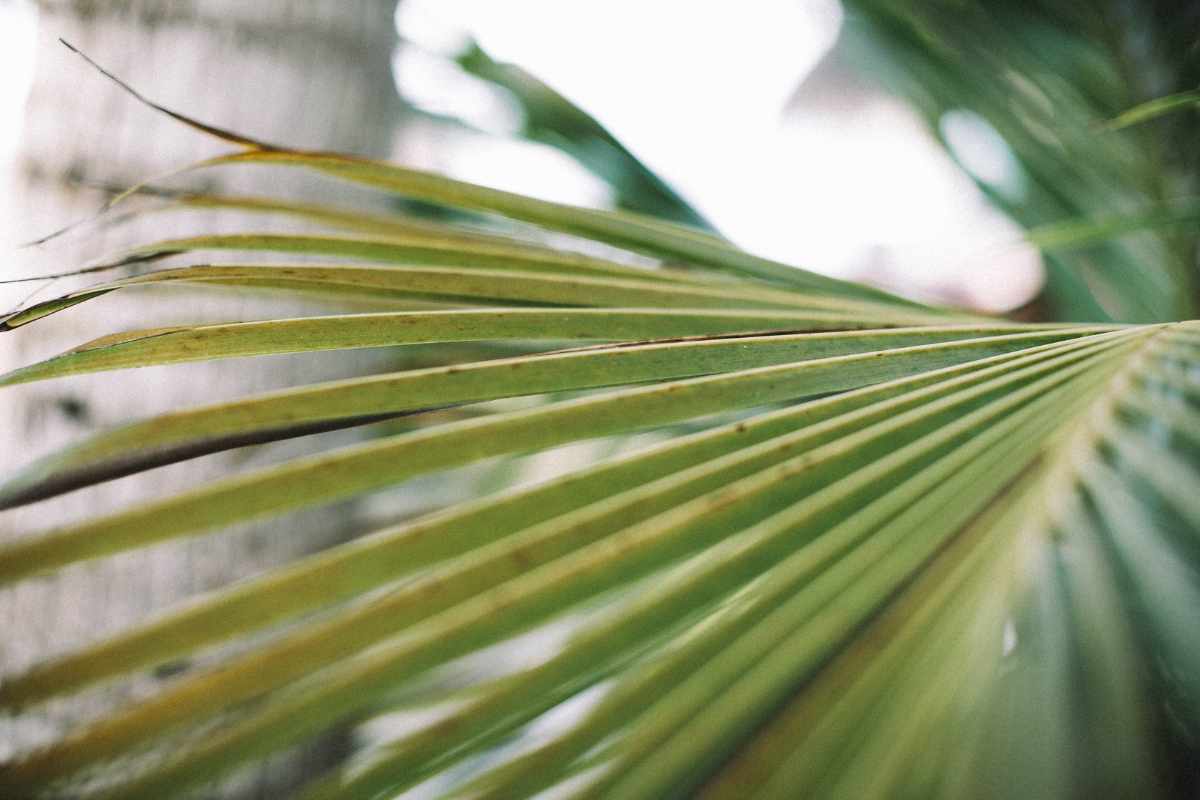
Before you can fix the problem, you need to identify what your plant is trying to tell you.
Different symptoms signal different issues, and spotting them early is key.
Yellowing Leaves
Older fronds turning yellow at the bottom is normal.
But if many fronds, especially new ones, are yellowing, it often means overwatering, nutrient deficiency, or poor light.
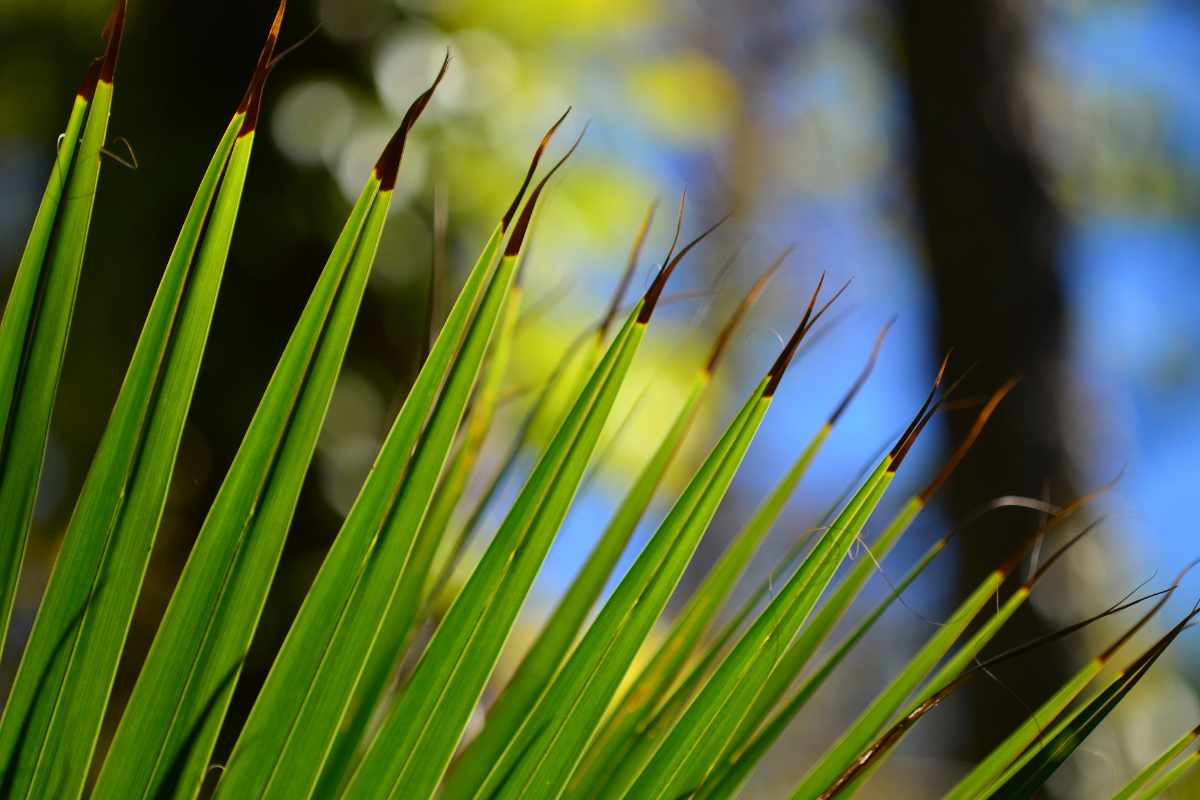
Browning Leaf Tips
The most common issue with Areca palms.
Usually caused by low humidity, underwatering, or excess fertilizer salts.
Drooping or Wilting Fronds
A sign that the roots are stressed. This can happen due to root rot, compacted soil, or inconsistent watering.
Stunted Growth
If new fronds fail to emerge or remain small, your plant may need repotting, more light, or fertilization.
Pest Infestation
Look for small webs, sticky residue, or tiny moving dots. Spider mites, mealybugs, and scale insects often target weak palms.
Step 1: Diagnose the Environment
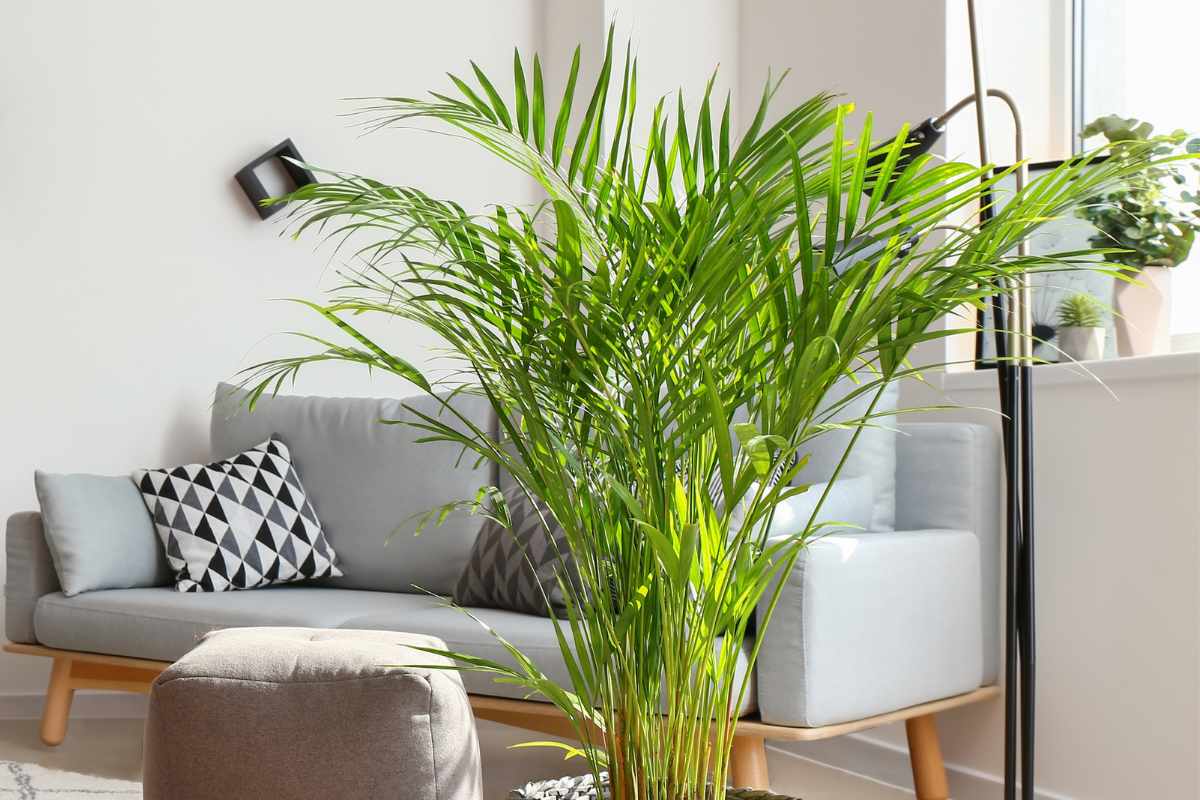
The first step in rescuing your Areca palm is checking the conditions it lives in.
Light Needs
Areca palms thrive in bright, indirect light. Direct sun can scorch the leaves, while low light slows growth. Place your palm near an east- or north-facing window, or filter strong sunlight with sheer curtains.
Watering Habits
Overwatering is the most common killer. Check the soil:
If it feels soggy, the roots may be rotting.
If it’s bone dry, your plant may be dehydrated.
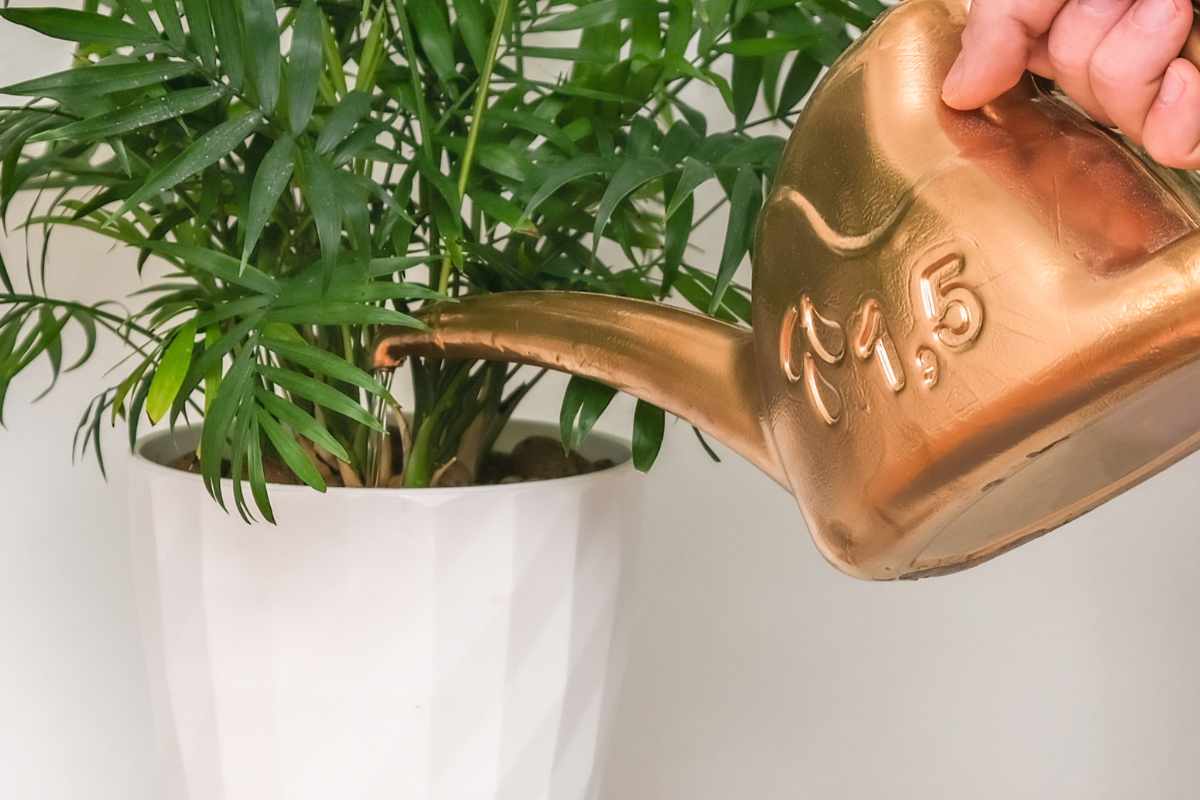
Water only when the top 2–3 inches of soil feel dry, and always use a pot with drainage holes.
Soil and Potting Conditions
Areca palms need well-draining soil—a mix of peat, sand, and perlite works best. If your palm is root-bound, repot it into a container one size larger with fresh soil.
Temperature and Humidity
These tropical palms prefer 65–75°F (18–24°C) and humidity above 50%. Dry indoor air, especially in winter, can cause browning tips. Use a humidifier or a pebble tray with water to raise humidity.
Step 2: Revive Your Areca Palm
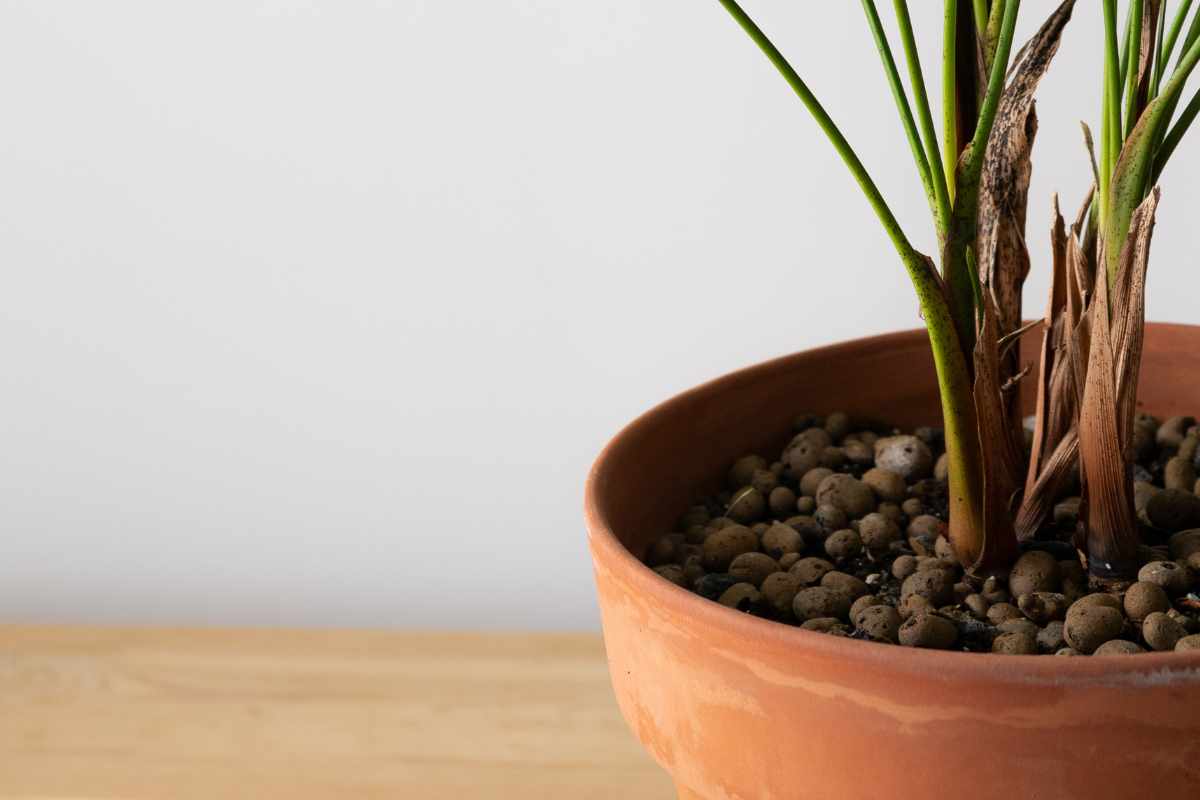
Once you’ve identified the likely issues, here’s how to revive your plant step by step.
Trim Damaged Leaves
Use sterilized scissors to remove fully yellow or brown fronds. This helps the plant focus energy on new growth.
Adjust Watering Schedule
If overwatered: Repot with fresh, dry soil and trim away any mushy roots.
If underwatered: Give a deep watering and establish a regular routine.
Improve Humidity
Mist the leaves lightly, group plants together, or keep your Areca palm near a humidifier. This reduces brown tips and promotes lush foliage.

Feed Wisely
During spring and summer, apply a balanced liquid fertilizer once a month. Avoid over-fertilizing, as salt buildup burns roots and leaves.
Tackle Pests Early
If you notice pests, wipe leaves with a damp cloth and spray with neem oil or insecticidal soap. Treat weekly until pests are gone.
Step 3: Prevent Future Problems
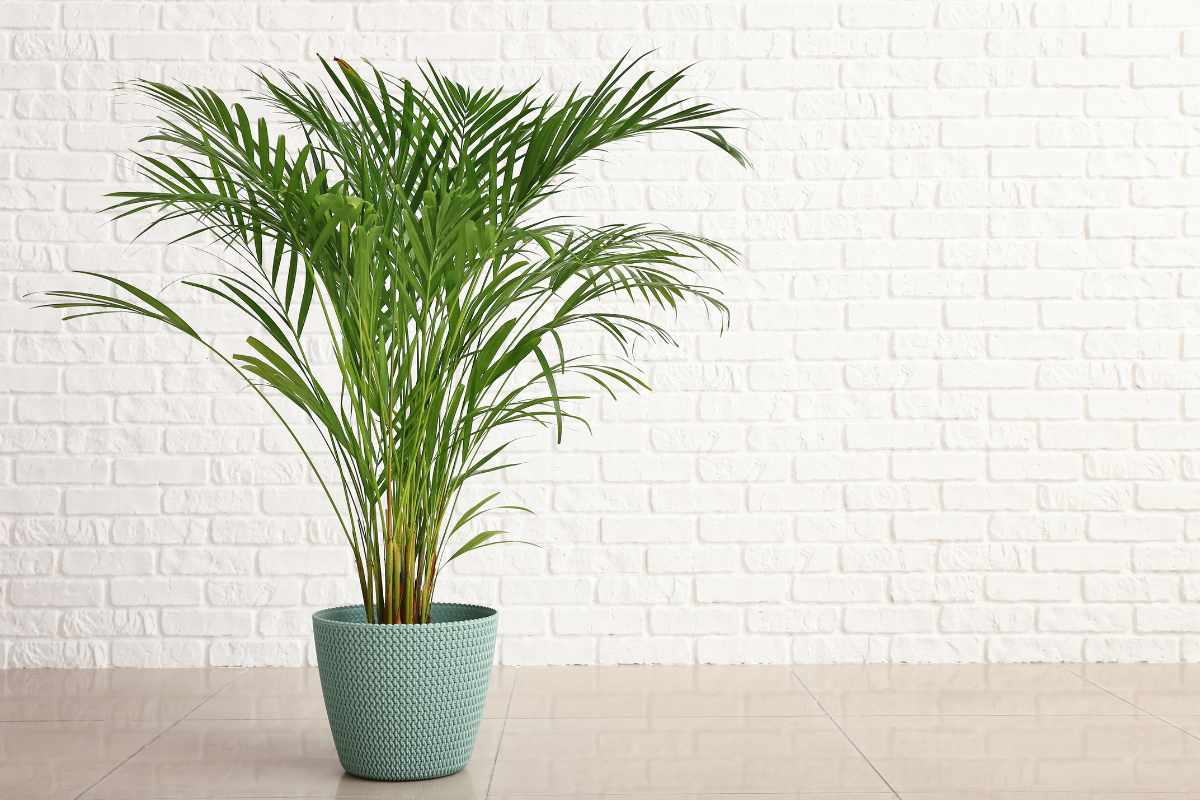
Reviving your palm is only half the job—prevention ensures it stays healthy long-term.
Create a Consistent Routine
Areca palms dislike sudden changes. Keep watering, feeding, and humidity stable.
Seasonal Adjustments
In winter: Water less and move the plant away from heaters and cold drafts.
In summer: Increase watering and misting to match higher evaporation.
Regular Maintenance
Wipe the fronds with a soft, damp cloth to remove dust, which improves photosynthesis and discourages pests.
Quick Troubleshooting Guide
| Symptom | Possible Cause | Solution |
|---|---|---|
| Yellowing fronds | Overwatering, poor light | Improve drainage, adjust watering, and add light |
| Brown tips | Low humidity, salt buildup | Increase humidity, flush soil, and reduce fertilizer |
| Drooping leaves | Root rot or dryness | Check roots, adjust watering schedule |
| Stunted growth | Root-bound, poor soil | Repot with fresh, well-draining soil |
| Pest infestation | Spider mites, scale | Treat with neem oil or insecticidal soap |
A dying Areca palm doesn’t have to be a lost cause.
With careful observation, proper watering, the right light, and consistent maintenance, your palm can bounce back and thrive again.
These plants may be sensitive, but they are also resilient once you meet their needs.
By following these steps, not only can you revive your Areca palm, but you’ll also ensure it continues to bring a tropical touch to your home for years to come.
Enjoy The Video Tutorial

Source: Garden Up
Don’t forget to Subscribe to our Newsletter to receive amazing tips and tricks about Gardening and the FREE Ebook Green Living Strategies!
Did you find this post Useful or Inspiring? Save THIS PIN to your GARDENING Board on Pinterest! 😊

Once again, thank you for visiting our website!
We hope you've enjoyed exploring the content we've created for you.
Give yourself the chance to learn, get inspired, and have even more fun, keep browsing...
More Gardening Tips 👇🏼👇🏼