
How to Care For Pitcher Plant / Nepenthes


Nepenthes, also known as pitcher plants, are captivating carnivorous plants admired for their exotic appearance and natural insect-trapping pitchers.
If you’re planning to grow one at home, understanding its unique needs is essential for keeping it healthy and thriving.
From choosing the right species to watering, feeding, and maintenance, this guide covers everything you need to enjoy growing your Nepenthes.
Getting to Know Your Nepenthes: Types and Characteristics
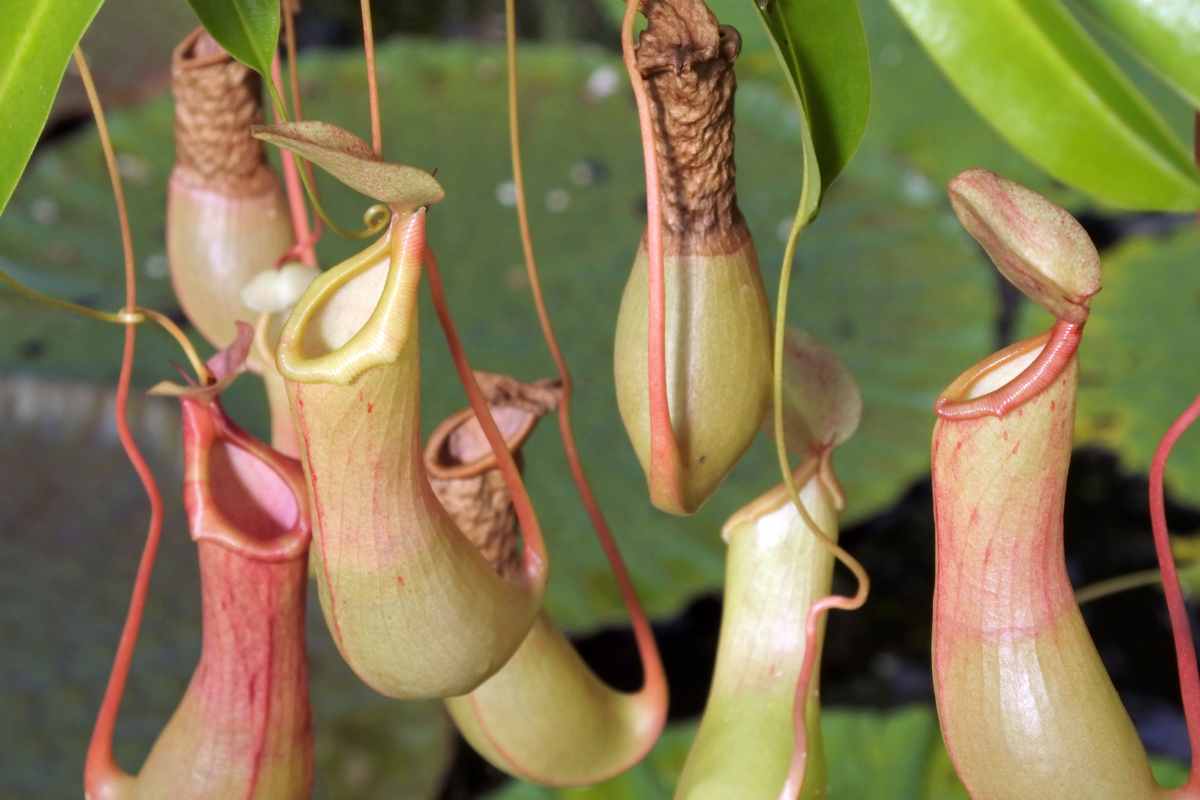
Highland vs. Lowland
Not all Nepenthes species require the same care.
Highland species come from mountainous regions and prefer cooler temperatures with cooler nights, while lowland species thrive in consistently warm conditions with high humidity.
Selecting the right type for your environment makes growing them much easier.
Popular Species
Some commonly grown species include Nepenthes alata, Nepenthes ventricosa, and Nepenthes rafflesiana.
Each has unique pitcher shapes and sizes, but they all share the same basic care requirements.
Best Location for Your Pitcher Plant
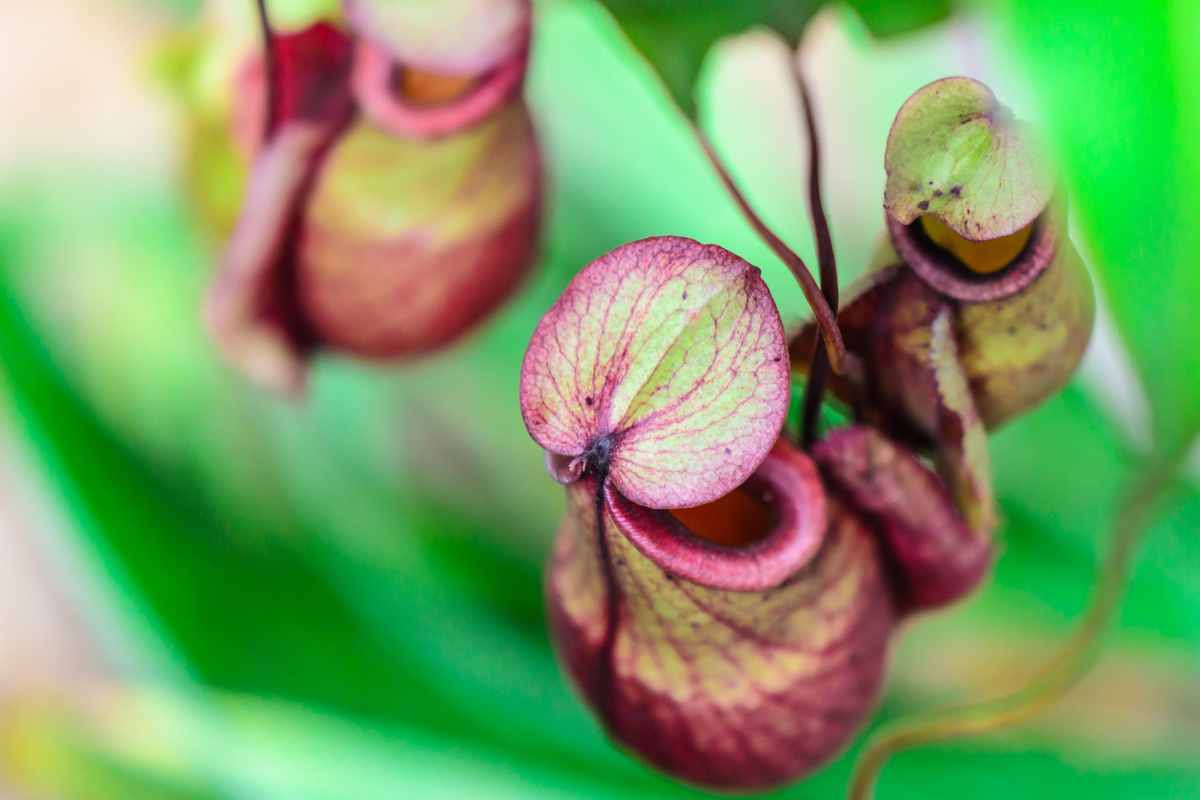
Light
Nepenthes need bright, indirect light. Avoid prolonged direct sunlight, which can scorch their leaves.
An east- or south-facing window with filtered light is ideal.
Humidity and Temperature
High humidity, between 60–80%, is crucial for healthy pitchers.
Temperature needs vary by species: highlands prefer 65–77°F (18–25°C) during the day with cooler nights, while lowlands enjoy a steady 75–86°F (24–30°C).
Soil and Pots
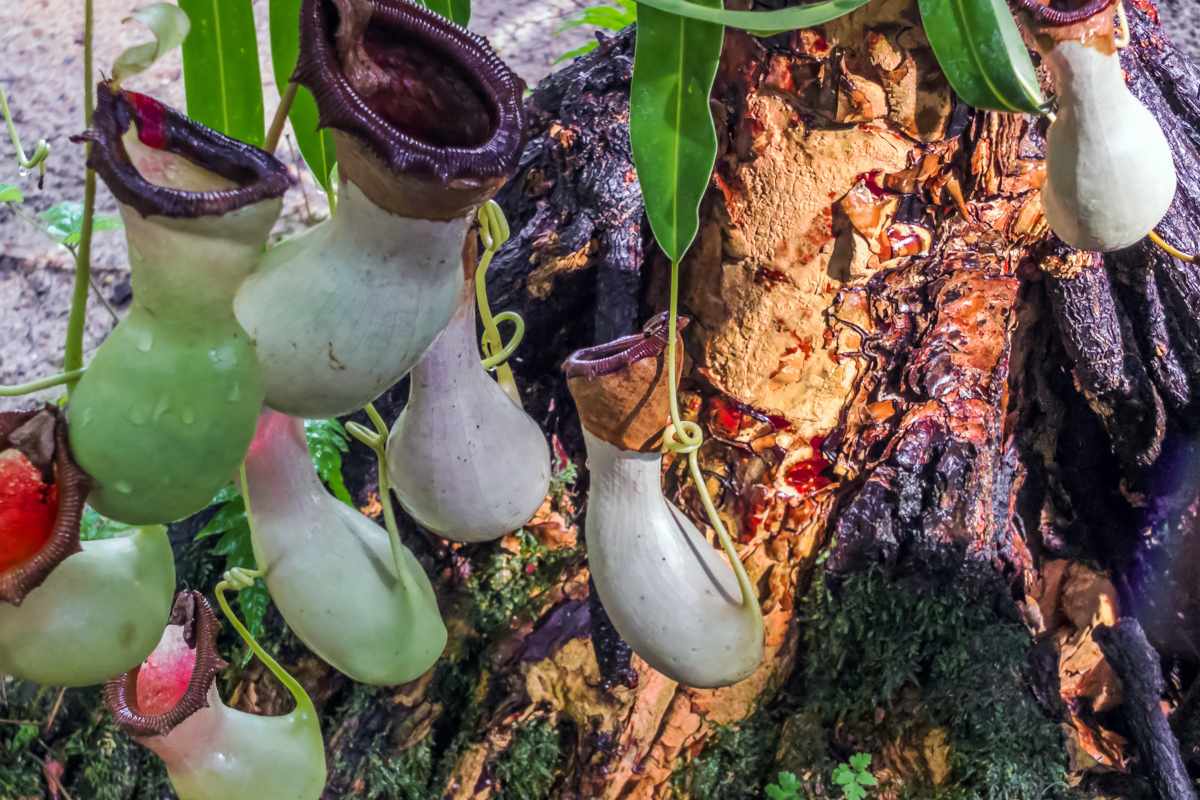
Recommended Soil Mix
Nepenthes do not grow well in regular garden soil.
A mix of sphagnum moss, perlite, and orchid bark provides balanced drainage and moisture retention.
Pot Selection
Hanging pots or containers with good drainage are recommended.
Proper drainage prevents root rot and allows roots to breathe.
Watering and Fertilizing
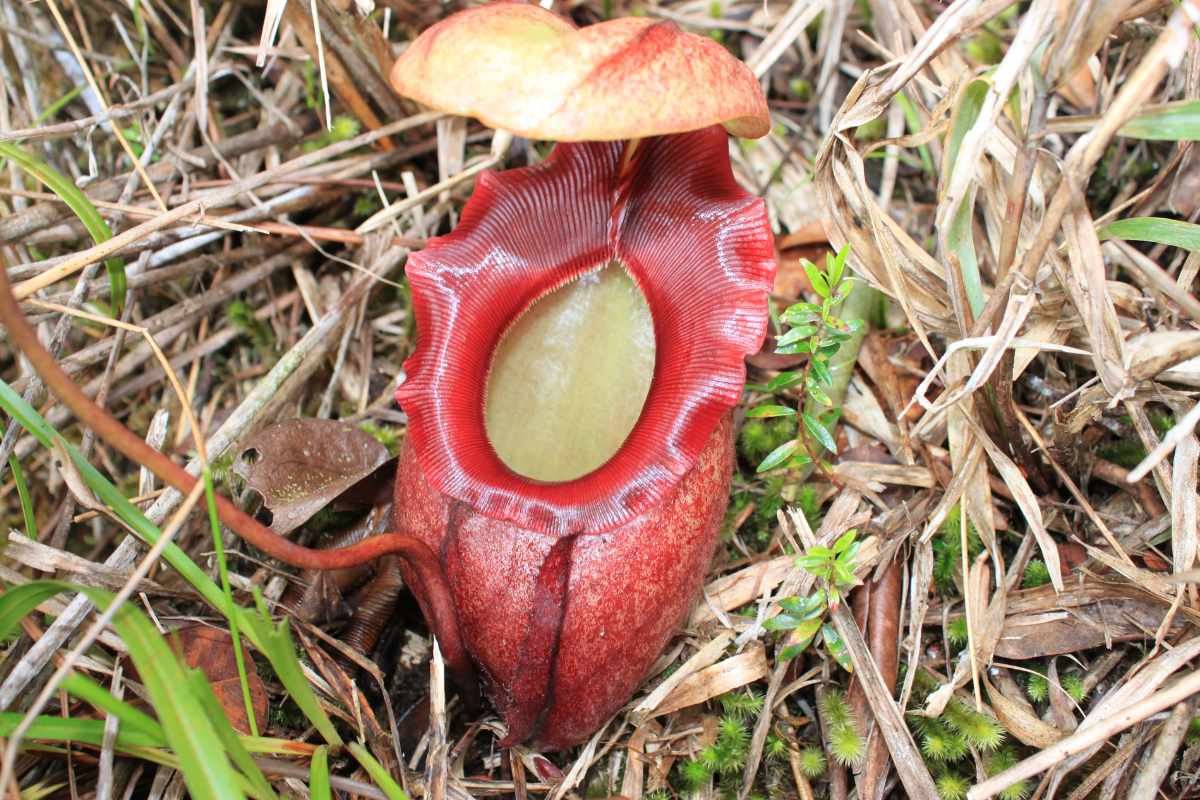
Proper Watering
Use distilled, rain, or filtered water, avoiding tap water that may contain minerals harmful to the plant.
Keep the soil slightly moist, never waterlogged.
Fertilization
Fertilization should be occasional and light. You can use diluted liquid fertilizer or supplement with insects if your plant cannot catch prey naturally indoors.
Feeding Your Pitcher Plant
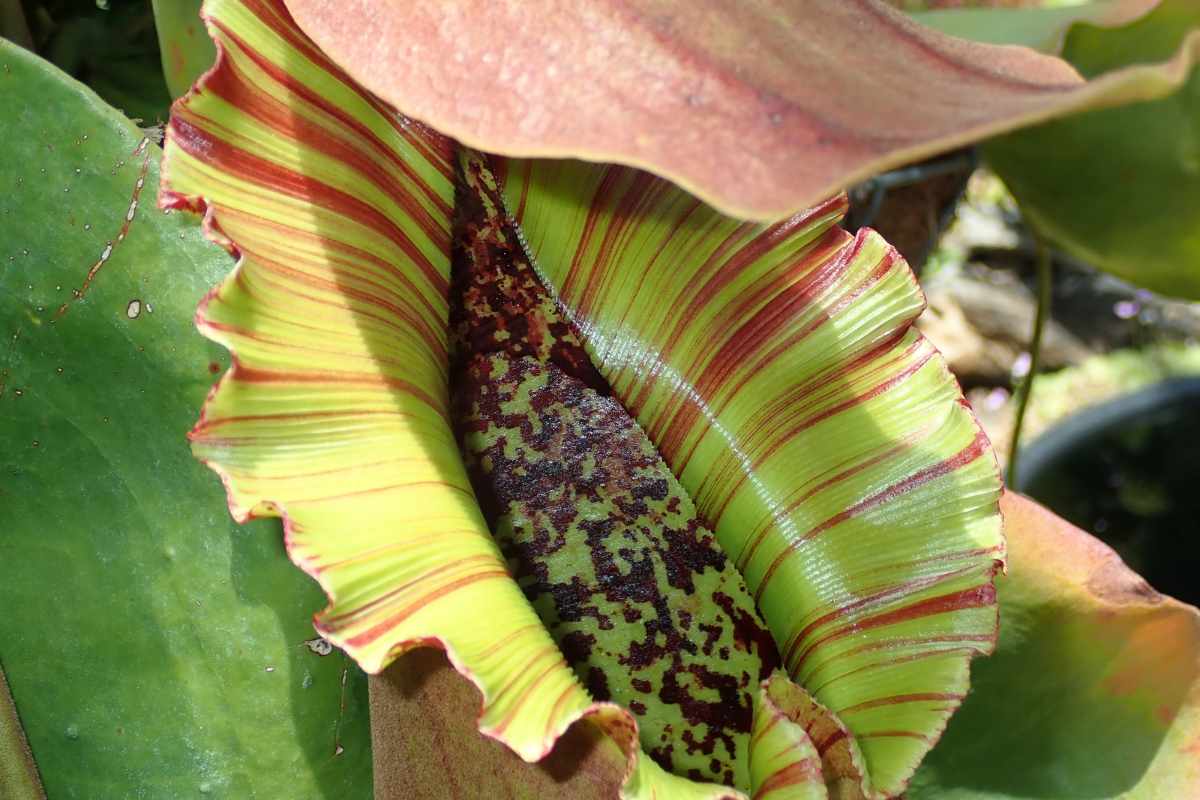
Natural Insect Capture
The plant’s pitchers naturally trap insects, providing essential nutrients.
Watching this process is part of the fascination of owning a Nepenthes.
Supplemental Feeding
For indoor plants, you can occasionally offer dried or live insects, taking care not to overfeed.
This helps pitchers grow strong and vibrant.
Pruning and Maintenance
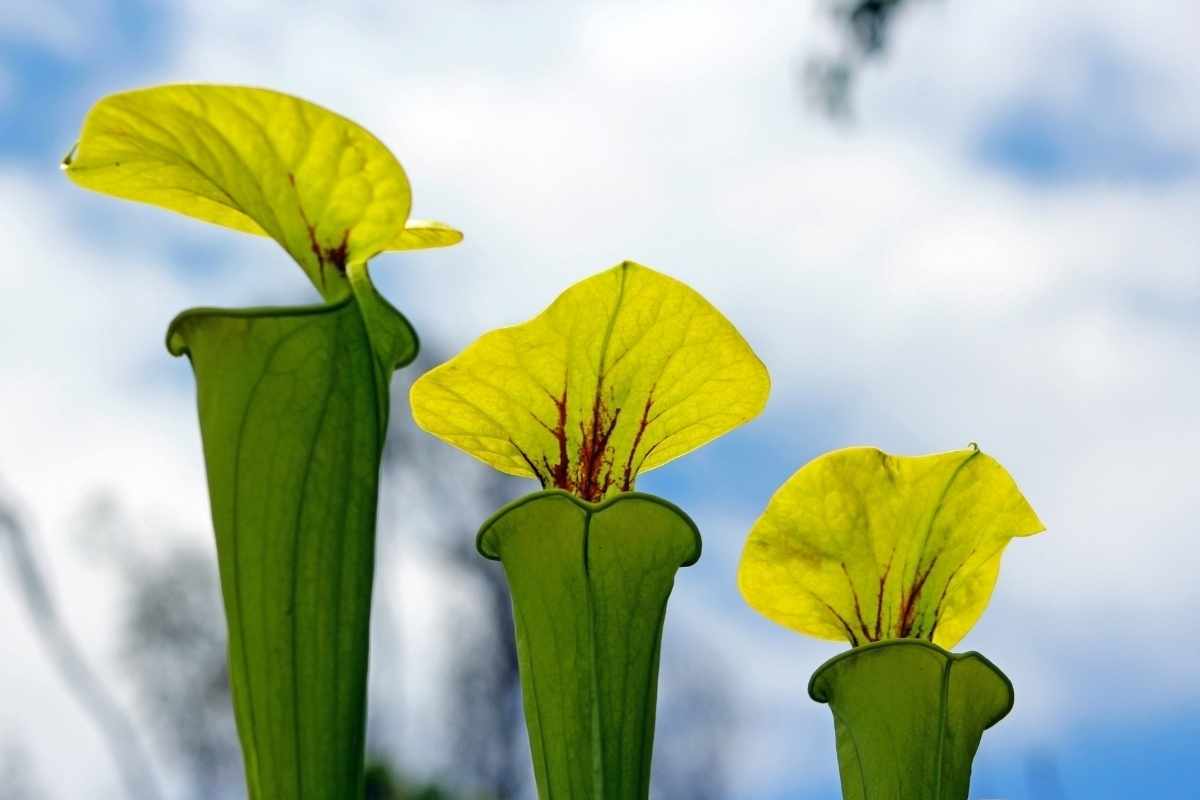
Removing Dead Leaves
Trim yellow or dead leaves to encourage healthy growth and prevent mold or bacterial issues.
Managing Dry Pitchers
Remove dry or shriveled pitchers carefully to maintain the plant’s appearance and direct energy toward new pitcher growth.
Signs of Health and Common Issues
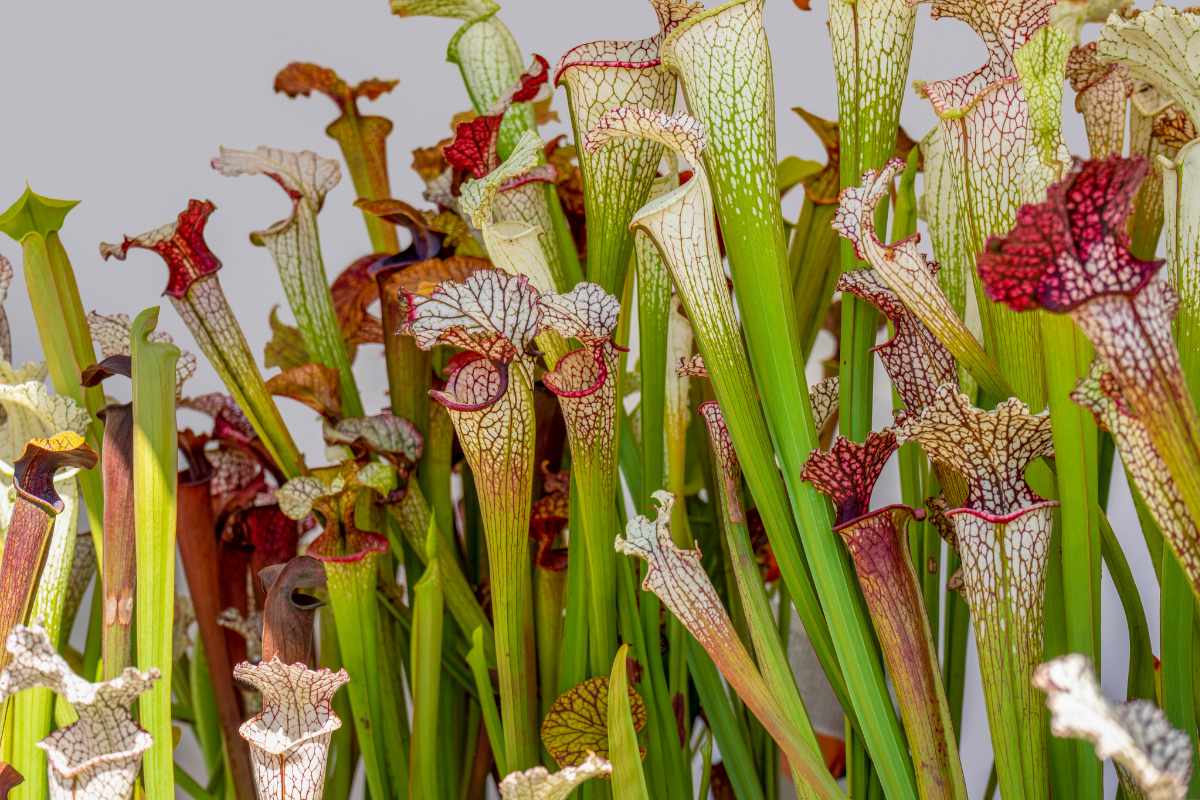
Yellow leaves: Could indicate too much light, nutrient deficiency, or improper watering.
Slow growth: Check humidity, light, and soil conditions.
Root rot: Caused by overly wet soil; improve drainage immediately.
With the right care, Nepenthes can live for many years and provide a unique and fascinating display in your home or garden.
Enjoy The Video Tutorial

Source: RedLeaf Exotics
Did you find this post Useful or Inspiring? Save THIS PIN to your GARDENING Board on Pinterest! 😊

More Gardening Tips 👇🏼👇🏼