
Best Low Light, No Fuss Houseplants


When it comes to decorating your home, houseplants add a touch of life and tranquility to any space.
However, not everyone has the luxury of sun-filled rooms.
Whether you're working with a room that gets minimal natural light or just want a low-maintenance option, this guide will help you choose the best low-light, no-fuss houseplants for your home.
These plants thrive in environments with less sunlight, making them perfect for indoor spaces like offices, bedrooms, or apartments.
Understanding Low Light Conditions
Before diving into which plants are best for low light, let’s define what "low light" really means.
In plant care, low light refers to areas that don't receive direct sunlight or any sunlight at all during the day.
These spaces often have indirect light, like areas near windows that are shaded or rooms that don't have windows facing the sun.
While these conditions might seem challenging for plants, many species have adapted to survive with minimal sunlight.
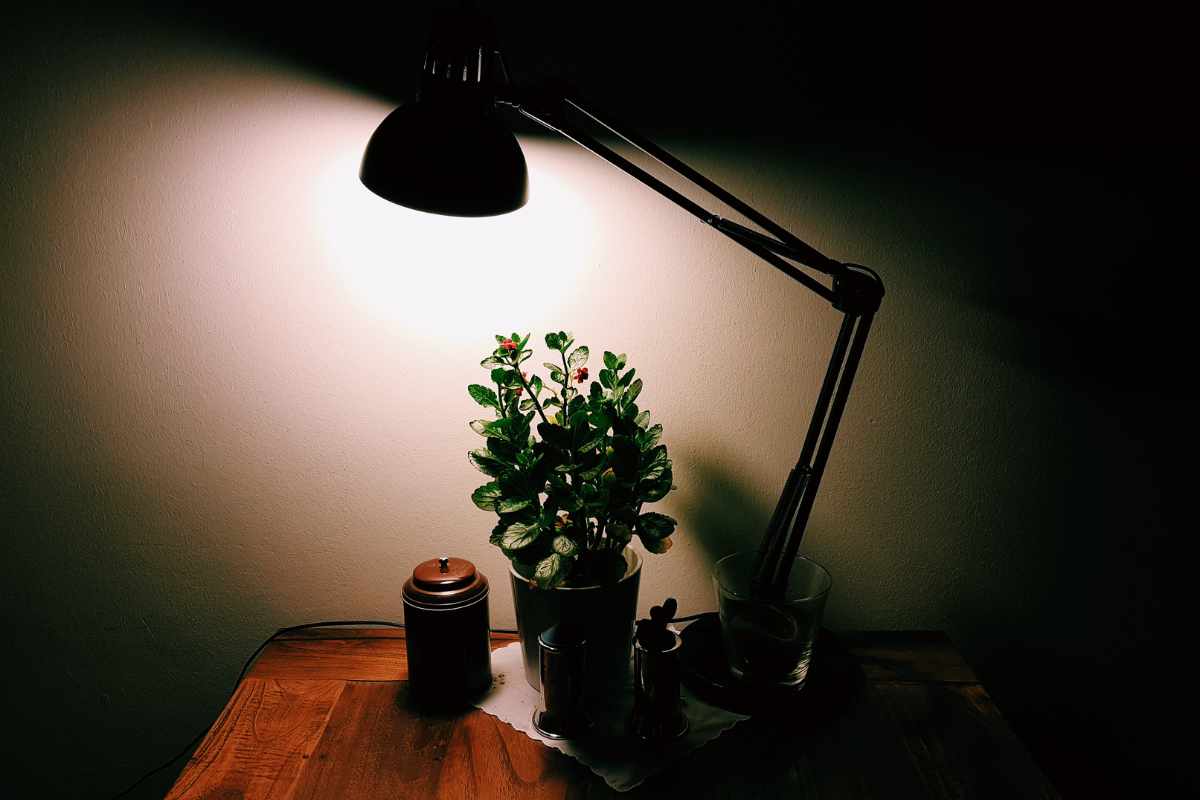
How Does Light Affect Plant Health?
Plants use sunlight for photosynthesis, which is essential for their growth.
In low light, plants grow more slowly and may not flower or produce new leaves as quickly.
However, certain plants have evolved to thrive under these conditions by requiring less energy from the sun.
Choosing plants that can tolerate low light will ensure they remain healthy and vibrant in your home.
Top Low Light, Low Maintenance Plants
Here are the best plants that require minimal sunlight and are easy to care for:
1. Snake Plant (Sansevieria)
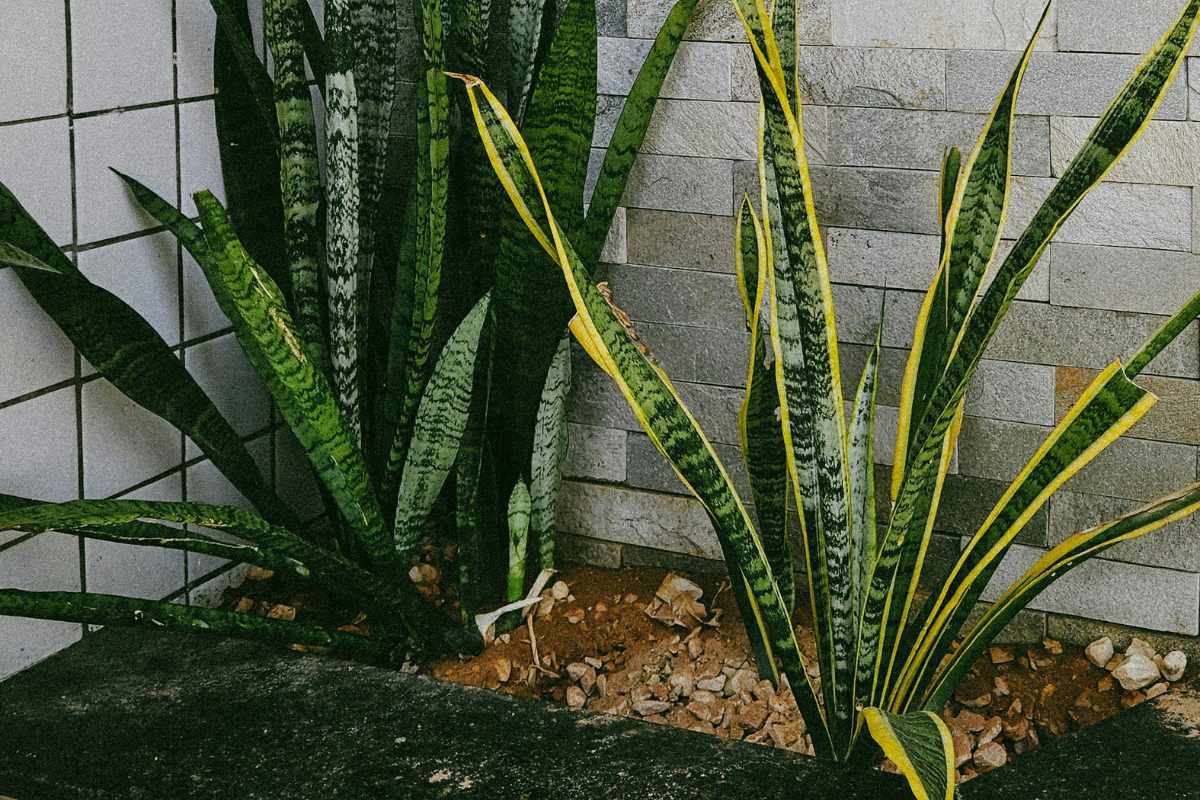
The snake plant is a popular choice for low light conditions, known for its long, upright leaves that can vary in color from green to yellow.
It’s virtually indestructible, making it an excellent option for beginners.
Care Tips:
Water sparingly; allow the soil to dry out completely between waterings.
It tolerates a range of temperatures, but keep it in a spot with indirect light.
Clean the leaves occasionally to remove dust.
Common Issues:
Overwatering is the most common problem. Ensure the soil drains well.
2. ZZ Plant (Zamioculcas zamiifolia)
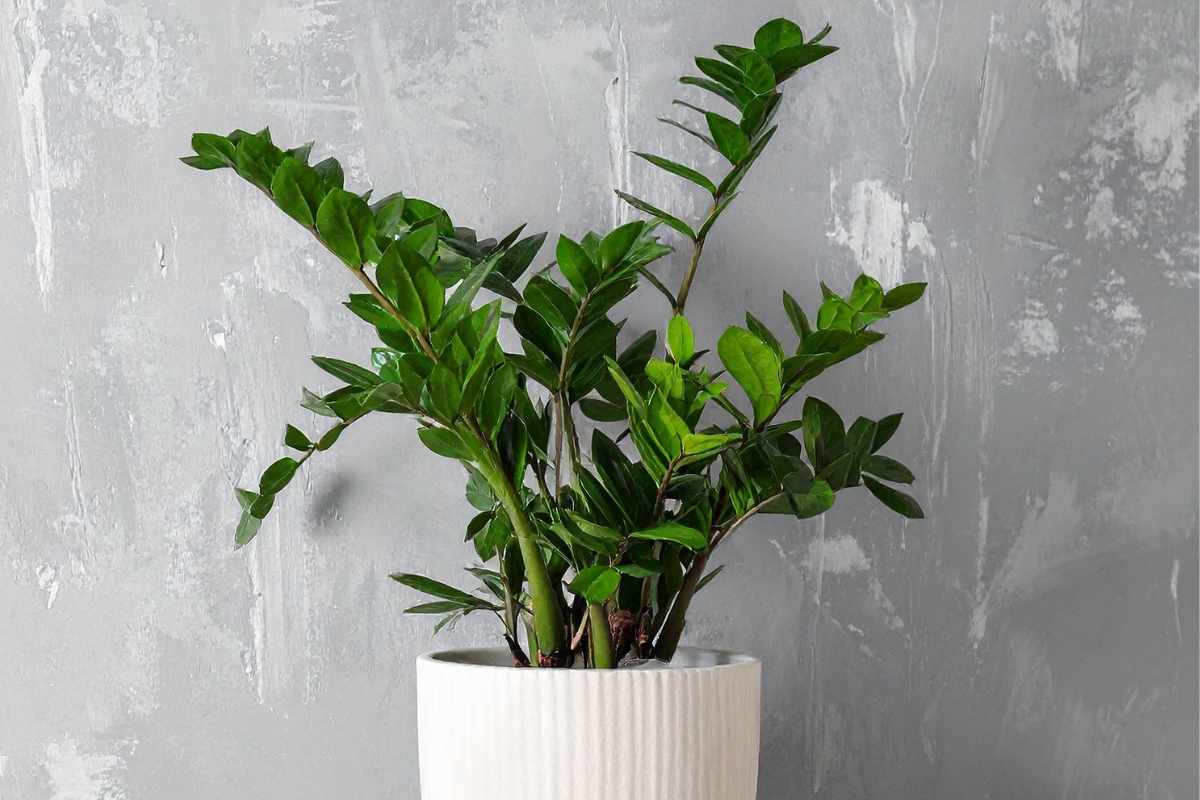
ZZ plants are known for their glossy, dark green leaves that can survive in nearly any lighting condition.
They are slow-growing but incredibly durable, making them perfect for those with a busy lifestyle.
Care Tips:
Water only when the soil is dry, typically every two to three weeks.
Prefers indirect light but can tolerate low light for extended periods.
Common Issues:
Yellowing leaves often result from overwatering.
3. Pothos (Epipremnum aureum)
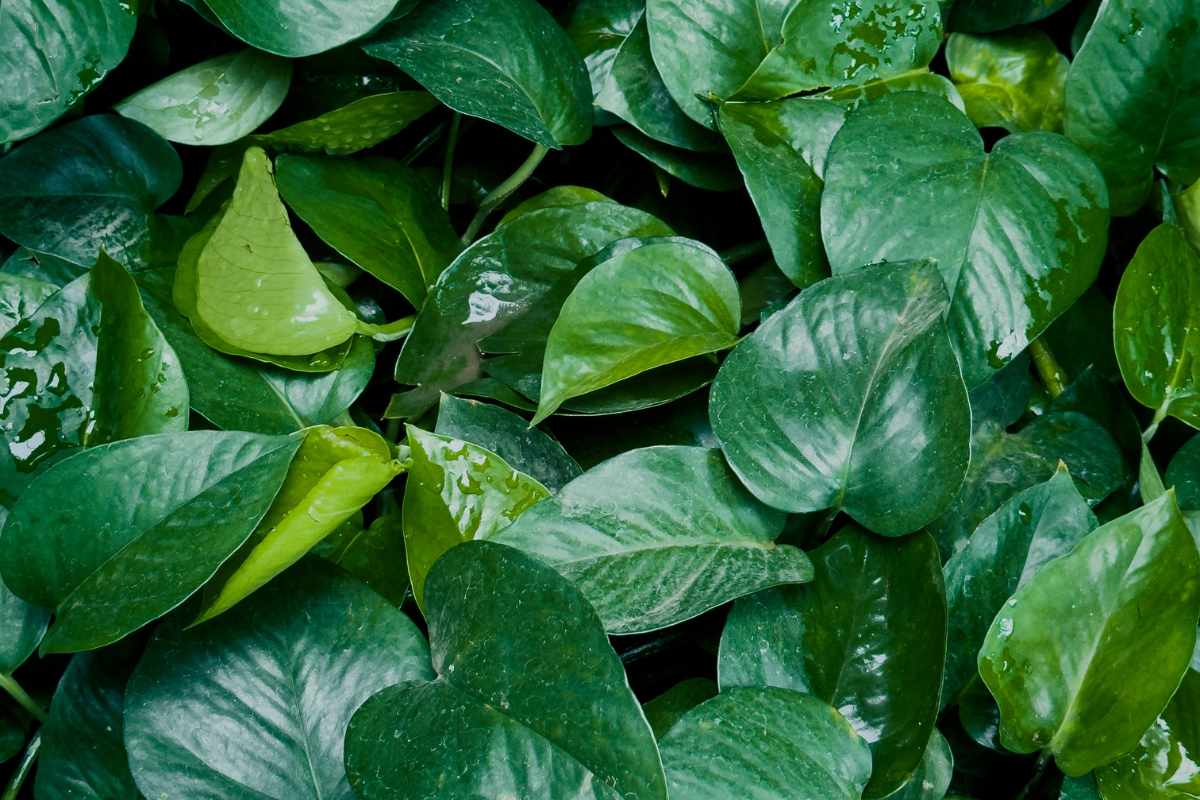
Pothos is one of the most versatile houseplants and can thrive in a wide range of light conditions, including low light.
This trailing vine can grow long and lush, adding a decorative touch to your space.
Care Tips:
Water when the top inch of soil feels dry.
It does well in low to bright indirect light.
Common Issues:
Overwatering can lead to root rot, so ensure the soil is not too moist.
4. Peace Lily (Spathiphyllum)

The peace lily is a classic low-light plant with glossy green leaves and white flowers.
It's known for its air-purifying qualities, making it a great choice for bedrooms or offices.
Care Tips:
Keep the soil moist but not soggy. Water the soil when it feels dry.
Prefers low to medium indirect light.
Common Issues:
Wilting is a sign that it needs water, but too much water can cause root rot.
5. Spider Plant (Chlorophytum comosum)
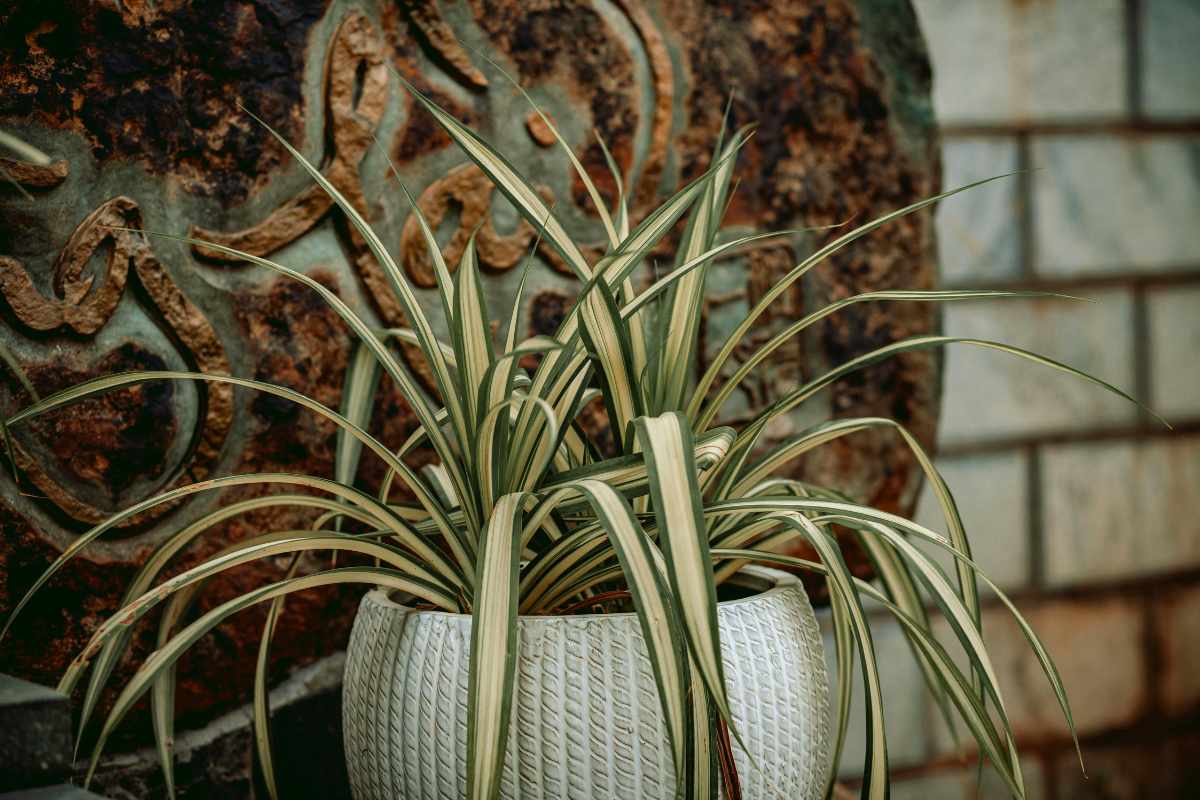
With its arching green and white striped leaves, the spider plant is another low-maintenance favorite.
It’s known for its air-purifying abilities and its ability to produce offshoots, or "pups," that can be easily propagated.
Care Tips:
Water the soil when it dries out, about once a week.
Thrives in indirect light but can adapt to low light conditions.
Common Issues:
Brown tips on the leaves can indicate overwatering or a need for more humidity.
Expert Advice on Low-Light Plant Care
While these plants are well-suited for low light, it’s important to remember that "low light" doesn’t mean "no light."
All plants, even low-light varieties, still require some exposure to indirect light. Experts recommend placing plants near windows with sheer curtains or in rooms with artificial lighting.
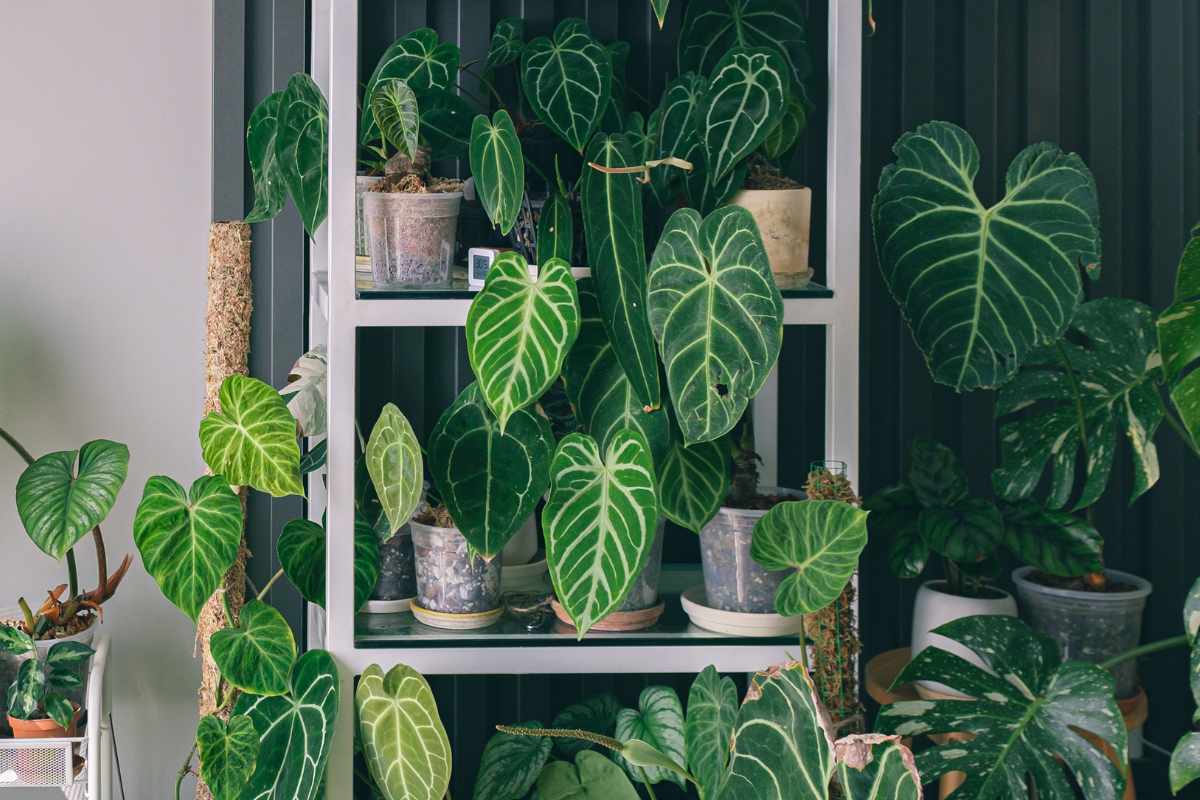
Also, consider rotating your plants periodically to ensure they get the most even light exposure possible.
For the best results, use a grow light during the winter months when natural light is at its lowest. This helps provide the light your plants need to thrive even in darker seasons.
Don’t forget to Subscribe to our Newsletter to receive amazing tips and tricks about Gardening and the FREE Ebook Green Living Strategies!
Did you find this post Useful or Inspiring? Save THIS PIN to your GARDENING Board on Pinterest! 😊

Once again, thank you for visiting our website!
We hope you've enjoyed exploring the content we've created for you.
Give yourself the chance to learn, get inspired, and have even more fun, keep browsing...
More Gardening Tips 👇🏼👇🏼