
- Urbaki Gardening
- Plants
- Carnivorous plants
- How To Care For Sundews
How To Care For Sundews

Emily Brooks
13/11/2020 · Updated on: 04/02/2026

Sundews, members of the Drosera genus, are some of the most captivating carnivorous plants in the world.
Known for their sticky, dew-covered traps that catch insects, sundews are a great addition to any plant collection.
Whether you're a seasoned plant enthusiast or a beginner, this guide will help you understand how to properly care for your sundews, including the best growing conditions, feeding tips, and propagation methods.
Understanding Sundews: The World of Drosera
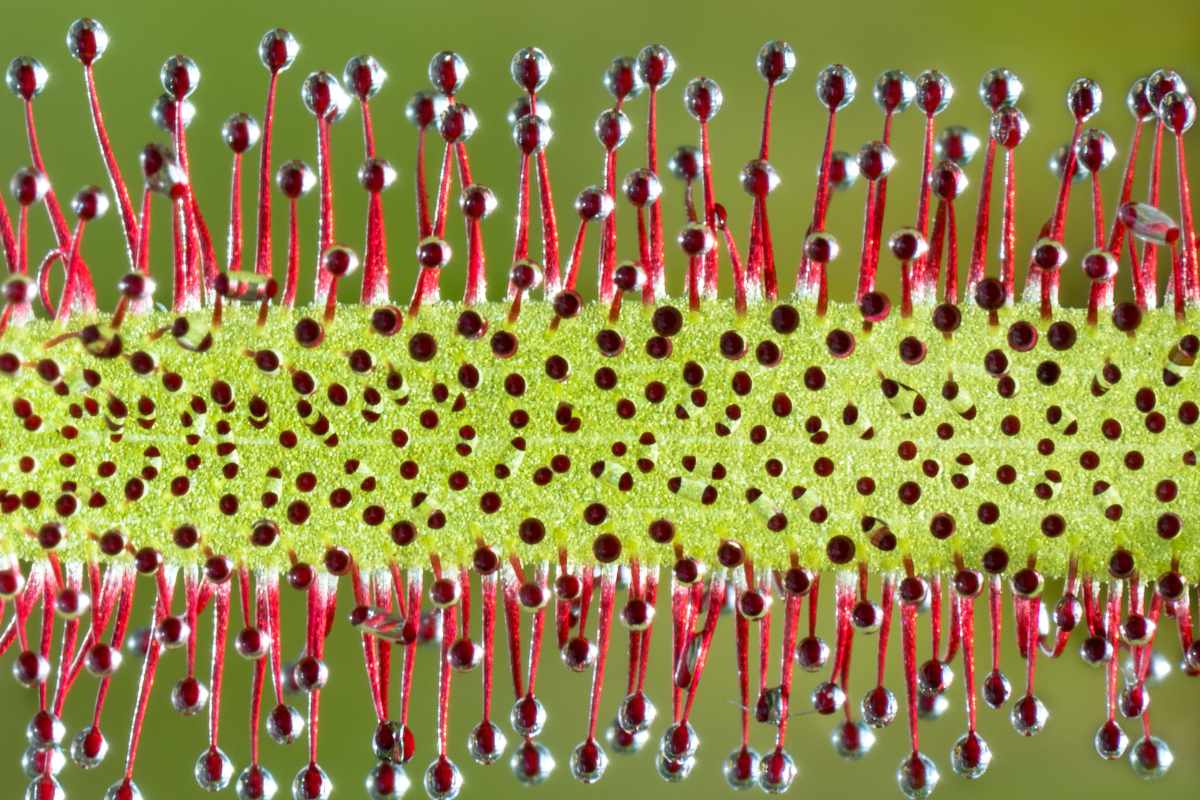
There are over 190 species of sundews, with varying care requirements.
The most commonly cultivated species are Drosera capensis, Drosera regia, and Drosera spatulata.
Each species has unique characteristics, but all sundews thrive in similar environments—humid, bright, and wet conditions.
Drosera capensis: Known for its long, narrow leaves, this species is one of the easiest to grow and is ideal for beginners.
Drosera regia: Also called the "King Sundew," it has large, impressive traps and requires slightly more specific care.
Drosera spatulata: This species has a more compact form and is well-suited for smaller spaces.
Creating the Ideal Environment for Sundews
Sundews are native to boggy areas with high humidity, and recreating these conditions is essential for their health.
Lighting
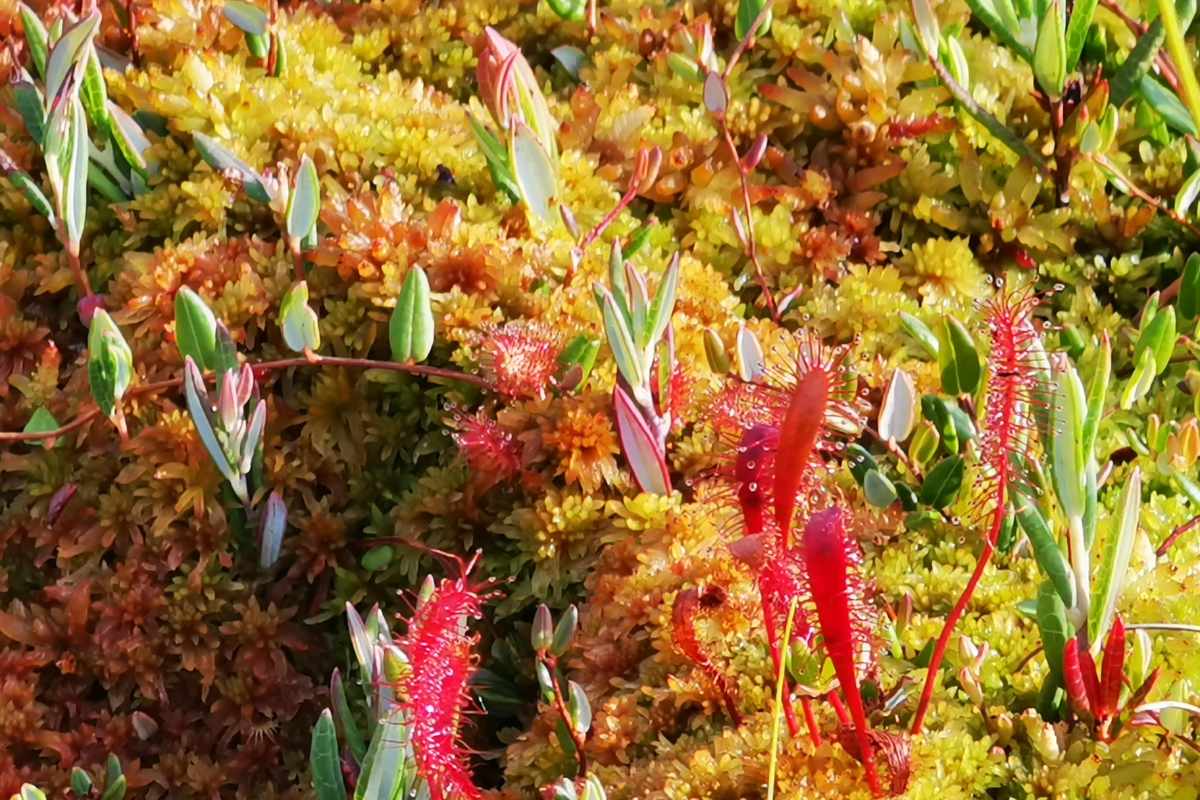
Sundews thrive in bright, indirect light.
They can handle full sunlight but prefer being in a location with filtered light, especially during the hottest parts of the day.
For Drosera capensis: 4-6 hours of bright, indirect sunlight per day is enough.
For Drosera regia: This species requires more light, ideally 6-8 hours of indirect light or 4-5 hours of direct sunlight.
If you live in an area with limited natural light, consider using grow lights to provide the necessary light spectrum.
Watering
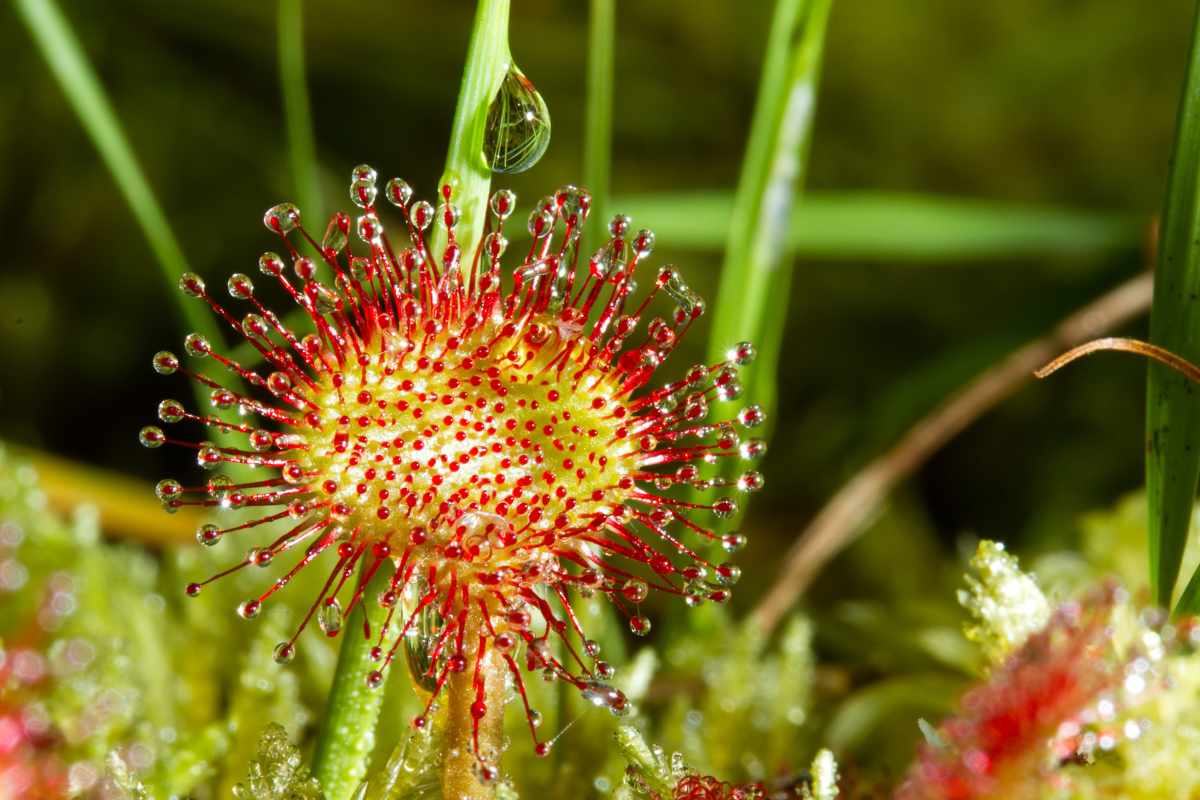
Sundews need to be watered with distilled or rainwater, as tap water contains minerals that can harm the plants.
Use the "tray method" by placing the pot in a shallow tray filled with water, ensuring the soil remains moist but not waterlogged.
Tip: Never let your sundews dry out completely, as they need consistent moisture to thrive.
Humidity and Temperature
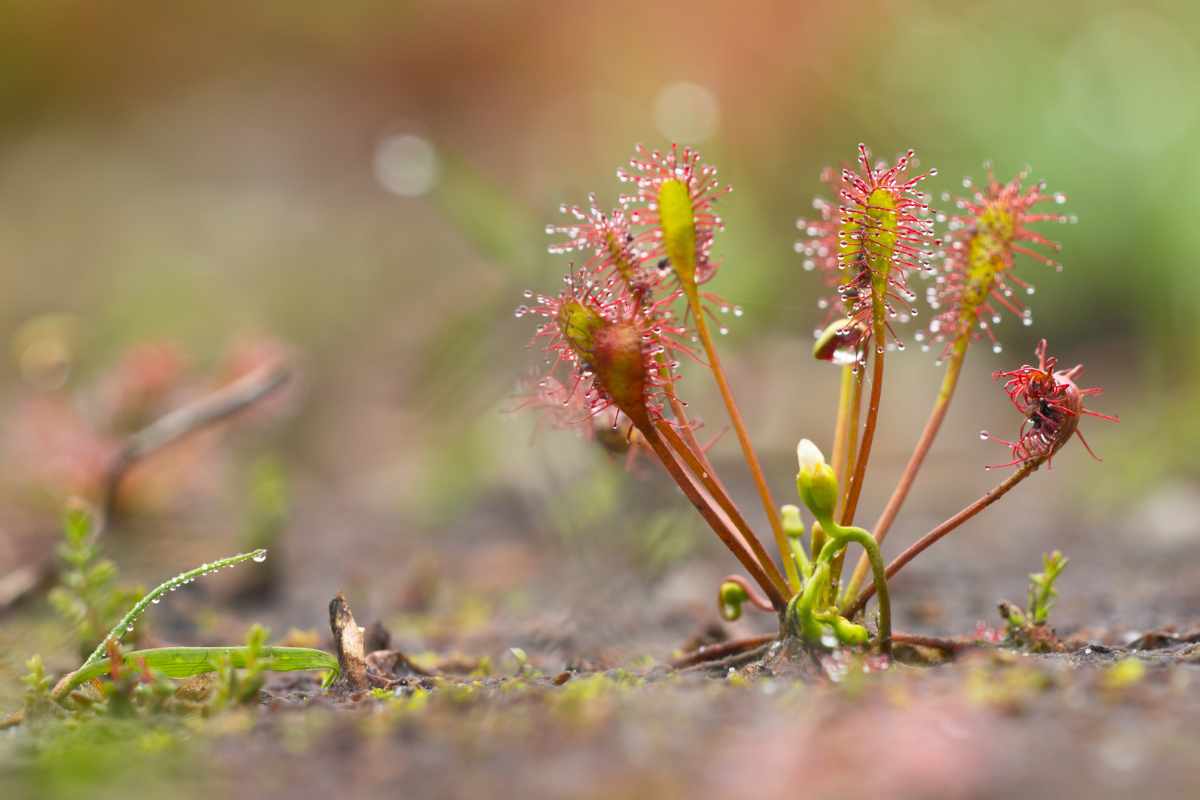
High humidity is crucial for sundew health. Keep the humidity level above 50%, ideally around 60-80%.
If your home is too dry, consider using a humidity tray or placing the plant in a terrarium.
Temperature: Most sundews prefer temperatures between 70-85°F (21-29°C) during the day and slightly cooler at night. Avoid sudden temperature fluctuations.
Soil and Potting: The Foundation of Sundew Care
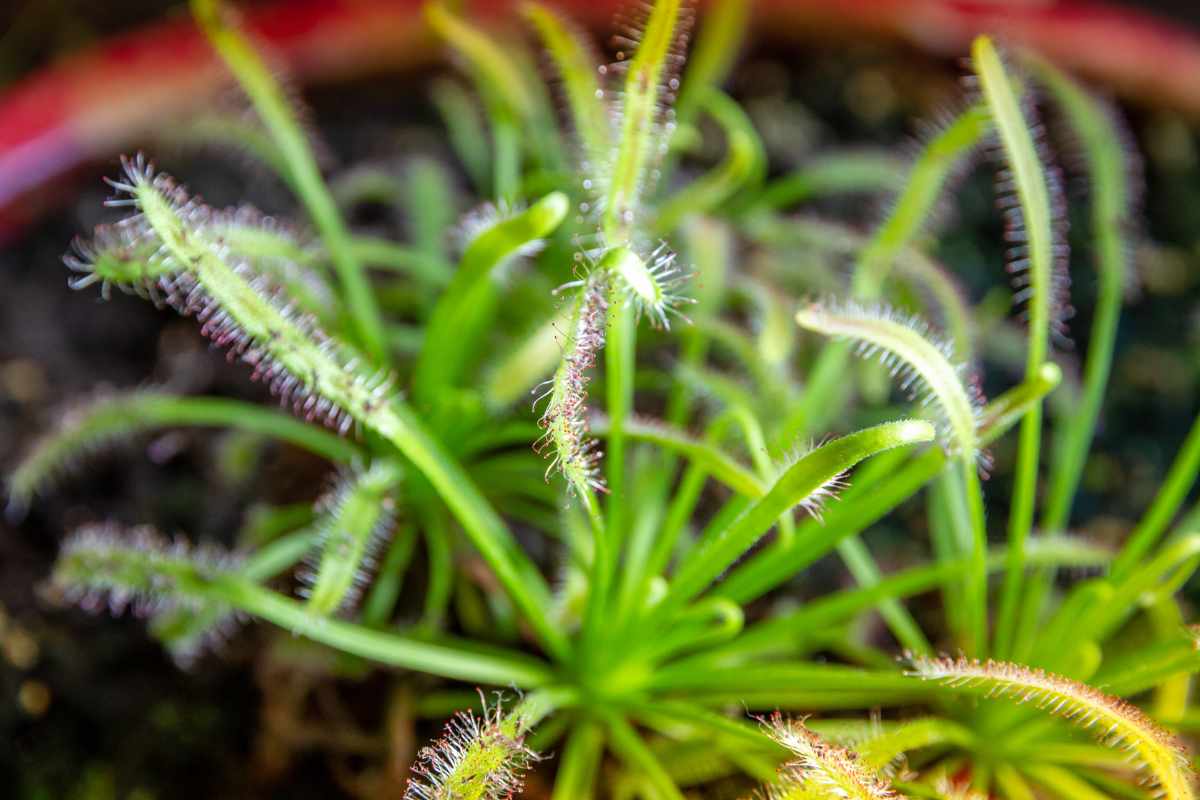
Sundews need acidic, nutrient-poor soil.
A mixture of sphagnum moss and perlite or sand is ideal, as it mimics the boggy, acidic conditions where these plants grow in the wild.
Ideal Soil Mix for Sundews:
50% sphagnum moss (best to use long-fiber sphagnum)
30% perlite
20% sand (optional for drainage)
Potting Tips:
Use a container with drainage holes.
Avoid regular potting soil, as it is too rich in nutrients.
Repot every 1-2 years to refresh the soil and prevent the buildup of excess minerals.
Feeding and Nutrition: A Carnivorous Diet

Sundews catch insects with their sticky, glandular hairs that cover their leaves.
These glands secrete a glue-like substance to trap prey.
Once an insect is trapped, the sundew's leaf curls around it, and digestive enzymes break it down.
Feeding Sundews:
Insects: Small insects like flies, ants, and mosquitoes are ideal. You can also feed them tiny mealworms or crickets.
Frequency: In the wild, sundews catch insects naturally, but in a home environment, you may need to supplement their diet. Offer food once every 1-2 weeks.
Caution: Avoid feeding them food like meat or processed foods, as these can cause rot and damage the plant.
Overfeeding: A Common Mistake
Overfeeding can harm sundews.
If a sundew gets too much food, the traps may become sluggish and lose their ability to capture new prey.
One or two small insects per feeding is usually enough.
Dormancy and Seasonal Care
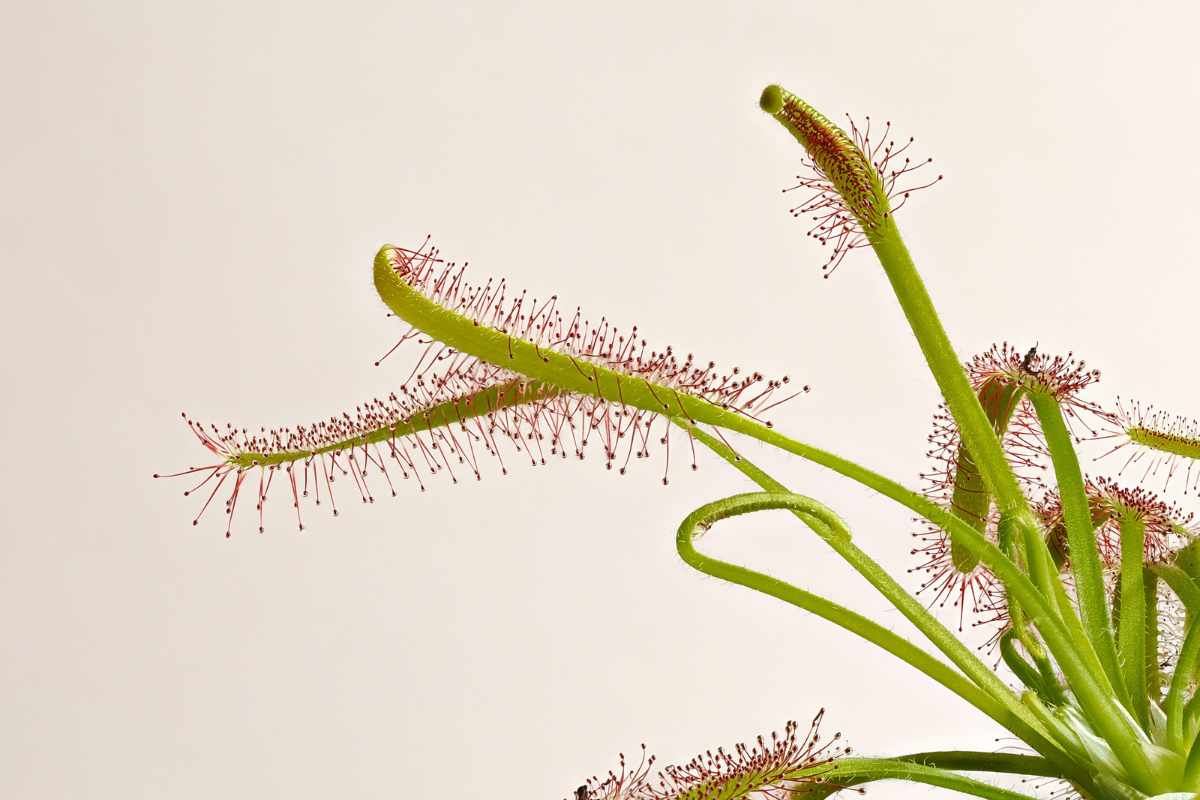
Unlike most houseplants, sundews require a period of dormancy during the colder months.
Not all species need dormancy, but Drosera regia and Drosera capensis benefit from it.
How to Handle Dormancy:
Dormant Phase: Reduce the amount of water and light. Keep your sundew in a cool place (around 50-60°F or 10-15°C) for 1-3 months.
For Non-Dormant Species: If your sundew doesn't need a dormancy period, continue regular care with adequate light and moisture.
Common Problems and Solutions
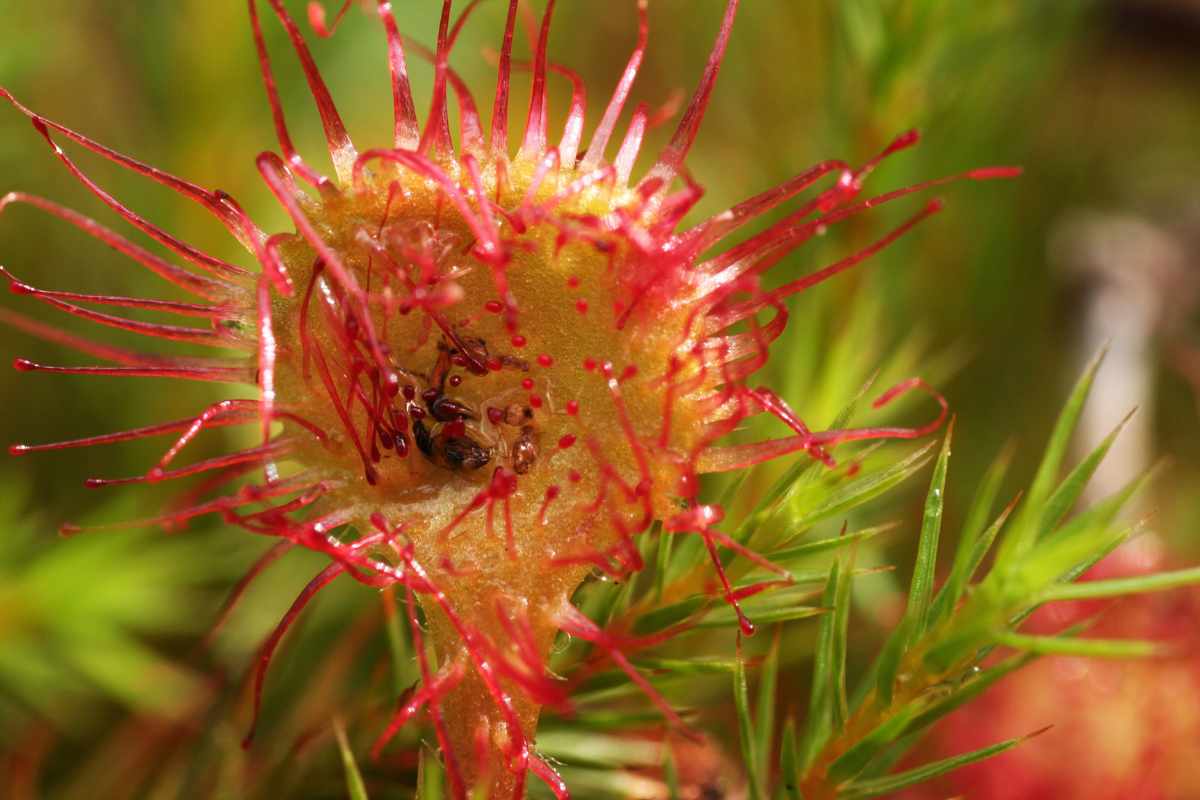
1. Loss of Dew
If your sundew's dew is drying up, it may be a sign of low humidity or insufficient water.
Increase humidity and check the water quality.
2. Pests
Sundews are generally resistant to pests, but they can sometimes attract aphids or mites.
If you notice small insects on your plant, wash the leaves gently with water or use an insecticidal soap.
3. Mold and Rot
Mold can develop in too-wet conditions.
Ensure your plant is not sitting in stagnant water, and provide proper air circulation.
Start Today!
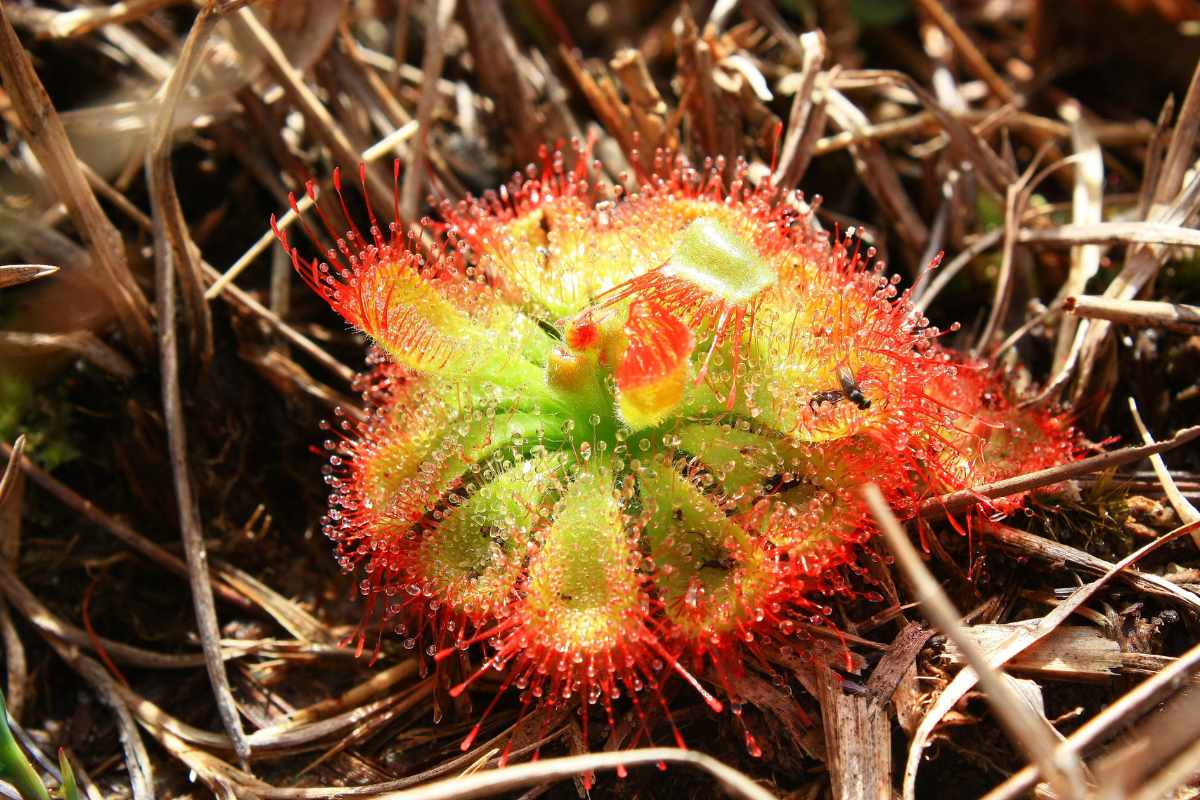
Caring for sundews can be incredibly rewarding.
These fascinating plants not only serve as unique additions to your garden or home but also help with pest control.
By providing the right environment, feeding them properly, and addressing common care issues, your sundews will thrive and continue to captivate with their insect-catching abilities.
Enjoy This Video Tutorial

Source: Techplant
Did you find this post Useful or Inspiring? Save THIS PIN to your GARDENING Board on Pinterest! 😊

Emily Brooks
I’m Emily, a lifelong nature lover with dirt on my boots and a passion for all things green. I don’t claim to be a botanist; I’m just an enthusiast who believes that every backyard—no matter how small—can become a sanctuary. After years of trial and error (and more than a few wilted ferns), I’m sharing my honest journey of growing flowers and veggies. Let's learn from the seasons and grow something beautiful together!
More Gardening Tips 👇🏼👇🏼