
Top 10 DON'Ts when Growing Orchids


Orchids are among the most captivating and exotic plants you can bring into your home.
Their delicate flowers and unique growth habits make them stand out in any collection. However, orchids can also be tricky to care for, especially for beginners.
Many enthusiasts unintentionally harm their plants by following incorrect advice or overlooking their specific needs.
To help you succeed, here are the top 10 “don’ts” when growing orchids—and what to do instead.

1. Don’t Overwater Your Orchid

One of the most common mistakes is treating orchids like ordinary houseplants. Their roots are sensitive and prone to root rot if kept constantly soggy.
What to do instead: Allow the potting medium to dry slightly between waterings. For most Phalaenopsis orchids, water once a week in cooler months and twice a week in warmer months.
Always check the roots—healthy orchid roots are firm and green when hydrated, silvery when dry.
2. Don’t Leave Orchids Sitting in Water
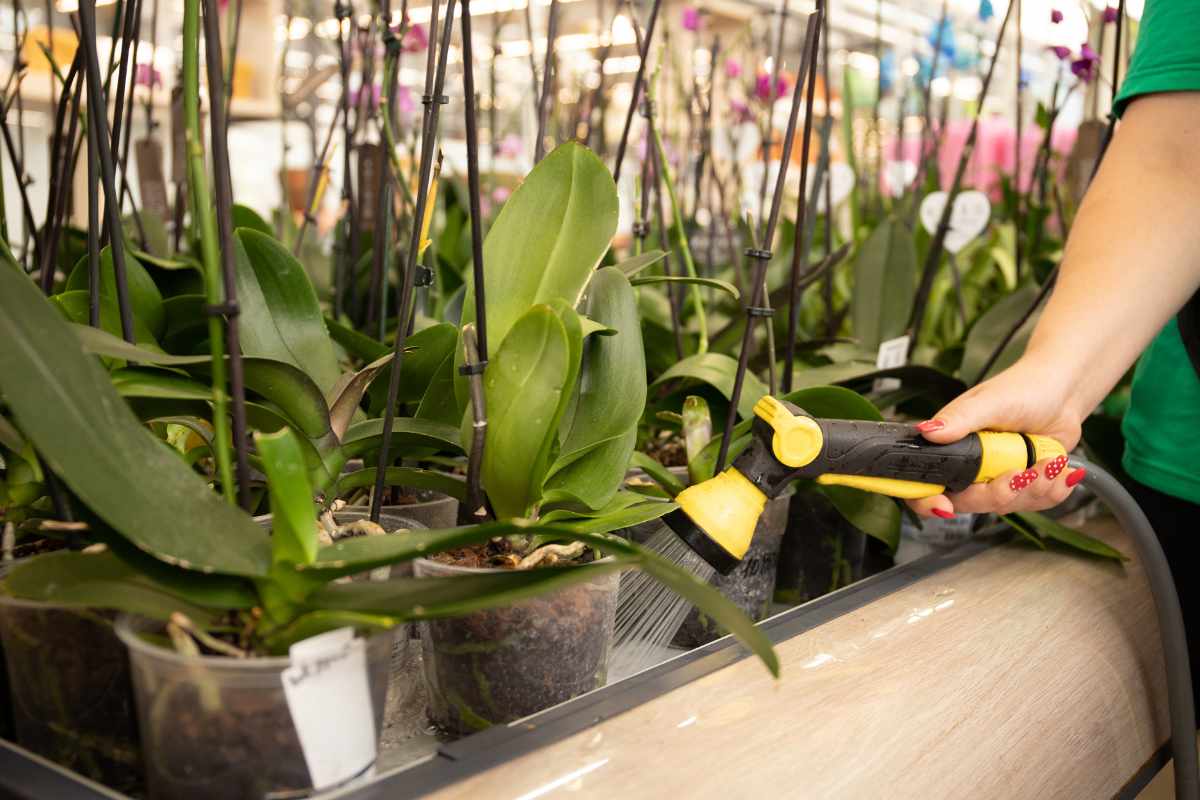
Many people place orchid pots inside decorative containers without drainage, creating a pool at the bottom. This suffocates roots and encourages fungus.
What to do instead: Always ensure your orchid has a drainage hole and never let water collect in the bottom of the pot.
If you use a decorative cover pot, empty it after watering.
3. Don’t Use Regular Garden Soil

Orchids are epiphytes, meaning they grow on trees in the wild, and their roots need air circulation. Planting them in dense soil suffocates the roots.
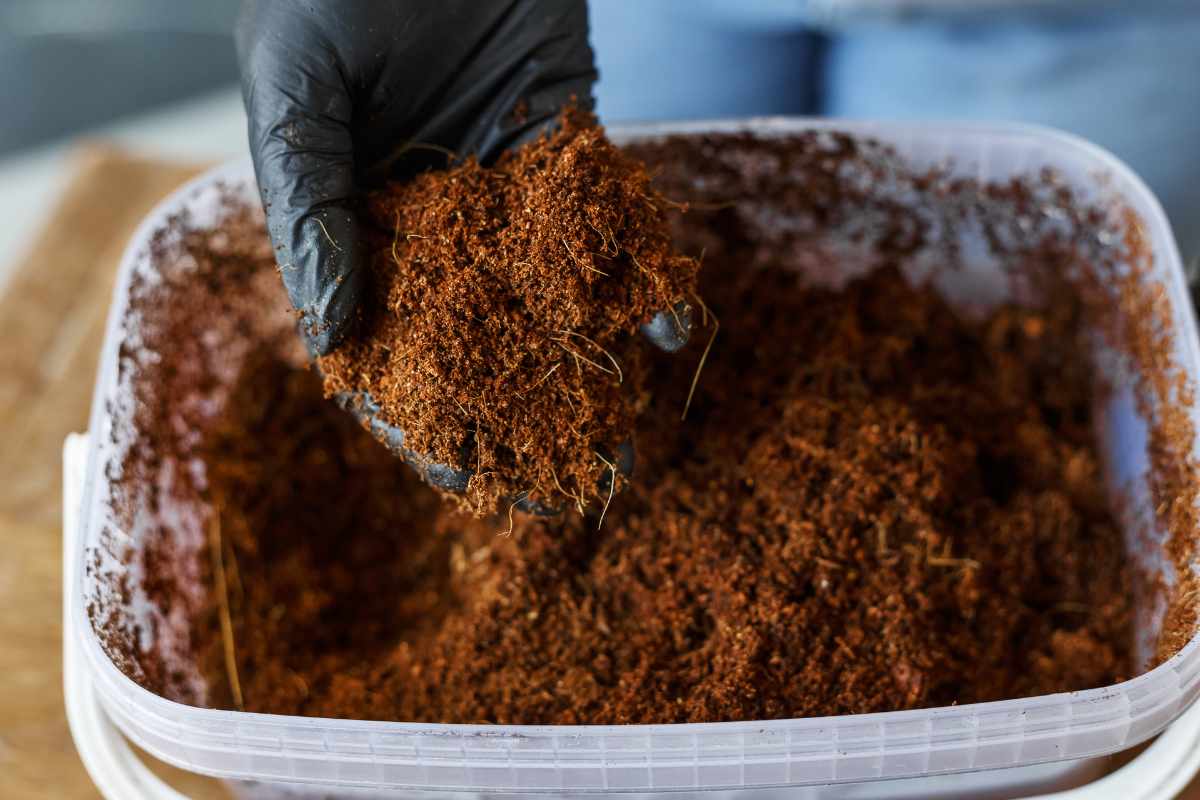
What to do instead: Use a special orchid potting mix made of bark, sphagnum moss, or coconut husk.
This allows air to reach the roots while retaining the right amount of moisture.
4. Don’t Expose Orchids to Direct Harsh Sunlight

Placing orchids on a sunny windowsill can lead to scorched leaves. While they need light, direct midday sun is too strong.
What to do instead: Place orchids in bright, indirect light.
East-facing windows are ideal. If you only have a south or west window, use a sheer curtain to filter the sun.
5. Don’t Ignore Humidity Needs
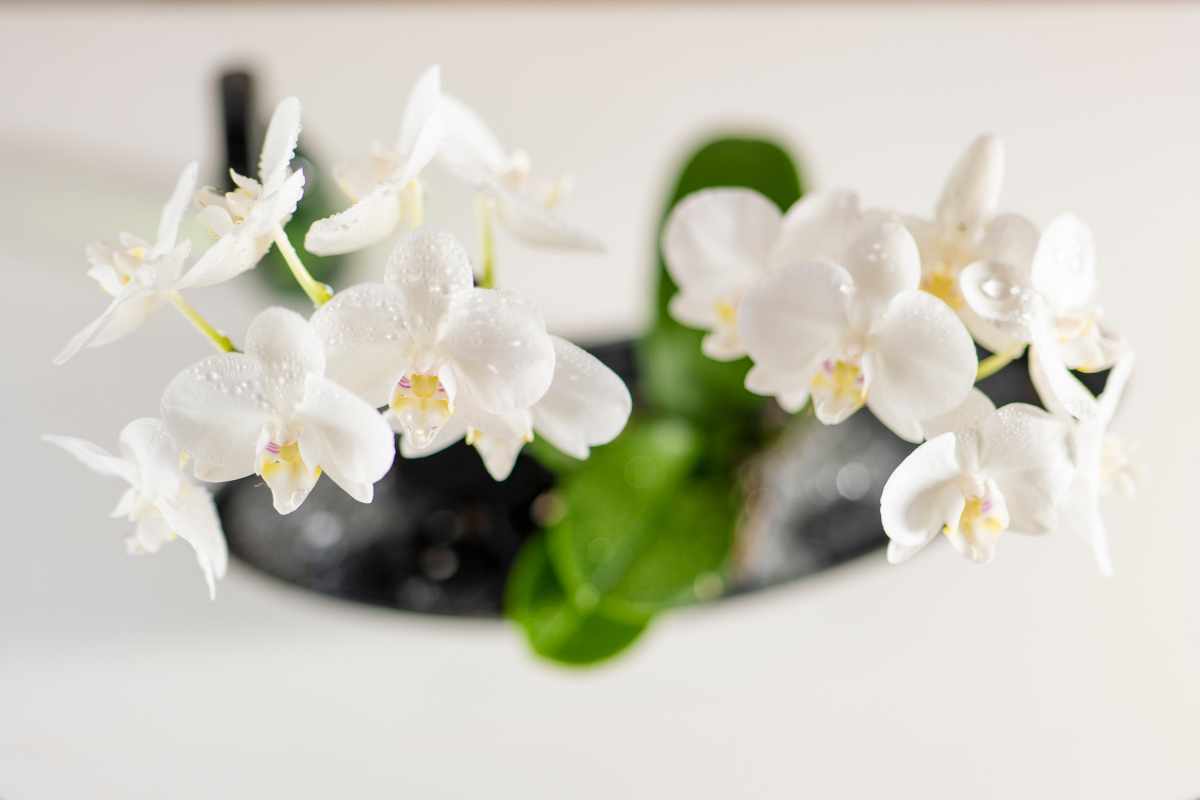
Orchids thrive in humid environments, and the average home can be too dry, especially during winter.
Low humidity leads to wrinkled leaves and poor flower production.
What to do instead: Increase humidity by placing a humidity tray under the pot, grouping orchids, or using a humidifier.
Aim for around 40–70% humidity, depending on the species.
6. Don’t Overfertilize
Some growers believe that more fertilizer equals more blooms, but too much can burn the roots and stunt growth.
What to do instead: Follow the rule: “weakly, weekly.”
Use a balanced orchid fertilizer at one-quarter strength every week during the growing season, and reduce feeding during rest periods.
7. Don’t Forget to Repot

Leaving an orchid in the same pot and medium for years can lead to compacted bark and unhealthy roots.
Old medium breaks down and holds too much moisture.
What to do instead: Repot orchids every one to two years. Choose a slightly larger pot if necessary, trim dead roots, and refresh the medium to encourage healthy growth.
8. Don’t Cut Off Healthy Roots

Orchid roots, especially aerial roots, may look unusual, but they are essential for the plant’s health. Cutting them weakens the orchid.
What to do instead: Leave healthy green or silvery roots intact.
Only remove roots that are mushy, brown, or clearly dead. Aerial roots can stay outside the pot—they help the plant absorb moisture from the air.
9. Don’t Expose Orchids to Extreme Temperatures
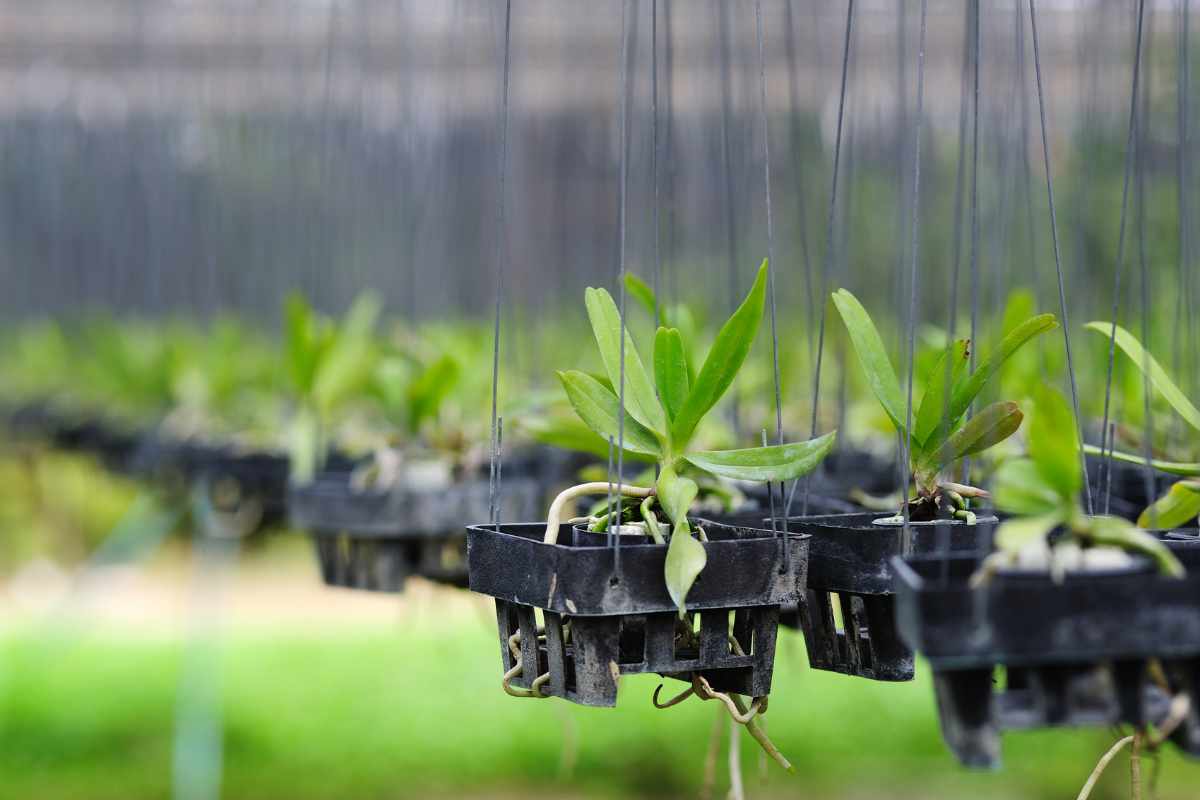
Orchids dislike sudden temperature changes. Drafty windows, heating vents, or leaving them outside on cold nights can shock the plant.
What to do instead: Keep orchids in a stable environment.
Most Phalaenopsis orchids prefer daytime temperatures of 70–85°F (21–29°C) and nighttime temperatures of 60–70°F (15–21°C).
10. Don’t Expect Blooms Without Rest
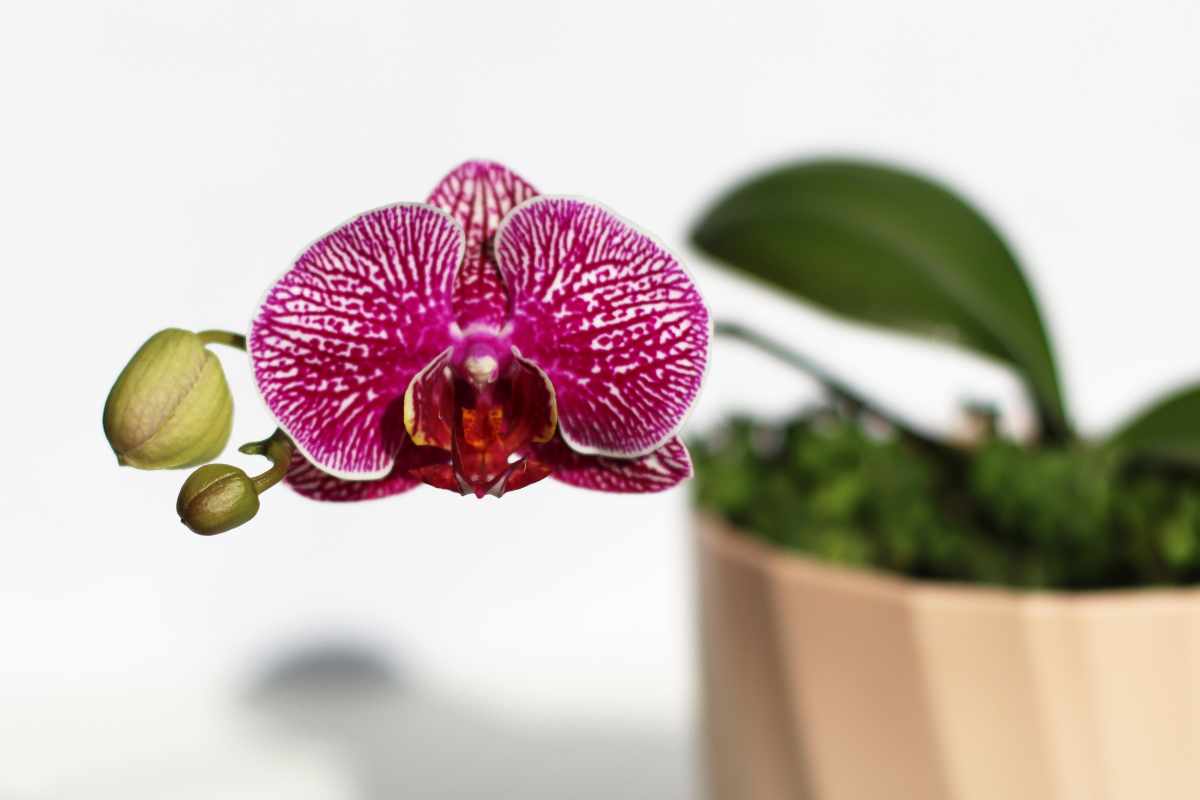
After blooming, orchids need time to rest and recover. Many beginners panic when flowers drop and assume the plant is dead.
What to do instead: Trim the flower spike if it turns brown, keep caring for the orchid as usual, and be patient. With proper care, most orchids will rebloom once or twice a year.
Growing Orchids Successfully
Avoiding these common orchid mistakes can make the difference between a struggling plant and one that thrives with vibrant blooms year after year.
Remember, orchids may have a reputation for being fussy, but most just require an understanding of their natural needs.
By providing the right balance of water, light, humidity, and care, your orchids will reward you with their breathtaking flowers.
Growing orchids is a journey, and even mistakes can be valuable lessons. The key is to observe your plant, adjust your care, and enjoy the process.
With time, you’ll discover that orchids are not just beautiful—they’re resilient companions that bring life and elegance to your home.
Enjoy The Video Tutorial

Source: MissOrchidGirl
Don’t forget to Subscribe to our Newsletter to receive amazing tips and tricks about Gardening and the FREE Ebook Green Living Strategies!
Did you find this post Useful or Inspiring? Save THIS PIN to your GARDENING Board on Pinterest! 😊

Once again, thank you for visiting our website!
We hope you've enjoyed exploring the content we've created for you.
Give yourself the chance to learn, get inspired, and have even more fun, keep browsing...
More Gardening Tips 👇🏼👇🏼