
The BEST Method to Propagate String of Hearts


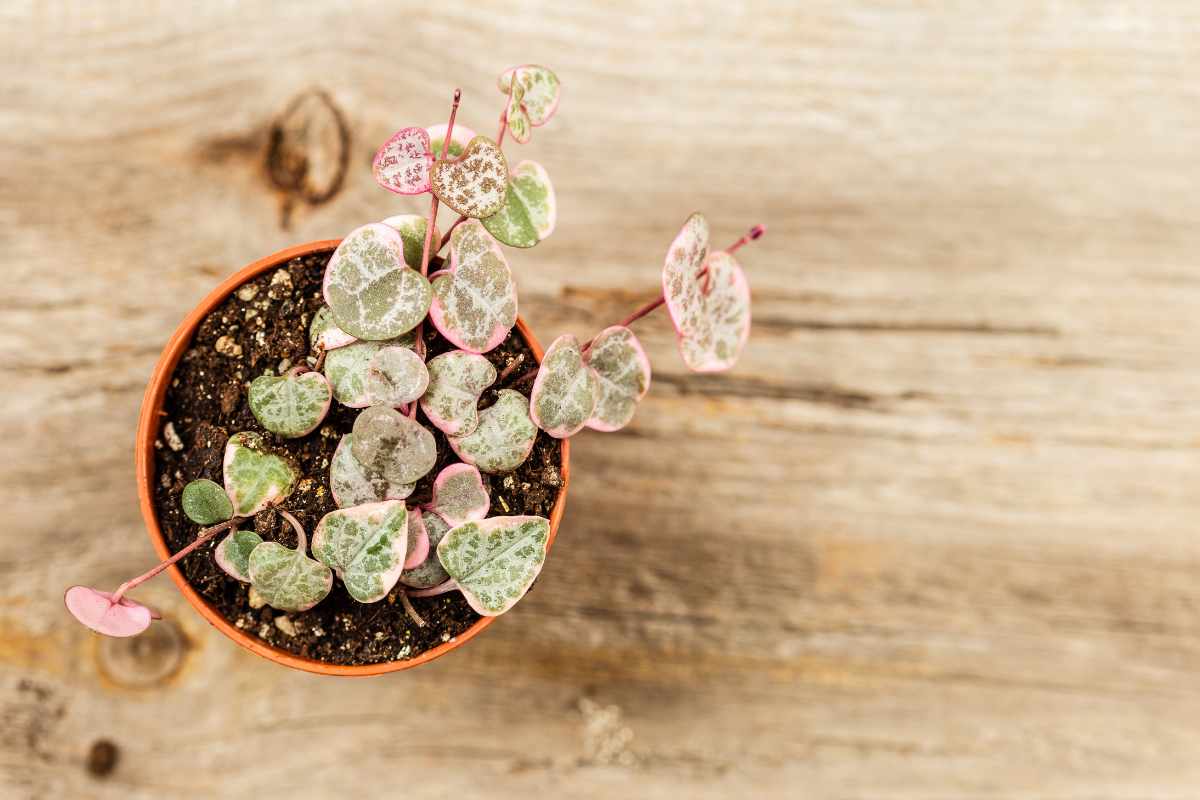
String of Hearts (Ceropegia woodii) is a beloved trailing succulent known for its delicate heart-shaped leaves and elegant vines.
With its unique, cascading growth pattern, it’s no wonder that this plant has become a favorite among plant enthusiasts.
Propagating String of Hearts allows you to expand your plant collection, share your beloved plant with friends, or even replace dying vines.
In this guide, we'll walk you through the best method for propagating your String of Hearts, so you can enjoy more of this stunning plant.
Why Propagate String of Hearts?

String of Hearts is easy to propagate and can be done using a variety of methods.
By learning how to propagate this plant, you ensure that your original plant thrives, and you get new plants without spending money.
Plus, it’s a rewarding process to see new roots and vines growing from your original plant!
While we’ll focus on the cutting method in this guide, there are other techniques, such as water propagation or tuber propagation.
Each method has its own benefits, but starting with cuttings is often the simplest and most effective way.
The Best Method for Propagating String of Hearts
1. Take a Healthy Cutting

To start the propagation process, select a healthy vine from your String of Hearts plant.
Ideally, you want a section that has at least two to three nodes, which are the small bumps on the stem where leaves grow.
Use a clean, sharp pair of scissors or pruning shears to make a clean cut just below a node.
Remove any excess leaves from the cutting, leaving a few leaves near the top.
2. Prepare the Cutting for Rooting
Once you've taken your cutting, it's time to prepare it for rooting. Here's how:
If you're propagating in soil, dip the cut end of the stem into rooting hormone. This is optional, but it can help stimulate faster root growth.
If you're propagating in water, leave the cutting in a glass of water, making sure the nodes are submerged but the leaves stay dry.
3. Place in a Suitable Environment
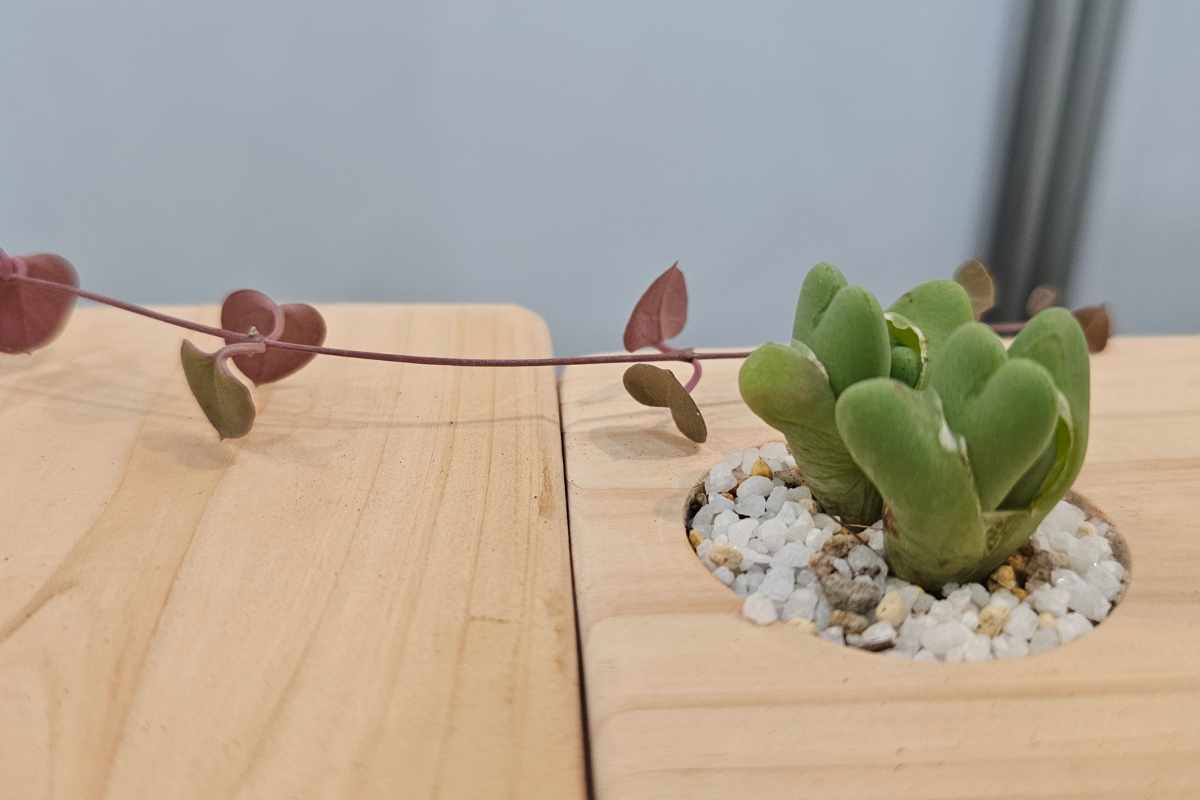
After preparing the cutting, it’s important to place it in an environment where it will thrive:
For soil propagation, place the cutting in a small pot with well-draining soil. Gently press the soil around the cutting to secure it in place.
For water propagation, place the glass in a bright spot but away from direct sunlight. Change the water every few days to keep it clean.
Keep the environment warm, ideally between 70°F and 80°F (21°C and 27°C), to encourage root growth.
4. Wait for Roots to Form
Patience is key in the propagation process. Whether propagating in water or soil, you should start to see roots form within two to three weeks.
In soil, you can gently tug on the cutting after a few weeks to see if it has rooted. If there’s resistance, roots have likely formed.
In water, you can see the roots growing through the glass. Once they’re about an inch long, it’s time to transfer the cutting to soil.
5. Transplant to Soil (If Propagated in Water)

Once your cutting has developed strong roots, it’s time to plant it in soil.
Choose a small pot with well-draining soil and place your rooted cutting inside.
Be sure to water the cutting thoroughly, but allow the top inch of soil to dry out before watering again.
Additional Tips for Successful Propagation
Troubleshooting Common Issues
- Mold Growth: Ensure proper air circulation and avoid overwatering, as stagnant moisture can lead to mold.
- Slow Rooting: Maintain consistent humidity and warmth. A small humidity dome or plastic bag over the cutting can help keep the environment humid and encourage root development.
- Leggy Growth: If your cutting isn’t growing well, it might be getting too much direct sunlight. Move it to a spot with indirect light.
Other Propagation Methods
While this cutting method is popular, some people prefer propagating String of Hearts using water or tuber propagation. Both methods have their advantages:
- Water Propagation: This method allows you to see the roots developing before planting the cutting in soil.
- Tuber Propagation: For a more advanced technique, you can propagate from the tubers that grow at the base of the plant.
Don’t forget to Subscribe to our Newsletter to receive amazing tips and tricks about Gardening and the FREE Ebook Green Living Strategies!
Did you find this post Useful or Inspiring? Save THIS PIN to your GARDENING Board on Pinterest! 😊

Once again, thank you for visiting our website!
We hope you've enjoyed exploring the content we've created for you.
Give yourself the chance to learn, get inspired, and have even more fun, keep browsing...
More Gardening Tips 👇🏼👇🏼