
Which Sarracenia Can Grow in a Windowsill?

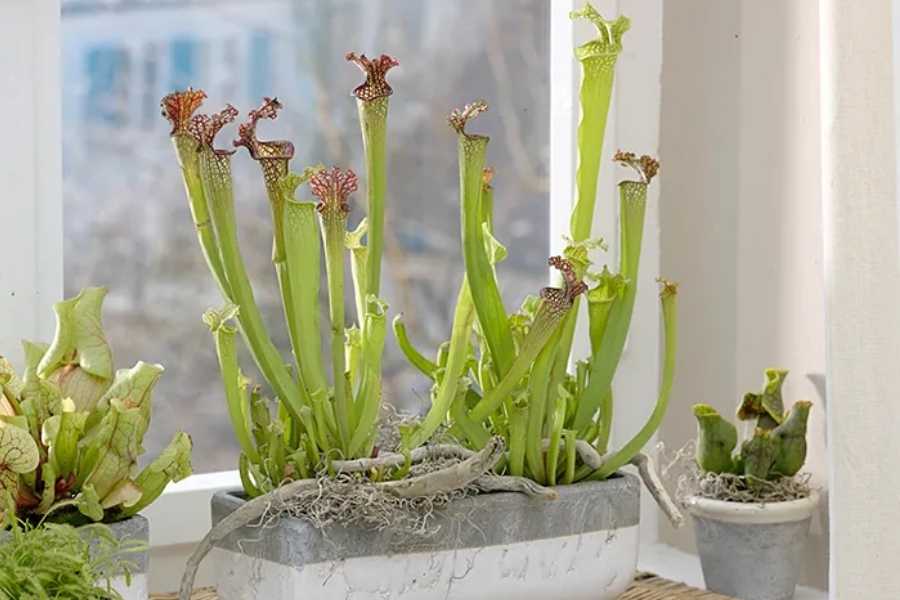
Sarracenia Windowsill growing is totally possible if you choose the right carnivorous plants and set realistic expectations for light, humidity, and dormancy.
In this video (by Sarracenia Northwest), you’ll see practical gardening advice for picking pitcher plant varieties that tolerate bright indoor edges and a sunny window sill without fussy gear.
What You’ll Learn From The Video
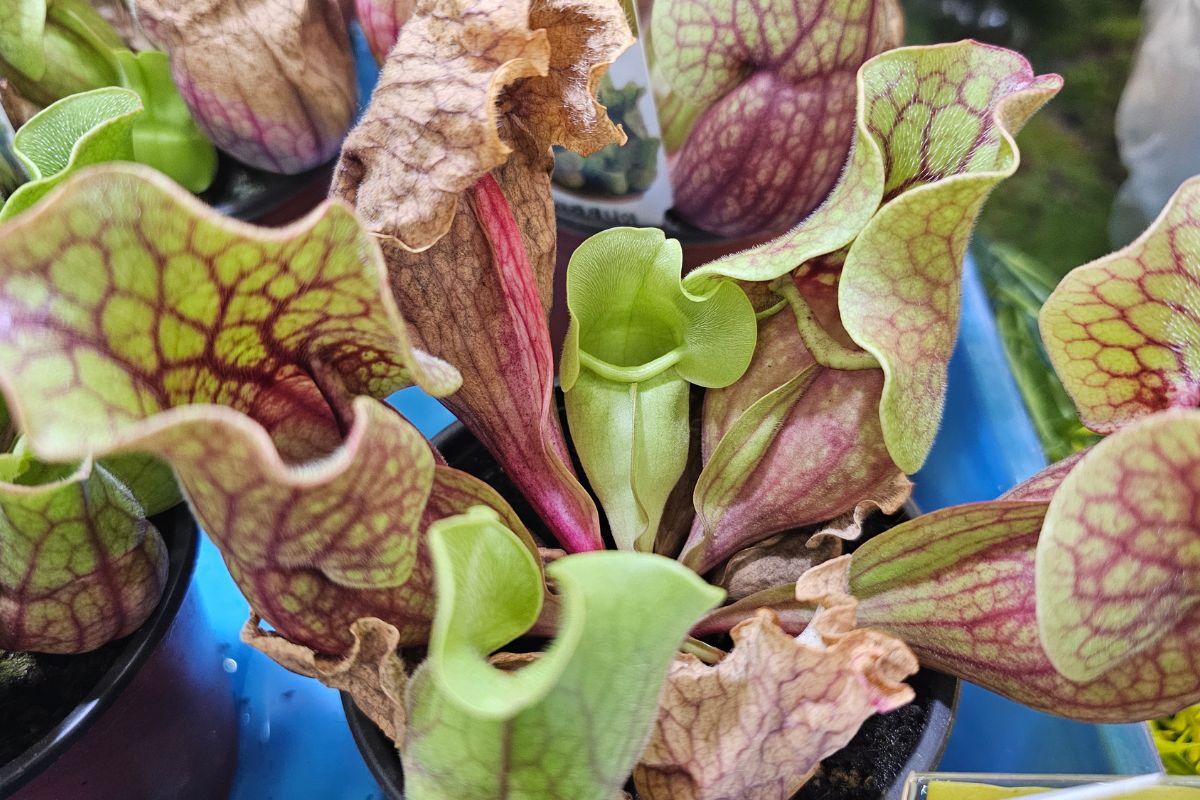 The presenter compares several carnivorous pitcher plant options and explains how to grow sarracenia successfully near a window pane.
You’ll see a close-up of carnivorous pitcher plants so you can judge size, color, and vigor before you buy.
They also address common plant problems when growing inside a house, such as weak growth, leggy pitchers, or pests.
If you’ve ever searched for a dramatic “man eating plant” look, the video resets expectations and keeps the focus on healthy growth and reliable species.
Finally, you’ll hear why some growers avoid a carnivorous plants terrarium for Sarracenia on a sill, and when it makes sense to step up to an outdoor sarracenia bog garden or a patio carnivorous bog planter.
Sarracenia Windowsill Winners (And Caveats)
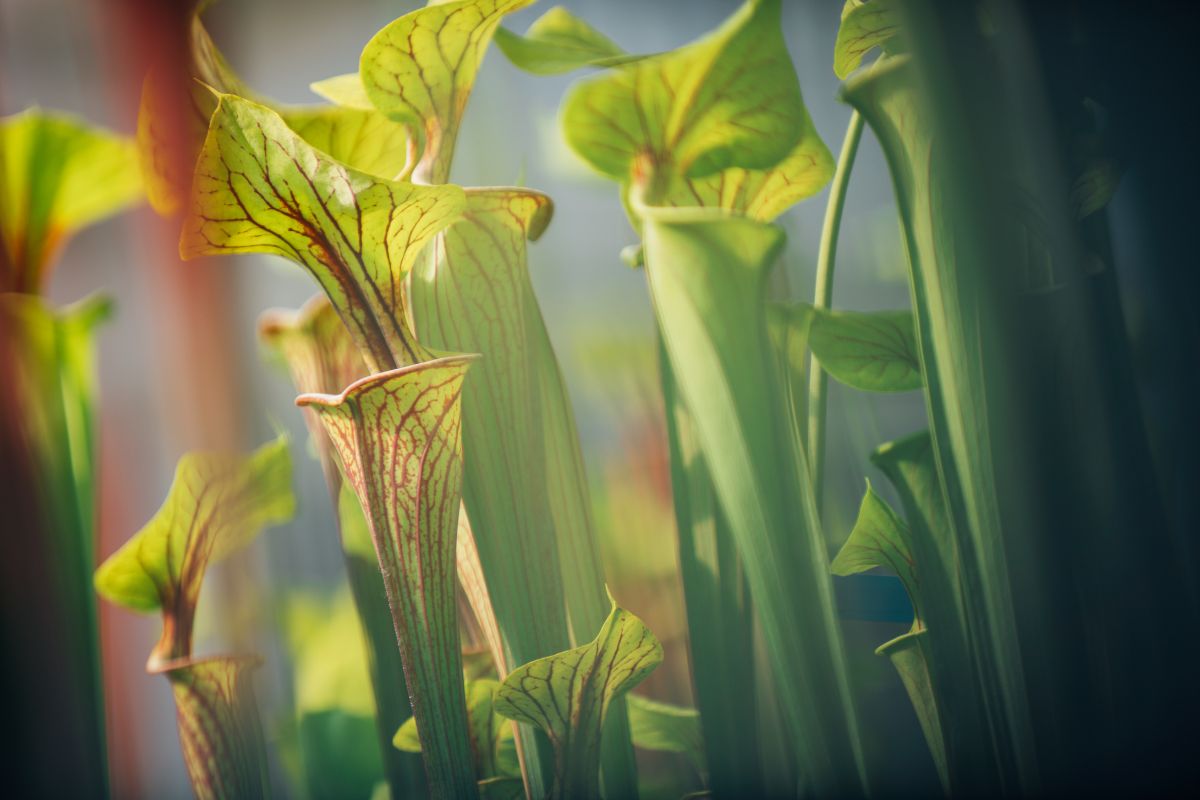 Compact species and hybrids tend to cope best. The classic purple pitcher plant (sarracenia purpurea) often handles bright indoor light, though it still prefers cool winters and big day–night swings.
If you can’t provide that, expect smaller pitchers than you’d see outdoors.
Eye-catching cultivars like sarracenia adrian slack, sarracenia caitrin claire, and the moody sarracenia black widow can be spectacular under high light, but remember these are insectivorous plant divas: the better the sun, the better the color.
On dim days you won’t get those “glowing carnivorous plants” colors you see in photos.
If you love tall, big plants, consider moving them outdoors seasonally or upgrading to a bright porch. Tall flavas (including sarracenia flava variegata) usually want more sky than a sill can offer.
Light, Water, And Space Near A Window Pane
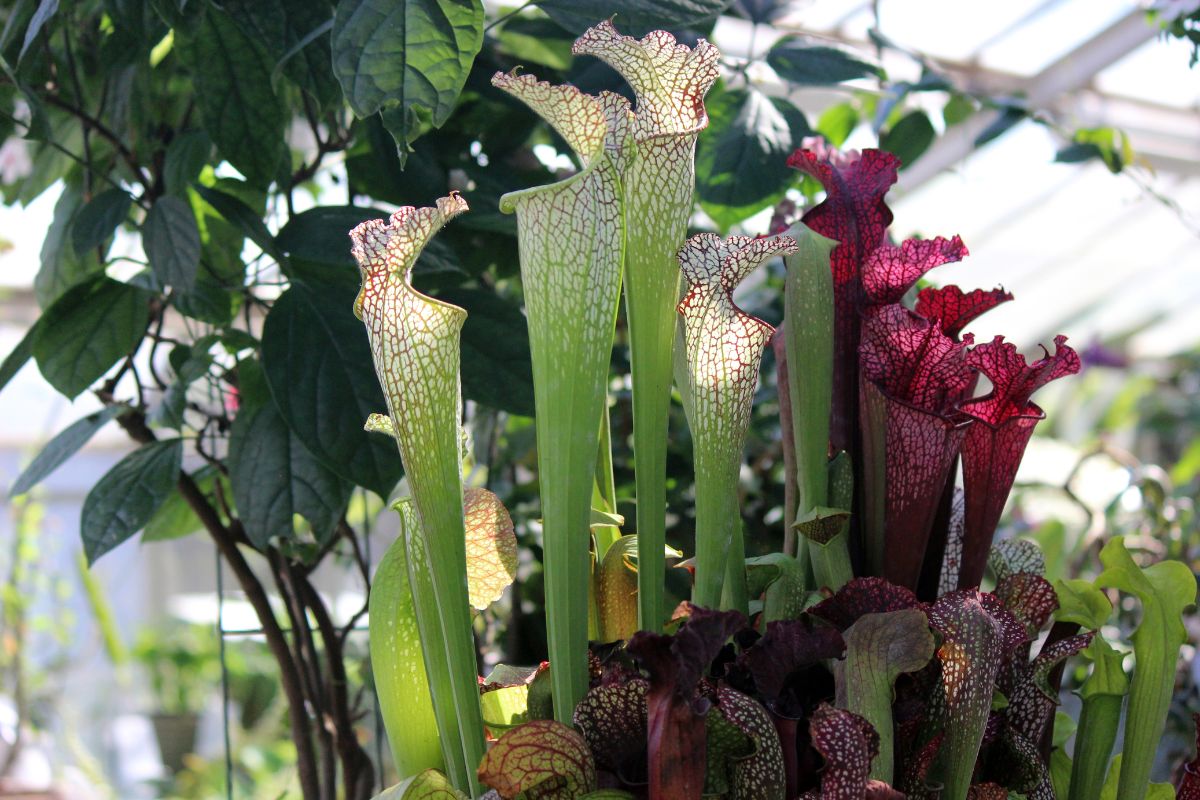 Think of a sill as a mini-greenhouse: intense light through glass, limited air flow, and fluctuating temperatures.
On a south-facing kitchen windowsill, Sarracenia can thrive if they get several hours of direct sun and rain-quality water (RO, distilled, or clean rain). Avoid tap water with minerals.
Use a deep pot with peat and perlite or sand—nothing fertilized. A shallow tray works for steady moisture, but let it dry to just damp between refills to prevent rot.
This mimics a small carnivorous plant bog without turning it into a swamp.
Rotate pots so the pitchers don’t lean, and keep leaves from pressing on the window pane during hot afternoons. If you really want that neon look of glowing carnivorous plants, supplement with a small LED grow bar during short winter days.
Dormancy And Seasonal Rhythm
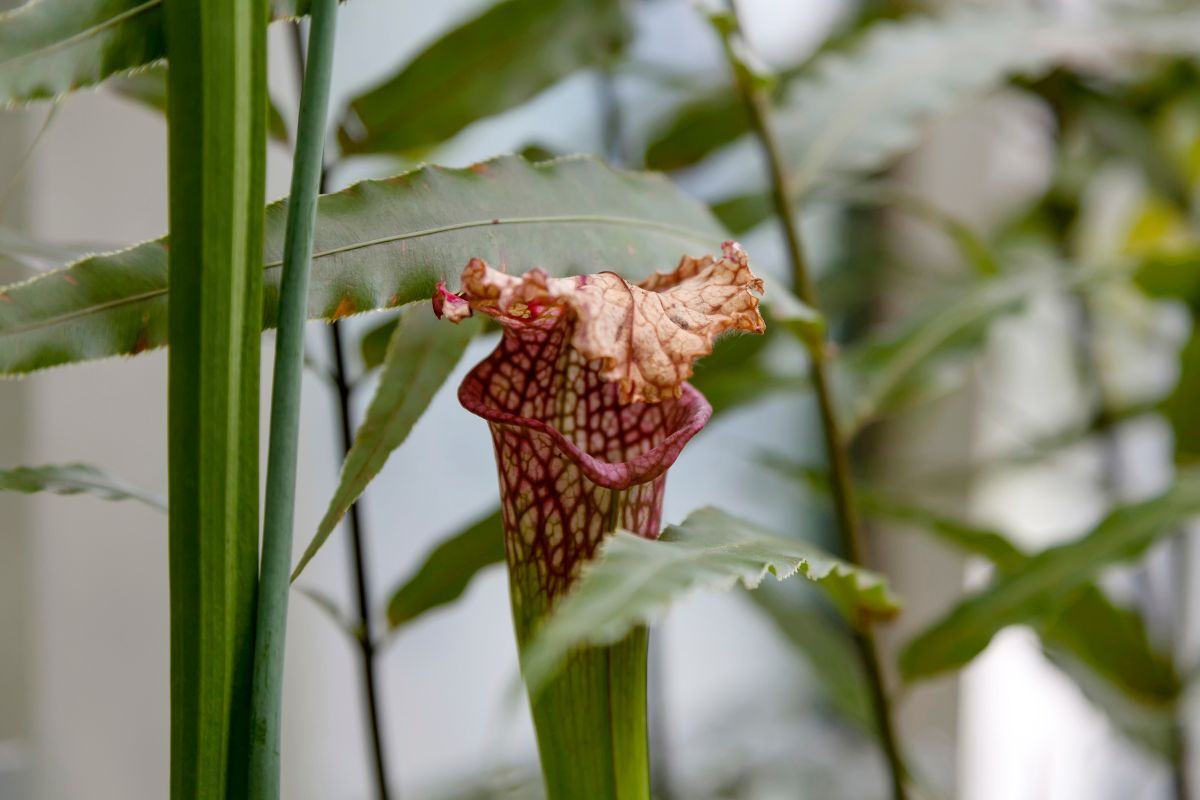 Even on a sill, Sarracenia need a cool rest. If winter sun and temperatures don’t dip naturally, move plants to a colder room or porch for a few months.
This pause keeps pitchers compact and colorful next year.
When spring returns, gradually reintroduce strong light to avoid scorch. This is also when many growers split clumps or start a balcony sarracenia bog garden while keeping a couple of favorites for the Sarracenia Windowsill display.
Choosing Plants: What The Video Highlights
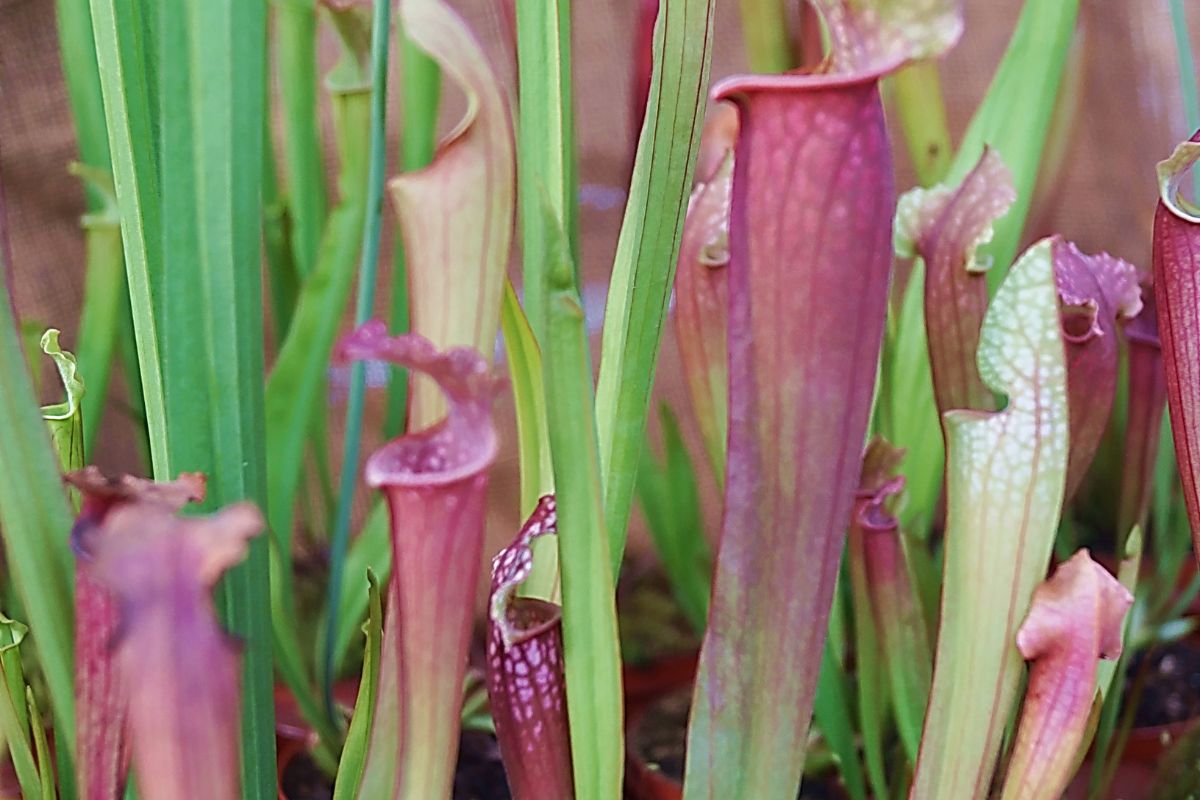 Sarracenia WindowsillThe video contrasts shorter forms like sarracenia purpurea with taller trumpet types. It’s a helpful reality check: a pitcher plant can survive indoors, but outdoor sun still wins for color and size.
That said, many hobbyists enjoy a single, well-lit pitcher plant in a bright office or living room.
For collectors, the piece offers a taste of specialty cultivars—sarracenia adrian slack, sarracenia caitrin claire, sarracenia black widow—so you can decide whether to keep them as showpieces indoors or shift them outside for peak performance.
Alternatives To A Terrarium
A sealed glass case looks cool but traps heat and can lead to fungus. The video suggests sticking to an airy sill instead of a carnivorous plants terrarium, or setting up a roomy carnivorous bog planter outdoors when space allows.
If you’re committed to indoor culture, aim for bright exposure, clean water, and patience. Over time you’ll learn how to grow sarracenia your way—on a desk, by a window sill, or right on that sun-splashed kitchen windowsill.
Enjoy This Video Tutorial About Carnivorous Plants

Source: Sarracenia Northwest
Don’t forget to Subscribe to our Newsletter to receive amazing tips and tricks about Gardening and the FREE Ebook Green Living Strategies!
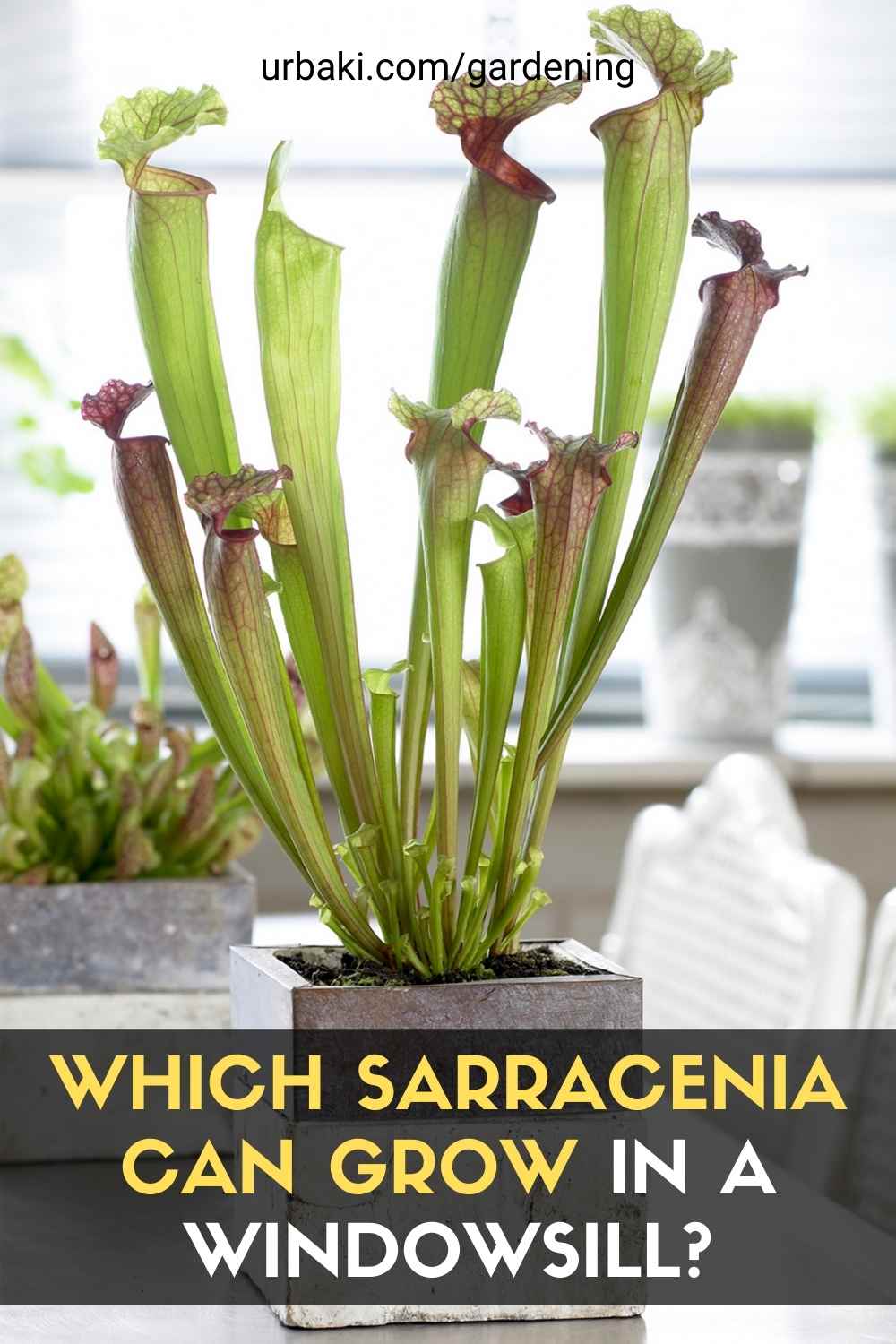
Did you find this post Useful or Inspiring? Save THIS PIN to your GARDENING Board on Pinterest! 😊
Once again, thank you for visiting our website!
We hope you've enjoyed exploring the content we've created for you.
Give yourself the chance to learn, get inspired, and have even more fun, keep browsing...
More Gardening Tips 👇🏼👇🏼