
Avoid This Type of Pot for Your Carnivorous Plants!


Choosing the right pot is essential for keeping your carnivorous plants healthy and thriving.
The type of container you use plays a key role in how well your plants grow, how their roots develop, and how long they stay healthy.
In this guide, you’ll learn why pots without drainage can be harmful, how excess water affects root health, and which containers create the ideal balance of moisture and airflow.
Discover the best potting method to support long-term growth and keep your plants looking their best.
Why Undrained Pots Can Be Risky
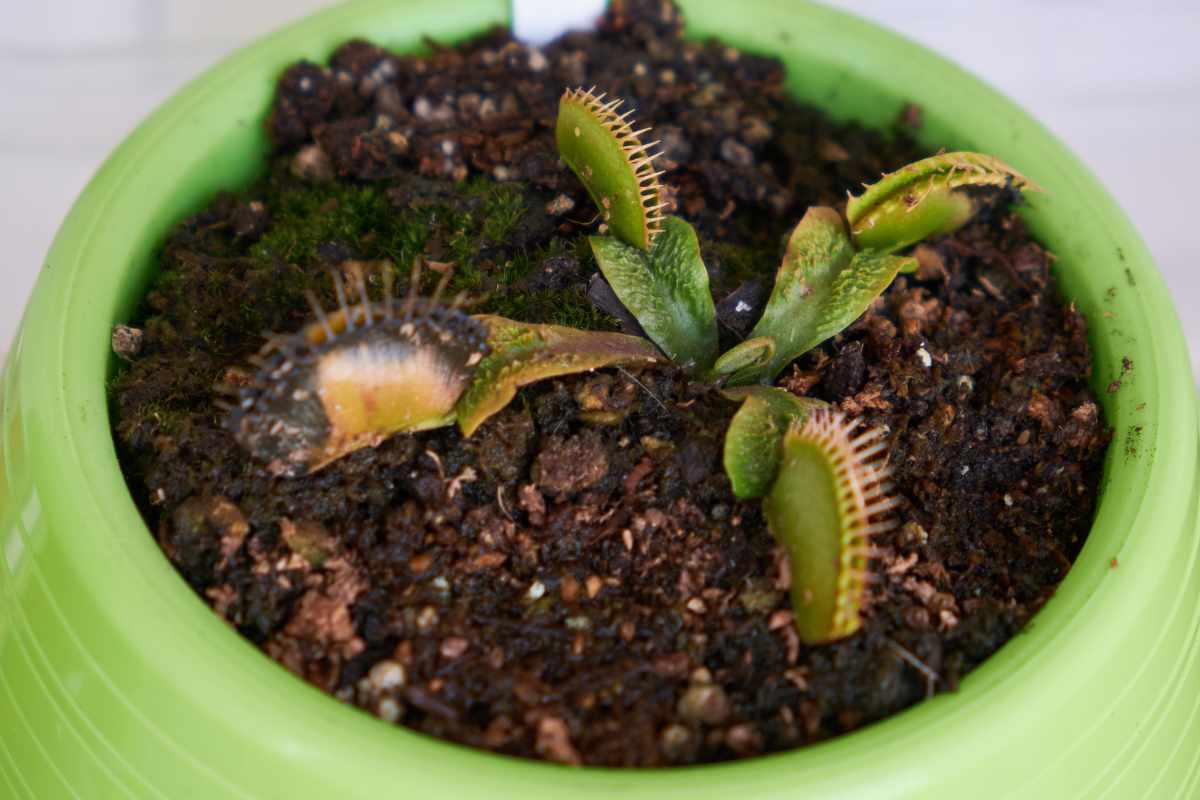
While undrained pots or terrariums might seem like attractive options, they can cause more harm than good—especially for beginners.
These containers often retain excess moisture, increasing the risk of root rot, fungal growth, and mineral buildup in the soil.
Carnivorous plants such as Venus flytraps, sundews, and pitcher plants naturally grow in environments where water moves freely through the soil.
Without drainage, water stagnates at the bottom of the pot, depriving the roots of oxygen and creating an unhealthy, airless environment.
Because of this, undrained pots can be difficult to manage properly, even for experienced growers.
Maintaining the right balance of moisture and airflow becomes a constant challenge, and your plant may begin to weaken without clear warning signs.
The Water Tray Method: A Safer Alternative
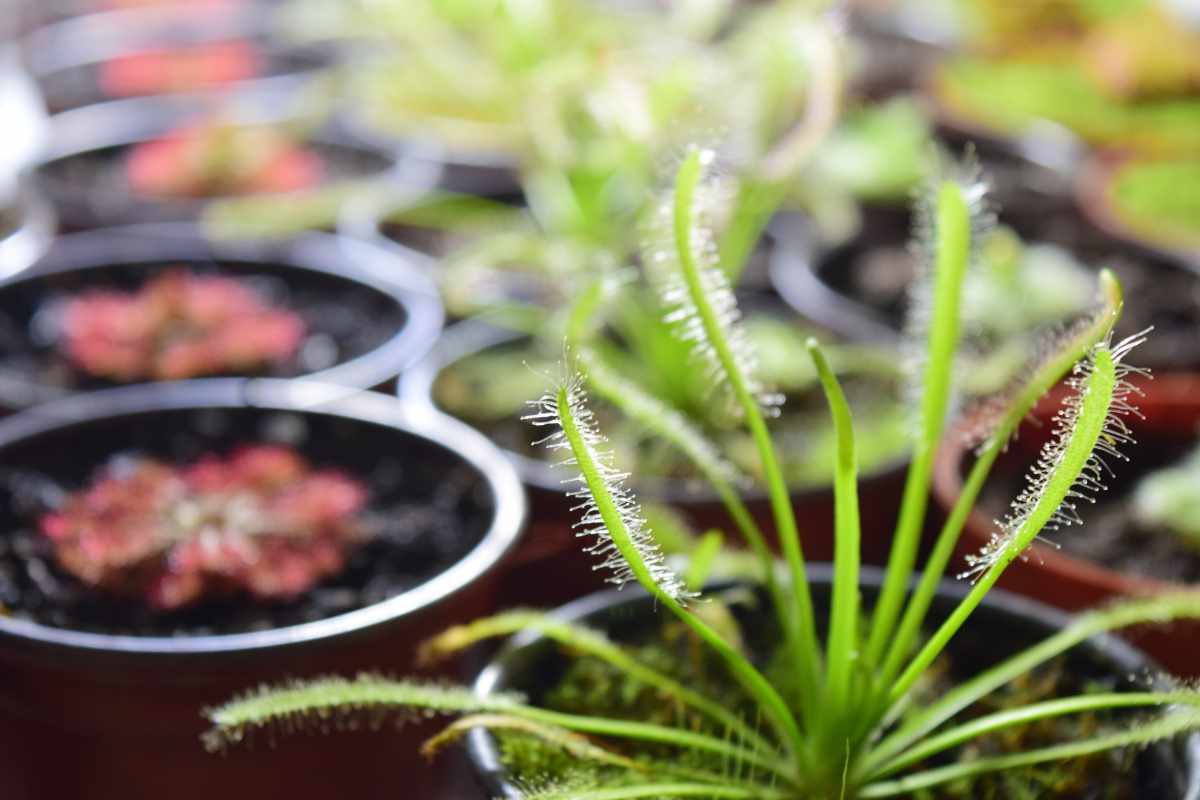
To promote healthy growth and strong root systems, the water tray method is one of the most reliable techniques for carnivorous plant care.
This approach allows your plant to absorb water from the bottom, keeping the soil evenly moist without becoming waterlogged.
How to Use the Water Tray Method
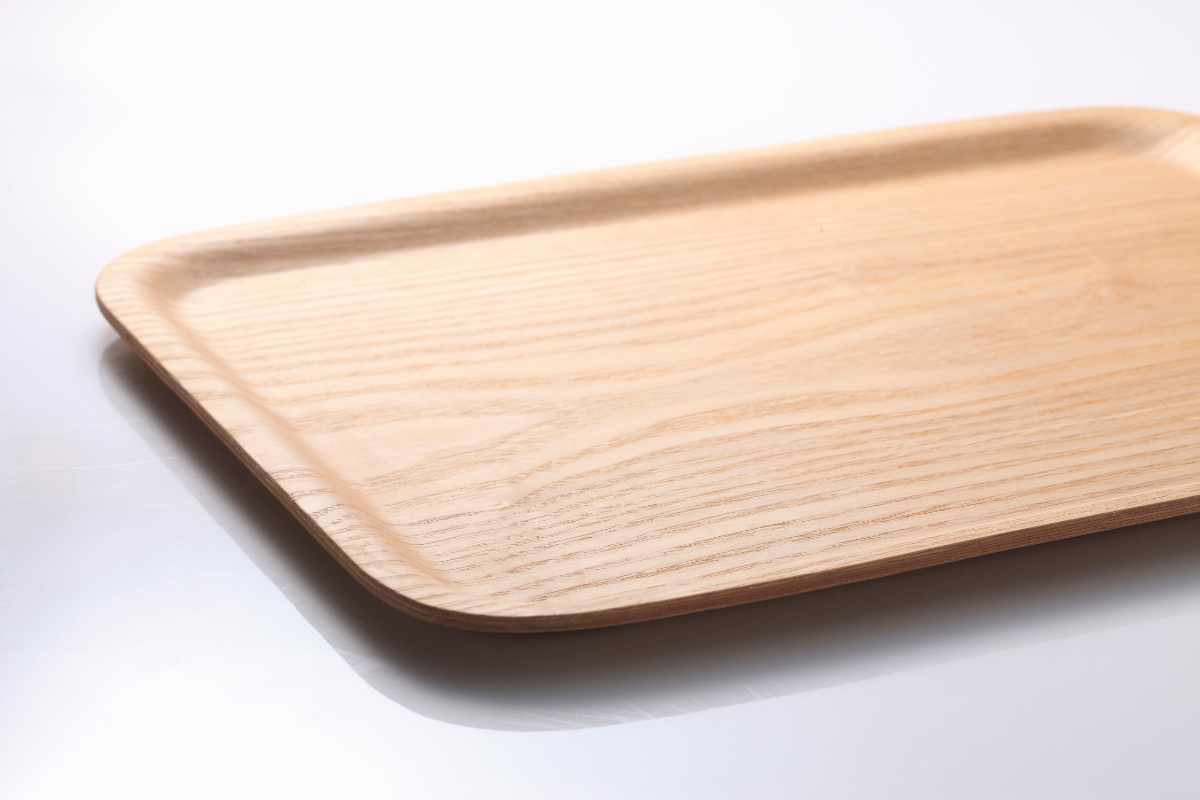
Choose a pot with at least one drainage hole.
Place it on a tray or shallow dish filled with about 1–2 inches of distilled or rainwater.
Let the plant absorb water naturally through the drainage holes.
Refill the tray whenever the water level drops, especially during warm months.
In winter, reduce watering slightly to prevent excessive moisture when growth slows down.
This method creates a stable and natural level of humidity, closely resembling the plant’s native habitat.
It’s simple to maintain and helps prevent common problems like overwatering or stagnant soil.
Recommended Pot Types
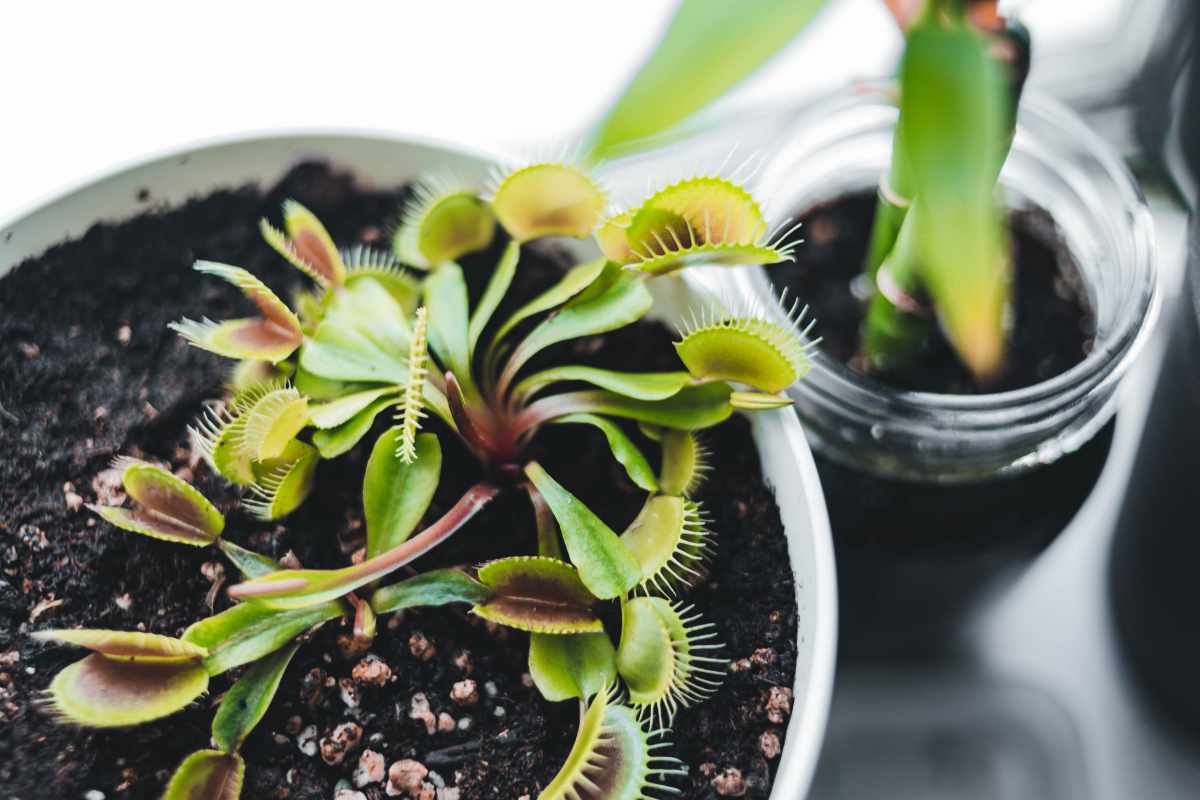
When choosing the right container for your carnivorous plants, consider these options:
Plastic pots with drainage holes: Lightweight, inexpensive, and effective for retaining moisture without overheating the roots.
Glazed ceramic pots (with drainage): Help regulate temperature and keep humidity stable.
Plastic mesh pots: Ideal for species like Sarracenia or Drosera that require extra airflow around their roots.
Avoid terracotta or metal pots, as they can leach minerals or alter the soil’s pH, both of which are harmful to carnivorous plants.
Enjoy this Video Tutorial

Source: Sarracenia Northwest
Don’t forget to Subscribe to our Newsletter to receive amazing tips and tricks about Gardening and the FREE Ebook Green Living Strategies!
Did you find this post Useful or Inspiring? Save THIS PIN to your GARDENING Board on Pinterest! 😊

Once again, thank you for visiting our website!
We hope you've enjoyed exploring the content we've created for you.
Give yourself the chance to learn, get inspired, and have even more fun, keep browsing...
More Gardening Tips 👇🏼👇🏼