
Best Fertilizer for Orchids to Bloom


Orchids are stunning plants, but getting them to bloom can sometimes feel tricky.
Many gardeners turn to home remedies like banana peels to boost flowering, and while they do contain useful nutrients, they aren’t a complete solution.
For consistent, healthy blooms, orchids need a balanced approach that combines the right fertilizer, proper care, and patience.
Why Fertilizer Matters for Orchids
Unlike many houseplants, orchids often grow in bark, sphagnum moss, or special mixes that don’t naturally hold nutrients.

This means fertilization is key to keeping them strong and encouraging blooms.
Without it, orchids may grow leaves and roots but fail to produce flowers.
Banana Peels and Orchids: Benefits and Limitations
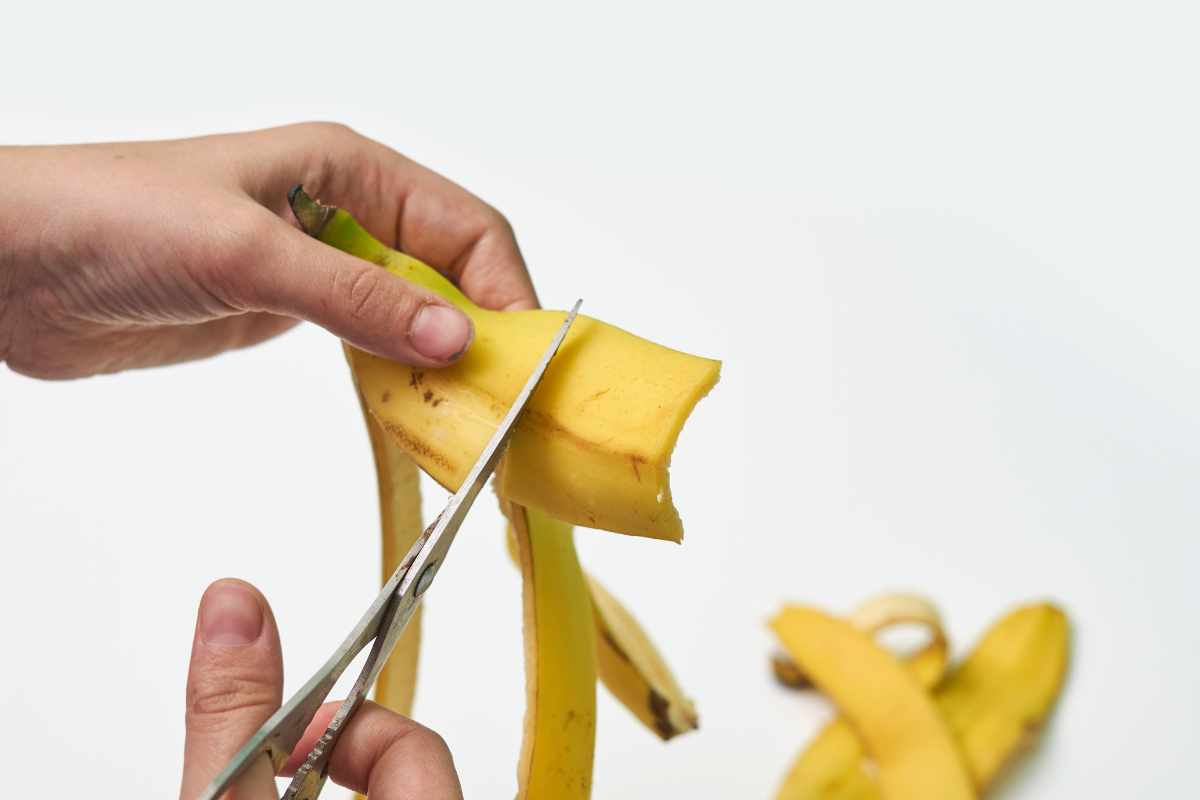
Banana peels are popular because they’re natural and packed with potassium and trace minerals that support blooming.
When prepared as a banana peel tea or added to compost, they can help orchids develop strong flower spikes.
However, there are important limitations:
Nutrient release is slow and inconsistent.
Fresh peels placed directly in pots may attract pests.
They don’t provide enough nitrogen or phosphorus, which orchids also need.
The best way to use banana peels is to compost them first or make a diluted tea, rather than burying them in your orchid’s pot.
Best Fertilizer Options for Orchids to Bloom
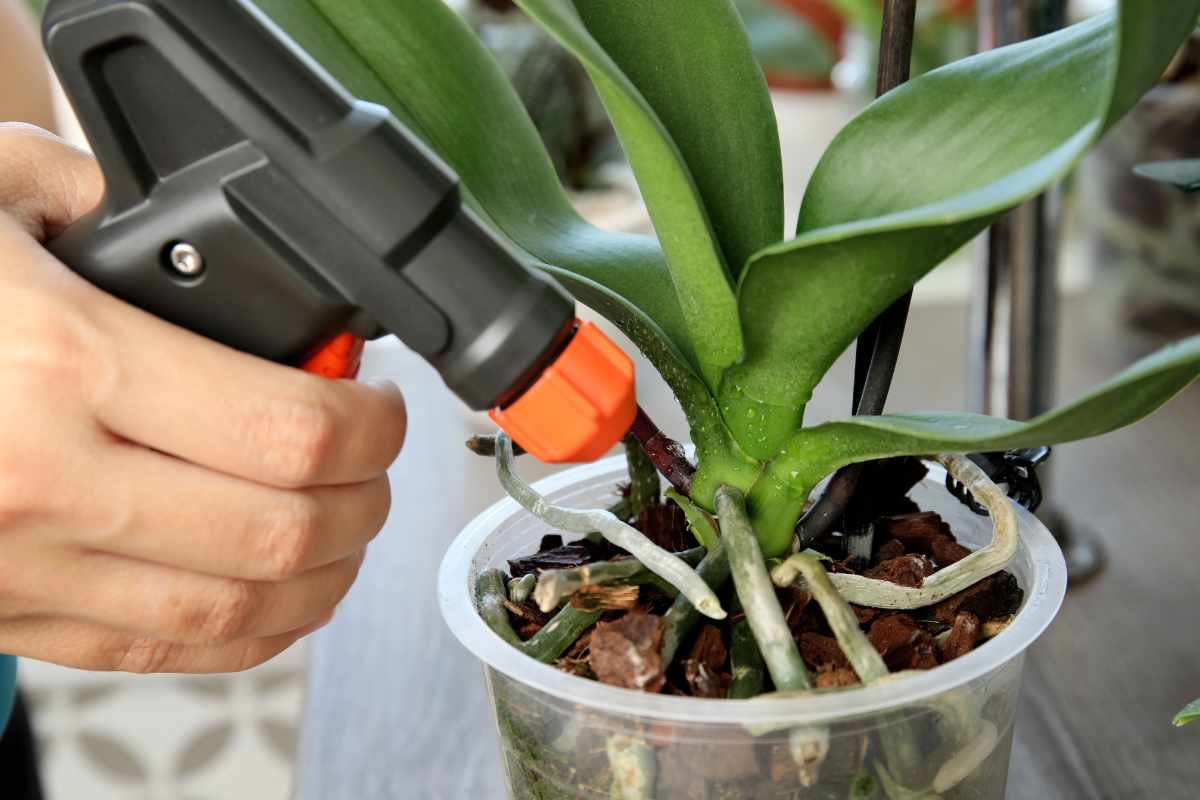
For reliable results, most growers recommend combining natural methods with commercial orchid fertilizers. Here are the top choices:
Balanced Orchid Fertilizers (NPK 20-20-20 or similar)
Great for overall growth. Use at ¼ to ½ strength of the label recommendation.
Bloom-Boosting Fertilizers (higher phosphorus, e.g., 10-30-20)
Best used when orchids are in their flowering phase to encourage bigger, longer-lasting blooms.
Urea-Free Formulas
Easier for orchids to absorb since their roots don’t process urea-based nitrogen efficiently.
The “Weakly, Weekly” Rule

One of the most trusted methods among orchid experts is to fertilize regularly but lightly. Instead of giving orchids a full-strength dose once a month, provide a diluted solution every week.
This prevents nutrient burn while keeping a steady supply of food.
Don’t forget to flush the potting mix with plain water once a month to wash out salt buildup.
How Potting Media Affects Fertilization

Bark-based mixes: Break down faster and may require more frequent fertilizing.
Sphagnum moss: Retains moisture and nutrients, so fertilize less often.
Specialty orchid mixes: Adjust based on drainage and how quickly they dry out.
Always monitor your orchid’s leaves and roots—they’ll show signs of stress if you’re under- or over-fertilizing.
Practical Tips for Fertilizing Orchids
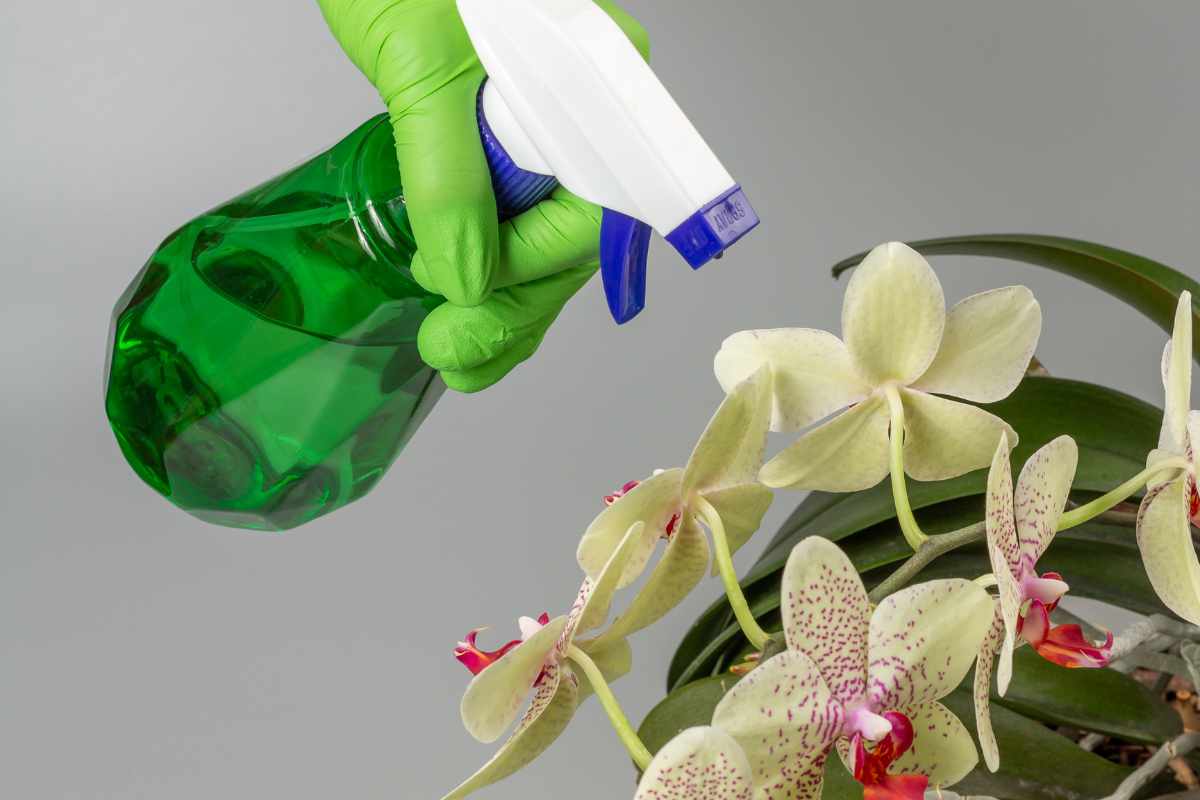
Fertilize more during the growing season (spring and summer).
Reduce or pause feeding when the orchid is resting after a bloom.
Always water orchids before applying fertilizer to prevent root burn.
Use room-temperature water when mixing fertilizers.
Helping Orchids Bloom Successfully
The secret to blooming orchids isn’t one single trick—it’s consistency.
Banana peels can play a small role, but the real results come from using a balanced orchid fertilizer, following the weakly, weekly method, and adjusting based on your orchid’s growth stage and potting medium.
With the right care, your orchids will reward you with vibrant, lasting blooms.
Enjoy This Video Tutorial
Source: iKnow
Did you find this post Useful or Inspiring? Save THIS PIN to your GARDENING Board on Pinterest! 😊

Once again, thank you for visiting our website!
We hope you've enjoyed exploring the content we've created for you.
Give yourself the chance to learn, get inspired, and have even more fun, keep browsing...
More Gardening Tips 👇🏼👇🏼