
- Urbaki Gardening
- Plants
- Planting Succulent
- Care Guide for String of Dolphins Succulents
Care Guide for String of Dolphins Succulents
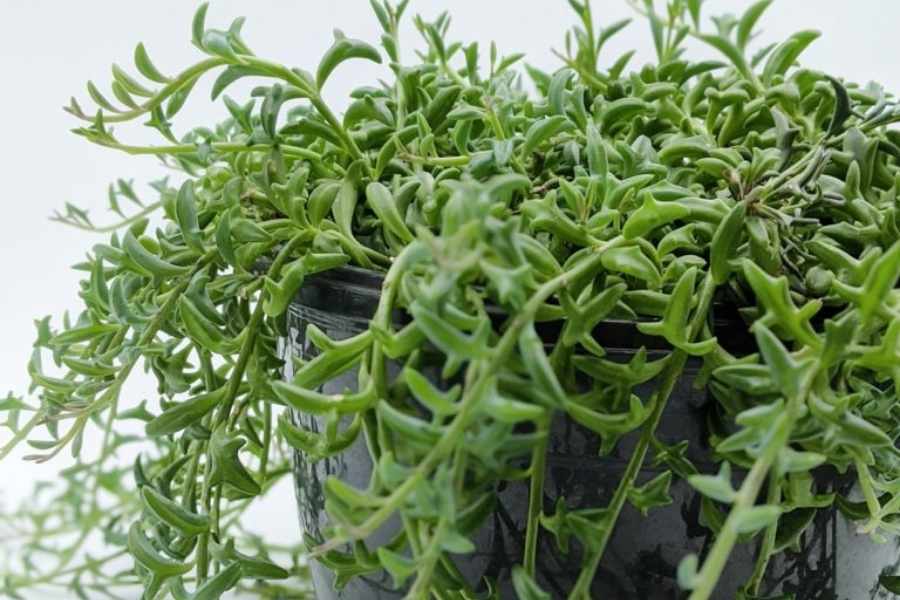
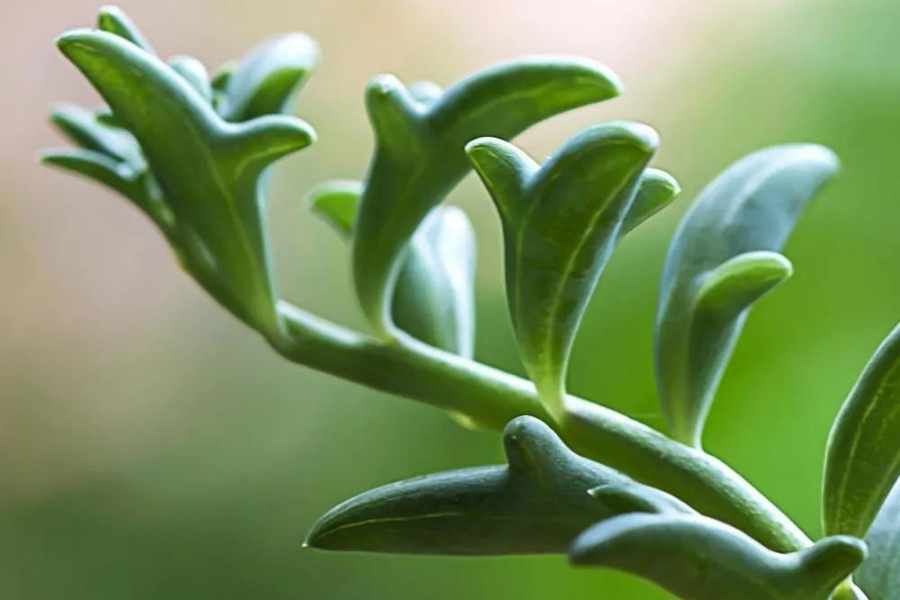
The String of Dolphins (Senecio peregrinus) is a whimsical and unique succulent with leaves that look like tiny dolphins leaping along its long, drooping stems.
A hybrid of the pearl necklace (Senecio rowleyanus) and candle plant (Senecio articulatus), this plant belongs to the Asteraceae family and is grown mainly for its fascinating foliage rather than its modest blooms.
String of Dolphins thrives indoors, especially in hanging baskets where its trailing tendrils can shine. Although it’s a resilient succulent, it requires specific care to maintain its dolphin-shaped leaves and overall health. Here’s a guide to help your String of Dolphins flourish.
Master the Art of Succulent Care – Discover the Best Books on Succulents!


Light
Bright, indirect sunlight is essential for String of Dolphins to grow healthily. When grown indoors, placing it in a sunny window that receives around six hours of light per day is ideal.
A south-facing window works best, although it can adapt to other light conditions with the help of grow lights if necessary. Outdoors, it’s important to shield the plant from harsh direct sunlight to prevent leaf burn.
Soil
Like most succulents, well-draining soil is key for String of Dolphins. A cactus or succulent soil mix works well, but you can also make your own by combining 2 parts potting soil, 1 part pumice or perlite, and 1 part sand.
This combination ensures that water drains quickly, preventing root rot—a common issue for succulents in poor-draining soil.
Watering
String of Dolphins is drought-tolerant thanks to its thick, water-retaining leaves. Allow the soil to dry out completely between waterings to prevent overwatering.
A good soak every few weeks is usually sufficient, with reduced watering during fall and winter when the plant goes dormant. Ensuring that the plant’s roots aren’t left in soggy soil is essential for preventing rot and maintaining healthy growth.
Temperature and Humidity
This succulent prefers typical indoor temperatures and moderate humidity levels.
Although it’s not frost-tolerant, String of Dolphins can withstand cooler temperatures than most succulents, tolerating winter lows down to 40°F (4°C). For those in colder climates, it can be safely placed near cooler windows without risk, unlike more sensitive succulents.
Fertilizing
Frequent fertilization isn’t necessary for String of Dolphins, as over-fertilizing can cause the leaves to lose their characteristic dolphin shape.
A light feeding in early spring with organic fertilizers—such as worm compost, liquid seaweed, or fish emulsion—can promote growth and potential flowering. Avoid high-nitrogen fertilizers, as they can overstimulate growth and alter the plant’s iconic shape.
Potting and Repotting
String of Dolphins adapts well to being slightly root-bound, which can even encourage blooming. Repotting every few years is enough to refresh the soil and allow the plant a bit more space.
When repotting, choose a pot one size larger and ensure it has adequate drainage holes to prevent root rot. Terra cotta pots are preferred by many gardeners for this succulent, as they help absorb excess moisture from the soil.
Unique Qualities and Uses
With its iconic dolphin-shaped leaves and versatile growing style, String of Dolphins makes a fantastic addition to hanging baskets, vertical gardens, or even trellises.
This plant can also be propagated easily, allowing you to share cuttings with friends or expand your collection.
Final Thoughts
Caring for String of Dolphins is generally straightforward, making it a great choice for both beginners and experienced plant enthusiasts.
With the right light, soil, and watering practices, this charming succulent will thrive, bringing a touch of beachy vibes and playful charm to your indoor or outdoor space. Embrace the unique beauty of String of Dolphins, and watch it grow into a lush display of adorable “leaping dolphins”!
We Hope You Enjoy this Video

Source: Erika Lodes
Did you find this post Useful or Inspiring? Save THIS PIN to your GARDENING Board on Pinterest! 

Last update on 2025-12-30 / Affiliate links / Images from Amazon Product Advertising API

More Gardening Tips 👇🏼👇🏼