
Caring for the Butterwort (Pinguicula Moranensis)

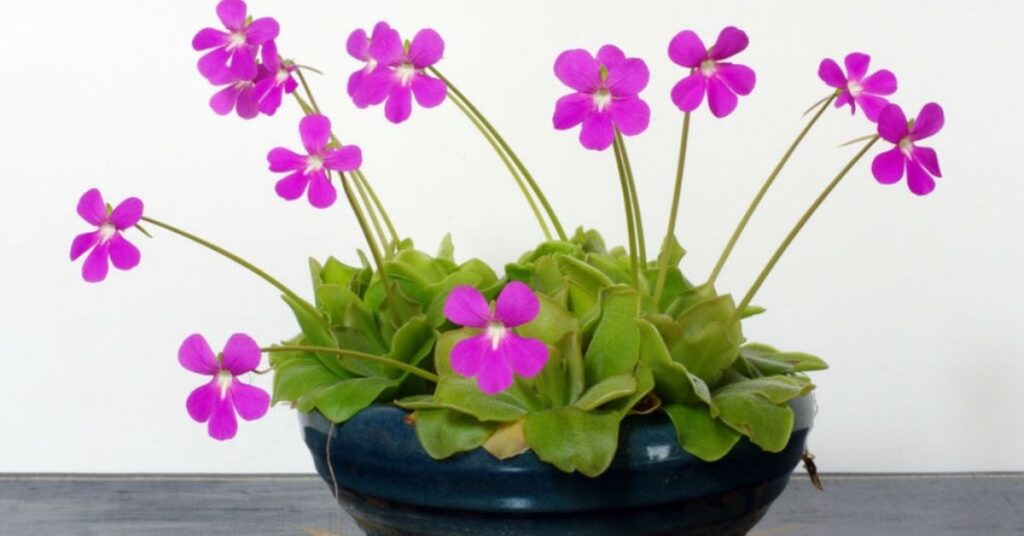
The Butterwort (Pinguicula moranensis) is one of the most fascinating carnivorous plants you can grow at home.
Native to Mexico and Central America, this plant has adapted to catch small insects with its sticky leaves, making it both ornamental and functional.
If you’ve been wondering how to keep your Pinguicula healthy year-round, this guide will cover everything from light and watering to soil, dormancy, and common issues.
Getting to Know Pinguicula moranensis
Pinguicula moranensis belongs to the genus Pinguicula, commonly known as butterworts. These plants thrive in limestone-rich regions, often growing on cliffs, mossy rocks, or moist forest floors.
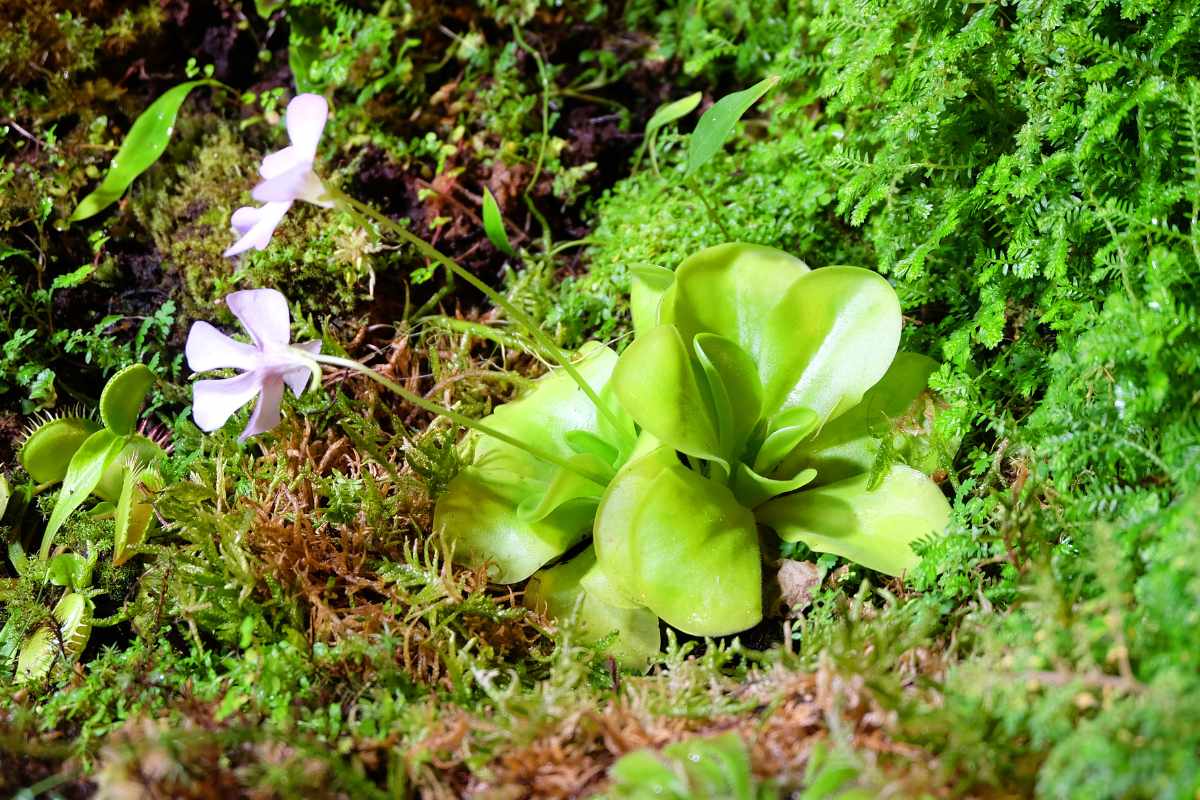
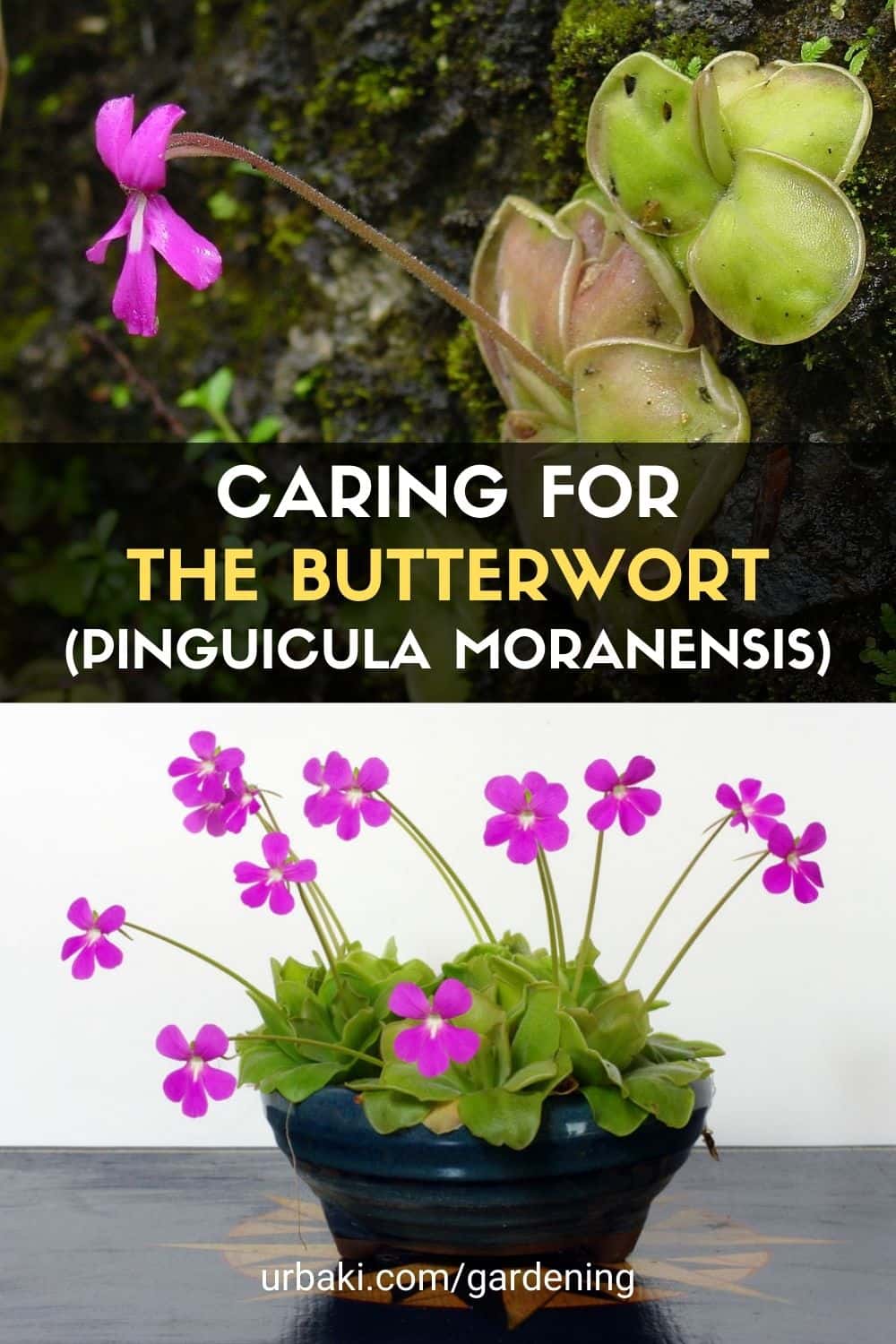
Unlike other carnivorous plants that rely on complex traps, Pinguicula catches prey with its flat, gland-covered leaves that secrete a sticky substance to lure insects.
Aside from their unique feeding method, they produce delicate, colorful flowers—usually pink, purple, or violet—that make them highly attractive houseplants.
Light Requirements
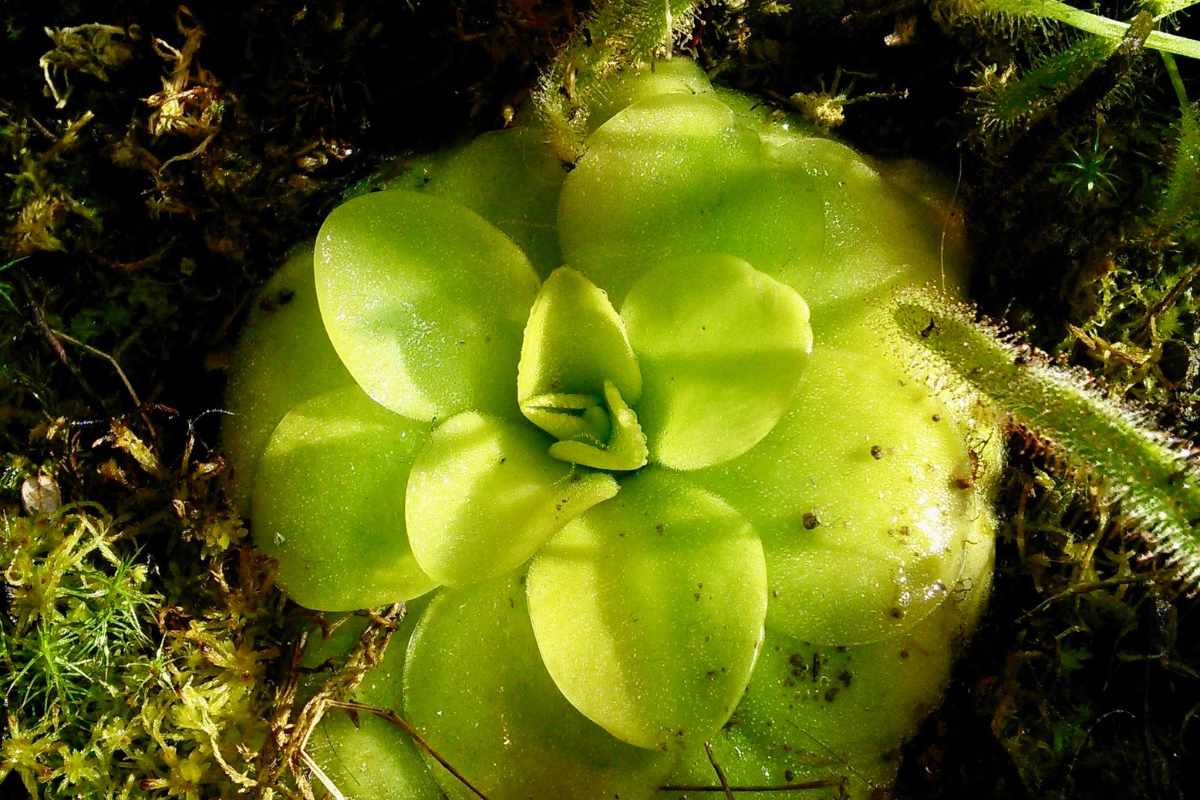
Butterworts prefer bright, indirect light.
In their natural habitat, they grow under partial shade from rocks or nearby vegetation, so exposing them to harsh, direct sunlight for long periods may burn their leaves.
Indoors: Place near an east- or south-facing window with filtered light.
Outdoors: They do well in partial shade but should be protected from scorching midday sun.
Artificial light: If natural light is insufficient, grow lights (12–14 hours per day) can be an excellent alternative.
Temperature and Humidity
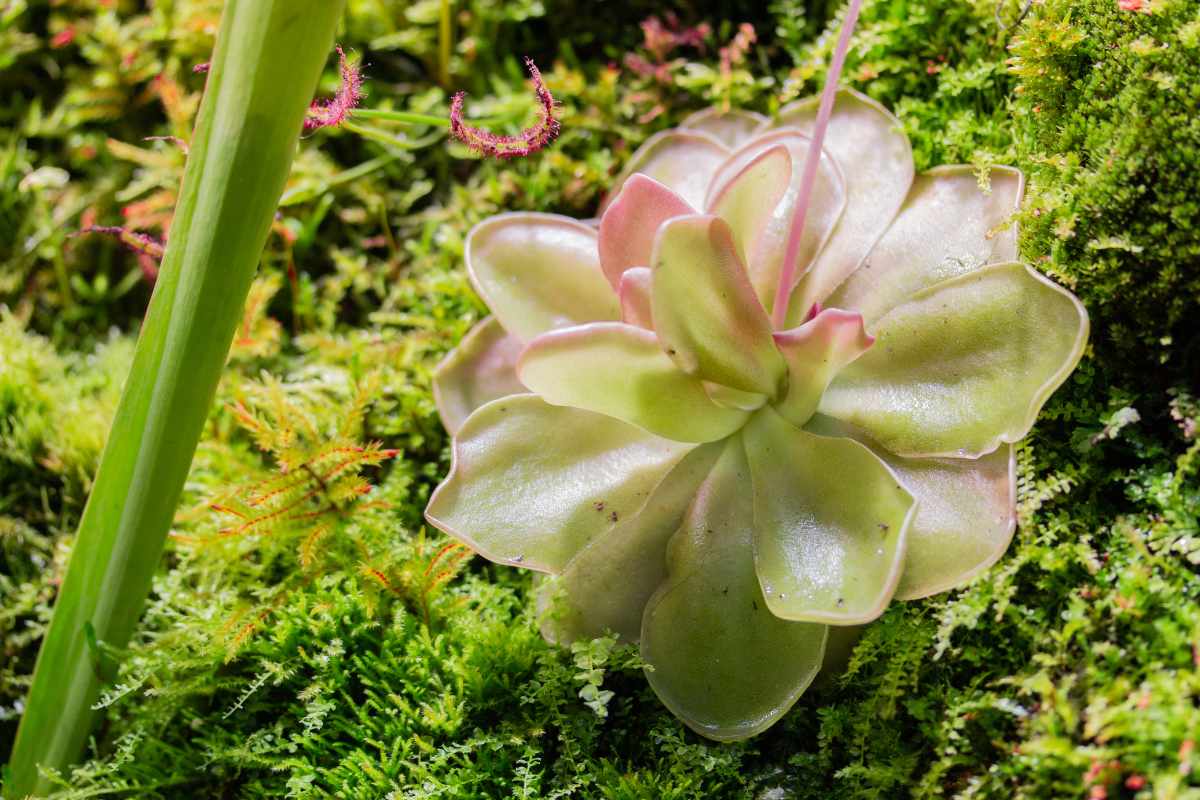
Pinguicula moranensis is relatively adaptable, but it thrives in moderate temperatures.
Optimal range: 60–80°F (16–27°C)
Tolerance: Can survive short drops to 45°F (7°C), but avoid frost.
Humidity: Prefers 50–70%. While they can adapt to normal household humidity, misting is not recommended as it may damage the sticky leaf glands.
Soil and Potting Mix
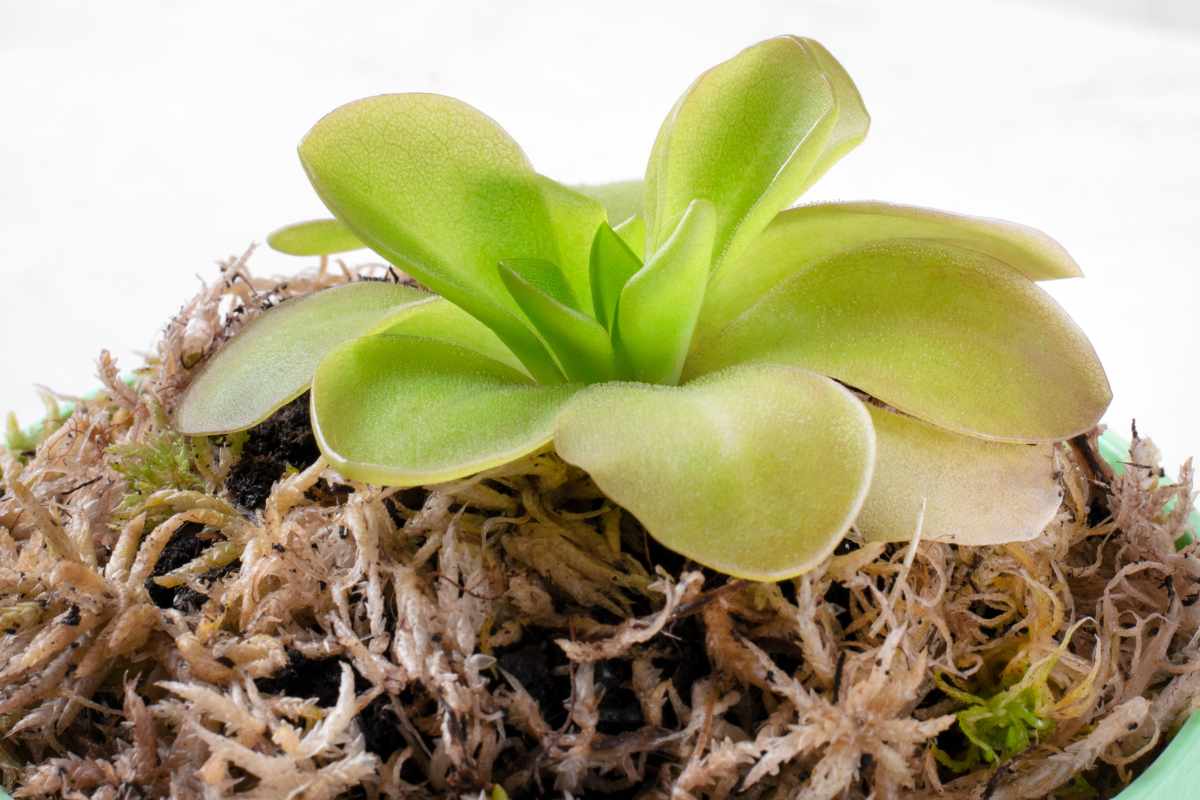
A key factor in caring for Butterworts is providing the right soil.
Unlike regular houseplants, Pinguicula needs a nutrient-poor, well-draining mix to mimic its natural environment.
Recommended mixes:
50% peat moss + 50% perlite
Long-fiber sphagnum moss + sand
Commercial carnivorous plant soil blends
Avoid any potting soil with fertilizers, compost, or added nutrients, as these can harm the roots. A shallow pot with good drainage is best.
Watering Your Butterwort
Watering is one of the most crucial aspects of Pinguicula moranensis care.
Use only distilled water, rainwater, or reverse osmosis water. Tap water usually contains minerals and salts that damage the plant.
Keep the soil slightly moist, but not waterlogged.
During the growing season, water more frequently; in winter dormancy, reduce watering and allow the soil to dry out slightly between waterings.
Avoid watering directly onto the leaves—always water from the base or gently around the soil.
Feeding and Nutrition
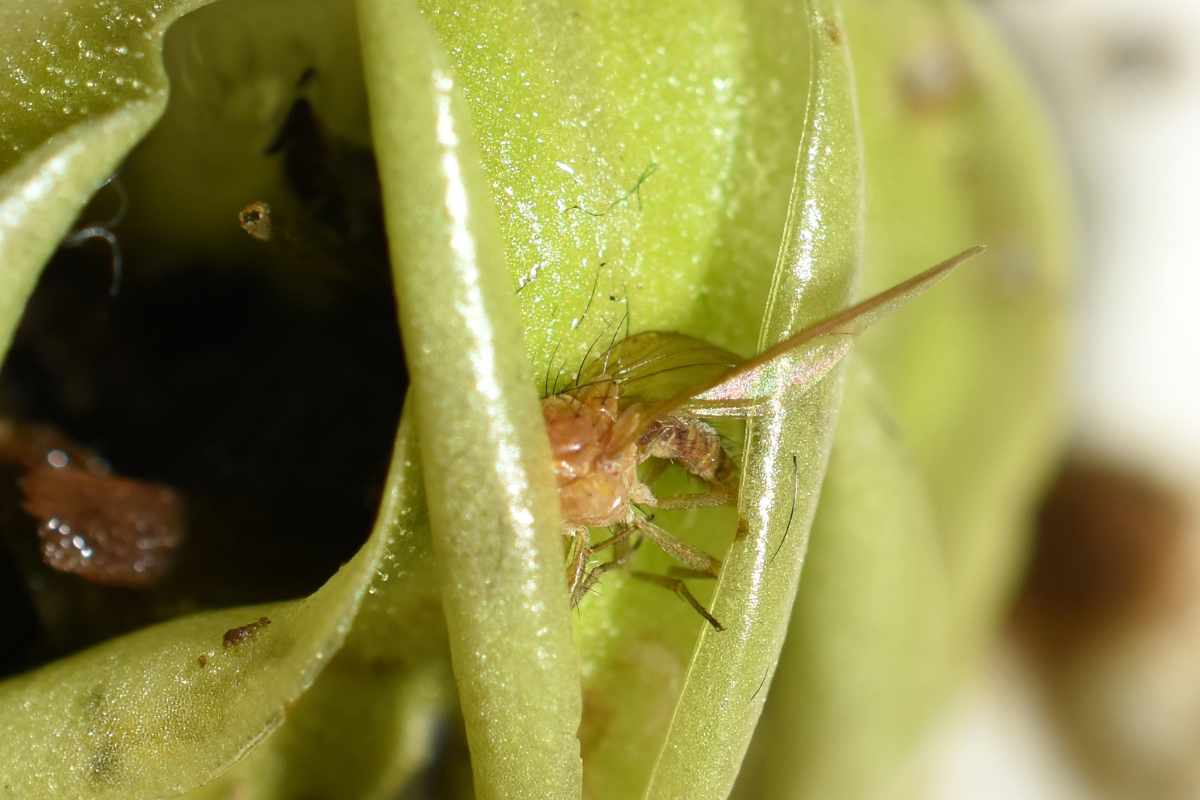
Butterworts naturally catch small insects like gnats, fruit flies, and tiny ants.
They don’t need fertilization, as their leaves absorb nutrients from prey.
If kept indoors where insects are scarce:
You can feed them occasionally with dried bloodworms, fish food flakes, or powdered fertilizer designed for carnivorous plants (in very small amounts).
Feeding once a month is more than enough.
Dormancy and Seasonal Care
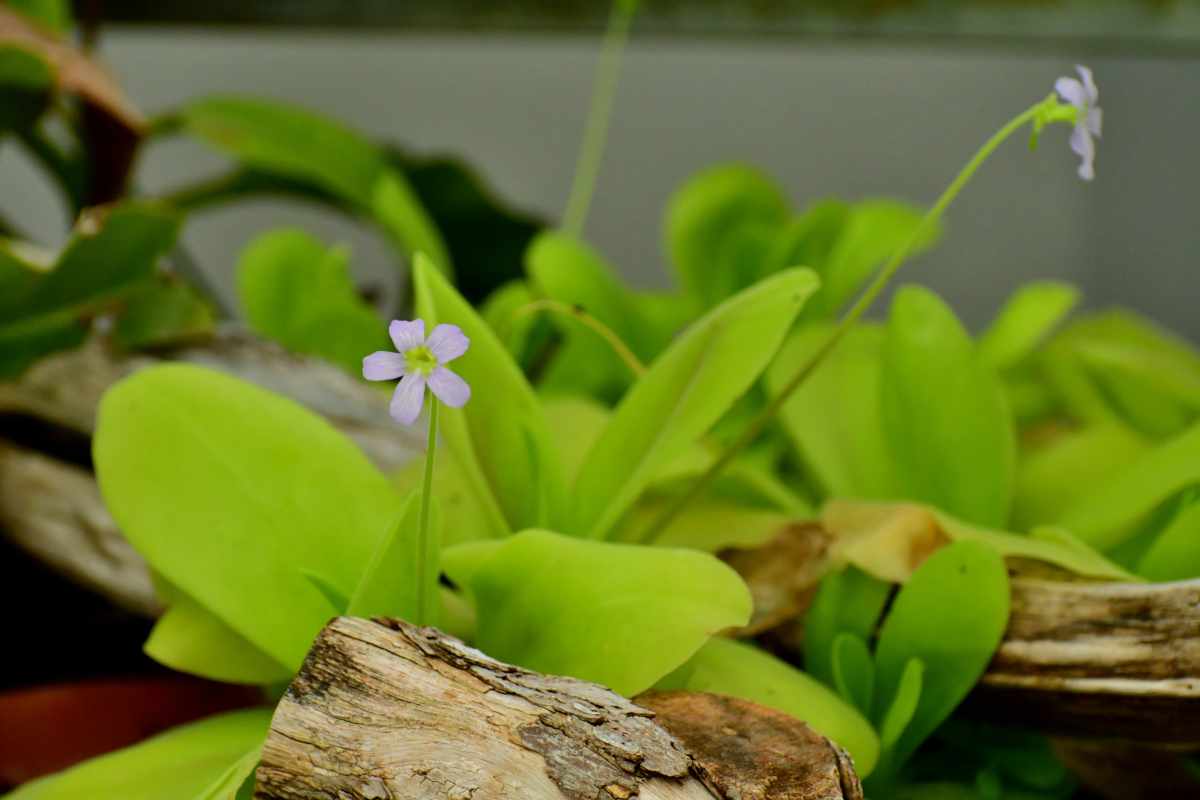
Like many carnivorous plants, Pinguicula moranensis has a seasonal dormancy period, usually during winter.
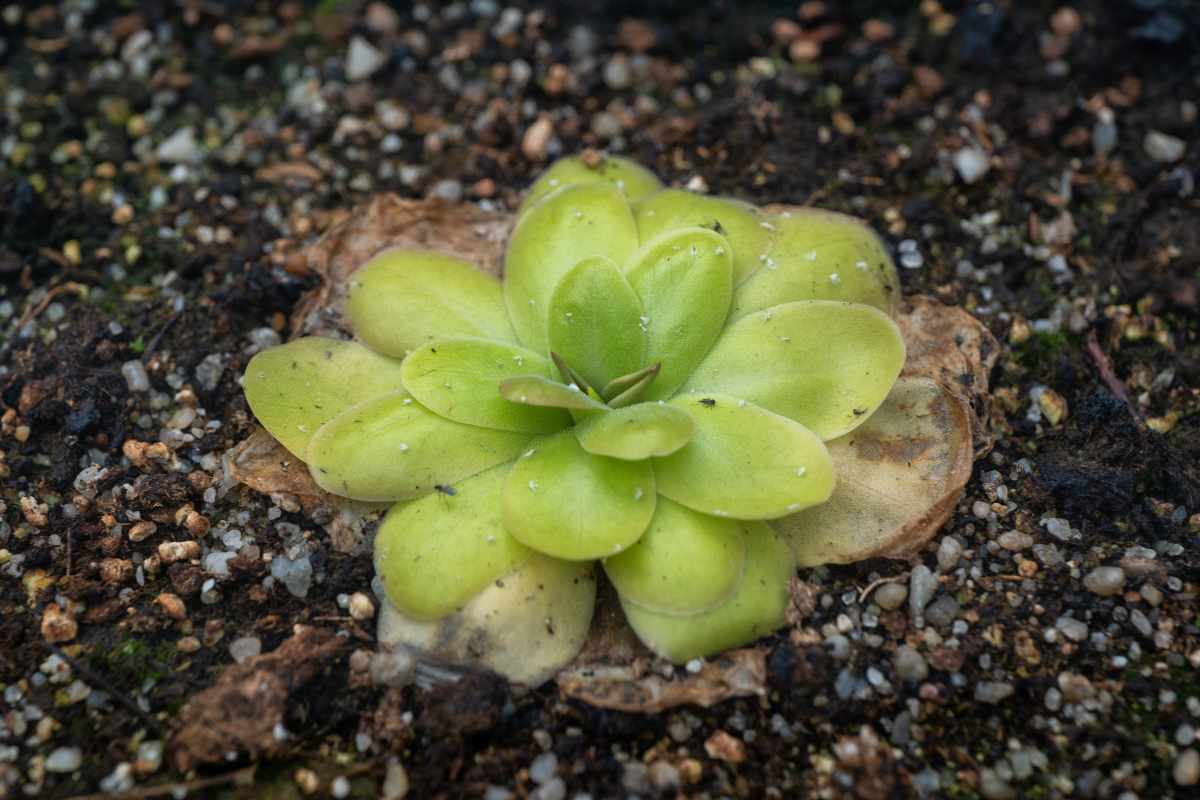
Leaves change shape, becoming smaller and succulent-like.
During this stage, reduce watering and stop feeding.
Keep the plant in a cooler environment (around 50–60°F / 10–16°C).
In spring, it will produce new carnivorous leaves and can be returned to its regular care routine.
Propagation
You can propagate Butterworts in a few different ways:
Leaf pullings: Gently remove a healthy leaf and place it on damp sphagnum moss. Within weeks, new plantlets may appear.
Division: Mature plants sometimes produce small offshoots that can be separated and potted individually.
Seeds: While possible, growing from seed is slower and less common.
Common Problems and Solutions
Leaves turning brown or crispy: Too much direct sunlight or low humidity.
Mold or fungus: Soil too wet or poor air circulation.
No insects caught: The environment might be too clean—consider supplementing with fish food or dried insects.
Plant shrinking in size: Natural dormancy, not necessarily a problem unless it continues in spring.
Why Grow Pinguicula moranensis?
This carnivorous plant is not only a conversation starter but also a natural pest controller for fungus gnats and fruit flies.
Its unique combination of sticky leaves and delicate flowers makes it one of the most rewarding species for plant enthusiasts.
Whether you’re a beginner or an experienced grower, learning to care for Pinguicula moranensis is a fun way to explore the fascinating world of carnivorous plants.
Enjoy The Video Tutorial

Source: Brads Greenhouse & Gardening
Don’t forget to Subscribe to our Newsletter to receive amazing tips and tricks about Gardening and the FREE Ebook Green Living Strategies!
Did you find this post Useful or Inspiring? Save THIS PIN to your GARDENING Board on Pinterest! 😊
Once again, thank you for visiting our website!
We hope you've enjoyed exploring the content we've created for you.
Give yourself the chance to learn, get inspired, and have even more fun, keep browsing...
More Gardening Tips 👇🏼👇🏼