
Ghost Orchid Information And Facts

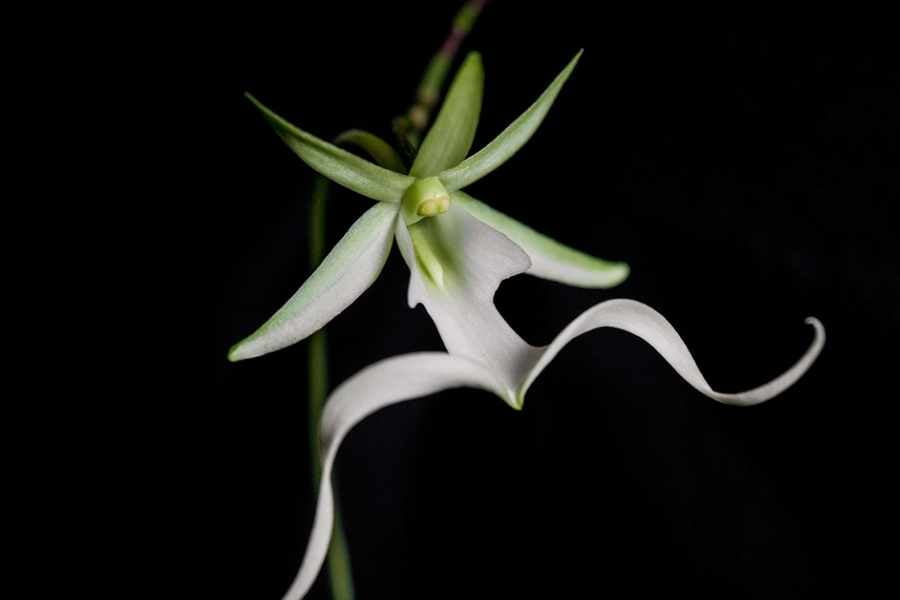
This rare orchid, Dendrophylax Lindenii, is found primarily in wet, swampy areas of Cuba, the Bahamas, and Florida.
Ghost orchid plants are also known as white frog orchids, thanks to the frog-like shape of the strange-looking ghost orchid flowers. For most of the year, the ghost orchid is nothing special.
But when it blooms, it marvels. The flower is dazzling white, standing out against the green, shady swamps it calls home.
Its petals have two long, delicate tails that flutter in the breeze and seem to float in the air. Wonderful, right? Read on to learn more about ghost orchids.
Where do ghost orchids grow?
With the exception of a handful of people, no one knows exactly where ghost orchids grow. The high level of secrecy is protecting plants from hunters trying to remove them from their natural environment.
Like most wild orchids in the United States, ghost orchids are also threatened by the loss of pollinators, pesticides, and climate change.
About ghost orchid plants
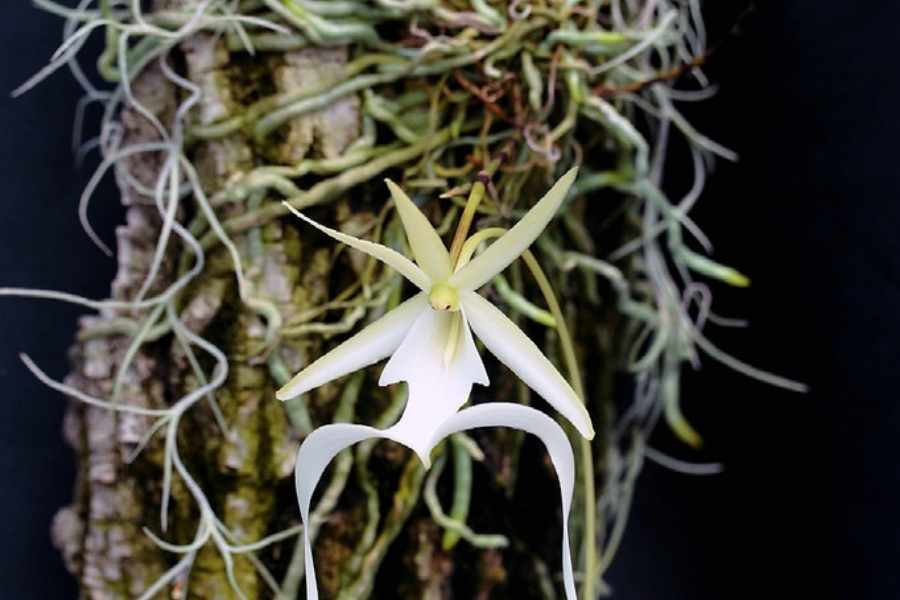
The flowers have an unearthly white appearance that lends an eerie quality to orchid ghost flowers. The plants, which do not have foliage, seem to be suspended in the air while they adhere to the trunks of the trees through some roots.
Its sweet nocturnal scent attracts giant sphinx moths that pollinate plants with their proboscis, long enough to reach the pollen hidden deep within the ghost orchid flower.
University of Florida Extension experts estimate that there are only about 2,000 wild ghost orchid plants in Florida, although recent data suggests there could be many more.

Information about growing
Growing ghost orchid flowers at home is almost impossible, as it is extremely difficult to meet the specific growing needs of the plant.
People who manage to remove an orchid from their environment are often disappointed that ghost orchids almost always die in captivity.
Fortunately, botanists, working hard to protect these endangered plants, are making great strides in developing sophisticated means of seed germination.
Although you cannot grow these orchids right now, maybe one day in the future it will be possible.
Until then, it is best to enjoy these interesting specimens as nature intended: within their natural habitat, wherever they are, however, it remains a mystery.
We hope you enjoy watching this video about rare Ghost has multiple pollinators - short film showcase:
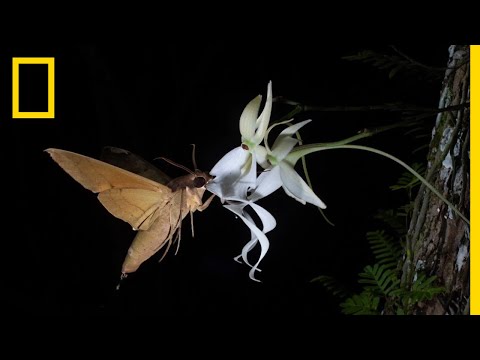
Source: National Geographic
Did you find this post Useful or Inspiring? Save THIS PIN to your GARDENING Board on Pinterest! 

Once again, thank you for visiting our website!
We hope you've enjoyed exploring the content we've created for you.
Give yourself the chance to learn, get inspired, and have even more fun, keep browsing...
More Gardening Tips 👇🏼👇🏼