
Grow Succulents Outdoor (Summer and Winter)


Succulents don’t just survive outdoors—many thrive when given the right mix of light, airflow, and drainage.
The challenge is that “outdoors” looks very different in Phoenix than it does in Portland or Prague.
Heat waves, winter frosts, and weeks of rain can test even the toughest rosette.
This guide helps you make smart, climate-aware choices so your plants look good in July and still greet you in January.
Know Your Climate
Succulent success outside begins with understanding your local temperature lows and seasonal rhythms.
In North America, USDA Hardiness Zones describe your average annual minimum temperature.
They don’t measure summer heat or rainfall, but they do tell you how cold it gets—vital for deciding which species can stay outside all year and which need seasonal shelter.
If you garden in Europe, the RHS hardiness scale plays a similar role.
Two gardeners in the same city can still see very different outcomes because of microclimates: warm south-facing walls, breezy balconies, wind tunnels between buildings, or low pockets where frost settles.
Pay attention to where winter shade lingers longest, where summer sun is most intense, and where rain splashes or drains.
Your placement strategy should follow these cues.

Summer Care: Light, Heat, and Water
Reading the plant in hot weather
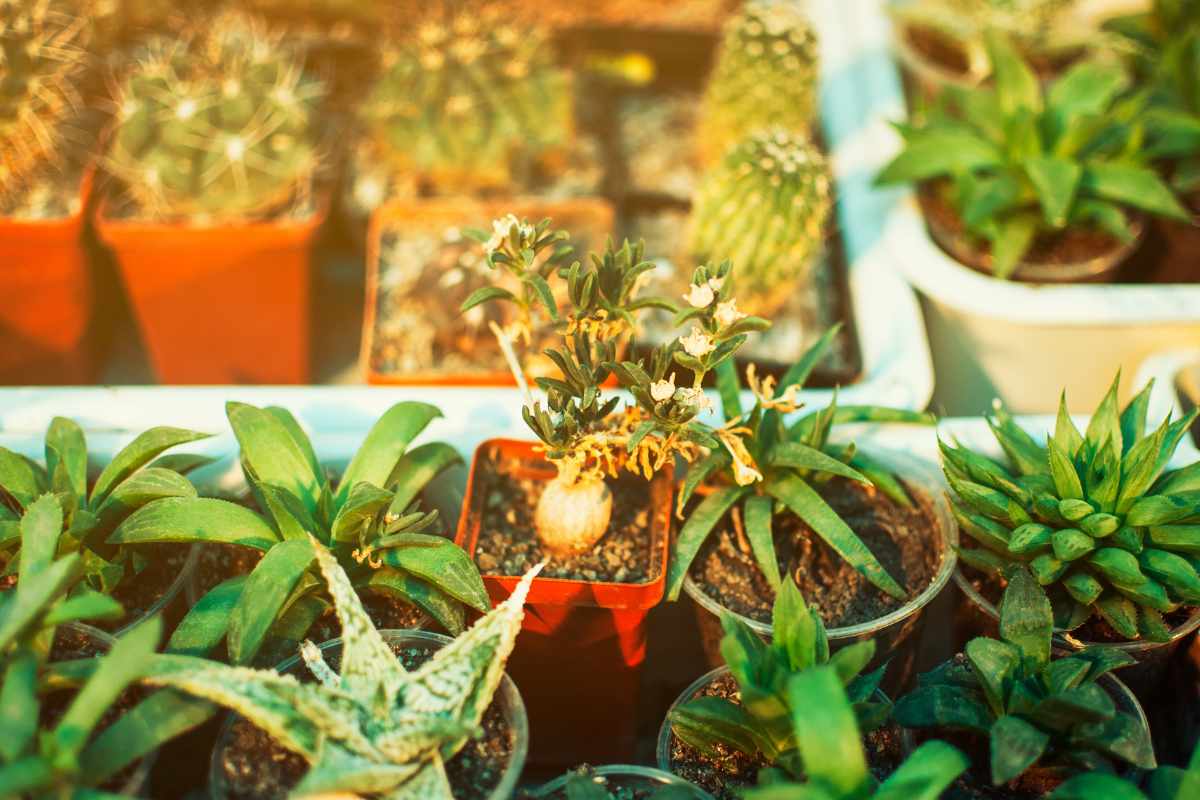
When days run hot, thick leaves help succulents store water, but they don’t make them invincible.
Watch for heat stress: leaves paling or yellowing, crisped tips, or rosettes that tighten to conserve moisture.
Some species, like Aeonium, naturally slow down or close rosettes in high heat because they are cool-season growers. That isn’t a failure—it’s a rhythm.
Help them ride out the heat without overcorrecting.
Manage the sun without starving the plant
Most succulents love bright light, yet intense midsummer sun can scorch tissue that was acclimated to spring.
Instead of moving plants deep into shade, shift them to morning sun with afternoon dappled shade, or add a light shade cloth (around 30–40%) that softens UV without plunging them into darkness.
Good airflow matters as much as shade: still, hot air around thick leaves can lead to stress even when light is moderated.
Watering that respects the season
“Drought-tolerant” doesn’t mean “never water.” Aim for well-draining soil that dries almost completely between waterings, then water deeply and let excess run off freely.
In true heat spells, it’s better to water early in the morning so leaves and topsoil don't dry during the day.
For species that ease into dormancy (again, Aeonium is the classic example), scale water back modestly—just enough to prevent shriveling, not to drive new growth.
Winter Survival: Frost, Wet, and Everything in Between
Cold stress vs. winter-wet
Cold alone doesn’t always kill succulents; cold plus soggy roots often does. In climates with cold, wet winters, your biggest enemy is saturated media and repeated freeze-thaw cycles.
A gritty mix and elevated containers dramatically reduce risk.
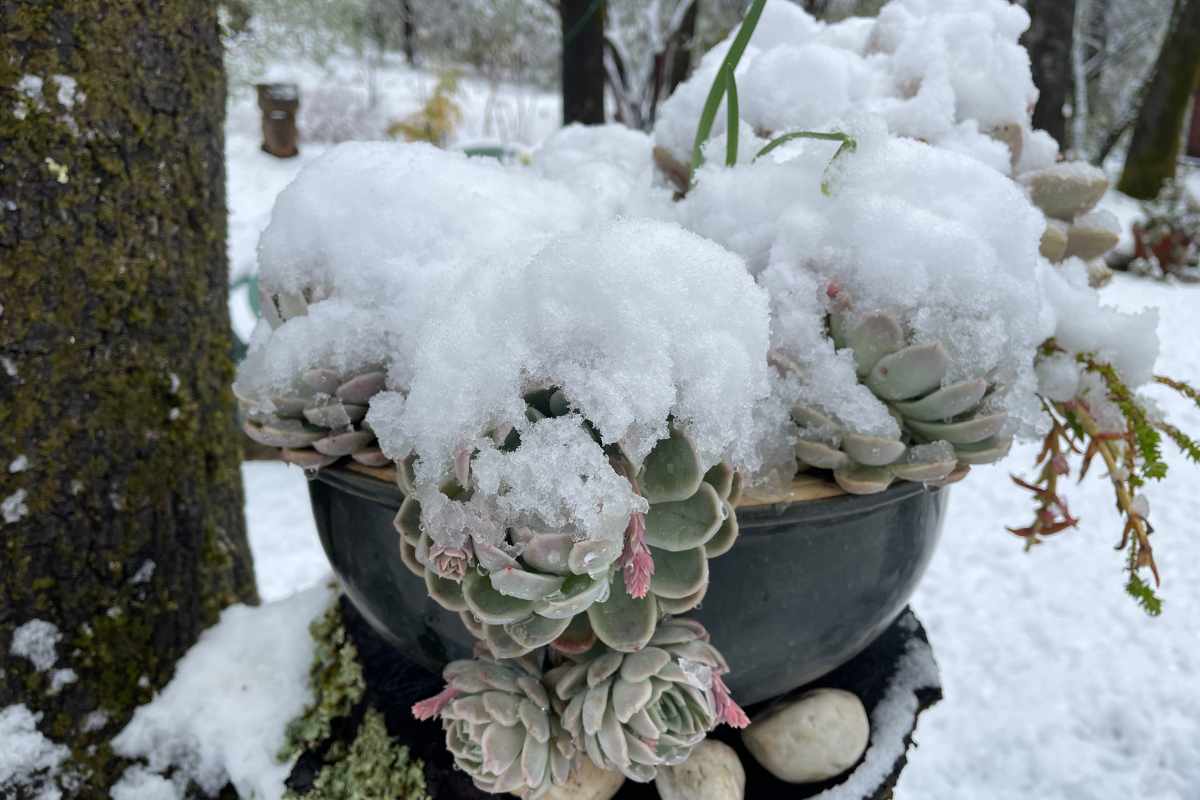
In cold, dry winters, many hardy species tolerate light snow or brief hard freezes, provided drainage is excellent and crowns don’t sit in icy slush.
Practical protection that pays off
For marginal nights, drape plants with frost cloth (breathable fabric that traps a layer of warmer air). It’s most effective when it doesn’t touch the leaves directly and when the edges are secured against the wind.
Temporary rain shelters—a clear roof panel or even an overhanging eave—can be the difference between a firm rosette and a mushy one.
Potted plants can migrate beneath a porch, into an unheated garage with a window, or against a sun-warmed wall for a few nights.
When to move, when to mulch
Containerized succulents that dislike freezing should be moved before prolonged hard frosts.
In beds, a mineral mulch (gravel, pumice, or crushed lava) keeps foliage from sitting on wet soil, speeds surface drying, and discourages slugs.
Avoid heavy organic mulches around succulent crowns in winter; they lock in moisture that promotes rot.
Pick the Right Plants for Your Conditions
Cold-hardy champions
If your winters bite, lean into cold-hardy succulents.
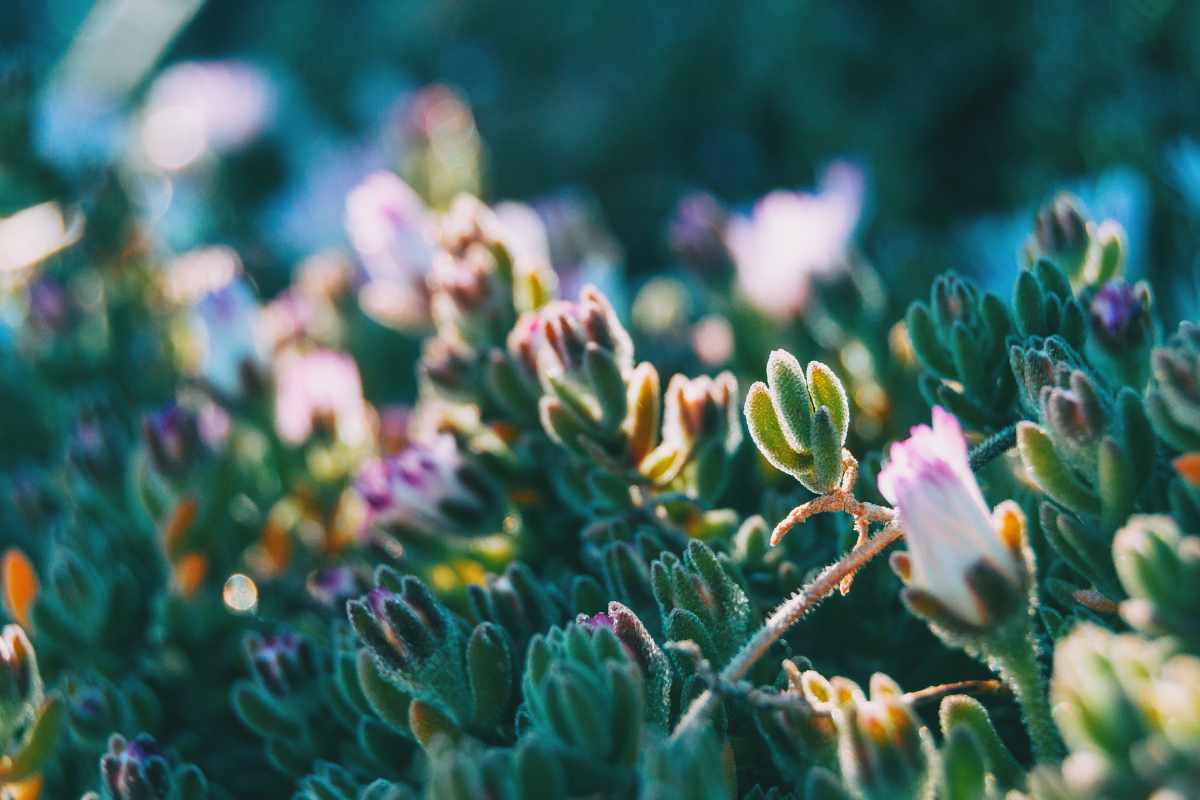
Sempervivum (hens-and-chicks) shrug off snow when planted in a lean, stony mix. Certain Sedum and ice plants like Delosperma cooperi carpet beds with color and tolerate freezes if drainage is good.
In many regions, Opuntia (prickly pears) are surprisingly hardy; species like Opuntia humifusa handle serious cold once established.
The common thread: sun, slope, and fast runoff.
Heat lovers and cool-season growers
In hot, arid summers, Agave, Aloe (many species), Portulacaria afra, and plenty of Opuntia and Echinocereus thrive with generous light and lean soil.
By contrast, Aeonium flourish in cool, bright winters and often look tired in high heat; treat them as winter growers with lighter summer water and a seat in morning sun rather than relentless afternoon exposure.
Matching growth cycles to climate prevents frustration and needless losses.
Soil and Containers That Drain on Their Own
Build a gritty mix
Outdoors, rain and dew add up. You want a potting blend that sheds water immediately and doesn’t compact.
A simple rule of thumb: 50–70% inorganic (pumice, lava rock, coarse perlite, poultry grit) to 30–50% organic (a lean cactus mix or fine bark).
The exact ratio depends on your climate; wetter winters and cooler summers call for more mineral content.
Containers that help you—not hurt you
Terracotta pots are naturally porous and dry faster than glazed ceramics or plastic. If you love glazed containers, compensate with extra mineral content and open drainage.
Add pot feet to lift containers off the ground so the drain hole never sits in a puddle. Skip saucers outdoors in winter; they trap exactly what you’re trying to shed.
Microclimates: Your Secret Superpower
Outdoor succulents reward strategic placement.
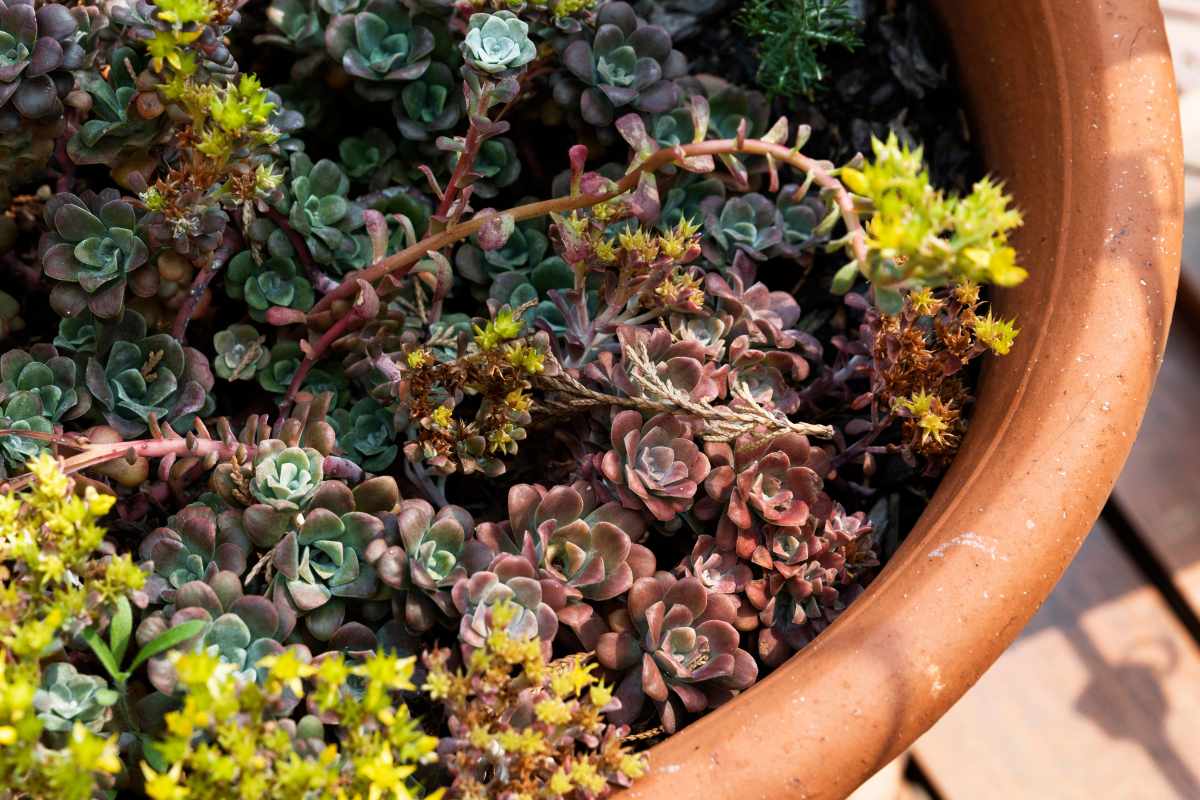
South- and west-facing walls radiate warmth into the evening; that’s perfect for a borderline Agave or a Delosperma bed that hates wet feet.
Overhead eaves create rain shadows that shelter tender rosettes while still offering sky-bright light.
Conversely, low spots in a yard collect cold air—great for chill-loving perennials, terrible for tender Aloe.
Walk your space at different times of day and season; let the environment tell you where each plant will be happiest.
Outdoor Pests and Problems (Quick Wins)
Even healthy outdoor plantings meet the local fauna.
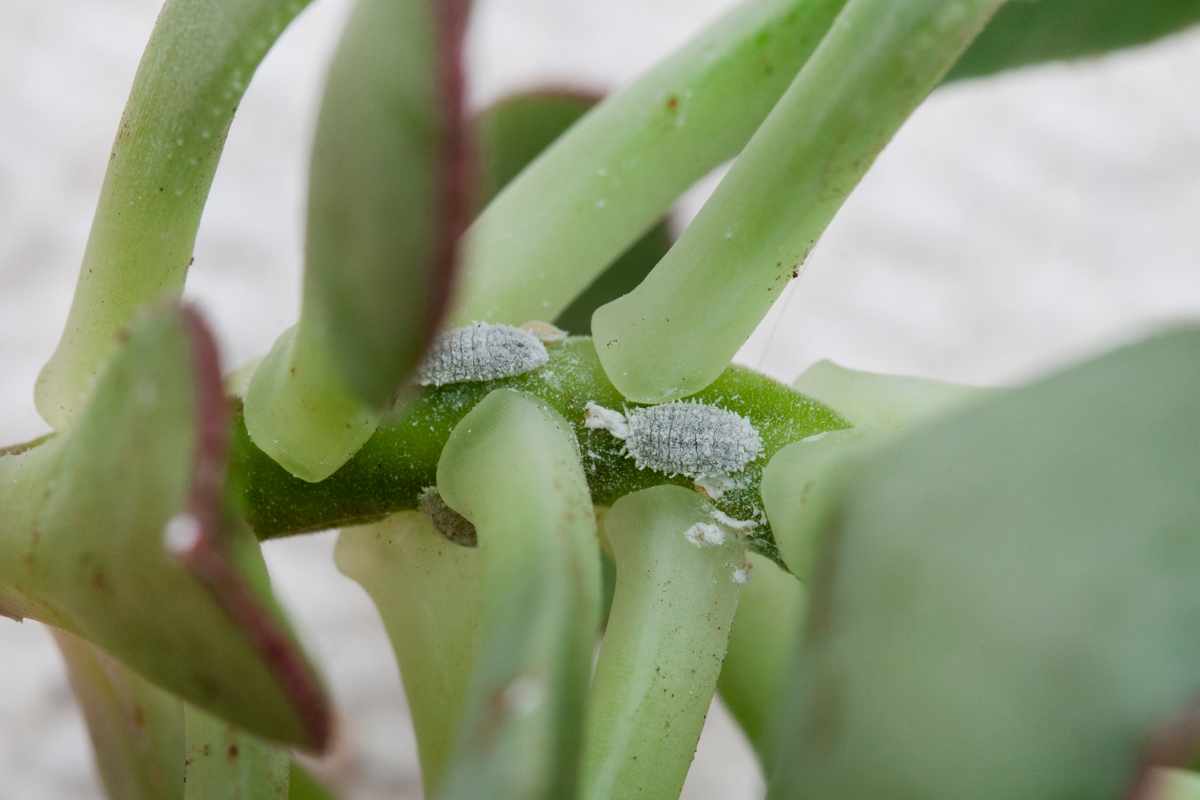
Mealybugs hide in leaf axils and along roots; catch them early by inspecting new or stressed plants and isolating arrivals.
Spider mites favor hot, dusty foliage—airflow and the occasional rinse (on warm mornings) help prevent outbreaks.
In rainy regions, slugs and snails chew at night; mineral mulch and tidy edges make beds less appealing.
If you see blackened, mushy tissue after storms, think rot from trapped moisture rather than a mysterious disease—improve drainage and remove affected parts.
Seasonal Rhythm Without Step-by-Step Rules
Successful outdoor care isn’t a rigid schedule; it’s a conversation with weather and growth cycles:
In spring, gradually increase light exposure so leaves toughen before peak sun.
In summer, protect from severe scorch, water early, and respect dormancy in cool-season growers.
In autumn, reduce water as nights cool; keep crowns dry going into winter.
In winter, shelter what needs it, and remember that dry cold is kinder than cold and wet.
These aren’t instructions to follow by the minute—they’re principles you can adapt to your yard, balcony, or rooftop.
Bringing It All Together
Growing succulents outdoors all year is less about memorizing rules and more about matching plants to place.
Choose species that fit your winters, manage summer light instead of hiding plants from it, and build drainage into every decision—from your potting mix to where your containers sit after a storm.
With a few smart protections (a roll of frost cloth, some mineral mulch, and pot feet) and a habit of observing microclimates, you’ll enjoy rosettes that look sculpted in summer and resilient in winter.
That’s the real promise of outdoor succulents: not just survival, but a landscape that stays beautiful through the seasons.
Enjoy This Video Tutorial About Succulents

Source: Liz Kreate
Don’t forget to Subscribe to our Newsletter to receive amazing tips and tricks about Gardening and the FREE Ebook Green Living Strategies!
Did you find this post Useful or Inspiring? Save THIS PIN to your GARDENING Board on Pinterest! 😊

Once again, thank you for visiting our website!
We hope you've enjoyed exploring the content we've created for you.
Give yourself the chance to learn, get inspired, and have even more fun, keep browsing...
More Gardening Tips 👇🏼👇🏼