
Growing Banana Trees: A Simple Guide for a Lush Tropical Garden

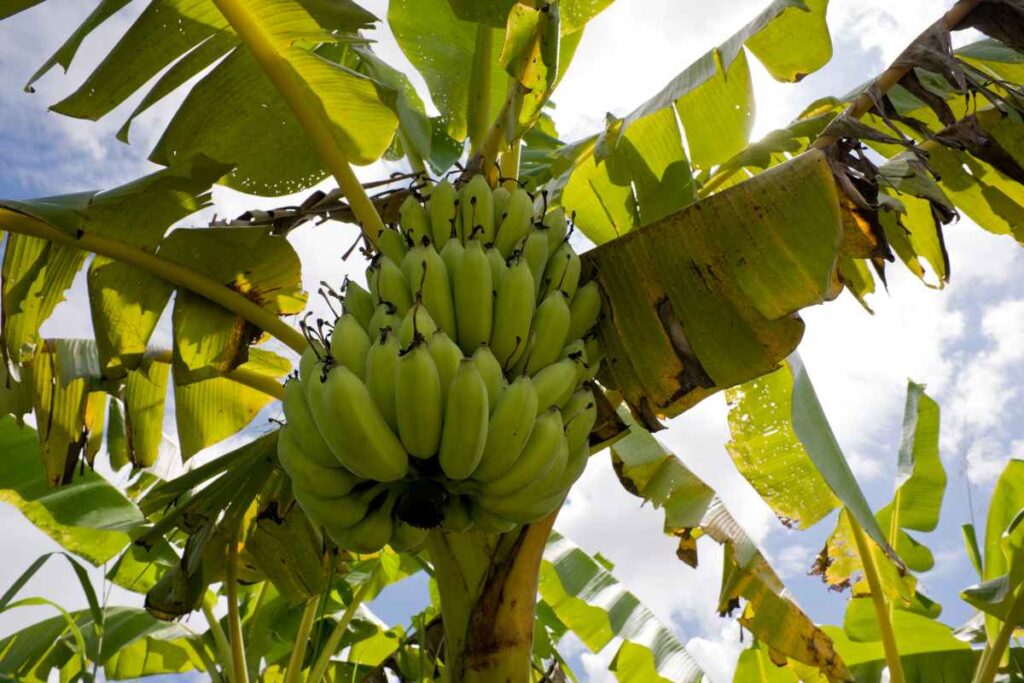
Growing banana trees is one of the easiest ways to bring a bold, tropical look into your garden, patio, or even a sunny indoor space. With their oversized leaves and fast-growing habit, banana plants can make an ordinary corner feel lush and dramatic in just one season.
Even better, you do not need to live in the tropics to enjoy them. The key is understanding what banana plants really want: warmth, sun, rich soil, consistent moisture, and protection from cold or strong wind. This guide will walk you through the essentials so you can grow healthier banana plants with more confidence. Bananas grow best in warm to hot conditions and need protection from cold weather, especially in cooler regions.
Why Banana Trees Are Different From Regular Trees

Although most people call them banana trees, bananas are technically large herbaceous plants, not woody trees. Their “trunk” is actually a pseudostem made from tightly layered leaf bases.
This matters because banana plants grow quickly, hold a lot of water, and can be damaged more easily by wind, cold, or drought stress. Their dramatic leaves are beautiful, but they can tear in strong wind, so choosing the right location makes a big difference.
In warm climates, banana plants may grow outdoors year-round. In colder zones, they are often grown as tropical ornamentals in containers or treated as seasonal garden plants that are protected or stored for winter.
The Best Place for Growing Banana Trees
Banana plants love full sun, warmth, and humidity. For the strongest growth, choose a spot that receives sun for most of the day while also offering some shelter from harsh wind. A fence, wall, patio corner, or protected garden bed can help reduce leaf shredding.
Good drainage is just as important as moisture. Banana plants like consistently moist soil, but they do not want to sit in soggy ground. If your garden soil is heavy clay, improve it with compost and organic matter before planting.
For containers, choose a large, sturdy pot with drainage holes. A pot around 18–24 inches (46–61 cm) wide and deep gives the roots more space to develop and helps prevent the plant from tipping over as it grows. Penn State Extension recommends a deep and wide container because banana roots need room to expand.
Quick Location Checklist
Before planting, look for a spot with:
- 6+ hours of direct sun
- Protection from strong wind
- Rich, well-draining soil
- Easy access to water
- Enough space for large leaves to spread
- A warm microclimate, especially in cooler areas
Soil, Water, and Fertilizer for Healthy Banana Plants
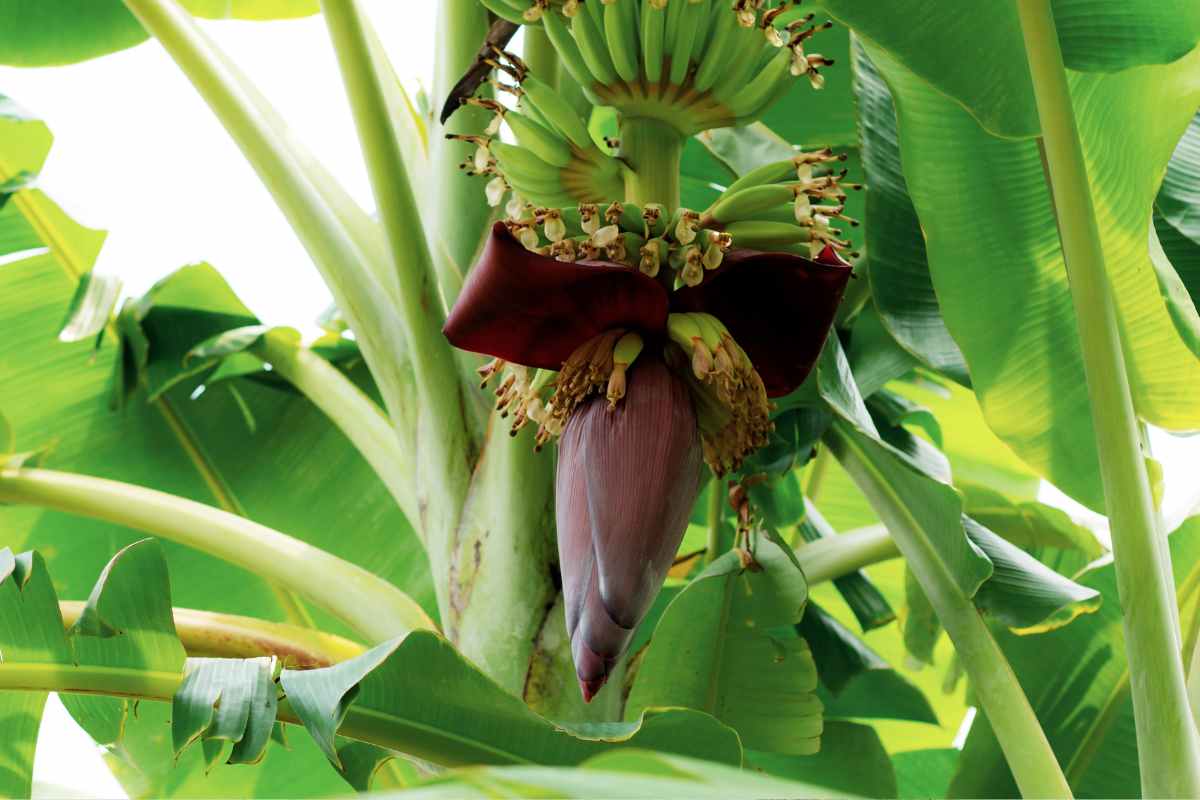
Banana plants grow best in rich soil that holds moisture without becoming waterlogged. A good mix includes compost, quality garden soil, and drainage-friendly material if needed.
Aim to keep the soil evenly moist during the growing season. Instead of letting the plant dry out completely and then flooding it, water deeply when the top few inches of soil begin to feel dry.
Container-grown banana plants may need water more often than plants in the ground, especially during hot weather. Check pots regularly because large leaves lose moisture quickly on warm, breezy days.
Banana plants are also heavy feeders during active growth. Use a balanced garden fertilizer or compost-based feeding routine according to the product label. Regular feeding during the growing season supports larger leaves, stronger stems, and a fuller tropical look. Missouri Botanical Garden notes that banana plants perform best with consistently moist soil and regular fertilizing during the growing season.
How to Plant Banana Trees in the Ground or Pots
Plant banana trees after the risk of frost has passed and the soil has warmed. In cool climates, waiting for steady spring warmth gives the plant a better start.
For garden beds, dig a hole slightly wider than the root ball and loosen the surrounding soil. Place the plant at the same depth it was growing in its nursery pot, then backfill gently and water well.
For containers, use a large pot with drainage holes and a rich, well-draining potting mix. Avoid compacted garden soil in pots because it can hold too much water and reduce airflow around the roots.
Planting Steps You Can Follow Today
- Choose a warm, sunny, protected location.
- Prepare rich, well-draining soil with compost.
- Remove the banana plant from its nursery pot carefully.
- Set it at the same depth it was previously growing.
- Backfill and firm the soil lightly.
- Water deeply after planting.
- Add mulch around the base, keeping it slightly away from the pseudostem.
Mulch helps conserve moisture and keeps the root zone more stable, but avoid piling mulch directly against the plant. Too much moisture against the base can encourage rot.
Growing Banana Trees in Pots
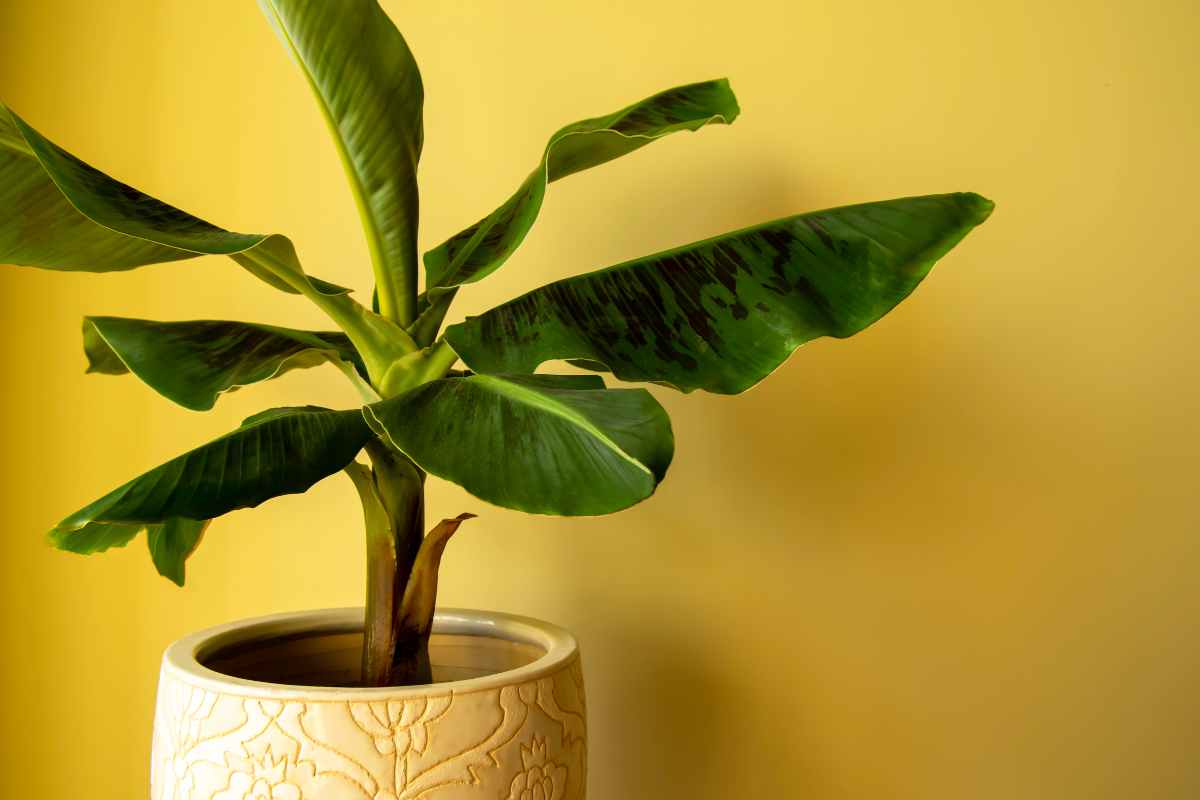
Growing banana trees in pots is a smart option for patios, small gardens, balconies, and colder climates. Containers let you move the plant to a sheltered area when temperatures drop.
Choose a heavy pot that will not tip easily. Banana plants can become top-heavy, especially once their leaves get large. A lightweight plastic pot may be easy to move, but it may also blow over in windy weather.
Place the pot somewhere bright and warm. Outdoors, a sunny patio or protected deck works well. Indoors, banana plants need the brightest location you can provide, such as a sunny window or sunroom.
During summer, check container moisture often. Pots dry out faster than garden beds, and banana plants can wilt if they stay too dry. Yellowing leaves, crispy edges, or slowed growth may mean the plant needs more consistent watering, better light, or fresh nutrients.
Common Banana Tree Problems and How to Fix Them
Banana plants are generally forgiving, but they show stress quickly through their leaves. Most problems come from cold, poor drainage, low light, inconsistent watering, or wind damage.
Yellow leaves can happen when the plant is overwatered, underwatered, hungry for nutrients, or adjusting to a new location. Check soil moisture before adding more water.
Brown crispy edges often point to dry air, irregular watering, intense heat, or wind exposure. Try watering more consistently and moving potted plants to a more protected spot.
Torn leaves are common and usually not serious. Banana leaves are large and naturally split in wind. A sheltered location helps keep them looking cleaner.
Slow growth may mean the plant is too cold, not getting enough sun, or growing in depleted soil. Banana plants grow best when conditions are warm and bright.
Soft or mushy stems are more concerning and may signal rot from cold damage or overly wet soil. Improve drainage, reduce watering, and remove severely damaged growth.
How to Overwinter Banana Plants
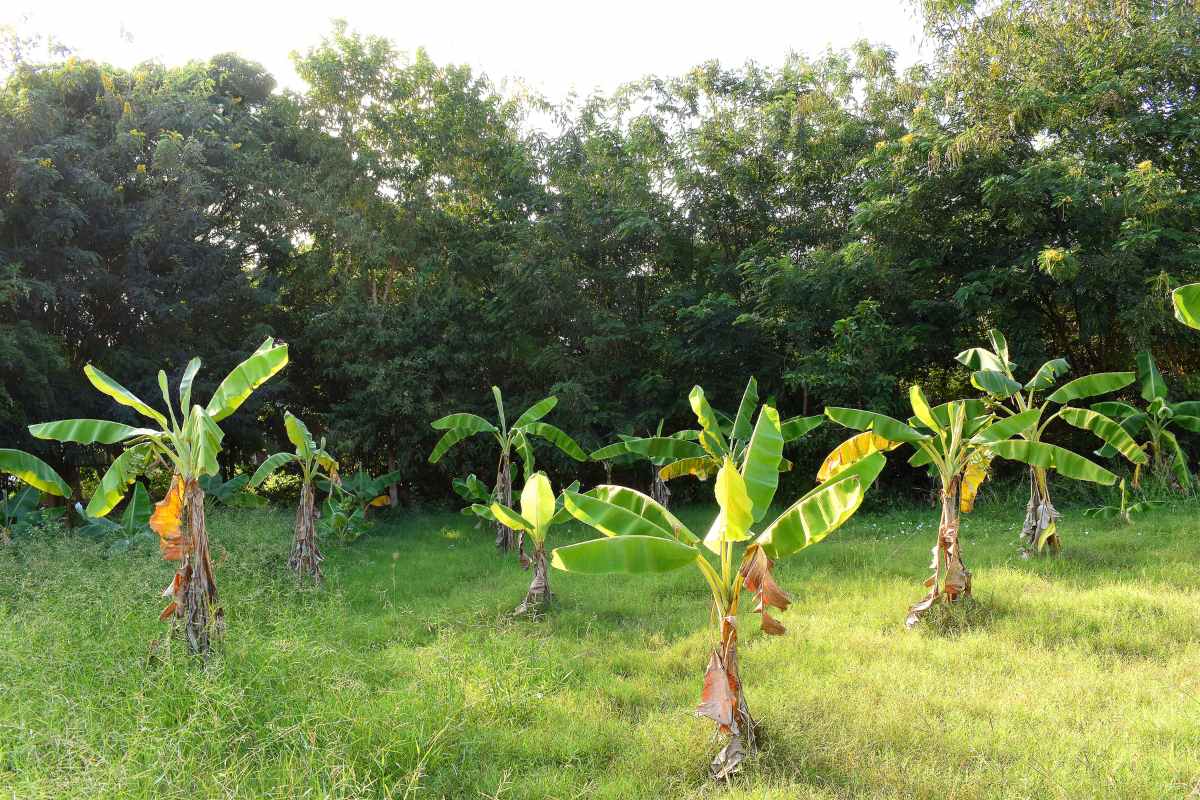
In warm climates, banana plants may stay outdoors all year. In colder areas, you will need a winter plan before frost arrives.
If your banana plant is in a pot, the easiest method is to move it indoors or into a protected space before temperatures drop too low. Place it in the brightest area available and reduce watering while growth slows.
Another option for some container-grown tropical plants is to cut them back and store the container in a cool, protected place for winter. Penn State Extension notes that some overwintered tropical plants can be cut back and stored in their containers in a cool location.
For hardy ornamental types, such as Musa basjoo, gardeners in some climates may mulch heavily around the base after cutting back frost-damaged foliage. However, winter survival depends on your climate, drainage, mulch protection, and the specific banana variety.
Simple Care Tips for Bigger, Healthier Banana Leaves
If your goal is a lush tropical look, focus on consistency. Banana plants grow best when they are not constantly stressed by drying out, being moved, or sitting in cold soil.
Give them the warmest, brightest spot you can. Water deeply and regularly during active growth. Feed during the growing season, especially if the plant is in a container.
Remove old, damaged, or yellow leaves as needed to keep the plant tidy. Use clean pruners and cut close to the pseudostem without damaging healthy growth.
Most importantly, match your expectations to your climate. In cooler areas, growing banana trees is often more about foliage and tropical style than fruit. In warm regions, fruiting may be possible with the right variety, time, and conditions, but it should not be treated as guaranteed.
Closing
Growing banana trees is all about recreating the warm, sunny, moisture-rich conditions these tropical plants love. With the right location, steady watering, good soil, and a plan for cold weather, you can enjoy bold banana leaves even outside traditional tropical zones.
Start with one healthy plant, keep the care routine simple, and let its dramatic foliage become the focal point of your garden or patio.
— Emily
More Gardening Tips 👇🏼👇🏼