
Guide to Growing Mango Tree from Seed


Growing a mango tree from seed is a great project for gardeners of any experience level.
Even if you don’t live in a tropical climate, you can start a mango in a pot and enjoy its lush leaves and delicious fruit.
This guide will show you how to pick the best seed, get it to sprout, transplant and care for your young tree, and set it on the path toward flowering and fruiting, while tackling any common challenges along the way.
Step 1: Choosing the Seed

Start with a ripe, healthy mango. Avoid unripe or damaged fruits, as the seed may not be viable.
After enjoying the fruit, clean the seed thoroughly to remove all remaining pulp.
Letting the seed dry for a day or two can make it easier to handle.
Keep in mind that a tree grown from seed may not produce fruit identical to the original mango, but it will still be a beautiful and interesting plant.
Step 2: Germinating the Seed

There are two common methods:
Paper Towel Method
Moisten a paper towel and wrap the seed.
Place it in a partially closed plastic bag.
Keep the bag in a warm location, avoiding direct sunlight.
Check every few days. The seed should germinate within 1–3 weeks.
Once roots and a shoot appear, plant it in a pot.
Direct Planting Method
Fill a deep pot with well-draining soil.
Place the seed on its side, shoot pointing up, about 2–3 cm deep.
Keep the soil slightly moist until the seed sprouts.
Tips: Use light, well-draining soil. Avoid low temperatures and overwatering.
Step 3: Transplanting to Pot or Ground

Transplant the seedling when it is about 5–10 cm tall or has a couple of true leaves.
Choose a deep pot with good drainage and a light soil mix, such as garden soil combined with sand and compost.
Place your mango in a sunny location with at least 4–6 hours of direct sunlight each day.
In warmer climates, you can plant it in the ground, but in cooler regions it’s better to keep it in a pot so it can be moved indoors during the winter.
During its early growth, keep the soil slightly moist but never waterlogged.
Fertilize monthly with a balanced fertilizer and adjust the formula once the tree matures to encourage flowering.
Prune to control height and encourage branching, removing low or crossed branches and ensuring good airflow.
Step 4: Caring for the Seedling and Young Tree

Ensure it receives plenty of light.
Keep soil slightly moist during the seedling stage; reduce watering as the plant matures.
Fertilize monthly with a balanced fertilizer during growth, and adjust for flowering when the tree is older.
Prune to control height and encourage branching. Remove low or crossed branches and allow good airflow.
Step 5: Flowering and Fruiting
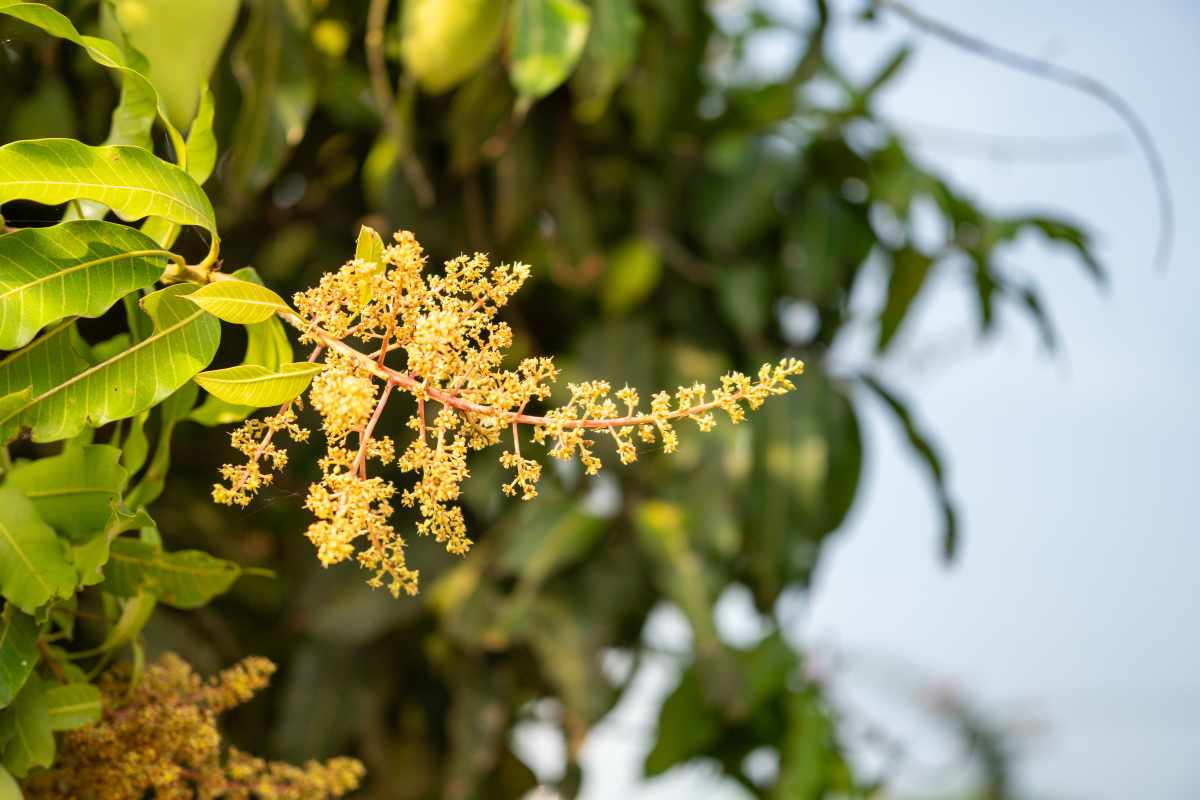
Mango trees grown from seed usually take 5–8 years to flower and bear fruit.
Flowering is encouraged by warm temperatures, ample sunlight, proper fertilization, and consistent care.
In cooler climates, flowering and fruiting may be limited, and pollination could require a helping hand.
If your tree doesn’t flower, it may be due to insufficient light, excess nitrogen, or environmental conditions.
Even without fruit, your mango will remain a striking ornamental plant.
Step 6: Common Problems and Solutions
Root rot or overwatering: Ensure good drainage and moderate watering.
Low temperatures: Move the plant indoors if temperatures fall below 10–15°C.
Insufficient light: Seedlings may stretch or have small leaves; move to a brighter location.
Pests: Check for aphids or scale insects and treat with mild soap or horticultural oil.
Poor flowering or fruit quality: Adjust light, fertilization, and watering, and be patient.
Step 7: Tips for Cooler Climates or Container Growing

Use a deep container and move the plant indoors in winter.
In summer, place it outside in a sunny, protected location.
Dwarf or mini varieties are easier to manage in small spaces.
Accept that the tree may never produce fruit but will remain attractive and decorative.
Final Thoughts
Growing a mango tree from seed is a rewarding experience that requires patience and care.
While fruiting may take years or may not occur in cooler climates, the tree remains a beautiful addition to any garden or balcony.
Start with a ripe mango, save the seed, and watch your plant grow. Enjoy the process and take pride in your long-term gardening project.
Enjoy The Video Tutorial

Source: How to Grow a Garden with Scarlett Damen
Did you find this post Useful or Inspiring? Save THIS PIN to your GARDENING Board on Pinterest! 😊

More Gardening Tips 👇🏼👇🏼