
How do I get Multiple Spikes of Orchid Flowers!


Orchids are one of the most beautiful and captivating plants, known for their exotic flowers.
If you’ve ever marveled at an orchid with multiple flower spikes, you know how impressive it can be.
The good news is that with the right care and attention, it’s possible to encourage your orchids to bloom with not just one, but multiple spikes.
Let’s explore the essential factors that can help you achieve this impressive feat!

Understanding Orchid Growth and Blooming Patterns
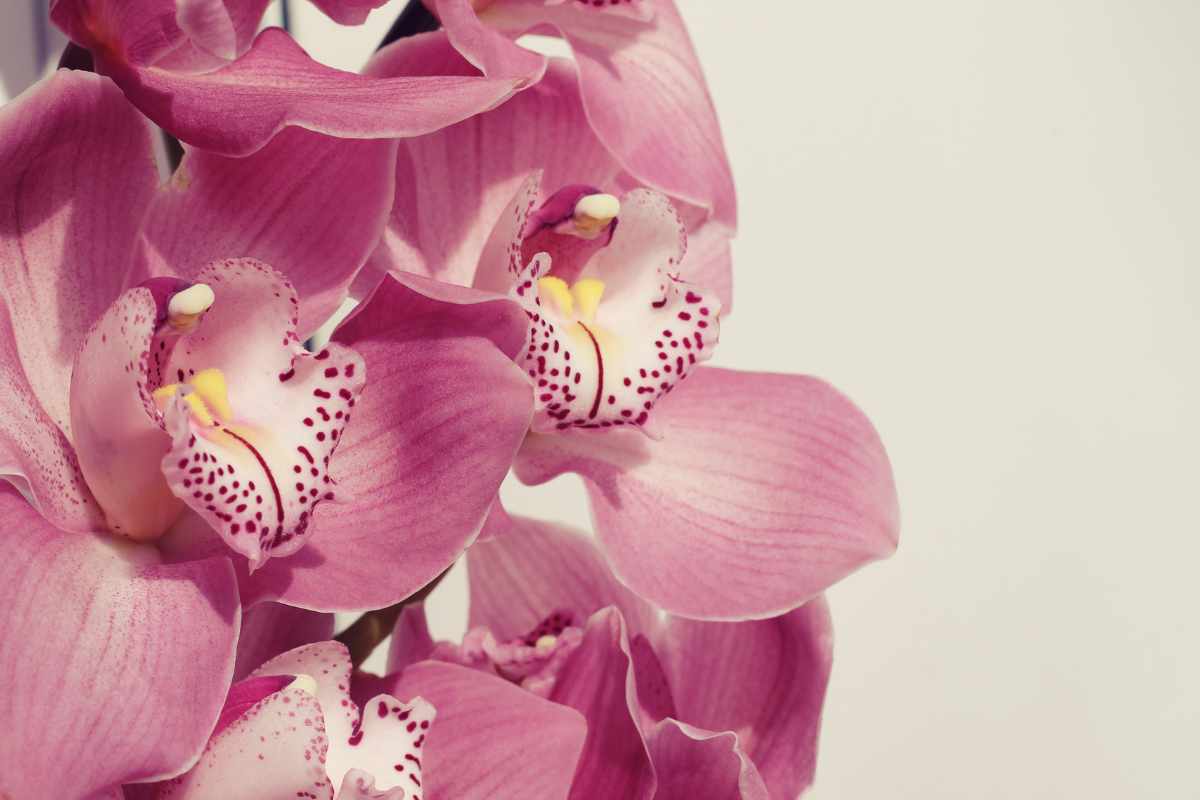
Before diving into how to get multiple spikes, it’s important to understand how orchids naturally grow and bloom.
Orchids, like Phalaenopsis and Dendrobium, produce flowers from spikes that grow out of the plant’s base.
The more you know about their growth habits, the better equipped you’ll be to support them in producing multiple spikes.
Orchids typically grow a single spike when they bloom, but under ideal conditions, they can produce new spikes from old ones or branch off from a node on the existing spike.
Nodes are small bumps located along the flower stem where new spikes can emerge.
Key Factors to Encourage Multiple Spikes
1. Optimal Light Conditions
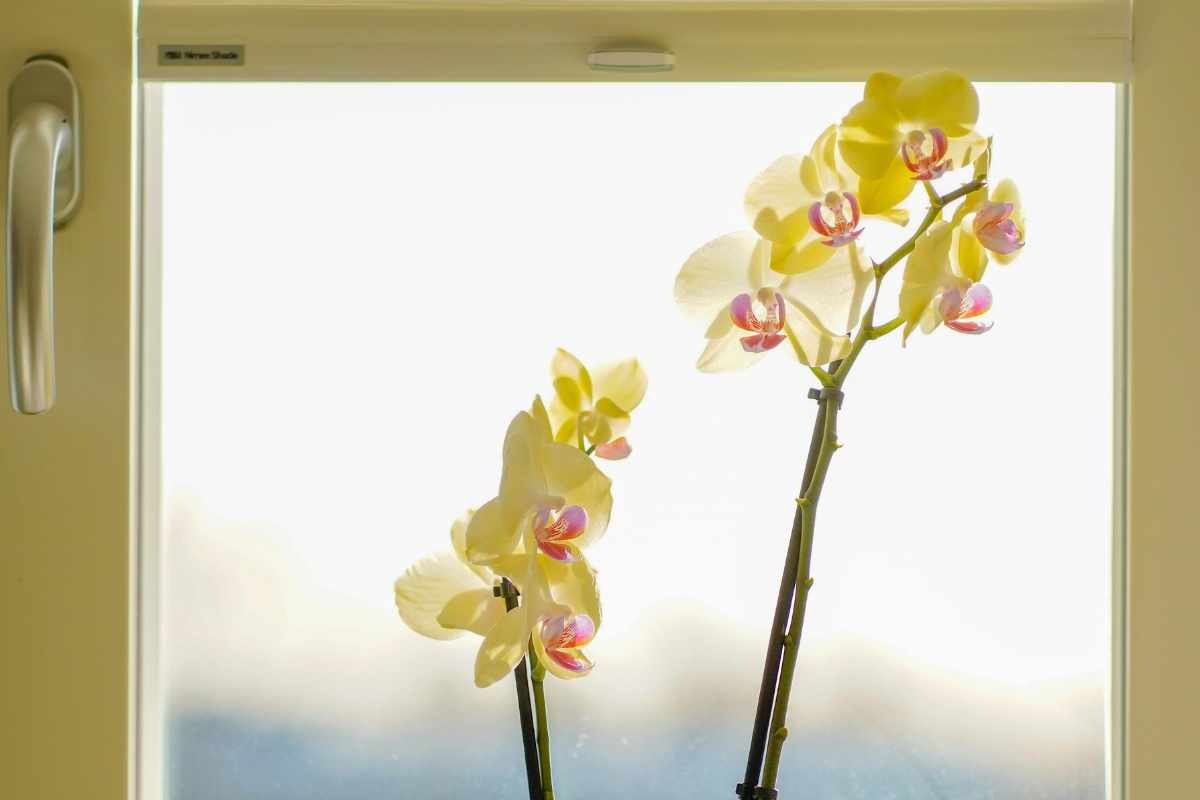
Orchids thrive in bright, indirect light. Too much direct sunlight can burn their delicate leaves, while too little can stunt their growth.
Aim for a spot where your orchid gets bright, filtered light for about 12-14 hours a day.
A south or east-facing window usually works well.
2. Proper Watering Techniques

Watering is crucial to orchid health.
Orchids prefer to dry out slightly between waterings, but you also need to ensure they are not kept too dry for too long.
Water your orchid thoroughly once the top of the soil feels dry to the touch.
Be sure to use room-temperature water and avoid letting the plant sit in water, as this can cause root rot.
3. Fertilization for Healthy Growth
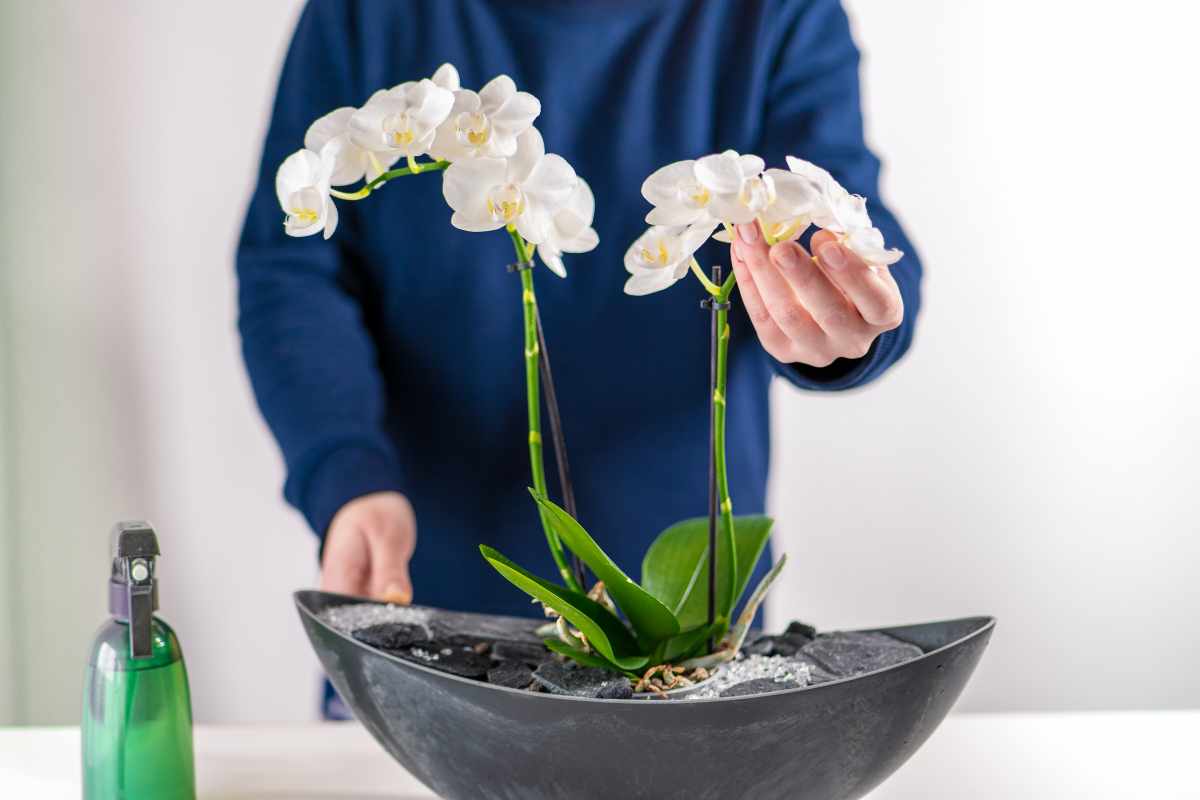
Fertilizing your orchid is key to ensuring strong growth and the potential for multiple flower spikes.
Use a balanced orchid fertilizer with a ratio of 30-10-10 (for growth), or a 20-20-20 (balanced) fertilizer.
Fertilize your orchid once a month during the growing season (spring and summer) and reduce feeding in the dormant months (fall and winter).
4. Temperature and Humidity Levels
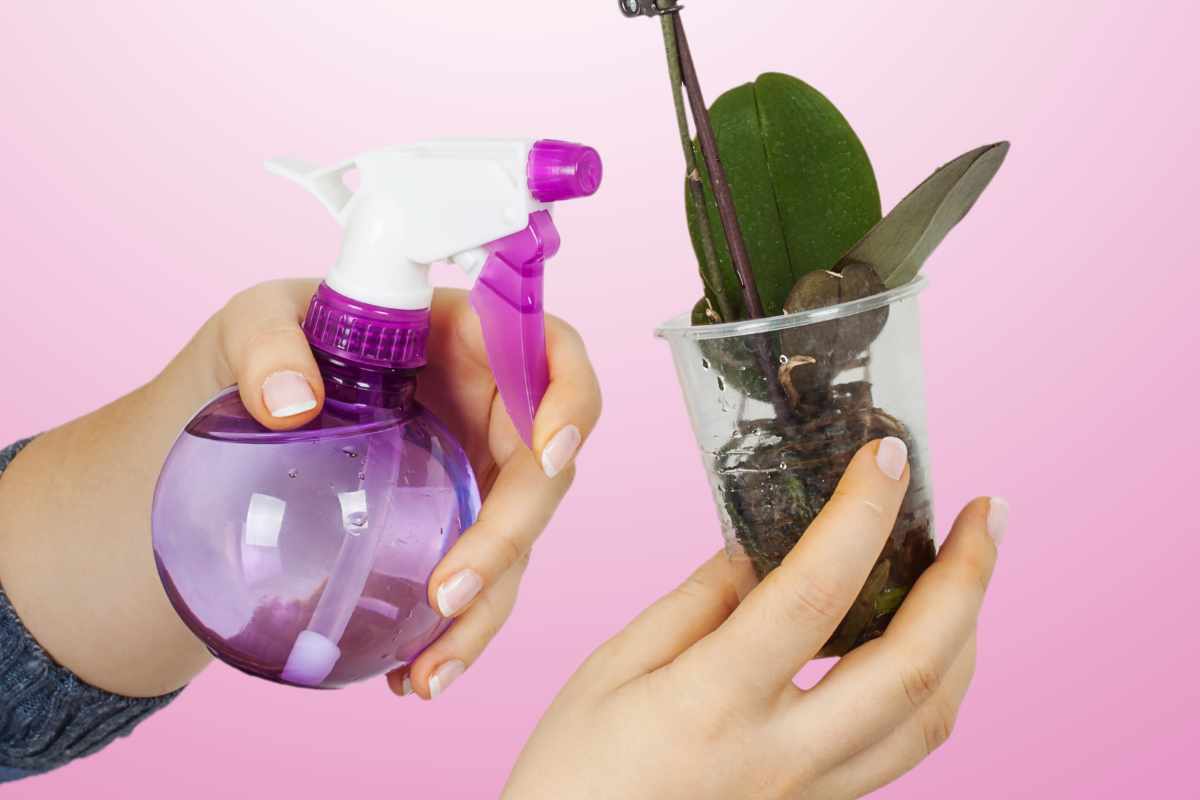
Orchids are sensitive to temperature fluctuations, so maintaining a stable environment is crucial.
Ideally, orchids should be kept between 65°F (18°C) and 75°F (24°C) during the day, and around 60°F (15°C) at night.
Humidity levels should be around 50-70%. If the air is too dry, consider using a humidity tray or room humidifier to maintain optimal conditions.
Pruning and Maintaining Your Orchid for Multiple Spikes
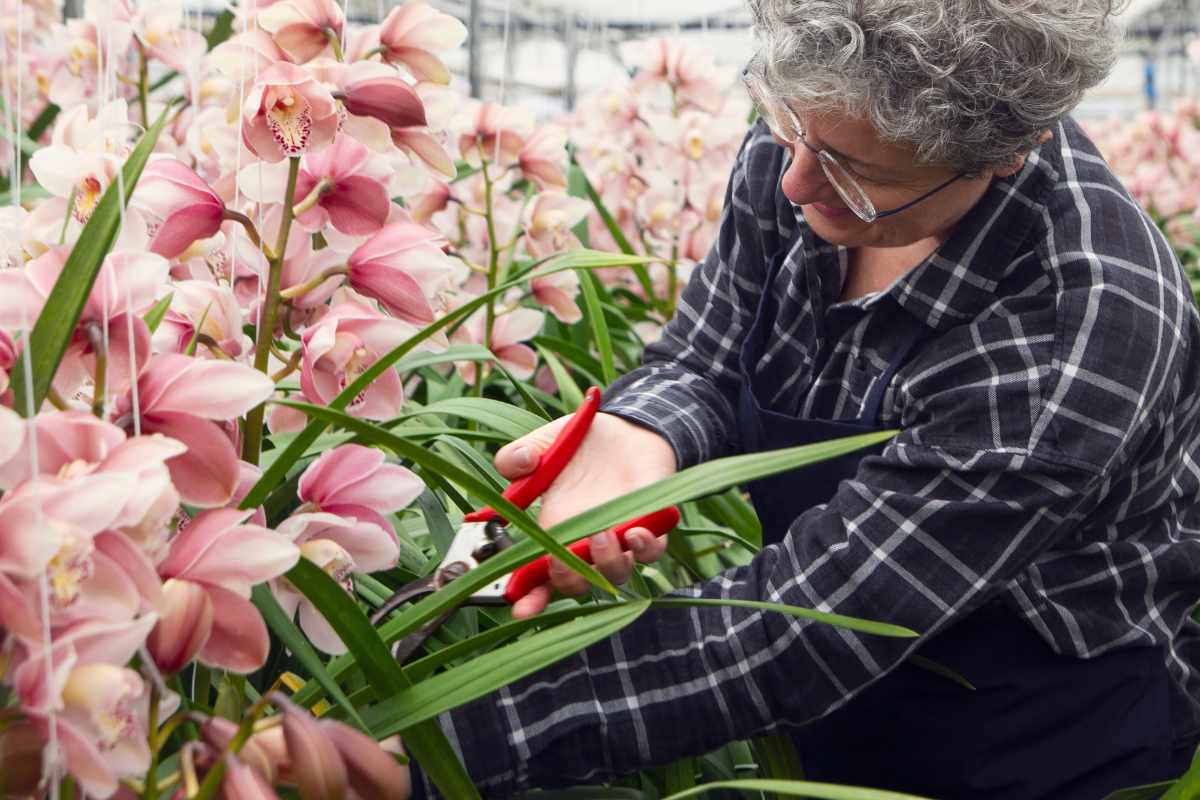
Pruning is an essential part of encouraging new growth. After an orchid’s flowers have finished blooming, it’s important to decide whether to cut back the spike or leave it.
Cutting the spike just above the node (the small bump on the spike) can encourage it to branch out and form multiple flower spikes.
If you don’t want to cut the spike, leaving it may lead to the orchid producing another round of flowers on the same spike.
To maximize the chances of multiple spikes, make sure to prune your orchid at the right time, usually after the first bloom cycle.
This helps the plant focus its energy on producing new growth instead of sustaining a spent spike.
Achieving Multiple Spikes
By providing your orchid with the right light, water, nutrients, and temperature, you can encourage it to produce multiple spikes of beautiful flowers.
Remember to prune carefully, and with patience and attention to detail, your orchid will reward you with multiple spikes that add a dramatic flair to its blooms.
Enjoy The Video Tutorial
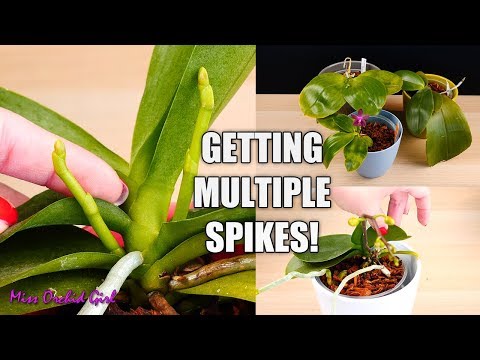
Source: MissOrchidGirl
Don’t forget to Subscribe to our Newsletter to receive amazing tips and tricks about Gardening and the FREE Ebook Green Living Strategies!
Did you find this post Useful or Inspiring? Save THIS PIN to your GARDENING Board on Pinterest! 😊

Once again, thank you for visiting our website!
We hope you've enjoyed exploring the content we've created for you.
Give yourself the chance to learn, get inspired, and have even more fun, keep browsing...
More Gardening Tips 👇🏼👇🏼