
How to Grow a VENUS FLY TRAP as an Indoor Plant!


If you’ve ever been fascinated by carnivorous plants, the Venus flytrap is a must-have in your indoor garden.
Known for its jaw-like traps that snap shut when prey touches them, Venus flytraps are not only visually captivating but also incredibly unique.
Growing one indoors can be a rewarding challenge, as they require specific care to thrive.
In this guide, we’ll cover everything you need to know to grow and care for your Venus flytrap as an indoor plant.
What is a Venus Flytrap?
The Venus flytrap (Dionaea muscipula) is a carnivorous plant native to the bogs of North and South Carolina in the United States.
Unlike most plants, it catches and digests small animals, mostly insects, to obtain nutrients from the poor, acidic soil in which it grows.
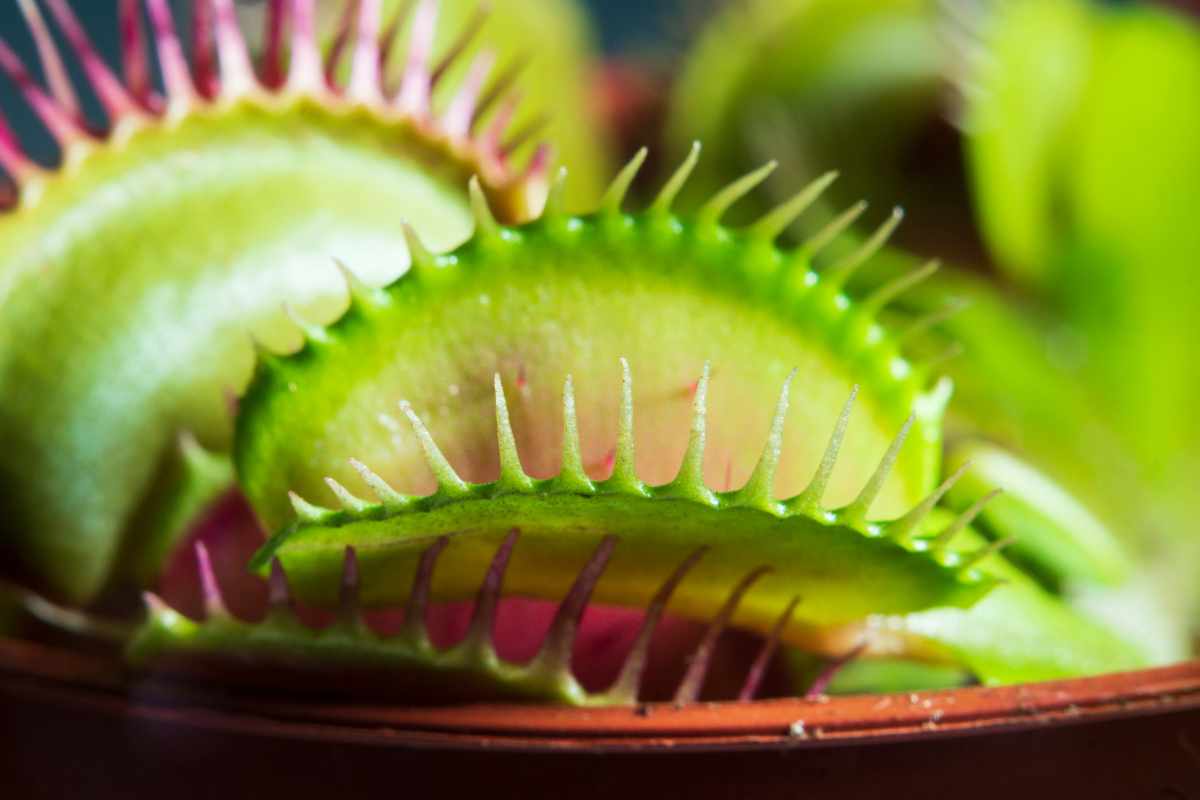
The trap mechanism consists of modified leaves that snap shut when tiny hairs on the inside of the traps are triggered by prey.

Why Grow a Venus Flytrap Indoors?
Venus flytraps are well-suited to indoor environments where you can control their light, humidity, and feeding schedule.
Growing a Venus flytrap indoors allows you to watch its fascinating behavior up close, and it can even help control pests naturally in your home.
Plus, caring for these unique plants can be a fun and rewarding experience.
Choosing the Right Pot and Soil
To give your Venus flytrap the best chance at thriving indoors, proper potting is crucial.
Choosing the Right Pot
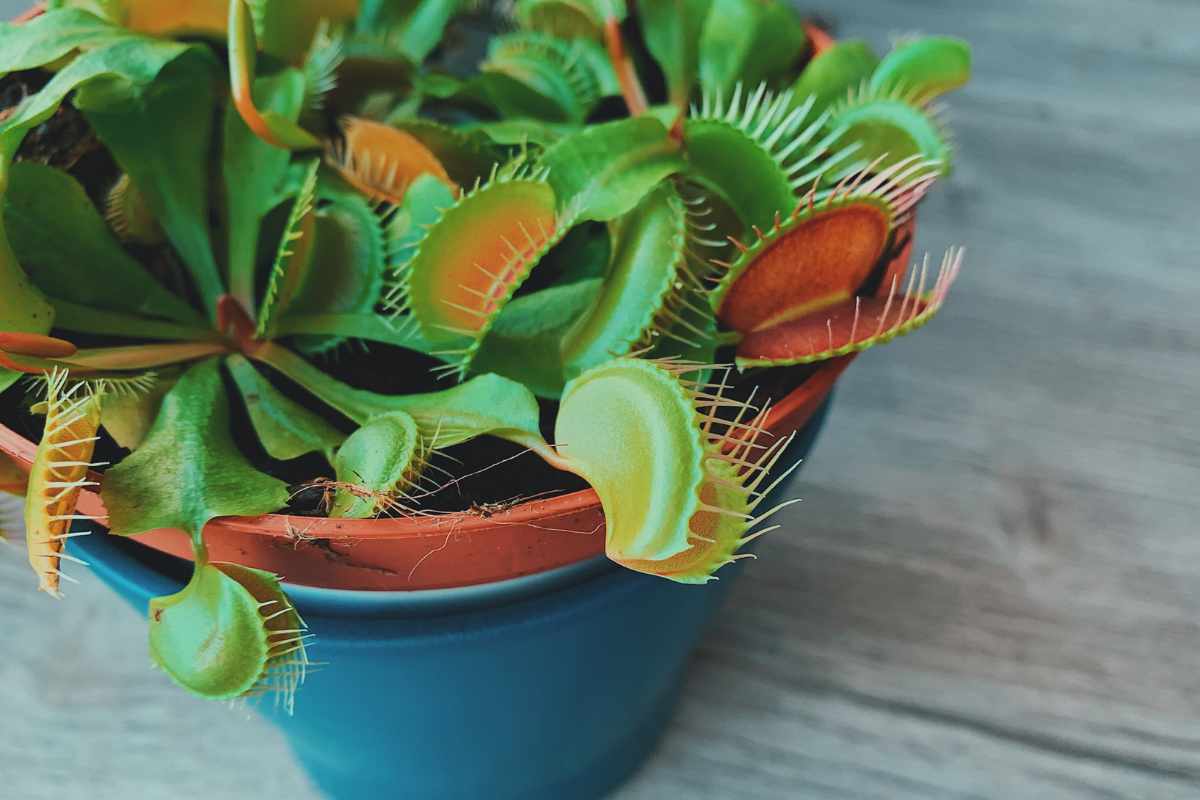
A small to medium-sized pot (4-6 inches) is ideal for Venus flytraps.
Ensure that the pot has drainage holes, as these plants do not like waterlogged soil.
A plastic or ceramic pot is a good choice, but avoid clay pots as they dry out too quickly.
Soil Requirements
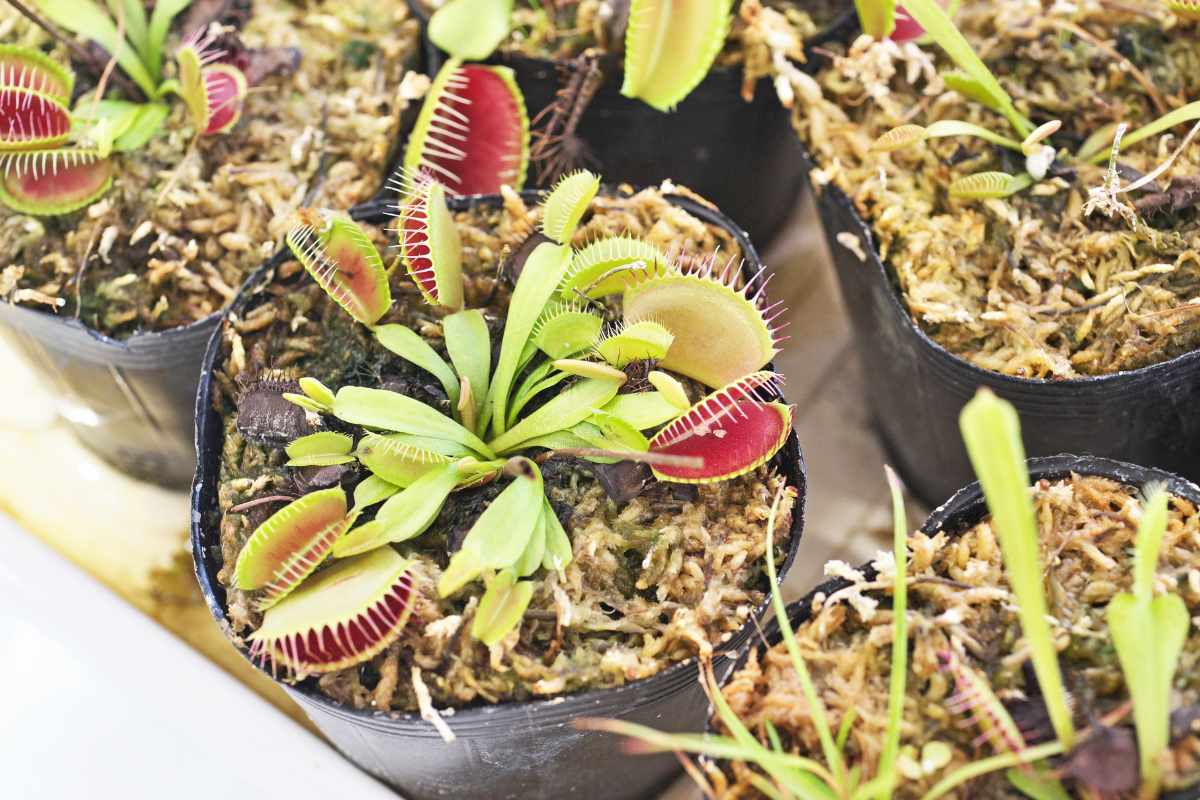
Venus flytraps need nutrient-poor, acidic soil. Use a mix of sphagnum moss and perlite or sand.
Avoid regular potting soil, as it is too rich in nutrients and can harm the plant.
Tip: Pre-packaged carnivorous plant soil is an excellent option if you're not sure about creating the right mix.

Light Requirements
Venus flytraps need a lot of light to thrive. Here’s how to ensure they get enough:
Natural Light
Place your plant near a south-facing window where it will get at least 4-6 hours of direct sunlight a day.
If you live in an area with limited sunlight or during the winter months, supplement natural light with a grow light designed for carnivorous plants.
These lights help mimic the natural light the plant needs for healthy growth.
Watering and Humidity
Watering is one of the most critical aspects of growing a Venus flytrap.
Watering
Use rainwater, distilled water, or reverse osmosis water. Tap water can contain minerals that may harm the plant.
Keep the soil moist but not soaked. A good method is to keep the pot in a shallow tray with water, allowing the plant to absorb moisture from the bottom.
Humidity
Venus flytraps thrive in high humidity. If the air in your home is dry, you can increase humidity by placing the plant in a humidity tray or grouping it with other plants.
Tip: Avoid misting the plant, as this can lead to mold and fungus growth.
Feeding Your Venus Flytrap
One of the most exciting aspects of caring for a Venus flytrap is feeding it.
While these plants get most of their nutrients from insects, it’s important to feed them properly.
What to Feed
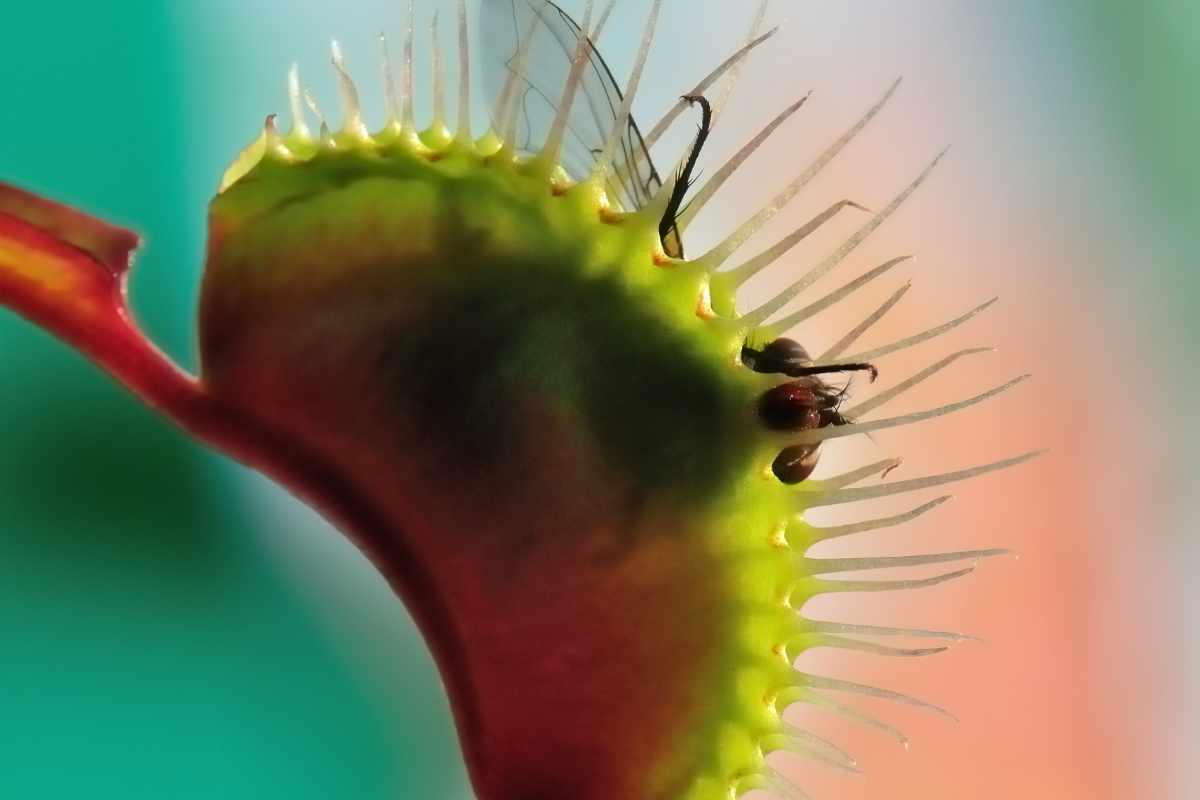
Insects: Venus flytraps prefer small insects like flies, ants, or spiders. You can feed them bugs caught in your home or buy insects from pet stores.
How Often: Only feed your plant once or twice a month, depending on the size of the traps. Overfeeding can stress the plant.
Feeding Tips: Never feed the plant anything larger than its traps can handle. The trap will only close a few times before it dies, so only feed the plant live or freshly killed insects to avoid rot.
The Importance of Dormancy
Venus flytraps require a dormancy period to stay healthy and continue growing.
This period typically lasts from late fall to early spring.
What is Dormancy?
Just like many plants, Venus flytraps need a period of rest. During dormancy, the plant slows down, and the traps die off.
This rest period helps the plant gather energy for the next growing season.
How to Care During Dormancy
Light: Reduce the amount of light during the dormancy period to mimic the shorter days of winter.
Temperature: Keep your plant in a cool spot (around 40°F to 50°F or 4°C to 10°C). A cool windowsill or an unheated room works well.
Watering: Water less frequently during dormancy, just enough to keep the soil from completely drying out.

Troubleshooting: Common Issues with Venus Flytraps
Even the most well-cared-for Venus flytrap can face some challenges. Here are a few common problems and solutions:
Yellowing Leaves
If the leaves of your Venus flytrap are turning yellow, it could be a sign of overwatering or exposure to too much sunlight.
Adjust your watering routine and ensure the plant isn’t in direct sunlight all day.
Blackened Traps
After a trap captures prey, it may turn black and die. This is normal; just trim off the dead trap to encourage new growth.
Mold Growth
Mold can develop on the plant if it’s kept too moist. Ensure proper air circulation and reduce humidity slightly if you notice mold growth.
Start Growing Your Venus Flytrap Today!
Growing a Venus flytrap indoors is a unique and rewarding experience that brings a touch of nature’s wonder into your home.
With the right care and attention, your Venus flytrap will thrive, feeding itself on insects and continuing to grow each season.
Start your Venus flytrap journey today, and enjoy the fascinating world of carnivorous plants!
Did you find this post Useful or Inspiring? Save THIS PIN to your Gardening Board on Pinterest! 😊

Once again, thank you for visiting our website!
We hope you've enjoyed exploring the content we've created for you.
Give yourself the chance to learn, get inspired, and have even more fun, keep browsing...
More Gardening Tips 👇🏼👇🏼