
How to Grow Summer Savory


Hello, how are you today? Welcome to our blog About Gardening. We hope you are very well and looking forward to a new post or Gardening Tutorial.
Today we want to share with you a special post:
Summer Savory: Plant Care and Growing Guide
Summer salt is an annual herb that is part of the mint family. It is sometimes used as a substitute or in conjunction with rosemary, thyme, or sage. With a spicy taste, it is less bitter than its savory winter cousin.
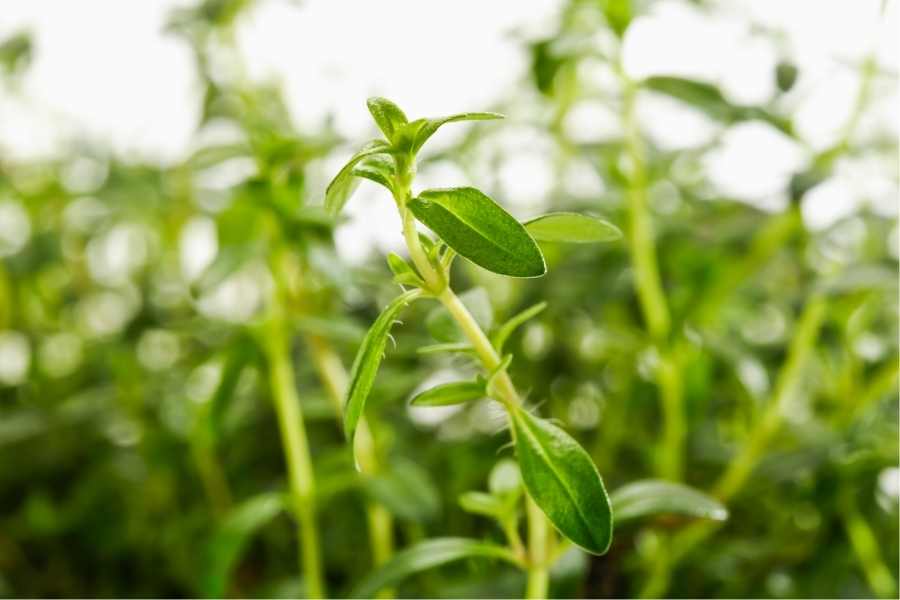
The grass is a low-growing shrub with narrow green leaves. During the summer, flowers appear on the plant, which can be white, lavender, or pink. Since summer salt is a fast-growing annual plant, it only grows during the summer months. Plant tasty summer seeds in spring.
| Botanical Name | Satureja hortensis |
| Common Name | Summer savory |
| Plant Type | Annual herb |
| Mature Size | 12-24 in. tall |
| Sun Exposure | Full sun |
| Soil Type | Loamy |
| Soil pH | 6.6-7.5 |
| Bloom Time | Summer |
| Flower Color | Pink, lilac, or white |
| Hardiness Zones | 1-11 (USDA) |
| Native Area | Eastern Mediterranean, the Caucasus |
| Toxicity | Non-toxic to humans and animals |
Summer Savory Care
An easy plant to grow, summer salt is a perfect starter herb if you live in a temperate climate.
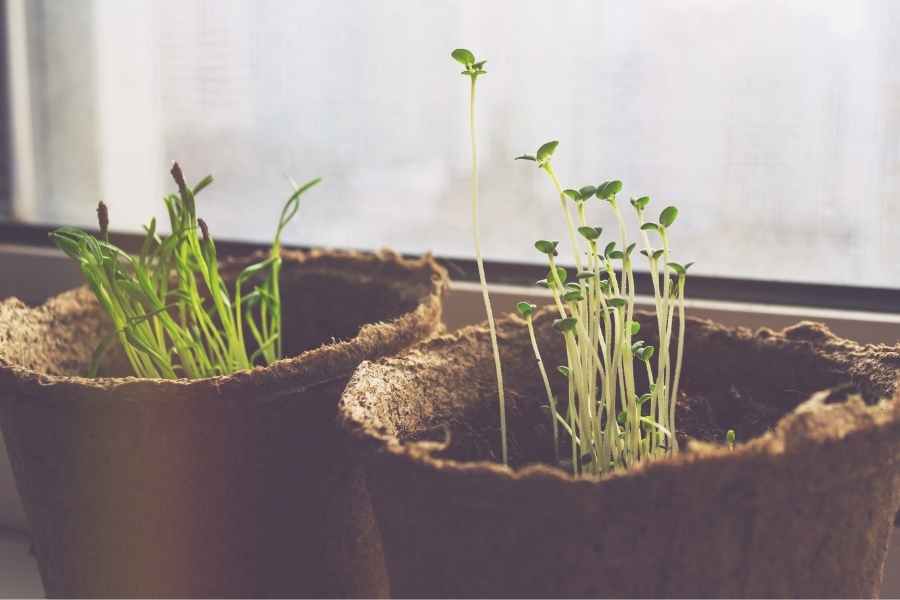
It can be sown directly into the garden soil in spring or sprout in pots placed in late winter. Summer salt doesn't need a lot of water or extra food. The plant grows in rich soil that is easy to drain and needs plenty of sun.
You can harvest all summer, but the leaves taste best just before the plant blooms. Once the plant begins to flower, much of the aroma and flavor will be lost. Ideally, the stems should be 6 to 8 inches long before harvest and can be used fresh or dried.
Light
Coming from the Mediterranean, it should come as no surprise that summer snacks need good conditions to thrive. It will be necessary to choose a position with a lot of direct sun. If you are using an indoor container, select a southern light window.
Soil
Summer sandwiches are not very demanding when it comes to the type of soil. The ideal, however, is a rich, clay and alkaline soil. It must be well-drained as the plant does not grow well in waterlogged soils.
Water
The tasty summer benefits from regular watering, especially while the plant is establishing itself. The soil should only be kept moist, rather than wet. Once well established, it won't be a problem if the soil is on the drier side, although daily watering when temperatures are warm is still beneficial.
Temperature and humidity
To thrive, the tasty summer benefits from temperatures between 60 and 85 degrees Fahrenheit. When sowing outdoors, wait until the end of spring frosts. Summer snacks, which were originally found throughout the eastern Mediterranean, grow best in warmer climates.
Fertilizer
You shouldn't need to use fertilizers for your tasty summer to flourish. If you want to use a few, a small amount of the all-in-one type will work well while the plant is growing.
Pruning
Summer salt has simple pruning needs - you can harvest the leaves while the plants are still small (4 to 6 inches tall), and then clamp the stems just before the first leaf knot to stimulate growth.
Propagating Summer Savory
While summer snacks can be re-seeded in a garden, they are also easy to propagate from seedlings if you want to give them to your friends or move them to a new location.
Select a cutout that is 4-5 inches long and make sure all the leaves have been removed from the bottom half. Put this in a glass of water and wait for new roots to form. When they are about 2 inches long, they are ready to transfer. Plant the tasty rooted summer cut in containers with well-drained, loamy soil. The soil should be moist, but not excessively moist.
How to Grow Summer Savory From Seed
The tasty summer seeds, usually planted in the spring, grow best in clay soils. If you plan to grow these seeds in your garden, you should wait until late spring, when severe frosts are least likely to occur. You may need to order seeds online instead of buying them from a garden center.
The seeds can be sown in pots in late winter if you plan to start the process indoors. Wait until April before taking them out. The seeds only need a light ground cover and usually begin to germinate within two weeks.
When the seedlings reach a few inches tall, you'll want to thin them out. This will ensure that the grass grows as thickly as it should. The seeds should not be covered and they need a lot of direct sunlight to work well.
Potting and Repotting Summer Savory
Summer snacks can thrive in containers with closed windows. This is actually the recommended method if you live in a place that can suffer from a hot flash, even in the summer months.
Rooted cuttings can be potted, allowing you to have a fresh supply of grass through the winter. Select a container that is at least 6 inches wide and deep and provides good drainage. Making sure to trim the branches will help produce healthy, bushy growth.
Enjoy This Video Tutorial About Planting Herbs
Source: Rainbow Gardens
Did you find this post Useful or Inspiring? Save THIS PIN to your GARDENING Board on Pinterest! 😊
Once again, thank you for visiting our website!
We hope you've enjoyed exploring the content we've created for you.
Give yourself the chance to learn, get inspired, and have even more fun, keep browsing...
More Gardening Tips 👇🏼👇🏼