
How to Take Care of Your Sarracenia


Sarracenia, also known as pitcher plants, are one of the most intriguing carnivorous plants you can grow.
Native to North America, they use their elegant tube-shaped leaves to trap and digest insects, making them both beautiful and fascinating.
With the right conditions, these plants can thrive at home or in your garden without too much effort.
Light, Water, and Soil
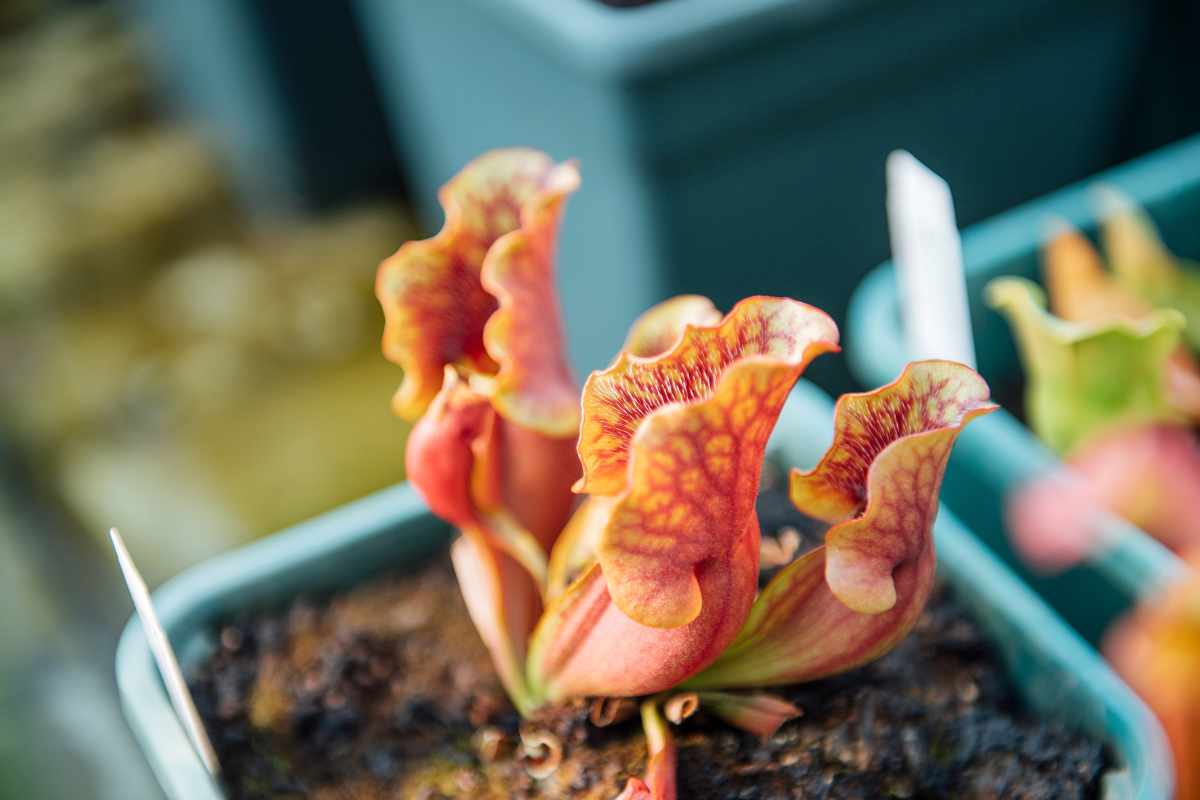
For Sarracenia, sunlight is everything. Aim for at least six hours of direct sun each day.
Outdoors is ideal, but if you’re growing indoors, place the plant by the brightest window or supplement with a grow light.
Their roots prefer damp, acidic, nutrient-poor soil, so a simple mix of sphagnum peat moss and perlite works perfectly.
When it comes to watering, always use rainwater, distilled, or reverse osmosis water.
Tap water usually contains minerals that can harm the plant. Keep the soil consistently moist during the growing season, but avoid waterlogging.
Feeding and Seasonal Rest
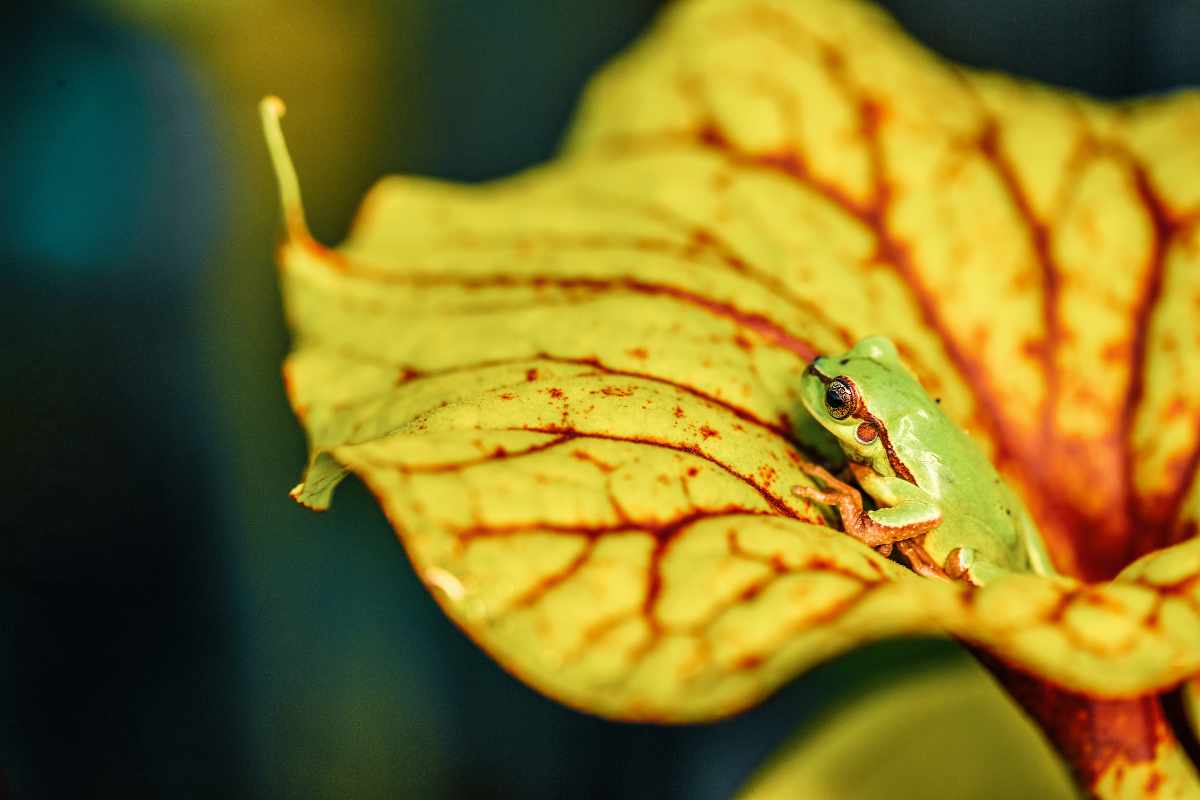
One of the joys of owning a pitcher plant is watching it feed itself. Outdoors, Sarracenia will naturally attract flies, ants, and other insects.
If your life is lived indoors and doesn’t catch enough prey, you can occasionally supplement with dried or live insects—just avoid using meat or regular fertilizers.
These plants also need a period of winter dormancy. A few months in cooler conditions (around 35–50°F / 1–10°C) will allow them to rest and come back stronger in spring.
During this time, reduce watering and let the plant slow down naturally.
Common Issues and Simple Fixes
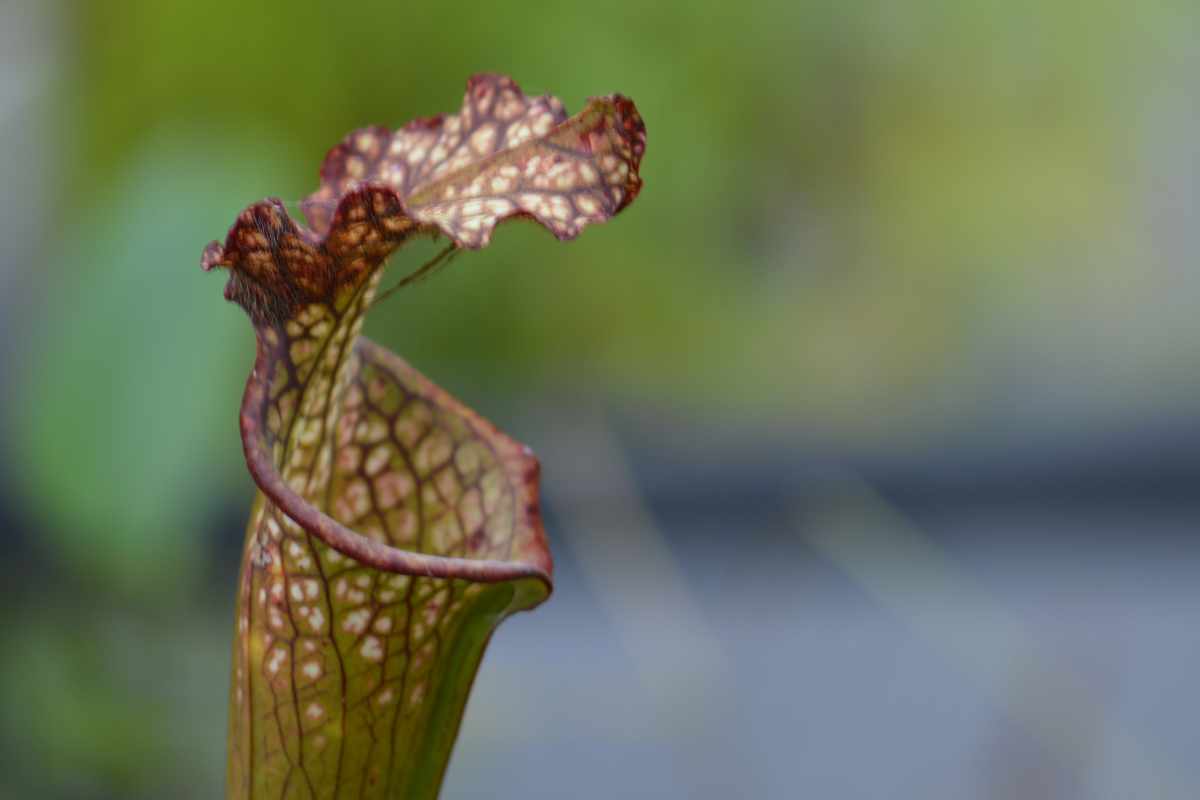
If your plant’s leaves begin to yellow, check the water quality and sunlight—it’s often one of these two factors.
Mold or fungus can appear if the soil is kept too wet without good airflow, so make sure the environment isn’t stagnant.
Although carnivorous, Sarracenia can still fall victim to pests like aphids; rinsing the plant or using a mild insecticidal soap usually solves the problem quickly.
A Plant Worth the Patience
Sarracenia grow slowly, but with the right care, they’ll reward you with striking shapes and colors that make them a true centerpiece.
Whether on a sunny windowsill or in a boggy corner of your garden, these pitcher plants offer a glimpse into the wild ingenuity of nature—beautiful, unusual, and endlessly captivating.
Enjoy This Video Tutorial

Source: AzFlora ENG
Don’t forget to Subscribe to our Newsletter to receive amazing tips and tricks about Gardening and the FREE Ebook Green Living Strategies!
Did you find this post Useful or Inspiring? Save THIS PIN to your GARDENING Board on Pinterest! 😊

Once again, thank you for visiting our website!
We hope you've enjoyed exploring the content we've created for you.
Give yourself the chance to learn, get inspired, and have even more fun, keep browsing...
More Gardening Tips 👇🏼👇🏼