
Making Your Phalaenopsis Orchid Bloom Again (For Beginners)


Phalaenopsis orchids, also known as moth orchids, are one of the best orchids for beginners. Their flowers are elegant, long-lasting, and surprisingly easy to enjoy indoors.
But after the blooms fall, many people think their orchid is done forever.
The good news is that it is not. With the right care, a Phalaenopsis orchid can bloom again and reward you with another beautiful flower spike.
The key is understanding what the plant needs after its first flowering cycle.
Why Your Phalaenopsis Orchid Is Not Blooming
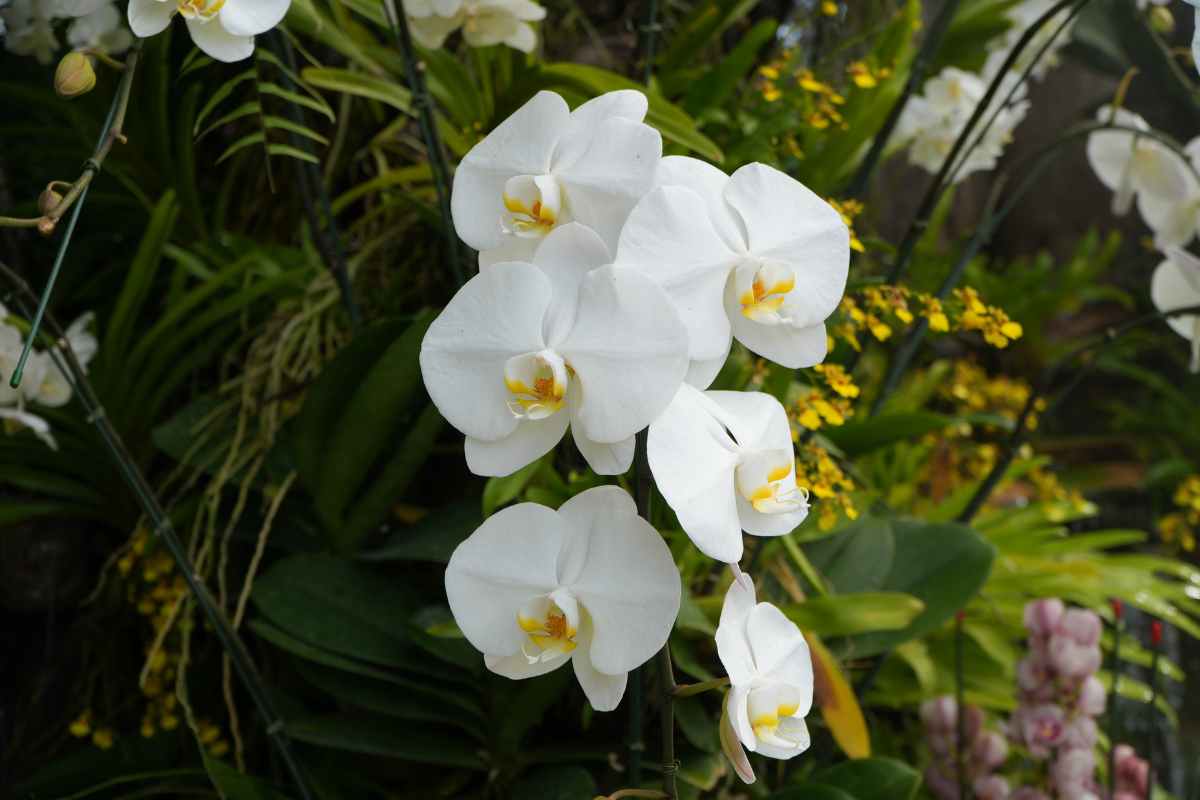
In most cases, your orchid is not dying — it is simply resting.
After blooming, Phalaenopsis orchids enter a recovery phase. During this time, the plant focuses on growing leaves and roots before producing another flower spike.
If reblooming takes too long, the most common reasons are:
not enough light
overwatering
lack of fertilizer
poor temperature conditions
stress from damaged roots
6 Steps to Help Your Orchid Bloom Again
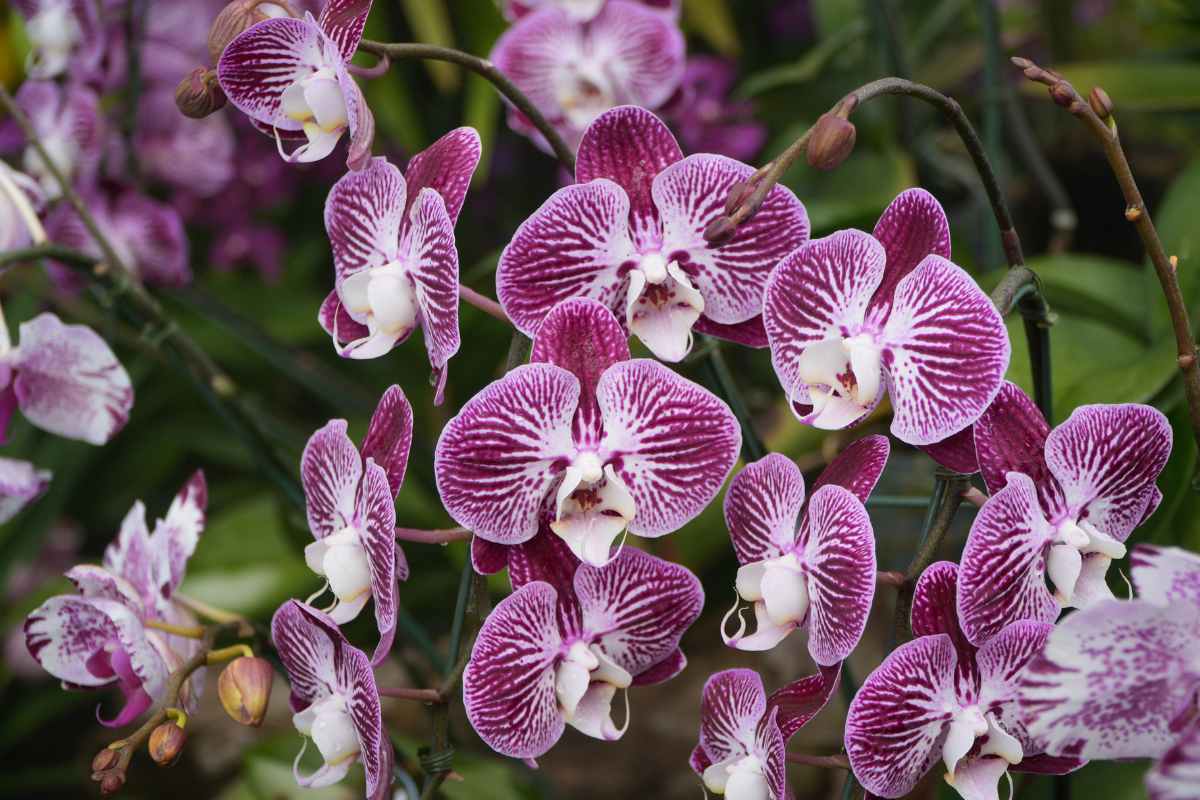
1. Give It Bright, Indirect Light
Light is one of the most important factors for reblooming.
Place your orchid near a bright window where it receives plenty of indirect sunlight. An east-facing window is often ideal. If the leaves are very dark green, your orchid may need more light.
Avoid strong direct sun, especially in the afternoon, because it can burn the leaves.
2. Water Correctly
Many orchids fail to rebloom because they are watered too often.
Water your Phalaenopsis only when the potting medium feels slightly dry. The roots should not stay soggy for long periods. Healthy roots are usually firm and green or silvery.
A good rule is to water thoroughly, let excess water drain completely, and never leave the pot sitting in water.
3. Feed With Orchid Fertilizer
Your orchid needs nutrients to produce a new flower spike.
Use a balanced orchid fertilizer at a weak dose during active growth. Feeding every couple of weeks is usually enough. This helps the plant build energy for future blooms without overwhelming the roots.
4. Let the Plant Recover After Blooming
Do not expect instant reblooming.
Once the flowers drop, your orchid may need several months to rest and grow. During this period, focus on healthy leaves and roots. A strong plant is much more likely to bloom again.
5. Encourage Reblooming With Slightly Cooler Nights
A small drop in nighttime temperature can help trigger a new flower spike.
If possible, keep your orchid in a place where nights are a little cooler than days for a few weeks. This gentle change often encourages the plant to start preparing for another flowering cycle.
6. Trim the Flower Spike the Right Way
After blooming, check the flower spike carefully.
If the spike is still green, you can trim just above a node and wait to see if a side spike develops.
If the spike turns yellow or brown, cut it back to the base because it is no longer active.
This helps the plant direct its energy where it is needed most.
Common Mistakes to Avoid
Beginners often make a few simple mistakes that delay reblooming:
keeping the orchid in low light
watering on a fixed schedule instead of checking the roots and bark
leaving water trapped in the crown
using regular potting soil instead of orchid mix
expecting flowers before the plant has recovered
Avoiding these issues can make a big difference.
How Long Does It Take for a Phalaenopsis Orchid to Bloom Again?
Patience is essential.
A healthy Phalaenopsis orchid may take several months to rebloom, and in many homes it flowers once or twice a year depending on care and conditions.
As long as the leaves and roots are healthy, your plant is still on the right track.
We hope you enjoy this video about How to Make Your Phalaenopsis Orchid Bloom Again
Source: MissOrchidGirl
Final Thoughts
Helping a Phalaenopsis orchid bloom again is mostly about consistency.
Give it bright indirect light, water carefully, feed lightly, and allow the plant time to recover. With patience, even beginners can enjoy beautiful blooms again.
If you are learning orchid care for the first time, this is one of the most rewarding plants to grow.
More Gardening Tips 👇🏼👇🏼