
Orchid Care for Beginners


Orchids are one of the most beautiful and elegant houseplants, captivating plant lovers with their exotic flowers and delicate charm.
Caring for orchids may seem intimidating at first, especially for beginners, but with the right knowledge, anyone can enjoy these stunning plants thriving at home.
Orchid Care for Beginners: Choosing the Right Orchid

When starting, it’s important to choose an orchid that’s beginner-friendly. Some of the easiest varieties include:

Phalaenopsis (Moth Orchid): Known for its long-lasting flowers and adaptability to indoor conditions.
Dendrobium: Produces elegant blooms and can handle a wider range of light conditions.
Epidendrum: Hardy and forgiving, ideal for beginners seeking vibrant colors.
Selecting the right orchid ensures you start your journey with a plant that is easier to maintain and more likely to flourish.
Ideal Growing Conditions
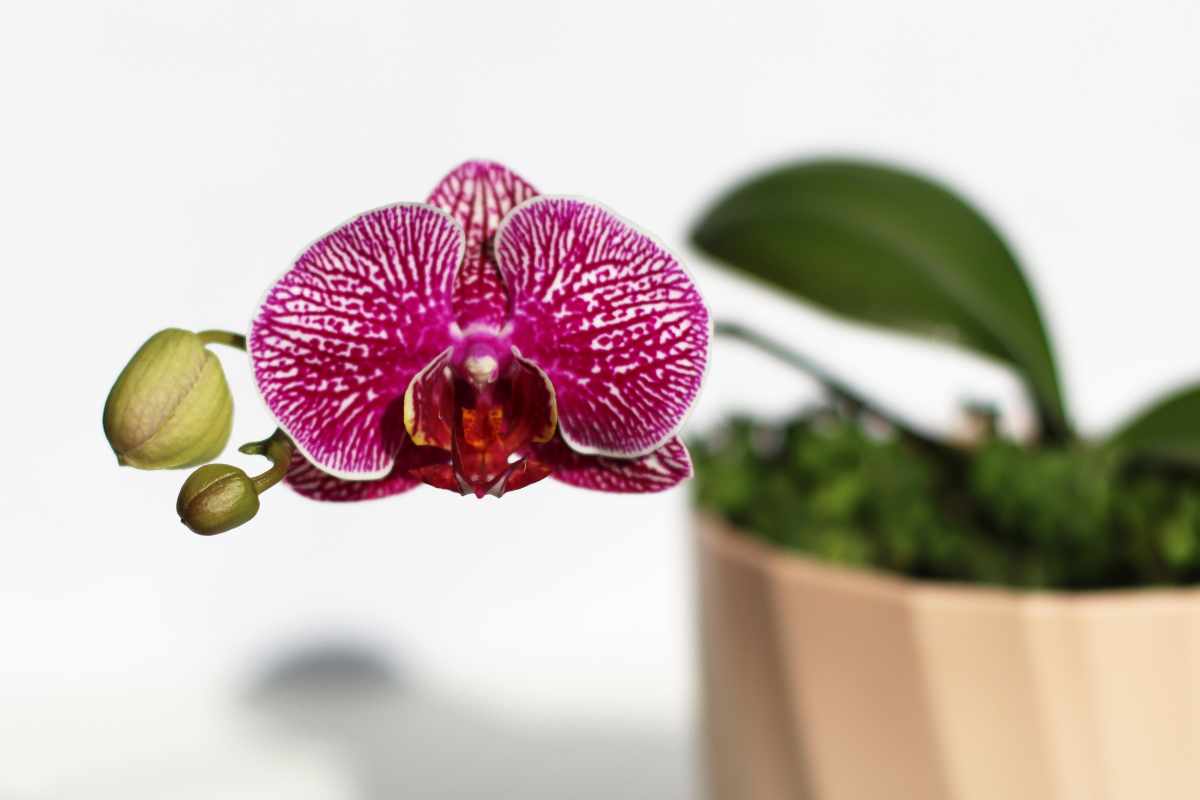
Orchids thrive when their basic environmental needs are met.
Paying attention to these conditions can make a big difference:
Light
Orchids generally prefer bright, indirect light. Avoid placing them in direct sunlight, as this can burn their leaves.
A north- or east-facing window is usually ideal.
Temperature
Most indoor orchids grow well in temperatures between 65–75°F (18–24°C) during the day and slightly cooler at night.
Sudden temperature changes should be avoided to prevent stress.
Humidity
Orchids thrive in moderate to high humidity (40–70%).
Using a humidity tray or placing the orchid near other plants can help maintain adequate moisture in the air.
Watering Your Orchid

Proper watering is one of the most crucial steps in orchid care. Follow these tips:
Water when the potting medium is nearly dry. Overwatering is the most common cause of orchid problems.
Use room temperature water and avoid letting water sit in the bottom of the pot.
Orchids grown in bark or moss require slightly different watering schedules, so observe your plant’s medium carefully.
Tip: Check the roots; healthy roots are green and firm, while gray or mushy roots indicate overwatering.
Fertilization
To encourage growth and blooming, orchids benefit from regular fertilization:
Use a balanced orchid fertilizer (20-20-20) diluted to half strength.
Fertilize every two weeks during active growth, and reduce feeding during rest periods.
This routine supports strong roots, lush foliage, and vibrant flowers.
Common Pests and Diseases
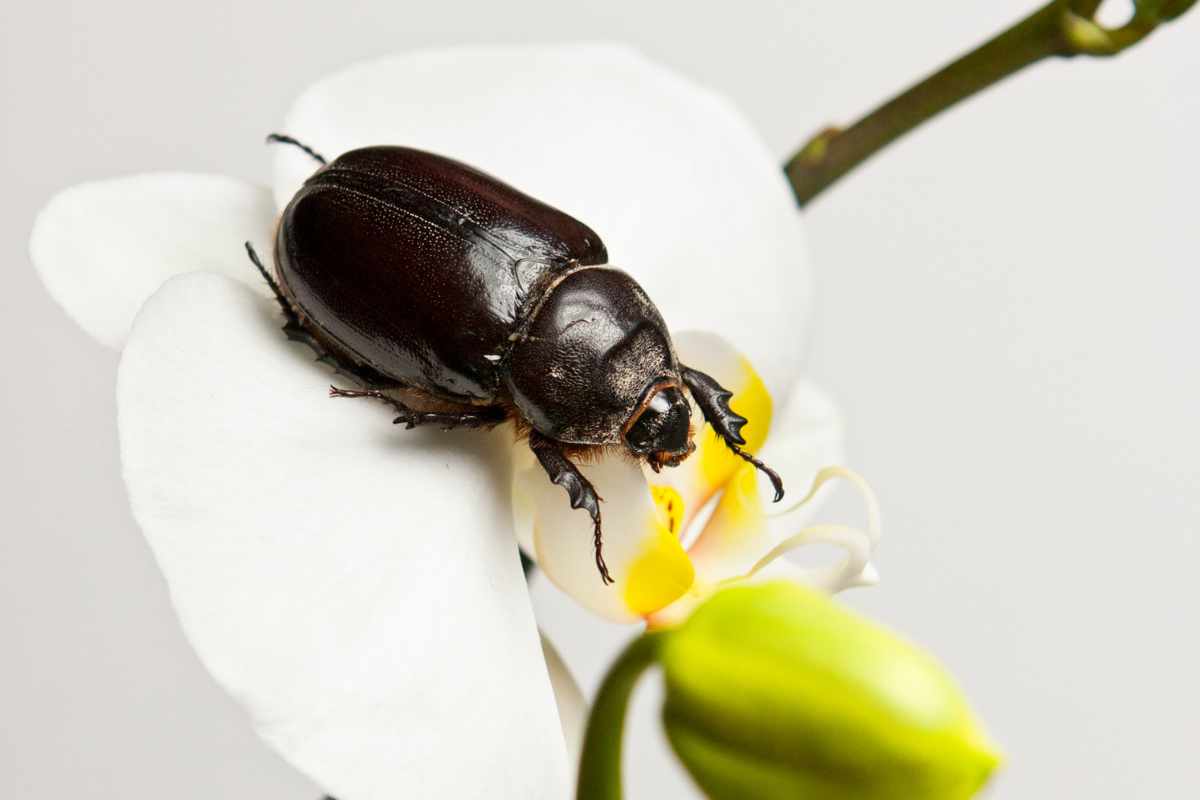
Orchids can be affected by pests and diseases, but early detection makes treatment easier:
Mealybugs and aphids: Remove them with a damp cotton swab or insecticidal soap.
Fungal infections: Ensure proper air circulation and avoid waterlogging the roots.
Leaf spots: Trim damaged leaves and adjust light and humidity levels if necessary.
Repotting and Propagation
Orchids should be repotted every 1–2 years or when the potting medium breaks down:
Use an orchid-specific bark or moss medium.
Gently remove old roots and trim any damaged ones.
Place the orchid in a slightly larger pot and secure it carefully.
Propagation can be done from keikis (baby orchids) that sometimes grow on the stem of mature orchids, allowing you to expand your collection naturally.
Encouraging Flowering

To enjoy the beautiful blooms, you need to create conditions that trigger flowering:
Maintain consistent light, temperature, and humidity levels.
Avoid excessive fertilization before blooming.
Remove spent flowers to encourage new growth and prevent stress.
Tip: Some orchids need a slight temperature drop at night to initiate flower spikes—perfect for home environments during cooler seasons.
Final Thoughts on Orchid Care for Beginners
With patience, attention, and the right environment, any beginner can enjoy healthy, flowering orchids.
By selecting the right species, providing proper light, water, and nutrients, and monitoring for pests, you can turn orchid care into a rewarding hobby that fills your home with color and elegance.
Explore our other guides on repotting, fertilizing, and propagating orchids to continue growing your knowledge and your beautiful orchid collection.
Enjoy The Video Tutorial

Source: MissOrchidGirl
Don’t forget to Subscribe to our Newsletter to receive amazing tips and tricks about Gardening and the FREE Ebook Green Living Strategies!
Did you find this post Useful or Inspiring? Save THIS PIN to your GARDENING Board on Pinterest! 😊

Once again, thank you for visiting our website!
We hope you've enjoyed exploring the content we've created for you.
Give yourself the chance to learn, get inspired, and have even more fun, keep browsing...
More Gardening Tips 👇🏼👇🏼