
Orchids Shouldn't Be Throw-Away Plants!! Here's How to Keep Them Alive


Orchids shouldn't be throw-away plants—they’re resilient, long-lived companions that can bloom beautifully year after year indoors.
If you’ve struggled with orchid plant care or you’re new to orchid care for beginners, this guide will help you read the plant’s signals, fix common issues, and build lasting orchid health without guesswork.
Quick Diagnosis: What Your Orchid Is Saying
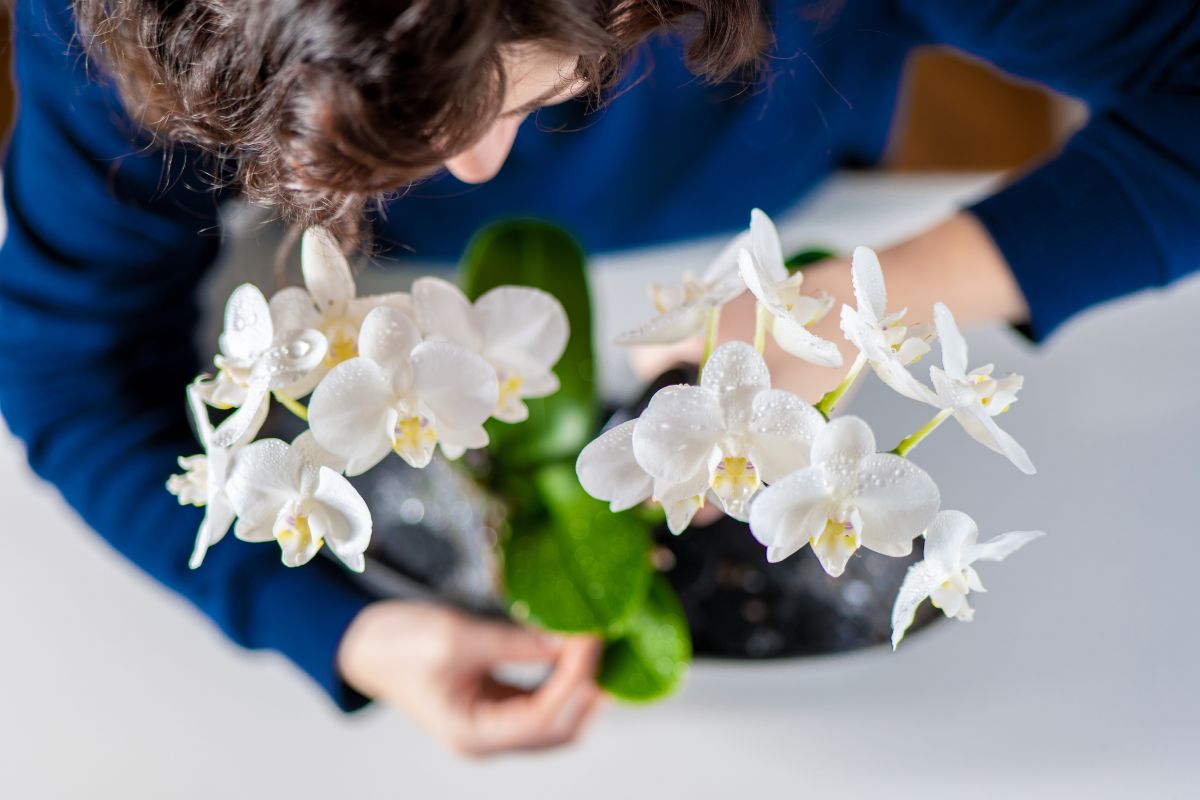 If you notice droopy orchid leaves, your plant is sending a clear message. Wilting can come from underwatering, low humidity, or a root system that’s suffocating in dense soil.
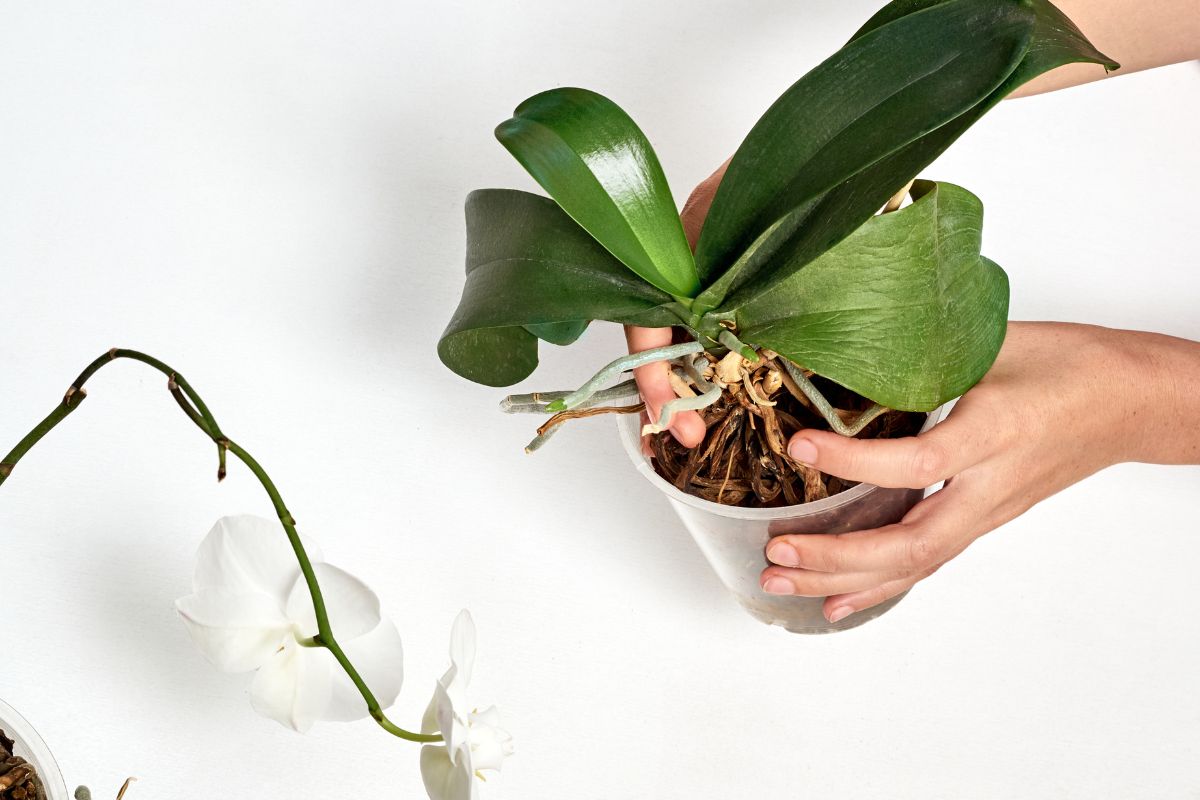
Start by checking the medium and roots: firm, silvery-green roots are healthy; mushy or brown ones need attention. Early checks prevent minor orchid problems from becoming irreversible.
Orchid leaf splitting often points to quick humidity swings or dry air near vents. It can also happen when leaves brush against sharp pot edges.
Smooth any rough surfaces and raise humidity around indoor orchids with a tray of pebbles and water or a small humidifier.
This is classic orchid care troubleshooting: fix the environment first, then the plant recovers.
Sometimes the plant simply looks like an orchid that needs care: pale leaves, stalled growth, or no blooms.
Before you panic, review light (bright, indirect), check watering frequency, and feel the medium. Consistency—more than intensity—wins with orchids.
Water, Light, and Air: The Big Three
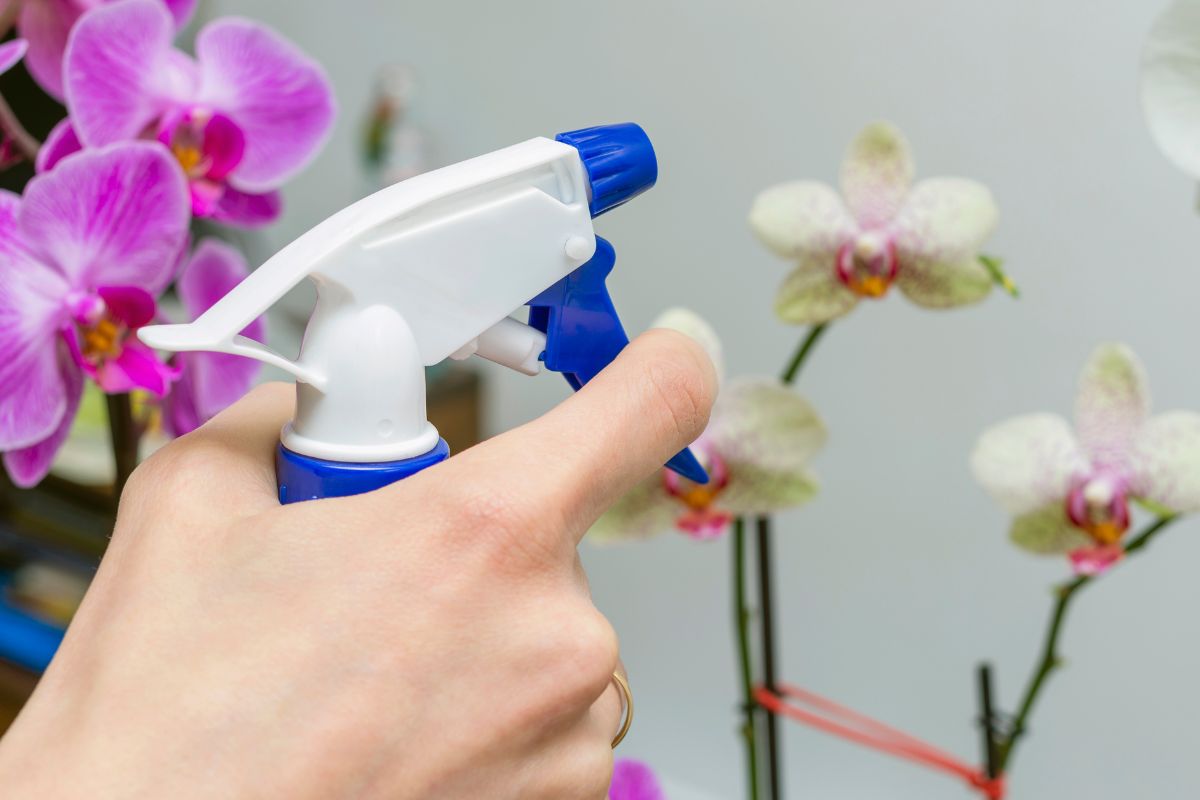 Watering is where many people go wrong. You may have seen “orchids in water” tutorials.
While semi-hydroponics can work for advanced growers, beginners usually succeed with a chunky medium that dries slightly between waterings.
Let the top feel nearly dry, then flush thoroughly so water runs out. That rhythm keeps roots oxygenated and reduces rot.
Light shapes bloom potential. Place indoor orchids near an east window or a bright spot with filtered light.
Dark, leathery leaves often mean too little light; yellowing or sunspots can indicate too much.
Air movement matters too—gentle circulation prevents fungal issues and keeps those roots breathing, which is essential for care for orchids in closed rooms.
Don’t forget the air roots. Aerial roots orchid maintenance is simple: never cram them into the pot.
Mist lightly when humidity is low, and trim only if a root is clearly dead and papery. Those silver tendrils are your plant’s built-in moisture meters.
Potting and Substrates That Actually Work
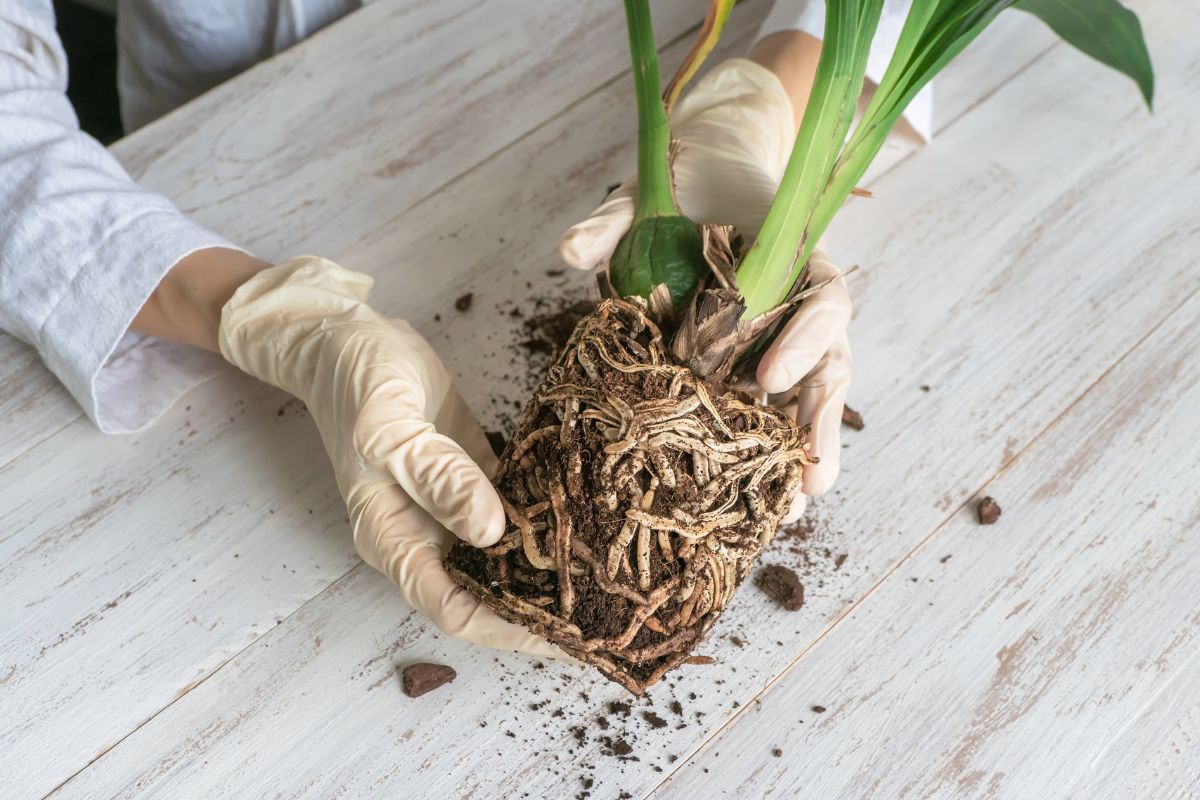 Good roots start with the best substrate for orchids. Choose a coarse, breathable mix—bark chunks, perlite, and a touch of sphagnum moss for moisture retention.
This structure lets water pass quickly while holding just enough moisture to rehydrate roots between waterings.
Think creatively with orchid potting ideas. Transparent pots help you see root color and moisture; decorative cachepots can hide nursery containers while maintaining airflow.
Whatever the look, prioritize function: drainage and aeration always come first.
Pick orchid plant pots with holes—plural. Side slits and bottom holes keep the medium from staying soggy and give roots the air they crave.
If you love ceramics, set the plastic orchid pot inside a ceramic cover and lift it out on watering day. That way you get style without sacrificing plant needs.
From Sick to Thriving: A Rescue Playbook
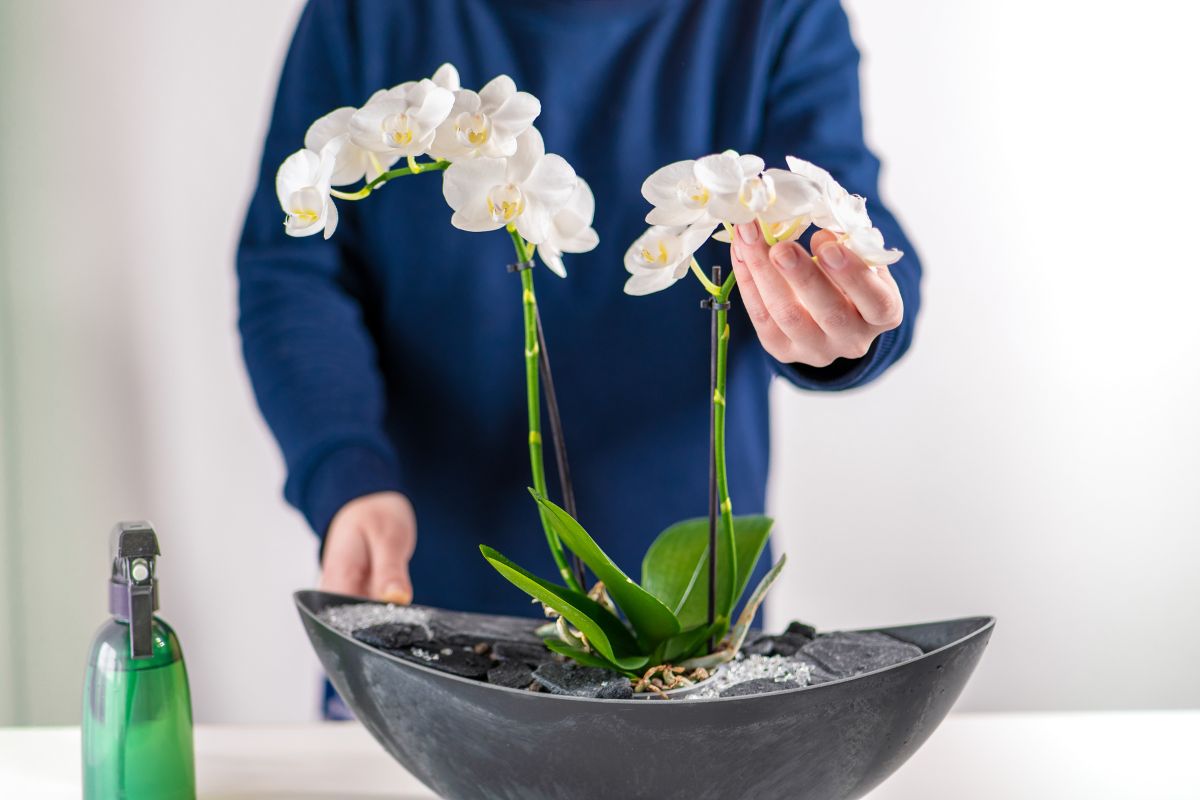 Don’t give up on a tired plant—revive orchid is a real possibility. Start with a gentle unpotting and inspection. Remove decomposed medium and clip dead roots with sterile scissors.
Repot in fresh bark, water well, then let excess drain fully. Place in bright, indirect light and keep humidity steady.
Wondering how to revive an orchid after blooms drop? Understand the cycle. After flowering, many orchids rest.
A dormant orchid isn’t dying; it’s resetting. During this phase, reduce fertilizer slightly, keep light bright, and maintain an even watering schedule.
New root tips and leaves are your green light that recovery is underway.
Track progress with simple metrics: firmer leaves, silvery-green root tips, and gradual leaf expansion.
These signs confirm improving orchid health and tell you your orchid care troubleshooting worked.
If growth stalls, revisit light and airflow; they’re often the missing pieces.
Propagation Without Tears
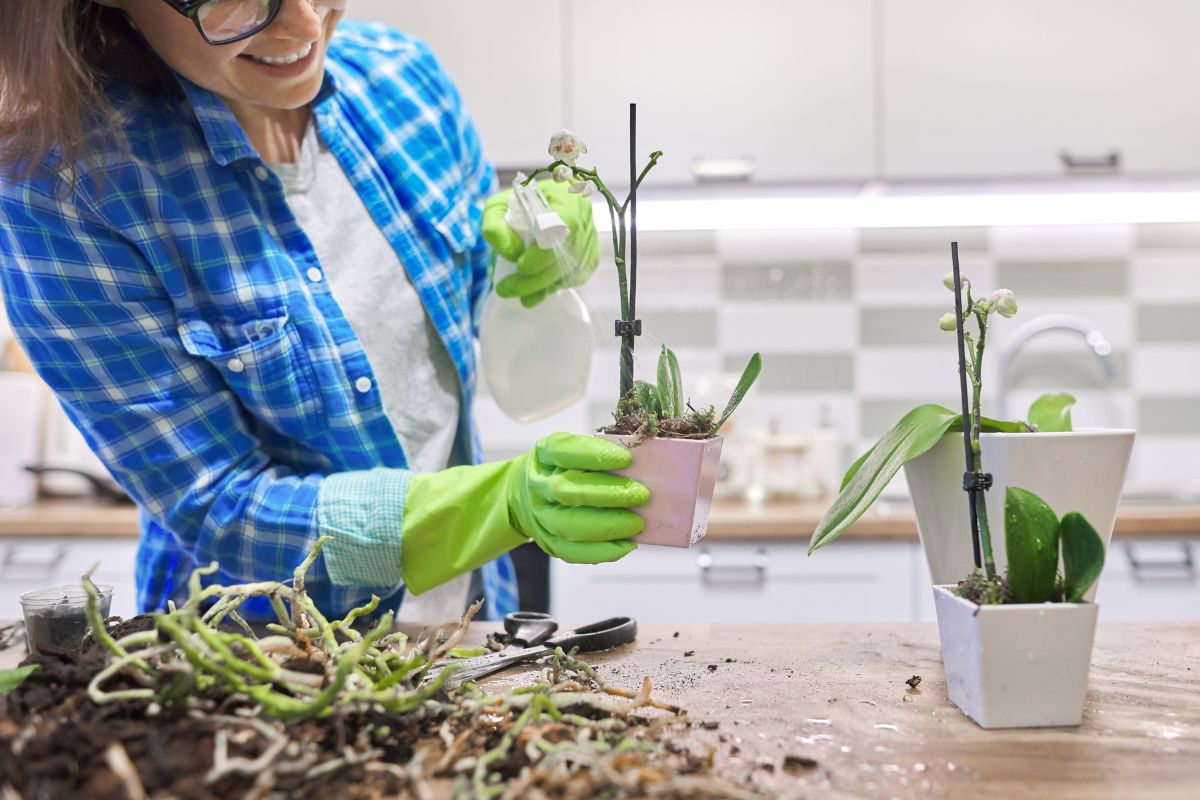 Curious about how to propagate orchids? Most home growers wait for keikis (baby plants) on the flower spike or at the base.
When roots on the keiki reach a few inches, detach gently and pot into a small, airy mix. Patience beats haste here.
Some species allow careful division or orchid cuttings from stem sections, but always research the species first—techniques vary.
Keep humidity high and light bright-but-soft while new roots develop. Continue thoughtful aerial roots orchid maintenance so new plants establish quickly.
Propagation is also about timing. Right after a rest phase or when new roots emerge, divisions take best.
Combine your method with sound orchid tips: sterile tools, fresh medium, and minimal root disturbance.
Routine That Keeps Blooms Coming
 Set a simple calendar for care for orchids: weekly visual checks, watering when the medium approaches dry, and monthly fertilizer at quarter to half strength during active growth.
Rotate the pot for even light, and wipe leaves occasionally so they can photosynthesize efficiently.
This low-maintenance routine turns a struggling plant into a steady bloomer.
With good habits, you’ll prevent most orchid problems before they start—and you’ll never again see orchids as disposable.
Keep Learning with Urbaki Gardening
Ready to go deeper? Explore our guides on light, substrates, and repotting to level up your skills with orchid plant care.
You’ll find practical ideas for orchid potting ideas, watering rhythms, and year-round maintenance so your collection thrives.
Want more? Browse our latest tutorials for orchid tips that fit real homes and busy schedules.
Grow with us—and prove that Orchids shouldn't be throw-away plants when you give them the right support.
Don’t forget to Subscribe to our Newsletter to receive amazing tips and tricks about Gardening and the FREE Ebook Green Living Strategies!
Did you find this post Useful or Inspiring? Save THIS PIN to your GARDENING Board on Pinterest! 😊

Once again, thank you for visiting our website!
We hope you've enjoyed exploring the content we've created for you.
Give yourself the chance to learn, get inspired, and have even more fun, keep browsing...
More Gardening Tips 👇🏼👇🏼