
Scindapsus Pictus Full Care Guide + Propagation


Scindapsus pictus care and propagation can be refreshingly simple once you understand what this silver-flecked vining plant needs.
If you’ve ever searched for how to care for satin pothos or wanted quick satin pothos care tips, this guide translates the essentials into practical steps you can use today.
Scindapsus Care Guide: Light, Water, and Humidity
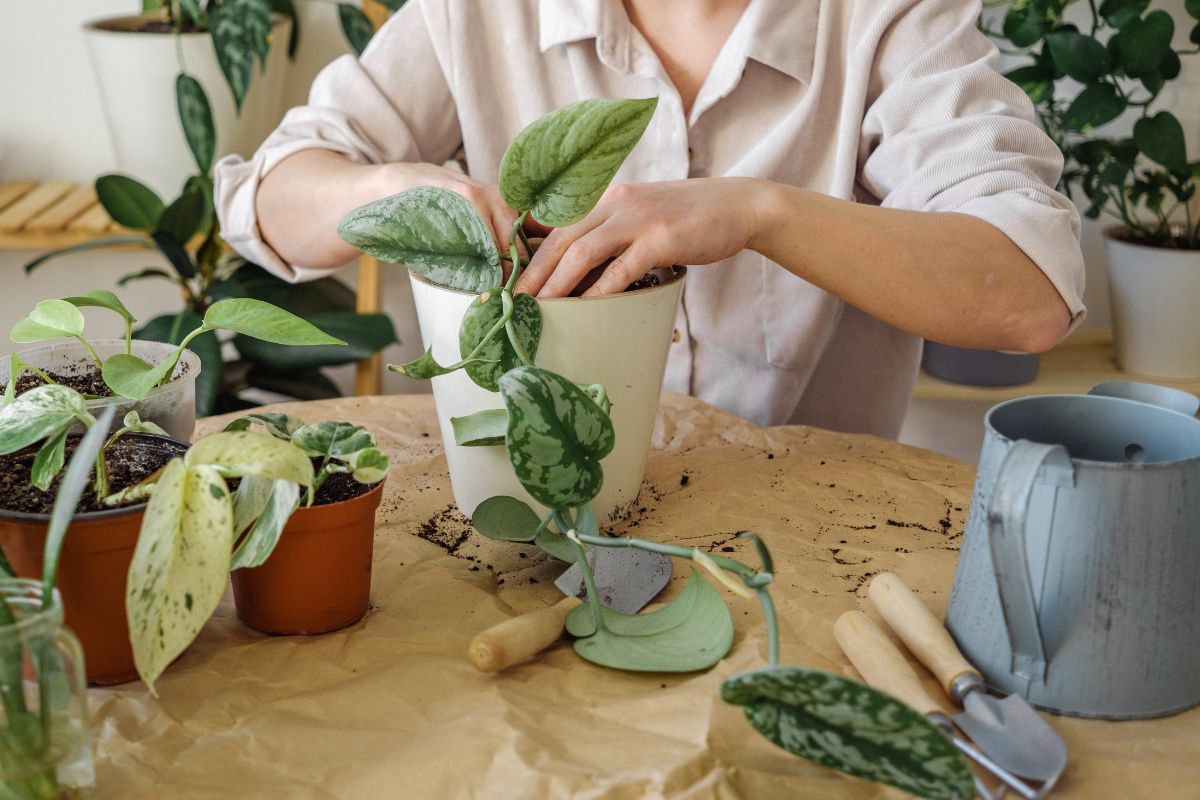 This is your concise scindapsus care guide. Give your plant bright, indirect light to keep the foliage vivid and the silvery pattern sharp.
Too little light reduces variegation; too much direct sun can scorch leaves. Aim for a spot near an east or north window with filtered rays.
Water when the top inch of soil feels dry. The species tolerates a little drought better than constant moisture, so err on the dry side.
Moderate humidity (40–60%) helps prevent crispy edges and supports steady growth. A pebble tray or grouping plants together can gently raise humidity without fuss.
Use a well-draining mix so roots can breathe. A blend of high-quality potting soil with perlite or bark chunks works beautifully.
Consistent conditions will reward you with fuller vines and healthier leaves.
Soil & Containers: From Soil Mixes to Satin Pothos Plant in Pots
 For roots to thrive, start with a chunky medium. When potting a satin pothos plant in pots, choose containers with large drainage holes and resist upsizing too quickly—tight roots encourage dense foliage.
Refresh the top few centimeters of mix once or twice a year to keep nutrition and structure on point.
If you’re working with variegated forms, the soil still matters. A well-aerated blend supports stable coloring and active growth.
That’s why many growers emphasize variegated pothos plant in soil that balances moisture retention with airflow; it keeps leaves glossy and reduces the risk of root rot.
Repot every 18–24 months or when you see roots circling. Move just one size up. This small step helps the satin pothos plant acclimate faster and minimizes transplant shock.
Feeding, Training, and Scindapsus Pothos Styling
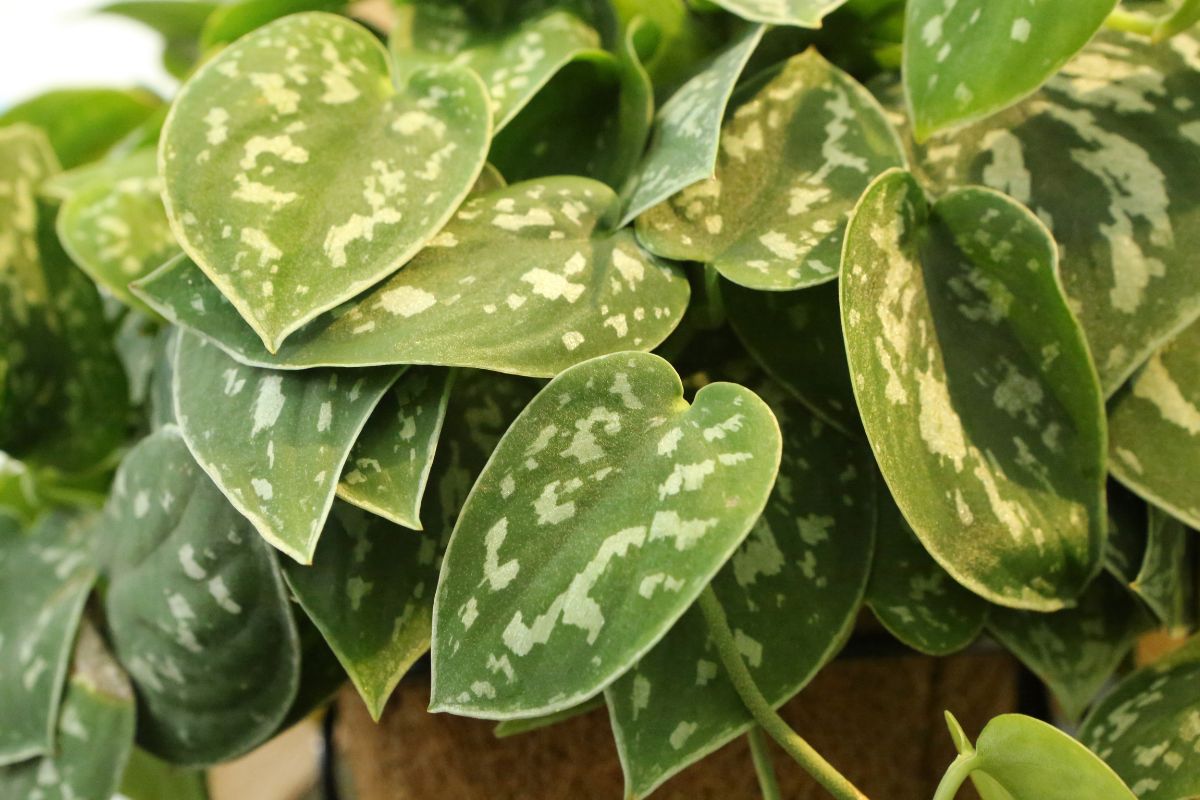 During spring and summer, feed lightly with a balanced, diluted fertilizer every 4–6 weeks. Skip winter feedings when growth naturally slows.
Gentle nutrition supports the delicate silver pattern without forcing weak, leggy vines.
Let your scindapsus pothos trail from a shelf or guide it up a moss pole for bigger, more dramatic leaves.
Pruning long runners encourages branching, making the plant fuller. Wipe leaves occasionally to remove dust and help them photosynthesize efficiently.
These routine scindapsus care tips keep maintenance low and results high: stable light, measured water, breathable soil, and periodic trims for shape and vigor.
Propagation: Silver Satin Pothos Propagation Made Easy
 Ready to multiply your plant? Silver satin pothos propagation is straightforward.
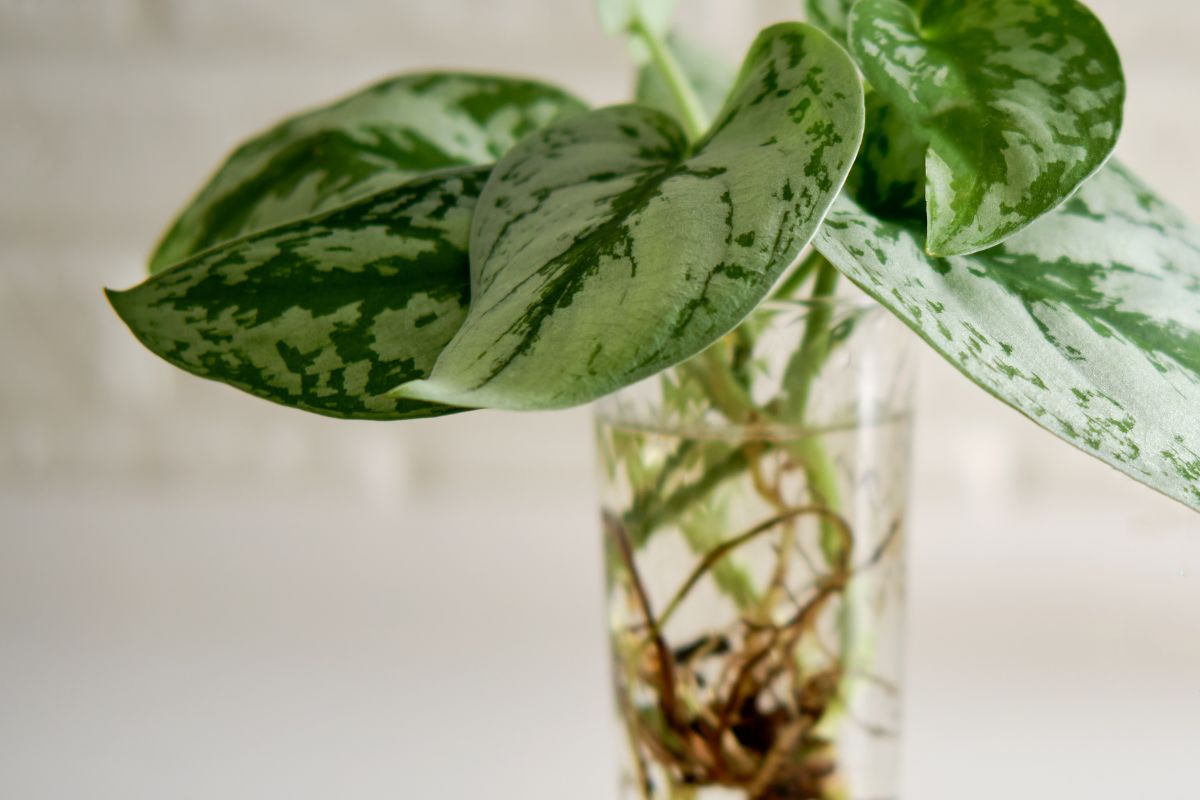
Take a vine cutting with at least one node (the little bump where roots form), remove the lower leaf, and place the node in water or directly in a moist, airy mix. Warmth and bright, indirect light speed things along.
Whether you prefer water-rooting or potting straight into substrate, consistent moisture—not soggy conditions—is the secret.
Label and date your cuttings so you can track progress and celebrate milestones.
This gentle approach works across forms, so your satin pothos propagation projects can quickly become a collection of healthy sister plants for your home—or for sharing with friends.
Species & Cultivars: Scindapsus Pictus Care, Trebie, and More
 Across the group, scindapsus pictus care follows the same fundamentals: bright filtered light, airy soil, and careful watering.
As leaves mature, the silver variegation intensifies, especially when vines are allowed to climb.
If you’ve encountered scindapsus pictus trebie care tips, you’ll notice they echo the broader playbook—Trebi appreciates the same light and substrate, with slightly firmer leaves that enjoy consistent humidity.
Keep the mix open and avoid waterlogging to protect those patterned blades.
Common names vary—many call it satin pothos (often misspelled as satin pathos). Don’t worry about the label; the cultural needs remain consistent, and these vines reward patience with shimmering foliage.
Quick Answers: How to Care for Satin Pothos
People frequently ask about how to care for satin pothos day-to-day. Think of it as “light, then water.”
If the plant gets enough filtered brightness, watering becomes easier—soak thoroughly, then let excess drain and the top layer dry before the next round.
Pair that with occasional pruning and periodic repotting, and you’ve covered the most important satin pothos care basics.
Avoid cold drafts, rotate the pot monthly for even growth, and dust the leaves so the silver speckles shine.
Follow these variegated pothos care tips to maintain color: increase light gradually, never jump from shade to direct sun, and keep nutrients steady but gentle.
Your vines will respond with richer contrast and firmer leaves.
Enjoy This Video Tutorial About Plants

Source: Erika Lodes
Don’t forget to Subscribe to our Newsletter to receive amazing tips and tricks about Gardening and the FREE Ebook Green Living Strategies!
Did you find this post Useful or Inspiring? Save THIS PIN to your GARDENING Board on Pinterest! 😊

Once again, thank you for visiting our website!
We hope you've enjoyed exploring the content we've created for you.
Give yourself the chance to learn, get inspired, and have even more fun, keep browsing...
More Gardening Tips 👇🏼👇🏼