
The Best Way to Transplant a Venus Flytrap


Transplant a Venus Flytrap the right way and you’ll set your plant up for seasons of growth.
In this quick guide inspired by the video below, we explain what you’ll learn, when to repot a venus fly trap plant, and the care tweaks that matter most for long-term health.
It reads like a friendly venus flytrap plant care guide without spoiling the creator’s full demo.
Whether you grow a venus fly trap house plant on a sunny windowsill or keep a small bog in your patio, proper repotting supports strong roots, larger traps, and reliable growth.
We’ll also touch on venus fly trap plant benefits and realistic venus fly trap plant uses—from education to a little natural fascination—so expectations stay grounded.
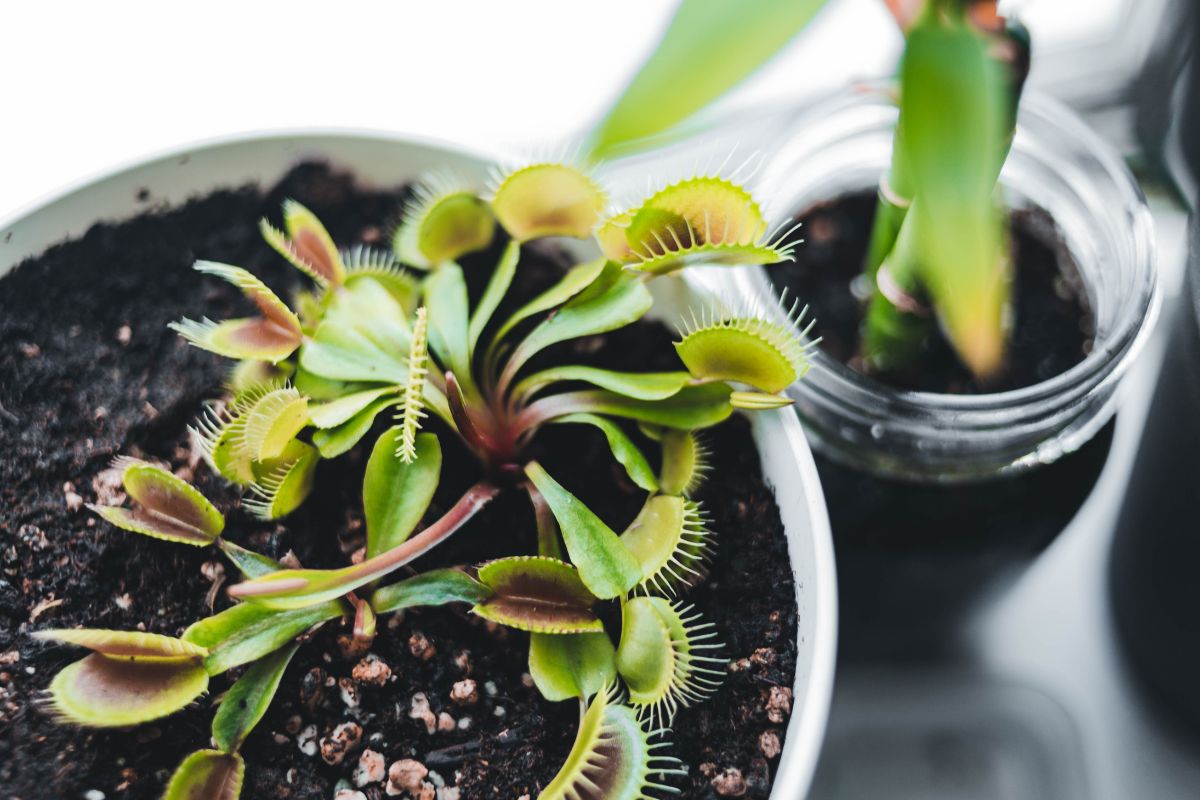 When and Why to Transplant a Venus Flytrap
Repotting refreshes depleted media and gives the rhizome room to expand. If your plant is cramped, drying out too fast, or came in peat with unknown additives, it likely needs a new pot.
A healthy repot also improves recovery from shipping or neglect and helps with issues like a venus fly trap turning black at the tips due to old growth and mineral buildup.
Many hobbyists repot in late winter to early spring as growth resumes.
If heat is intense, some growers mention a so-called venus fly trap summer dormancy—really more of a slowdown from stress—so avoid major disturbances in extreme heat.
The video shows smart timing considerations so you move your plant when it will bounce back fastest.
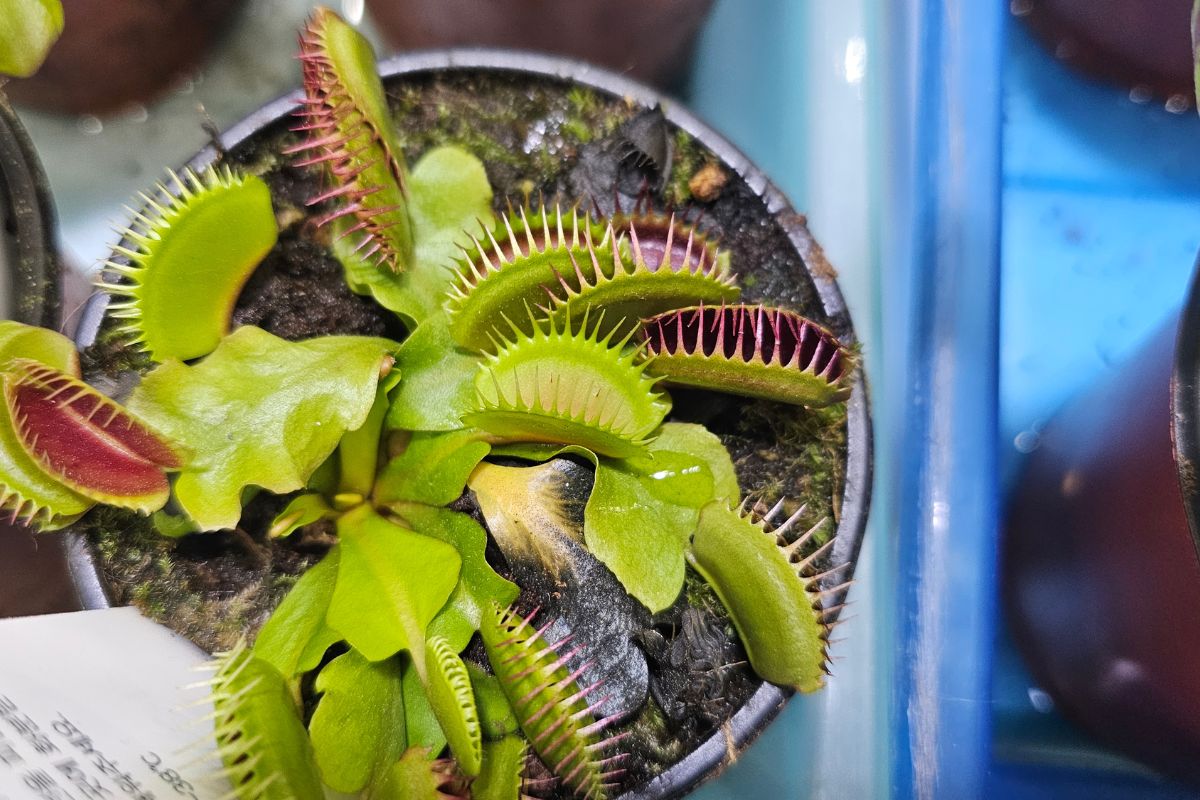 Light, Water & Dormancy Essentials
Bright light is non-negotiable: meet your venus fly trap sunlight needs with several hours of direct sun or strong grow lights.
Without sufficient light, traps stay small and weak, and you’ll wonder why your venus flytrap not catching bugs problem persists.
Good light powers digestion and fuels new growth after the move.
Use pure water (rain, RO, or distilled) and a lean carnivorous mix. After transplant, keep media evenly moist, not flooded.
The creator also touches on seasonal rest—cooler months trigger dormancy, so growth slows and older leaves die back.
These fundamentals are the backbone of sensible venus flytrap care and practical venus fly trap maintenance.
 What You’ll See in the Video
Instead of a step-by-step transcript, here’s what you’ll learn: how to unpot gently, tease old media from the rhizome, and set the crown at the right height without damaging new growth.
You’ll see how a venus flytrap with open trap responds as it settles, plus spacing tips if you’re dividing clumps.
The creator explains pot size choices, media rinsing, and watering technique right after repotting.
Expect practical venus flytrap maintenance advice that you can apply immediately, whether you’re keeping a single plant or building a small bog bowl for your venus flytrap plant nature garden.
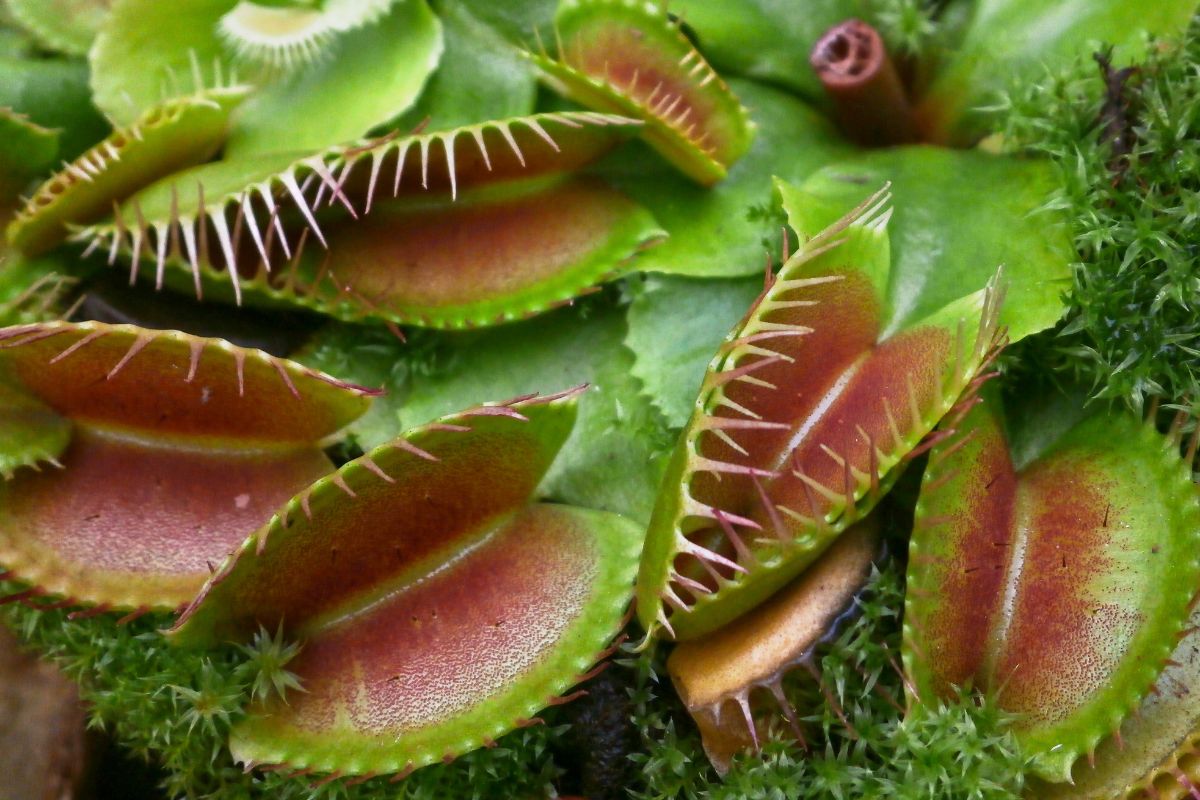 Troubleshooting After Repotting
Traps turning dark? Some blackening is normal as old leaves age out, but persistent die-off can signal minerals, low light, or rot. Improve light and water quality first to address that venus fly trap turning black worry.
Not catching prey? Healthy plants don’t need constant feeding, and a venus flytrap plant with insects will find some on its own outdoors.
Indoors, if your venus flytrap not catching bugs, increase light and airflow; catching is a bonus, not the main food source. Focus on overall vigor.
Open but not closing? A venus flytrap with open trap isn’t necessarily unhappy—new traps “arm” themselves after a few days. If they stay open for long, re-check your venus fly trap sunlight needs and watering routine.
With a good repot and consistent care, your venus fly trap plant will thrive. The video offers a concise, visual venus flytrap plant care guide you can revisit any time, perfect for beginners who want clear, real-world examples.
Video credit: original YouTube creator (see link below).
Enjoy The Video Tutorial
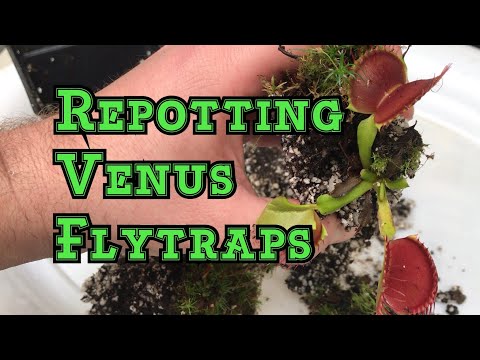
Source: Brads Greenhouse & Gardening
Don’t forget to Subscribe to our Newsletter to receive amazing tips and tricks about Gardening and the FREE Ebook Green Living Strategies!
Did you find this post Useful or Inspiring? Save THIS PIN to your GARDENING Board on Pinterest! 😊

Once again, thank you for visiting our website!
We hope you've enjoyed exploring the content we've created for you.
Give yourself the chance to learn, get inspired, and have even more fun, keep browsing...
More Gardening Tips 👇🏼👇🏼