
Tips and Tricks to Cobra Lily Care

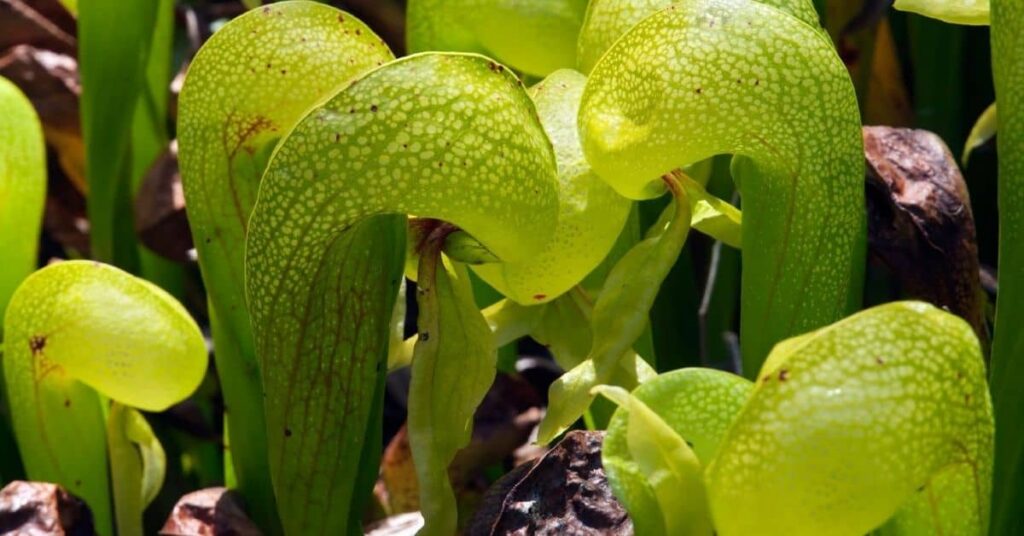
The cobra lily (Darlingtonia californica) is one of the most fascinating carnivorous plants you can grow at home.
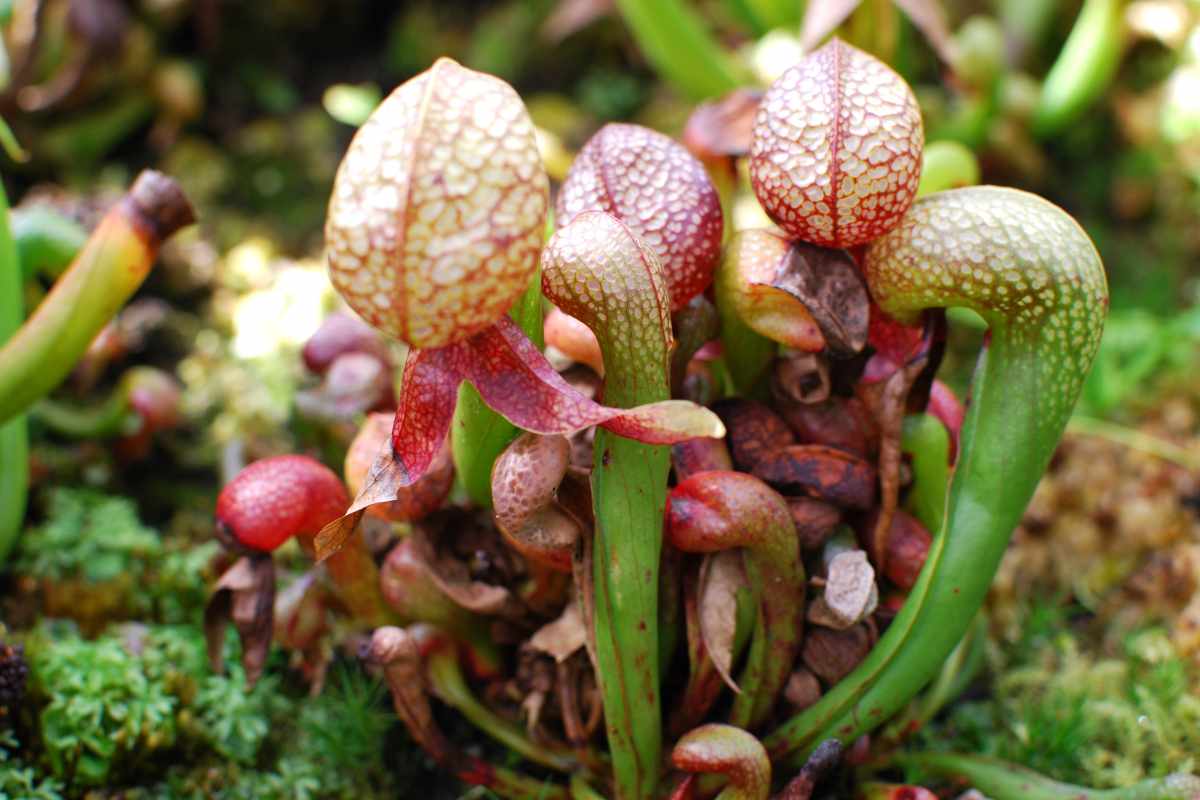
Known for its dramatic pitcher-shaped leaves that resemble a rearing cobra, this plant adds mystery and uniqueness to any collection.
But while its look is exotic, caring for a cobra lily can be challenging if you don’t know its specific needs.
In this guide, we’ll walk you through everything you need to know about cobra lily care, from light and water requirements to soil, feeding, and troubleshooting common problems.
What Makes the Cobra Lily Special?
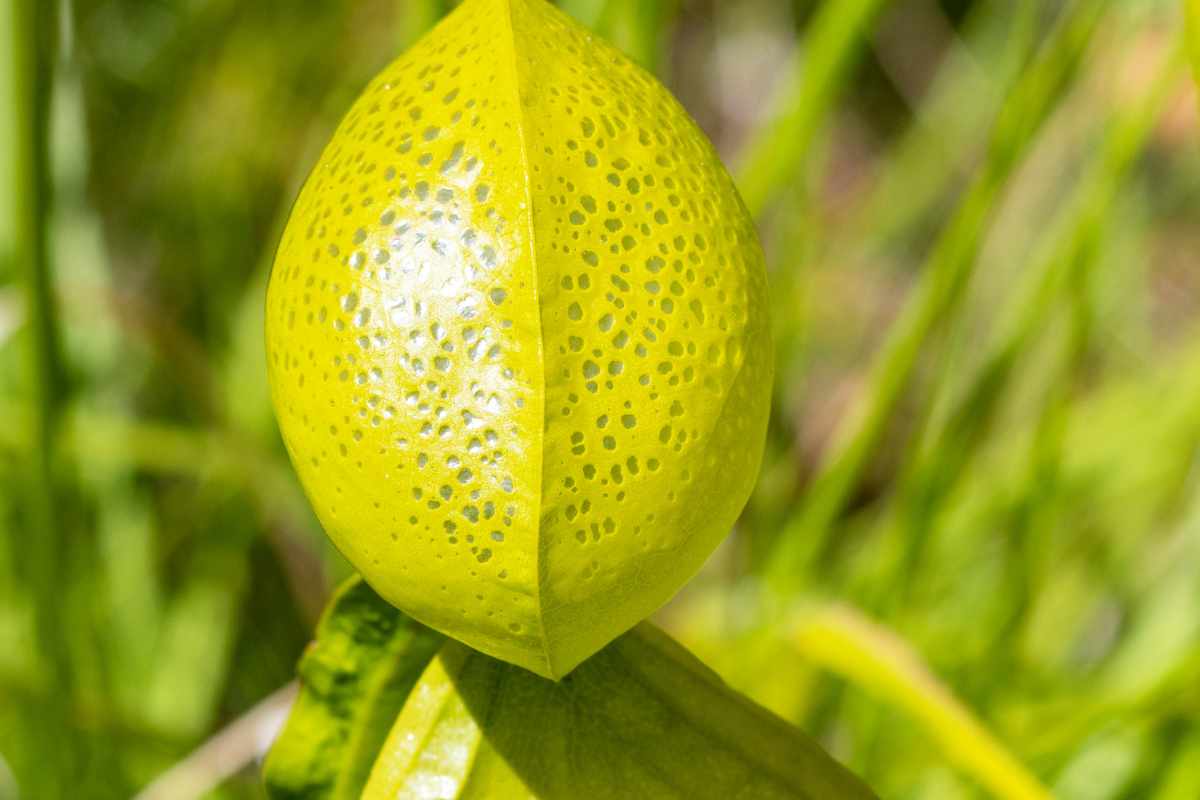
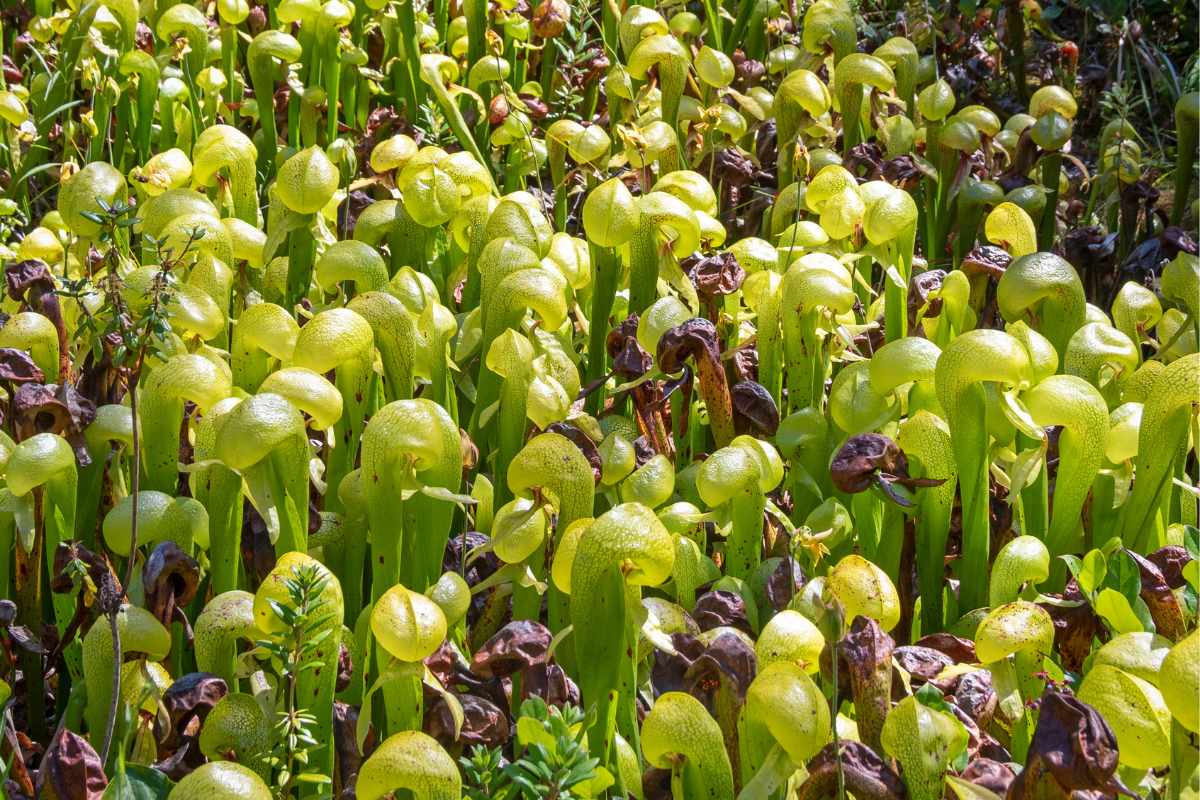
Native to Northern California and Oregon, the cobra lily grows naturally in cool mountain bogs and along streams.
Unlike many carnivorous plants, it doesn’t rely heavily on digestive enzymes; instead, its tubular leaves act like natural traps, tricking insects with translucent “windows” that confuse them until they fall into the chamber.
Its uniqueness is also its challenge: recreating these natural conditions at home takes patience and the right setup.
Light Requirements for Cobra Lily
Cobra lilies thrive in bright but indirect light.
Direct afternoon sun can quickly overheat their roots, which is one of the main reasons these plants fail in cultivation.
Outdoors: Place in partial shade, ideally where it receives morning sun and afternoon shade.
Indoors: Position near an east-facing window or use a grow light to ensure consistent brightness without heat stress.
Soil and Substrate
These plants need a nutrient-poor, well-draining soil to mimic their natural bog habitat. The right mix ensures roots remain cool and oxygenated.
Use a mix of sphagnum moss and perlite or a carnivorous plant-specific soil.
Avoid garden soil, compost, or fertilizers — these can damage the plant.
A shallow pot with good drainage works best to prevent root rot.
Watering the Cobra Lily
Water is the most critical part of cobra lily care.
In nature, their roots stay constantly cool thanks to running mountain streams. At home, you need to replicate this.
Always use distilled water, rainwater, or reverse osmosis water — tap water often contains minerals that harm the plant.
Keep the soil moist but not stagnant; avoid letting the pot sit in deep trays of water for long periods.
In hot weather, try flushing the soil daily with cool water to prevent overheating.
Temperature and Humidity
Cobra lilies prefer cool roots and moderate humidity.
Ideal temperature range: 50–75°F (10–24°C).
Roots must stay cooler than the air temperature. Consider using tall pots or insulating materials in summer.
Humidity should stay around 50–70% for the best growth.
Feeding and Growth
Unlike Venus flytraps, cobra lilies don’t need you to feed them often — they catch insects naturally if grown outdoors.
Outdoors: Insects will provide enough nutrition.
Indoors: You can occasionally release small insects into the pitchers, but avoid overfeeding.
Never fertilize — this plant is adapted to nutrient-poor environments.
Propagation
Cobra lilies can be propagated by dividing rhizomes during repotting.
Best done in early spring before active growth begins.
Ensure each division has healthy roots and pitchers.
Plant divisions in fresh carnivorous plant soil and water with distilled water.
Common Problems and How to Fix Them
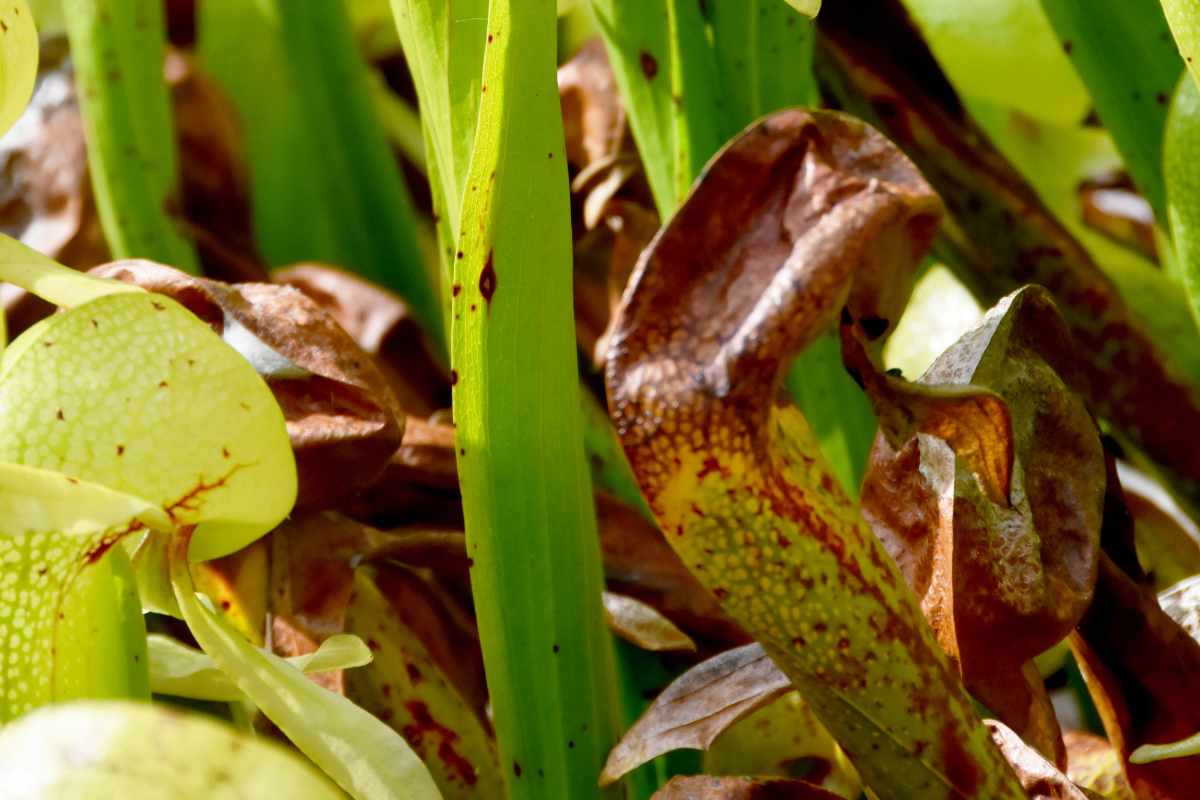
Pitchers turning brown
Often caused by high heat or minerals in water. Switch to distilled water and provide cooler conditions.
The plant is not producing new pitchers
May indicate insufficient light. Move to a brighter spot (indirect light).
Roots rotting
Caused by stagnant water or poor drainage. Repot into fresh soil and improve watering routine.
Growing Cobra Lily at Home
Caring for a cobra lily takes more effort than other carnivorous plants, but the reward is unmatched.
With the right light, soil, water, and temperature control, you can successfully grow this mysterious plant and enjoy its dramatic presence in your collection.
If you’re looking for a plant that’s not just decorative but also a conversation starter, the cobra lily is worth the challenge.
Enjoy This Video Tutorial

Source: Brads Greenhouse & Gardening
Don’t forget to Subscribe to our Newsletter to receive amazing tips and tricks about Gardening and the FREE Ebook Green Living Strategies!
Did you find this post Useful or Inspiring? Save THIS PIN to your GARDENING Board on Pinterest! 😊

Once again, thank you for visiting our website!
We hope you've enjoyed exploring the content we've created for you.
Give yourself the chance to learn, get inspired, and have even more fun, keep browsing...
More Gardening Tips 👇🏼👇🏼