
TOP 10 Things That Orchids Hate!


Orchids are stunning and delicate-looking plants, but surprisingly, they’re quite resilient if cared for properly.
However, there are common mistakes that can make these beauties unhappy and even threaten their health.
In this guide, we’ll share the top 10 things that orchids hate and give you practical tips to keep your plants thriving.
1. Overwatering
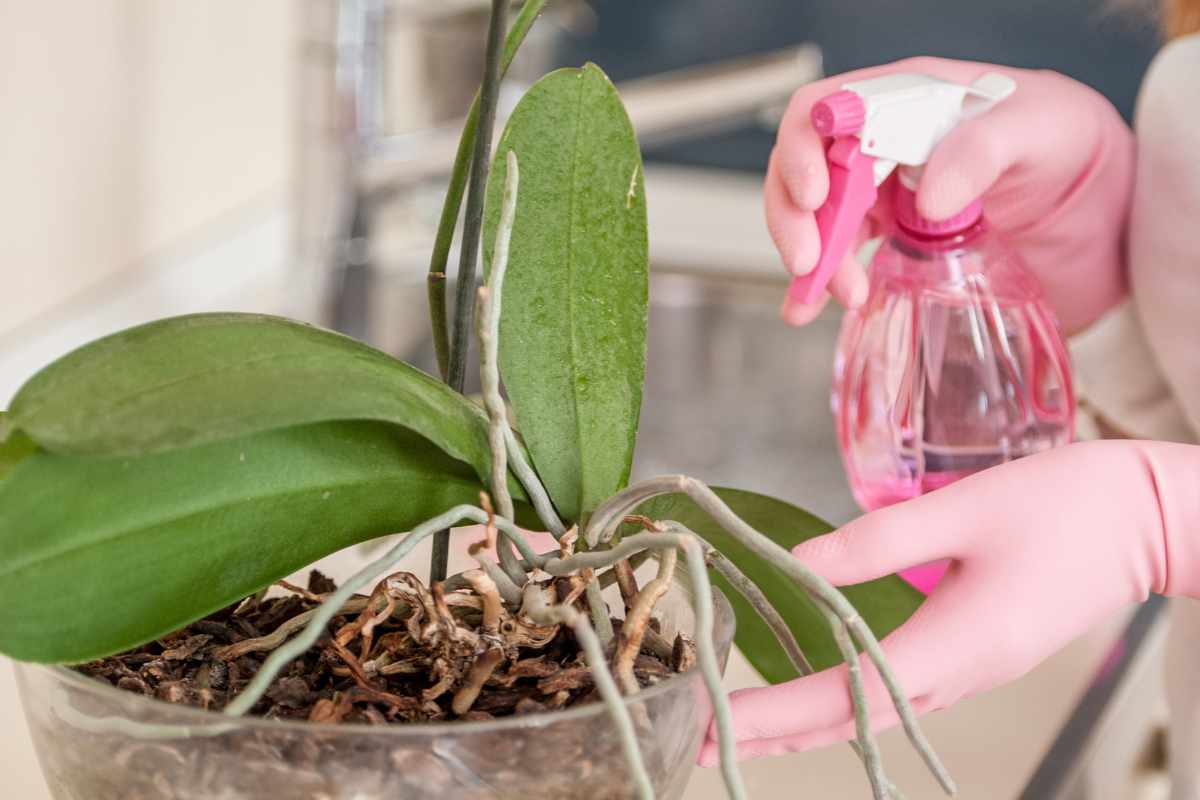
Overwatering is the number one mistake many orchid owners make. While it’s tempting to keep the soil constantly damp, orchids actually prefer to dry out slightly between waterings.
Too much water can suffocate the roots, leading to rot and decay.
Tip: Water only when the top inch of the soil feels dry. Make sure your pot has drainage holes and avoid leaving the plant sitting in water.
2. Direct Sunlight

Orchids love light, but too much direct sunlight can burn their delicate leaves.
Yellow or brown patches are a sign that your orchid is receiving too much sun.
Tip: Place your orchid near a window with filtered light or use sheer curtains to protect it from harsh rays.
3. Low Humidity
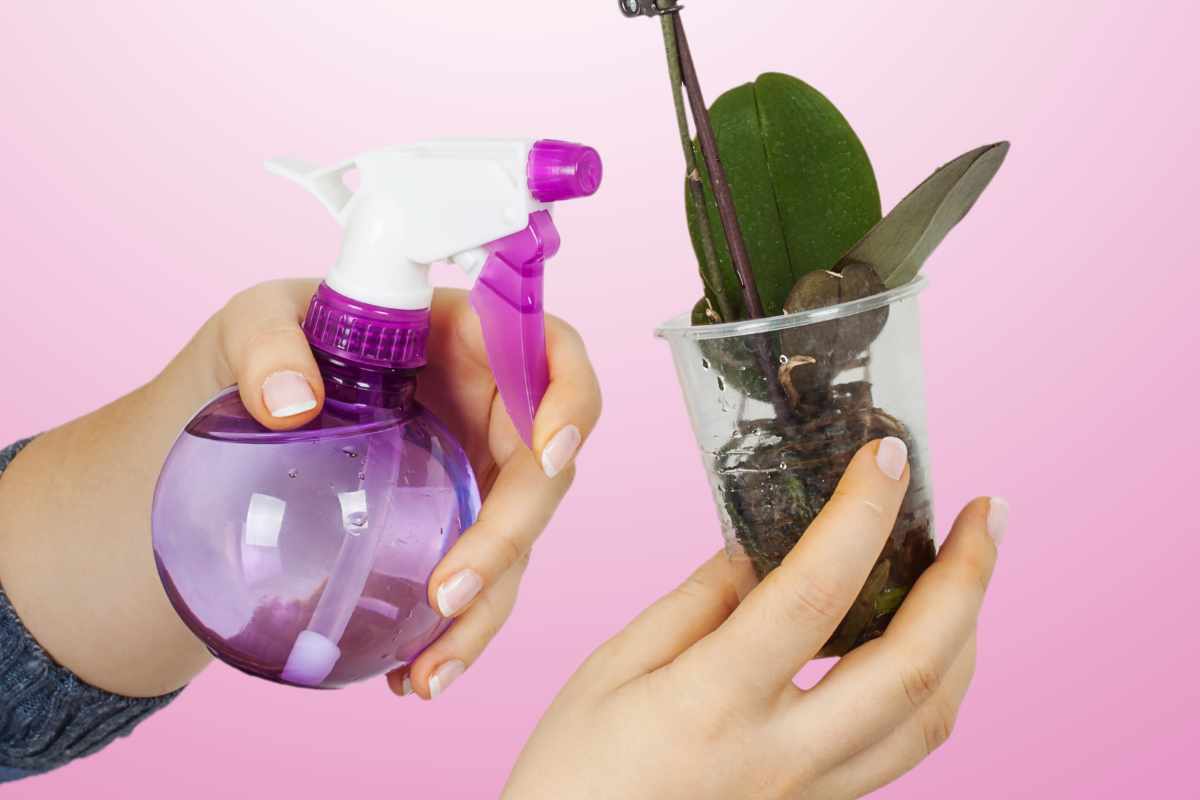
Orchids thrive in humid environments. Dry air can cause their leaves to wrinkle and flowers to fade quickly.
Tip: Increase humidity by misting your orchids, using a humidity tray, or keeping a humidifier nearby, especially in winter.
4. Poor Air Circulation
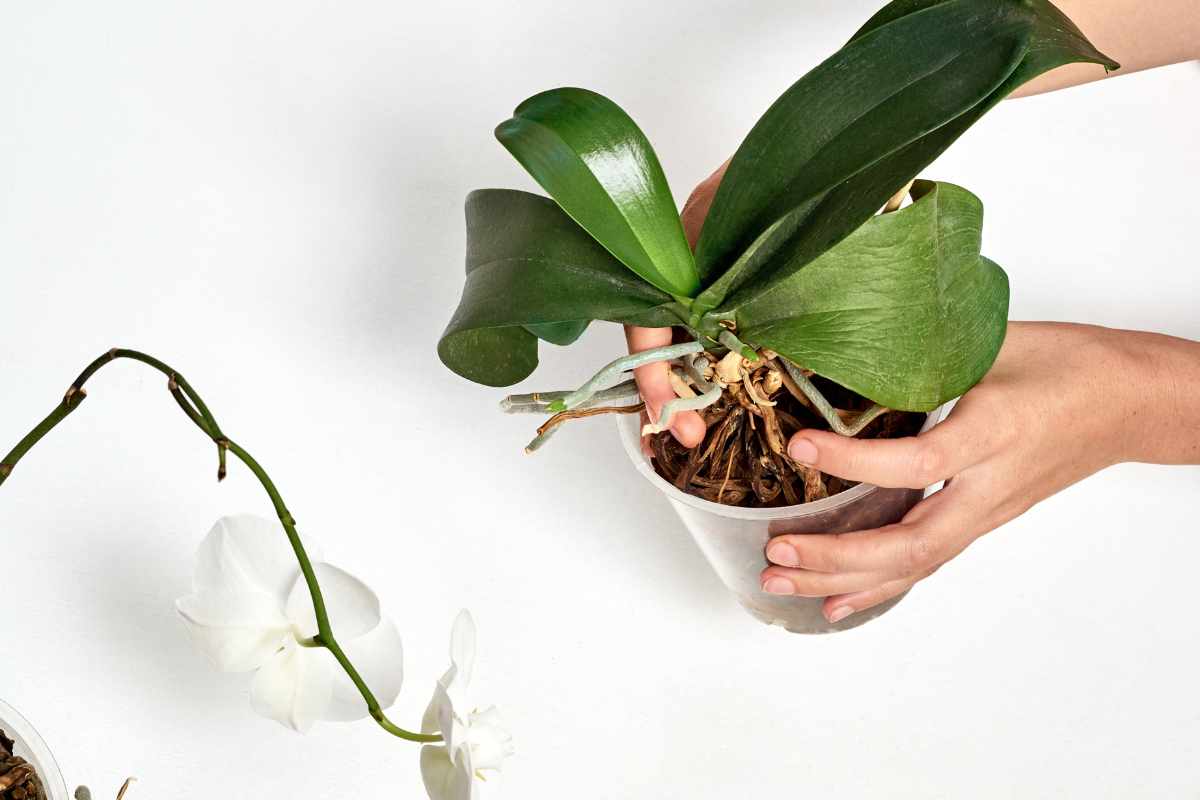
Stagnant air encourages fungal infections and pests. Orchids need a gentle flow of air to stay healthy.
Tip: Keep your orchid in a well-ventilated room, but avoid placing it directly in front of fans or vents.
5. Extreme Temperatures
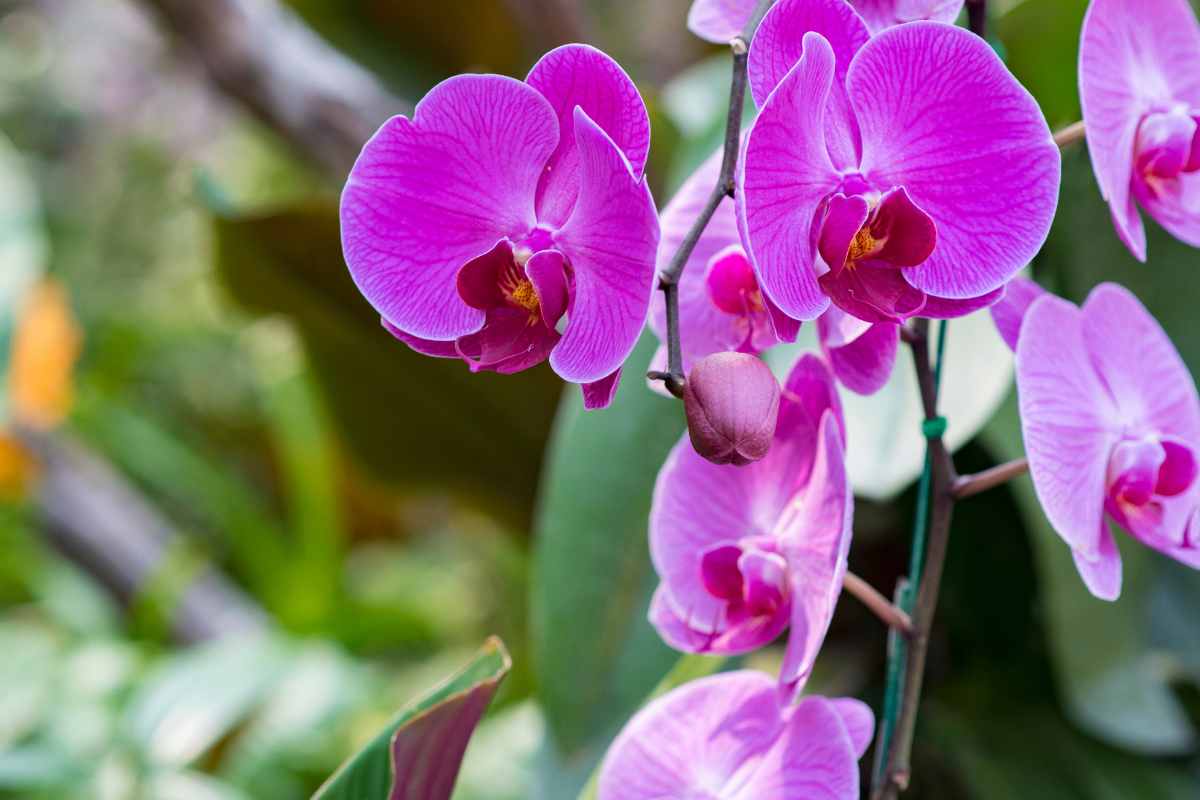
Orchids dislike sudden temperature changes or extremes. High heat can stress them, while cold drafts can stunt their growth.
Tip: Maintain a stable environment, ideally between 65–75°F (18–24°C) during the day and slightly cooler at night.
6. Fertilizer Overload
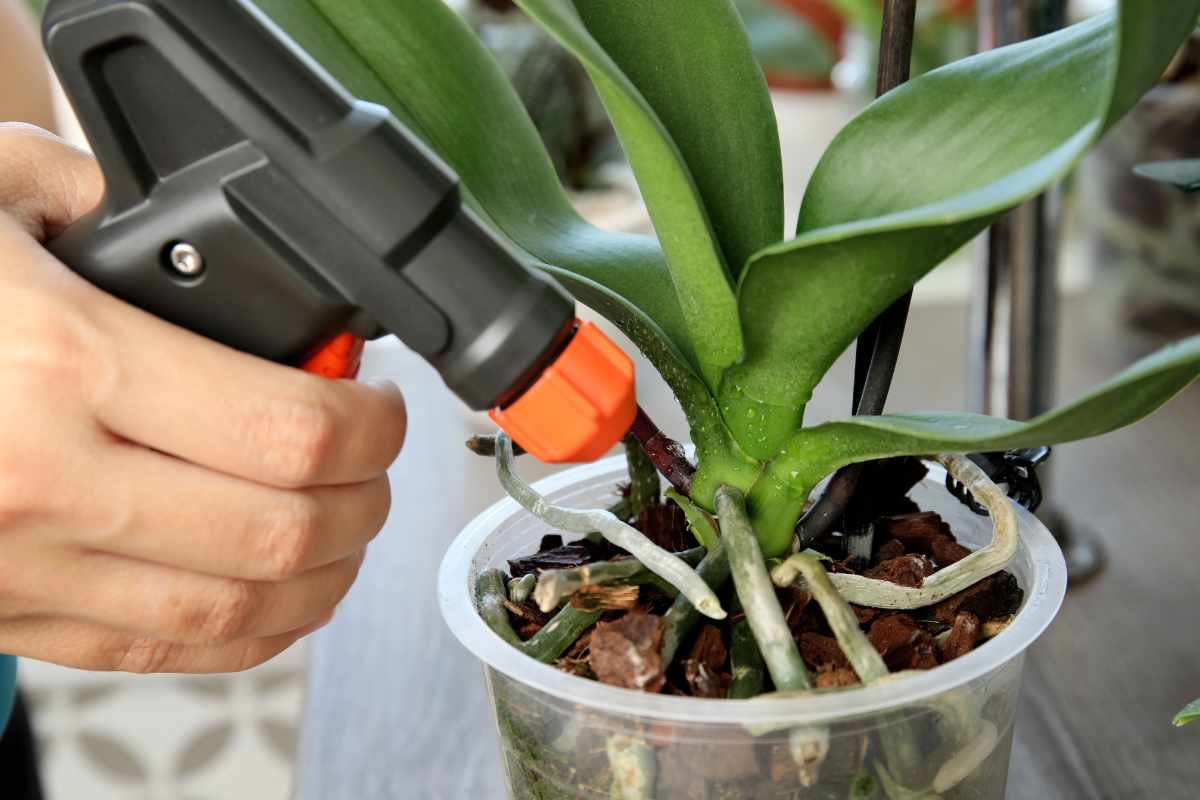
While orchids need nutrients, too much fertilizer can damage their roots and leaves. Many owners overfeed in hopes of encouraging blooms.
Tip: Fertilize lightly every 2–3 weeks during the growing season using a balanced orchid fertilizer, and always follow the label instructions.
7. Ignoring Signs of Pests
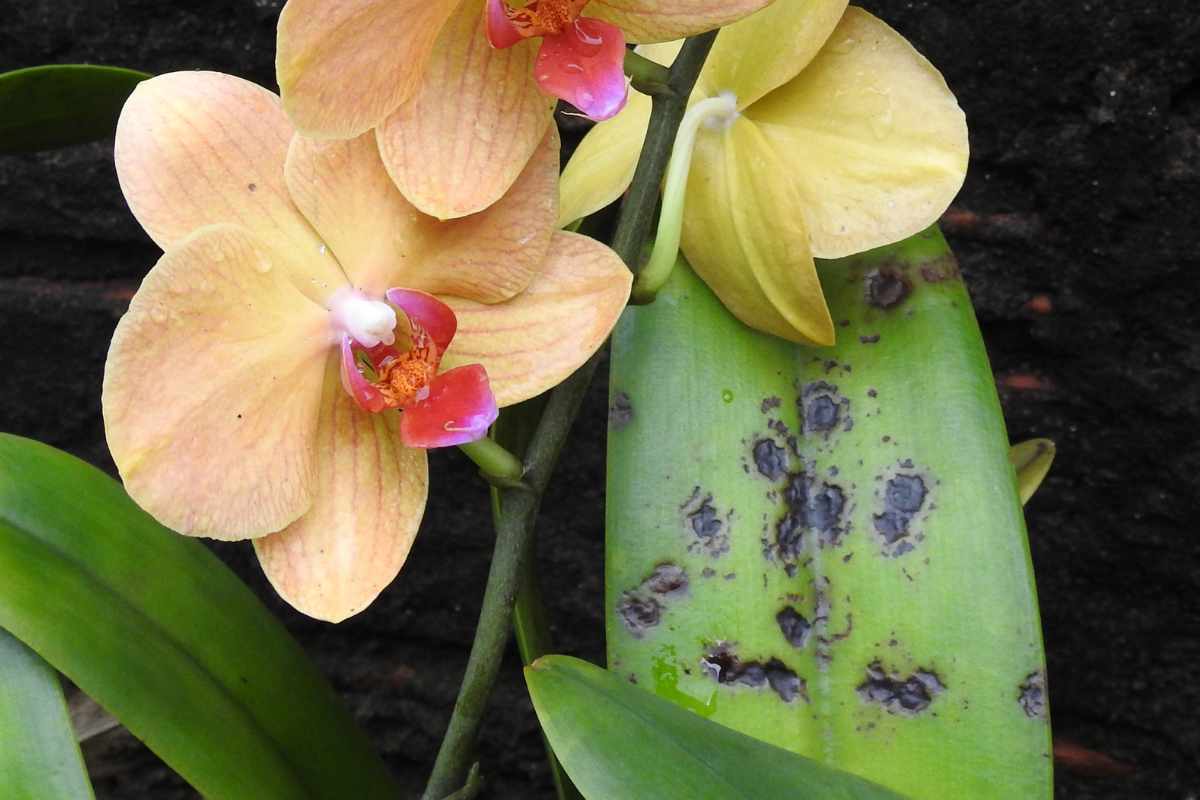
Orchids can attract pests like mealybugs, aphids, and spider mites. Ignoring early signs can lead to infestations and weaken your plant.
Tip: Inspect your orchids regularly, especially under the leaves. Treat infestations promptly with insecticidal soap or neem oil.
8. Wrong Potting Medium
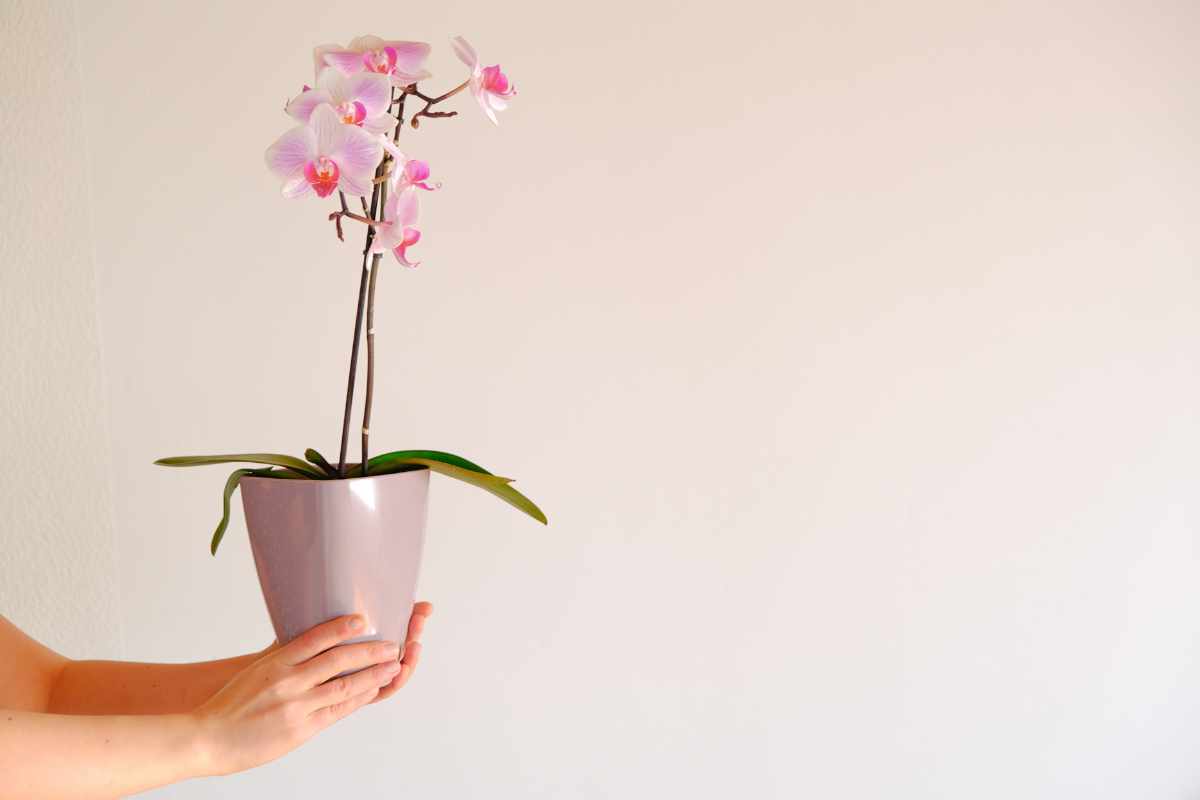
Orchids need well-draining media, like bark or sphagnum moss. Using regular potting soil can trap water, causing root rot.
Tip: Repot orchids every 1–2 years using a medium that allows roots to breathe and drain easily.
9. Neglecting Dead Flowers and Leaves
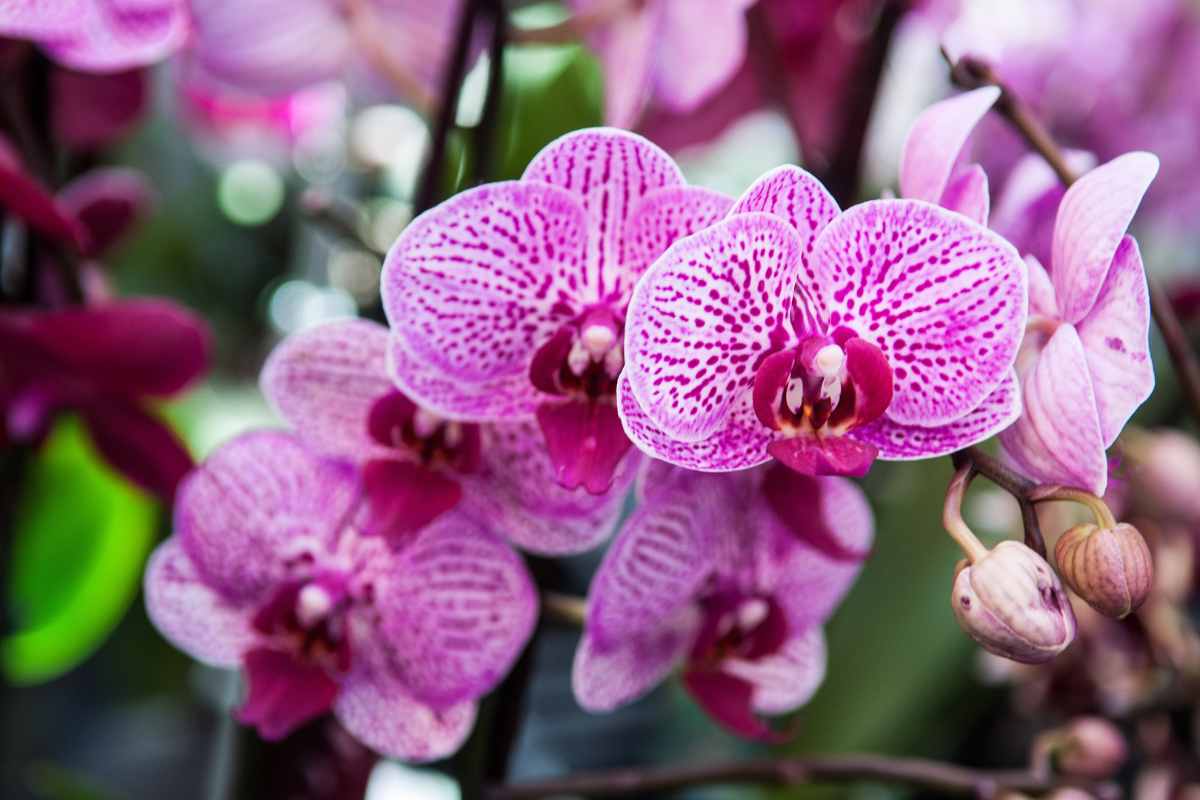
Dead flowers and yellow leaves may seem harmless, but leaving them on the plant can invite disease and pests.
Tip: Prune spent flowers and damaged leaves carefully to keep your orchid healthy and encourage new blooms.
10. Overhandling
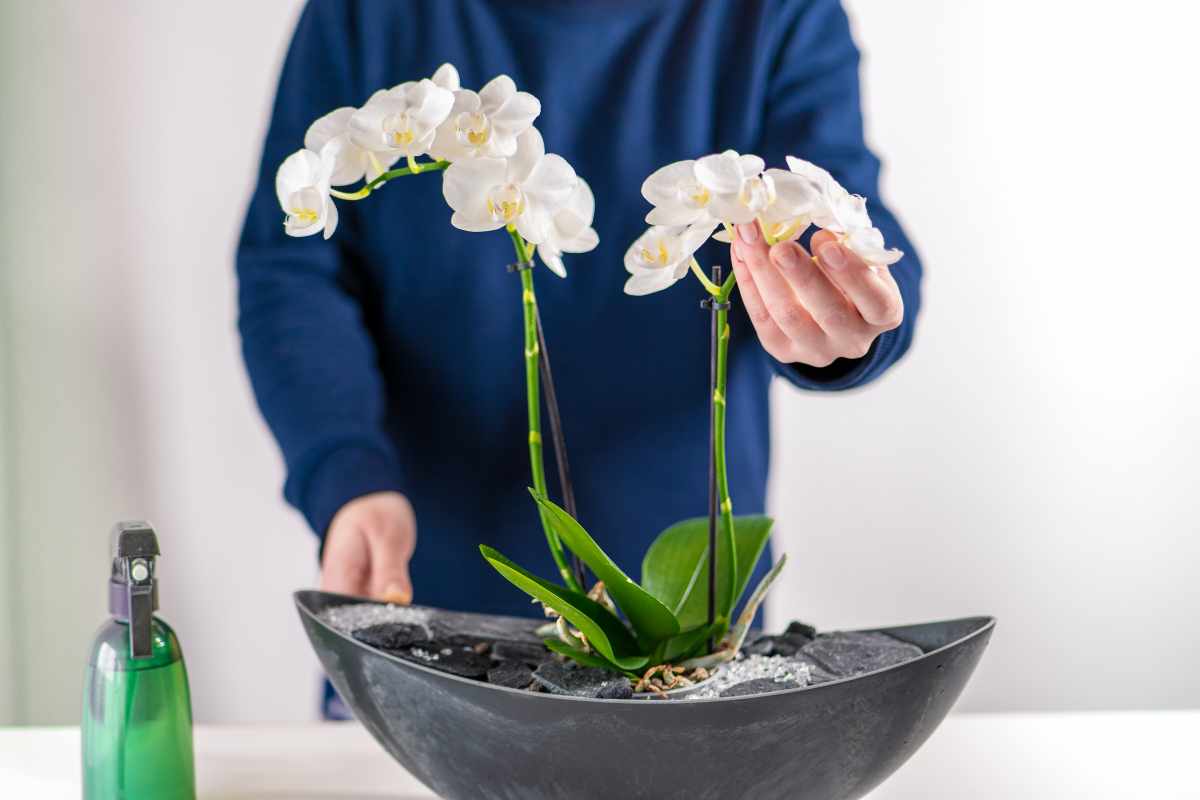
Orchids are sensitive, and frequent touching or moving can stress them. Constant handling may bruise leaves or damage roots.
Tip: Only handle your orchid when necessary, like during watering, repotting, or pruning.
Keep Your Orchids Happy
Orchids may be delicate in appearance, but with the right care, they can flourish beautifully.
Avoid overwatering, provide the right light and humidity, and pay attention to their needs.
With a little love and attention, your orchids will reward you with stunning blooms and healthy growth for years to come.
Enjoy The Video Tutorial
Source: MissOrchidGirl
Did you find this post Useful or Inspiring? Save THIS PIN to your GARDENING Board on Pinterest! 😊

More Gardening Tips 👇🏼👇🏼