
WATCH YOUR ORCHID LEAVES: Signs of a Healthy and Sick Orchid


Today we want to share with you a special post:
Orchid Leaves: A Window into the Health of Your Plant
Are you an orchid lover looking to take your plant care to the next level? Look no further!
In this informative guide, we will delve into the intricacies of orchid leaf care and teach you how to read the signs of a healthy and sick plant.
By learning to recognize orchid signs of distress and understanding the meaning behind the appearance of your plant's leaves, you'll be able to identify potential problems and take action before they damage your beloved orchid.
From brown spots and yellowing leaves to wilting and over-watering, this guide covers it all.
Don't let your orchids suffer in silence, take the first step towards becoming an orchid expert and read on to learn how to keep your plants thriving.
Here are some signs to look for when evaluating the health of your orchids:

Signs of a healthy orchid
- The leaves of the orchid are green, firm, and elastic.
- The leaves are uniformly green and do not discolor.
- The aerial roots are silver/white and have bright green tips. Multiple aerial roots indicate that it is actively growing!
- The soil is slightly damp and does not dry out to the bone or get wet.
Signs of unhealthy orchid leaves
- Yellowing leaves: While it is normal for the bottom leaf to turn yellow and fall off to make room for a new leaf, yellowing leaves can also mean that your orchid is getting too much light, has encountered low temperatures or has started to develop leaf rot. root due to excess water. Assess your orchid's environment and check its roots. A root rot orchid will have brown/mushy roots, while healthy roots will be plump and green.
- Very dark green leaves: Your orchid does not get enough light. Move it to a place where it gets lots of indirect sunlight.
White leaves: Your orchid gets a lot of light. Move it to an area that is not exposed to strong direct sunlight. - Limp, wrinkled, or torn leaves: This is a sign of dehydration. Increase watering and inspect the orchid's root system for signs of stress. Hydrated roots should be firm and green, while dehydrated roots can be white, brown, or wrinkled.
- Purple or reddish leaves: If the tops of your orchid leaves turn reddish (the bottom reddish is usually normal), your orchid may be suffering from sunburn or a nitrogen or phosphorus deficiency. Keep your orchid out of direct sunlight and apply fertilizer.
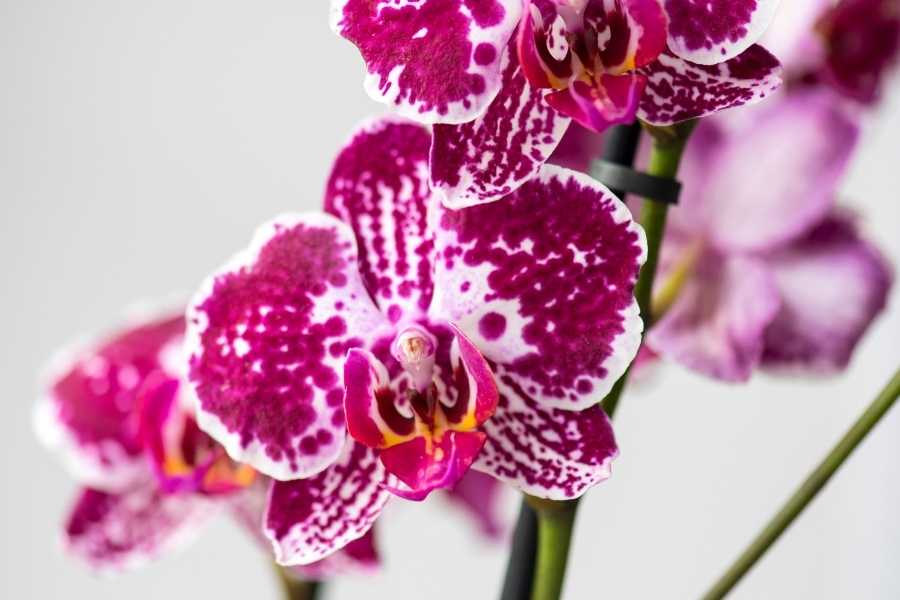
Orchids, like many other plants, speak a lot about themselves through their leaves. You just need to know what they are trying to tell you!
Enjoy This Video Tutorial About 5 Signs that say your Orchid loves you
Source: MissOrchidGirl
Don’t forget to Subscribe to our Newsletter to receive amazing tips and tricks about Gardening and the FREE Ebook Green Living Strategies!
Did you find this post Useful or Inspiring? Save THIS PIN to your GARDENING Board on Pinterest! 😊

Once again, thank you for visiting our website!
We hope you've enjoyed exploring the content we've created for you.
Give yourself the chance to learn, get inspired, and have even more fun, keep browsing...
More Gardening Tips 👇🏼👇🏼