
What's Inside A Venus Flytrap?


Few plants capture our imagination quite like the Venus flytrap.
Known for its quick-closing traps and carnivorous diet, it is one of nature’s most fascinating creations.
But beyond the snapping jaws, many people wonder: what’s really inside a Venus flytrap, and how does it digest its meals?
Let’s explore the inner workings of this extraordinary plant and see what makes it such a marvel of evolution.
A Modified Leaf Turned Into a Trap
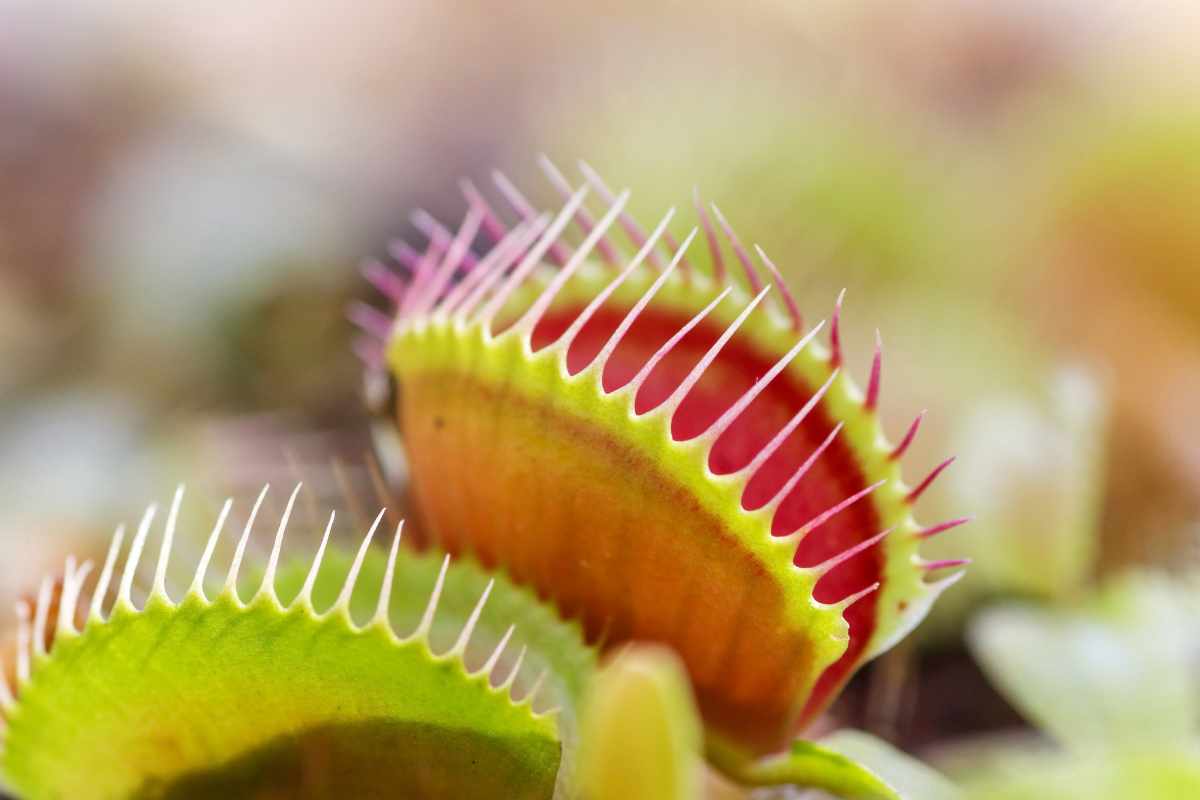
At first glance, the trap looks like a jaw with teeth, but in reality, it’s a modified leaf.
Each trap consists of two lobes connected by a hinge. On the surface of these lobes are tiny trigger hairs—sensitive touch sensors that play a crucial role in prey capture.
Unlike normal leaves that only photosynthesize, these lobes are designed to sense, close, and digest.
How the Trap Snaps Shut
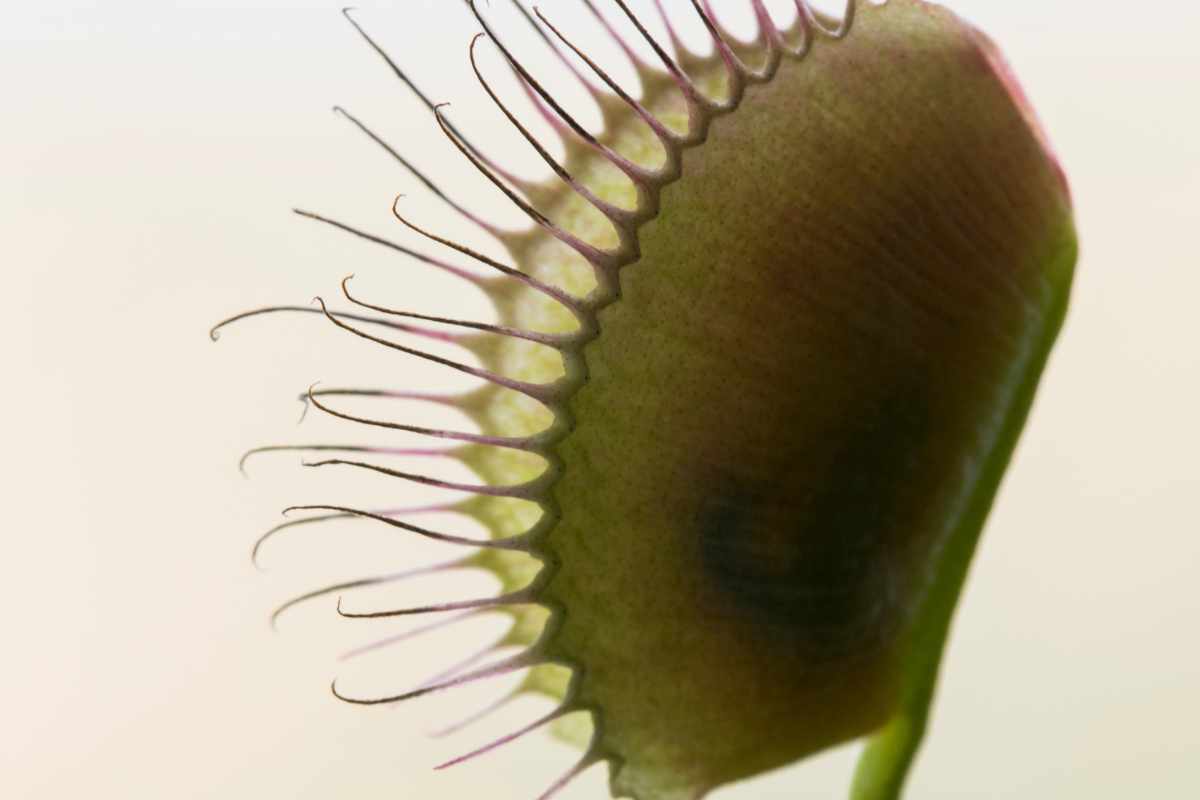
The Venus flytrap doesn’t close for just any touch—it needs at least two touches on the trigger hairs within about 20 seconds.
This prevents the plant from wasting energy on false alarms like falling raindrops or wind.
Once the hairs are triggered, an electrical signal (similar to a nerve impulse in animals) runs through the leaf, causing the lobes to snap shut in less than a second.
At first, the closure is loose, allowing tiny insects to escape, but if the prey struggles, the trap seals tighter.
What’s Inside the Trap?
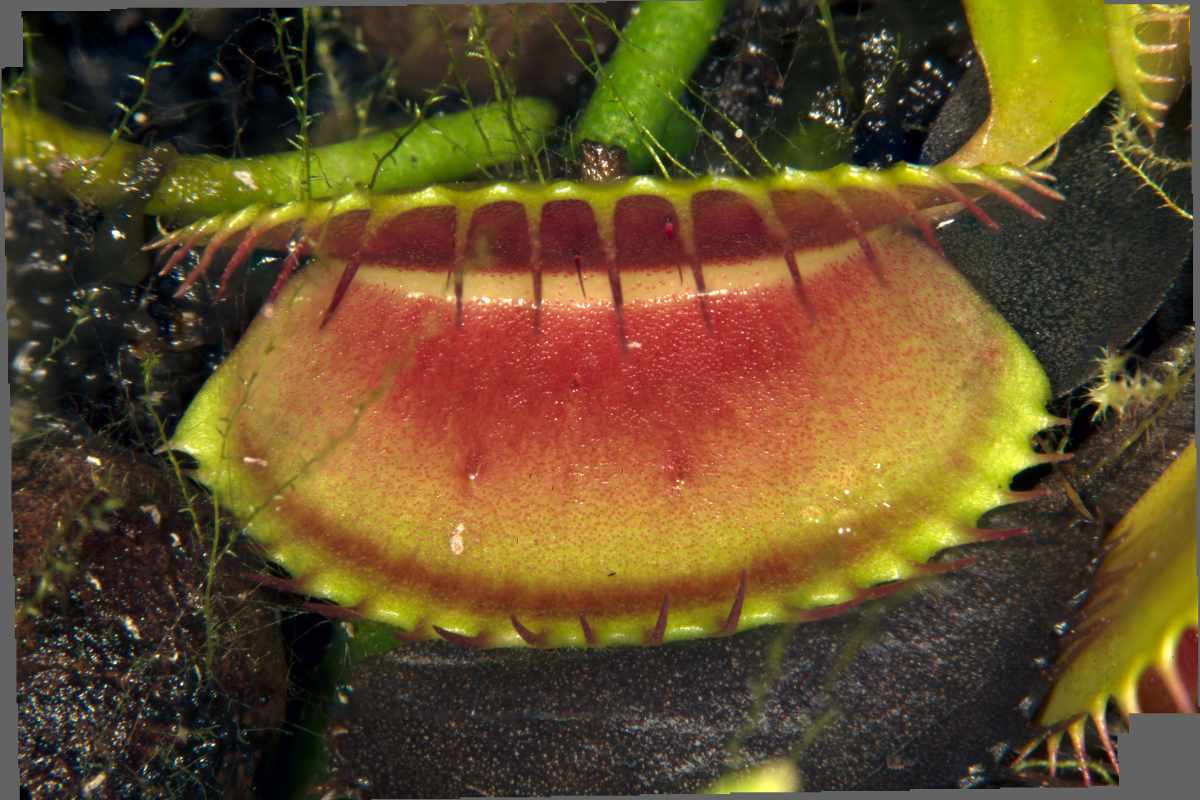
Looking inside a Venus flytrap reveals a hidden world of specialized structures that make digestion possible:
Digestive glands: These glands line the inner surface of the lobes. Once the trap seals, the glands release a cocktail of enzymes—proteases, phosphatases, and chitinases—that break down soft tissues of the insect.
Absorptive cells: As digestion progresses, the nutrients released—nitrogen, phosphorus, and other minerals—are absorbed directly into the plant’s tissues.
Protective lining: The trap’s surface also has cells that prevent bacterial overgrowth, ensuring the prey decomposes in a controlled way rather than rotting.
This entire process is similar to how an animal digests food, only happening inside a leaf instead of a stomach.
The Digestion Process
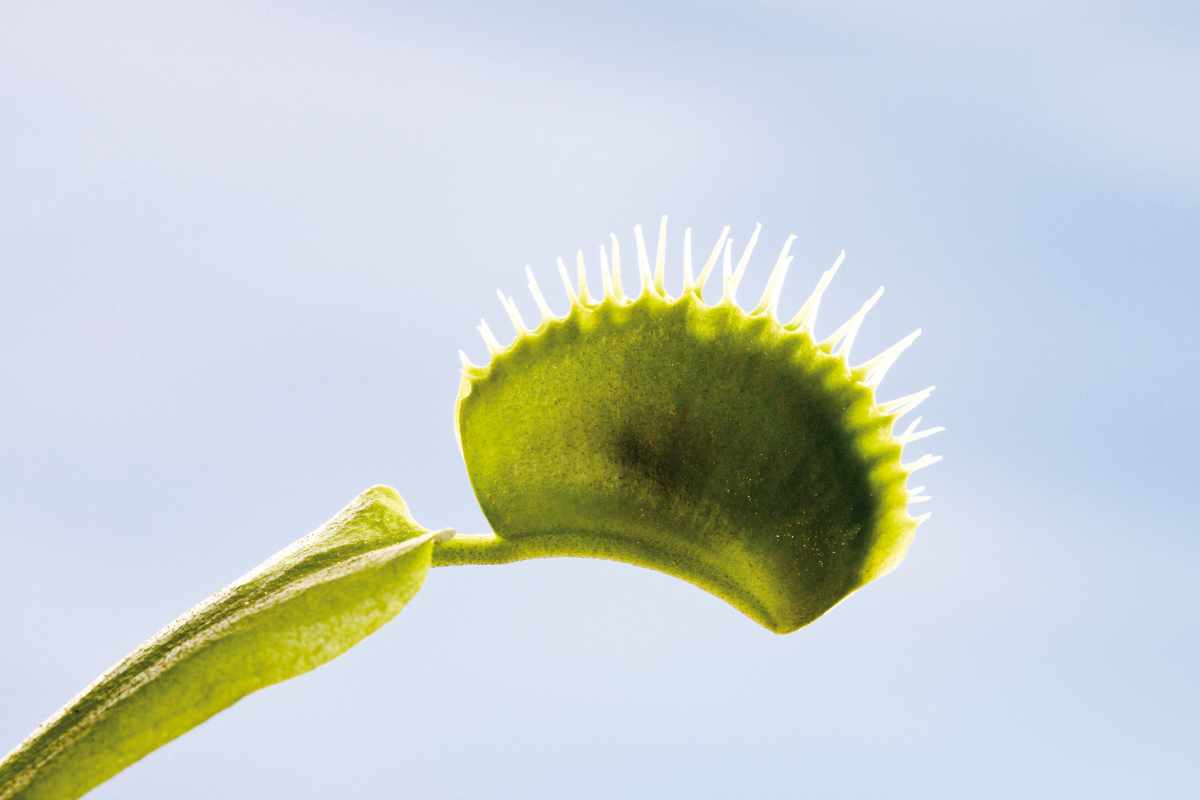
A captured insect begins a journey that lasts about 5 to 12 days, depending on the size of the prey.
Trap seals completely to form an airtight chamber.
Enzymes flood the cavity, breaking down proteins, fats, and soft tissues.
Nutrients are absorbed into the Venus flytrap’s vascular system.
The trap reopens, revealing only the empty exoskeleton of the insect, which is eventually washed away by rain or blown off by the wind.
Beyond Flies: What Do They Really Eat?
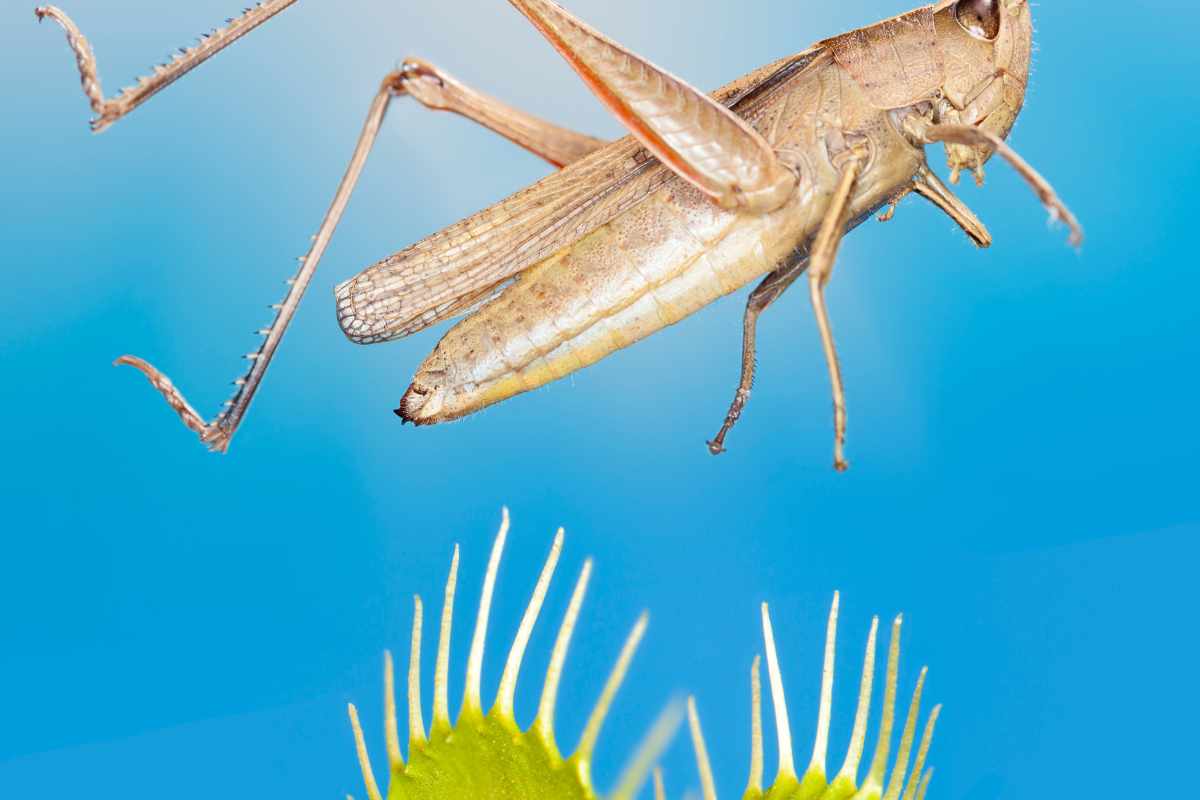
Despite the name, Venus flytraps don’t just eat flies. Their diet often includes ants, beetles, spiders, and small crawling insects.
These prey items provide the essential nitrogen and minerals that are scarce in the poor, acidic soils where the plants naturally grow.
An Evolutionary Marvel
What makes the Venus flytrap unique is its convergence of plant and animal-like traits.
It remains rooted like any other plant, relying on photosynthesis for energy, yet it has evolved movement, sensory detection, and a digestive system to supplement its nutrient intake.
Compared to pitcher plants or sundews, the Venus flytrap’s snap mechanism is one of the fastest movements in the plant kingdom, giving it a competitive advantage in capturing mobile prey.
Observing a Venus Flytrap at Home
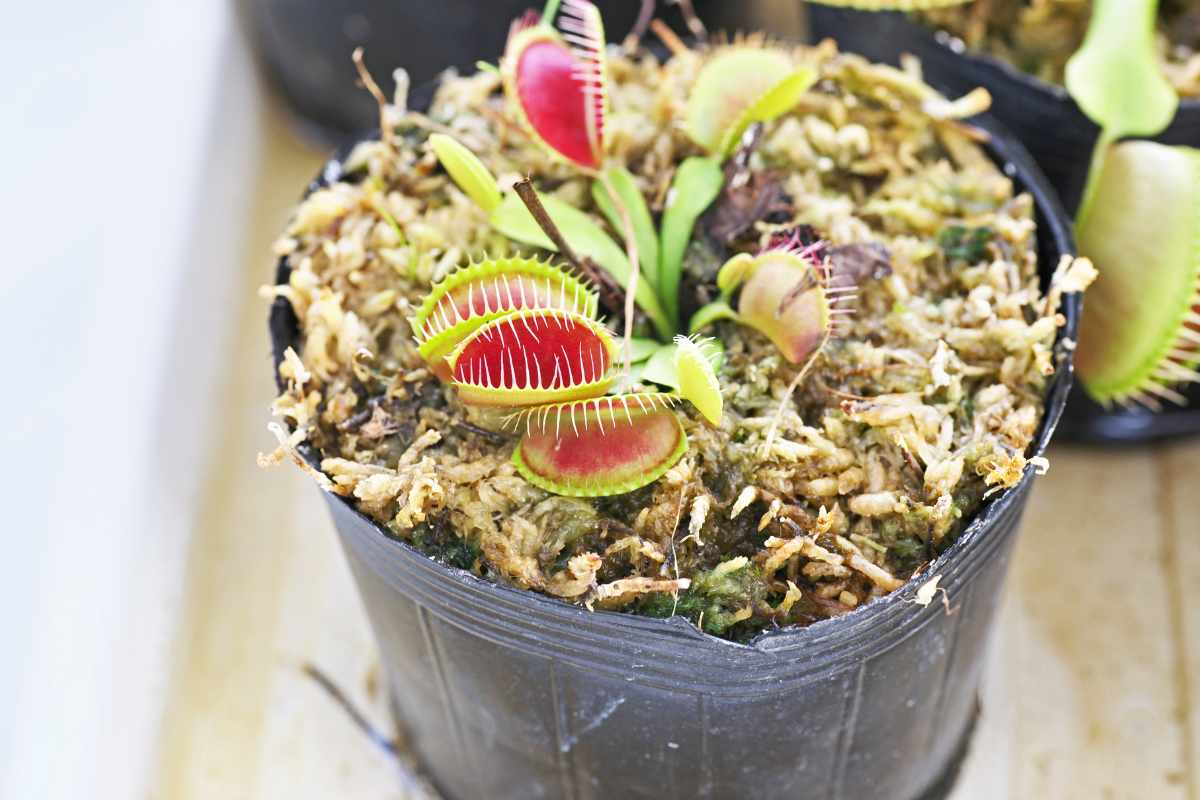
For those who grow Venus flytraps, observing the trap’s inner world can be fascinating.
However, it’s important not to trigger the traps too often for curiosity’s sake—each trap only closes a limited number of times before dying back.
Feeding them artificially with unsuitable food (like meat) can also cause traps to rot.
Instead, let them catch their own insects or provide appropriate live prey if growing indoors.
The Hidden Secrets Inside
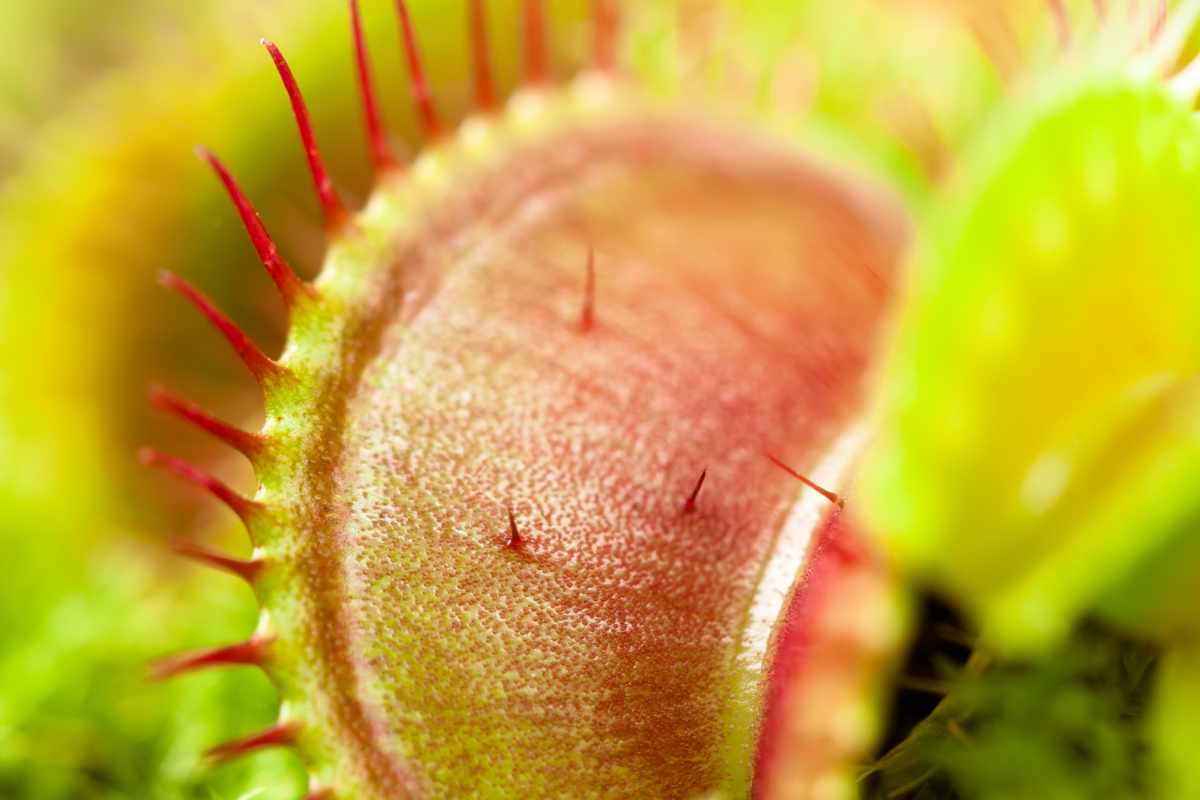
Peering inside a Venus flytrap reveals much more than a simple plant—it’s a living machine designed for survival in poor soils, equipped with glands, sensors, and digestive enzymes.
Its trap is both a leaf and a stomach, a rare combination in the plant world.
By understanding what’s inside, we not only appreciate its complexity but also gain insight into the ingenuity of evolution itself.
The Venus flytrap isn’t just a curiosity—it’s a reminder of how life adapts in extraordinary ways.
Enjoy This Video Tutorial

Source: Science Insider
Don’t forget to Subscribe to our Newsletter to receive amazing tips and tricks about Gardening and the FREE Ebook Green Living Strategies!
Did you find this post Useful or Inspiring? Save THIS PIN to your GARDENING Board on Pinterest! 😊

Once again, thank you for visiting our website!
We hope you've enjoyed exploring the content we've created for you.
Give yourself the chance to learn, get inspired, and have even more fun, keep browsing...
More Gardening Tips 👇🏼👇🏼