
DIY Citrus Cleaning Spray: A 2-Ingredient Natural All-Purpose Cleaner


Citrus peels usually go straight into the trash, but they can do one more job before they leave your kitchen. Soaked in plain white vinegar for a couple of weeks, orange, lemon, lime or grapefruit peels turn into a fresh-smelling all-purpose spray that cuts through everyday grime. You only need two ingredients, a jar and a little patience.
In the video below, WholeElise shows the whole process. Under it you will find a written step-by-step version, the places where this spray works best, the surfaces where you should not use it, and answers to a few common questions.
Enjoy Watching This Video About Home

Source: WholeElise

What You Need
- Citrus peels: orange, lemon, lime, grapefruit or a mix of whatever you eat at home.
- White distilled vinegar: regular household vinegar, which is usually about 5% acetic acid.
- A clean glass jar with a lid: a large mason jar is ideal.
- A strainer or cheesecloth to separate the peels from the liquid.
- An empty spray bottle, clearly labeled so nobody mistakes it for something else.
How to Make Citrus Cleaning Spray, Step by Step
- Save your peels. Collecting enough peels can take a week or two. Keep them in a container in the fridge as you go so they stay fresh, and scrape off as much fruit pulp as you can, since leftover flesh makes the liquid cloudy.
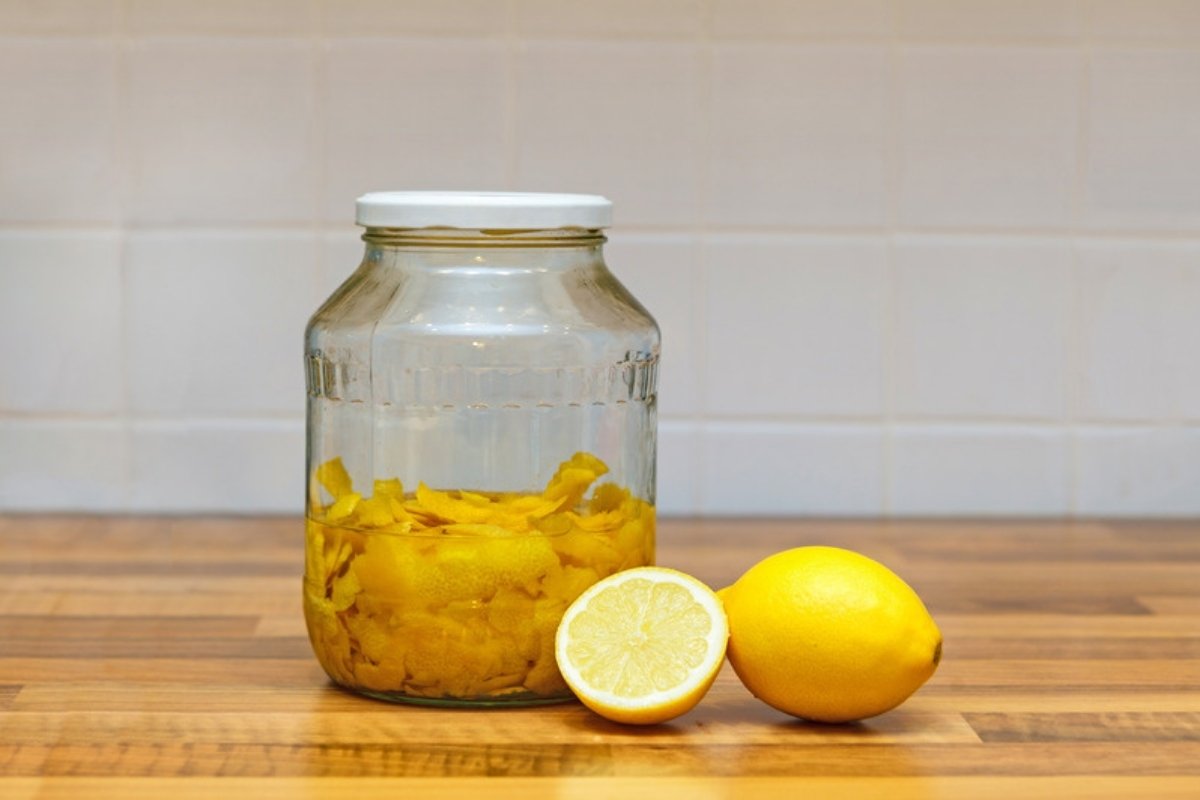
- Fill the jar. Pack the peels into the jar until it is about half full or a little more.
- Cover with vinegar. Pour vinegar over the peels until they are completely submerged. Peels that poke out above the liquid can grow mold.
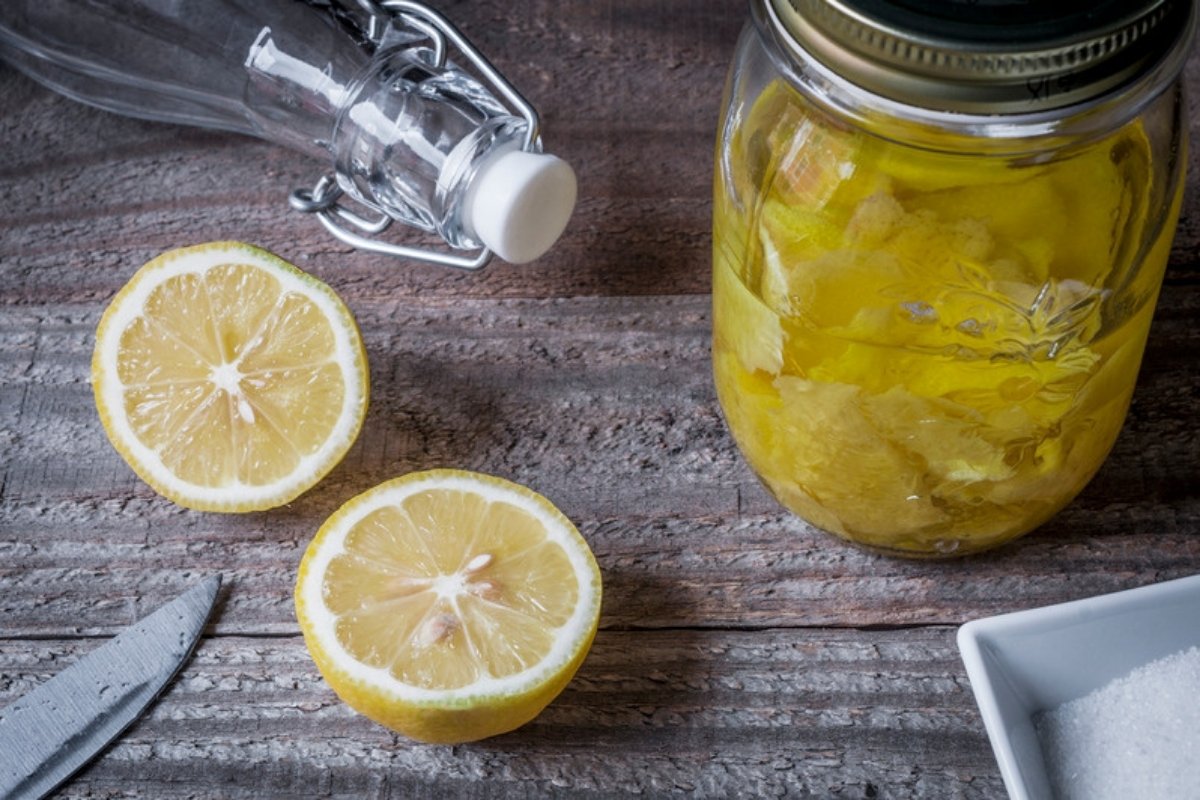
- Let it infuse. Close the lid and leave the jar in a cool, dark cupboard for about two to three weeks. Give it a gentle shake every few days.
- Strain. Pour the liquid through a strainer or cheesecloth and compost the used peels.
- Dilute and bottle. For everyday cleaning, mix one part citrus vinegar with one part water in your spray bottle. Use it full strength for tougher jobs like soap scum or hard water spots.
Where to Use Your Citrus Spray
The acidity of vinegar helps loosen mineral deposits, soap residue and light grease, while the citrus oils leave a much nicer smell than plain vinegar. Good places to start:
- Sinks and faucets with hard water spots.
- Glass, windows and mirrors (diluted, wiped with a microfiber cloth).
- Ceramic tile and grout lines in the bathroom.
- The trash can and its lid, to cut odors.
- Laminate countertops and fridge shelves.
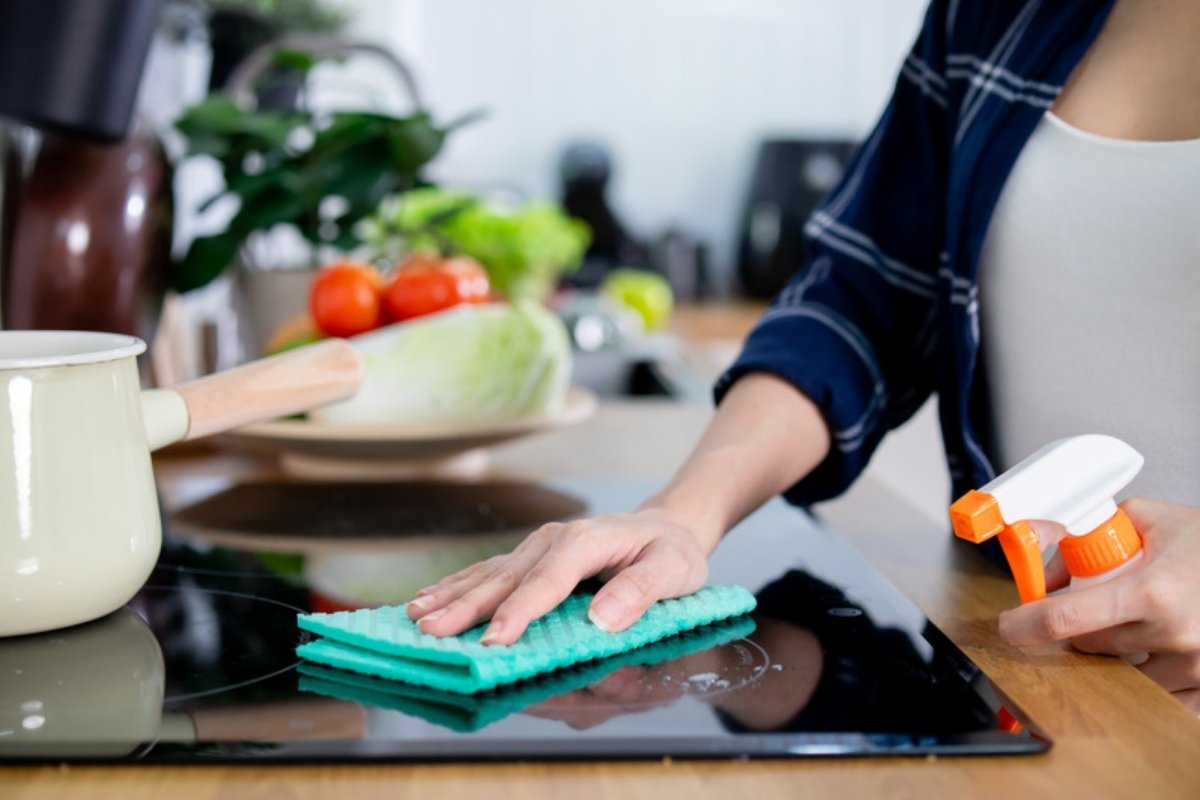
Spray, let it sit for a minute on stubborn spots, then wipe with a damp cloth. For the shower, a full-strength spray left for five to ten minutes makes soap scum easier to scrub away.
Surfaces to Avoid
Vinegar is an acid, and that makes it a poor match for some materials. Skip it on:
- Natural stone such as granite and marble. The acid can etch and dull the surface and break down the sealer.
- Wood floors and waxed wood furniture. It can strip the finish and leave a cloudy, streaky look.
- Phone, TV and laptop screens. It can damage protective and anti-glare coatings.
- Cast iron and aluminum pans. It strips seasoning and can cause pitting or dark spots.
- Rubber seals in washing machines and dishwashers, if used often.
When in doubt, test a small hidden area first.
Common Mistakes
- Mixing it with bleach. Never combine vinegar-based cleaners with bleach. The reaction releases chlorine gas, which is dangerous to breathe.
- Leaving peels uncovered. Any peel above the vinegar line can spoil the batch. Push them down or add more vinegar.
- Skipping the straining step. Small bits of pulp clog spray nozzles fast.
- Expecting it to disinfect. Vinegar cleans and deodorizes, but it is not a registered disinfectant. For cutting boards used with raw meat, or when someone at home is sick, use a product made for disinfecting.
Frequently Asked Questions
Will my house smell like vinegar?
Only for a few minutes. The sharp vinegar smell fades as surfaces dry, and the citrus scent stays behind. A longer infusion gives a stronger citrus aroma.
How long does the cleaner last?
Once strained, citrus vinegar keeps well for several months in a closed bottle away from heat and sunlight. If it turns cloudy or smells off, make a fresh batch.
More Home Ideas
- 15 DIY Cleaners You Can Make Today
- How to Build an Efficient Daily Cleaning Routine
- 7 Home Cleaning Tips for a Fresh, Functional Home
Did you find this post useful or inspiring? Save THIS PIN to your Home Board on Pinterest!

More Home Tips 👇🏼👇🏼