
5 Easy Tips About Wine Etiquette


Good wine etiquette isn’t snobbery—it’s a simple playbook that helps everyone enjoy the bottle, from casual sippers to serious collectors.
Below you’ll find five easy, confidence-boosting habits you can use at home, at a bar, or during a formal tasting. Keep these in your pocket and you’ll move through any wine moment with ease.
Wine Etiquette Basics: Set The Stage
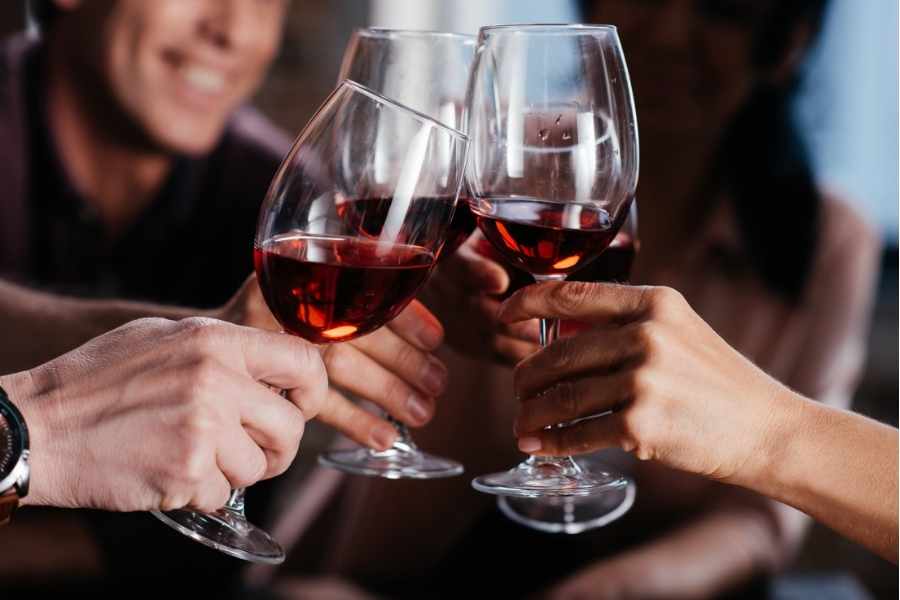
Start with clean, odor-free stemware. Strong detergent scents or lipstick can mask delicate aromas. Hold the glass by the stem to avoid warming the wine and smudging the bowl; it’s practical, not precious.
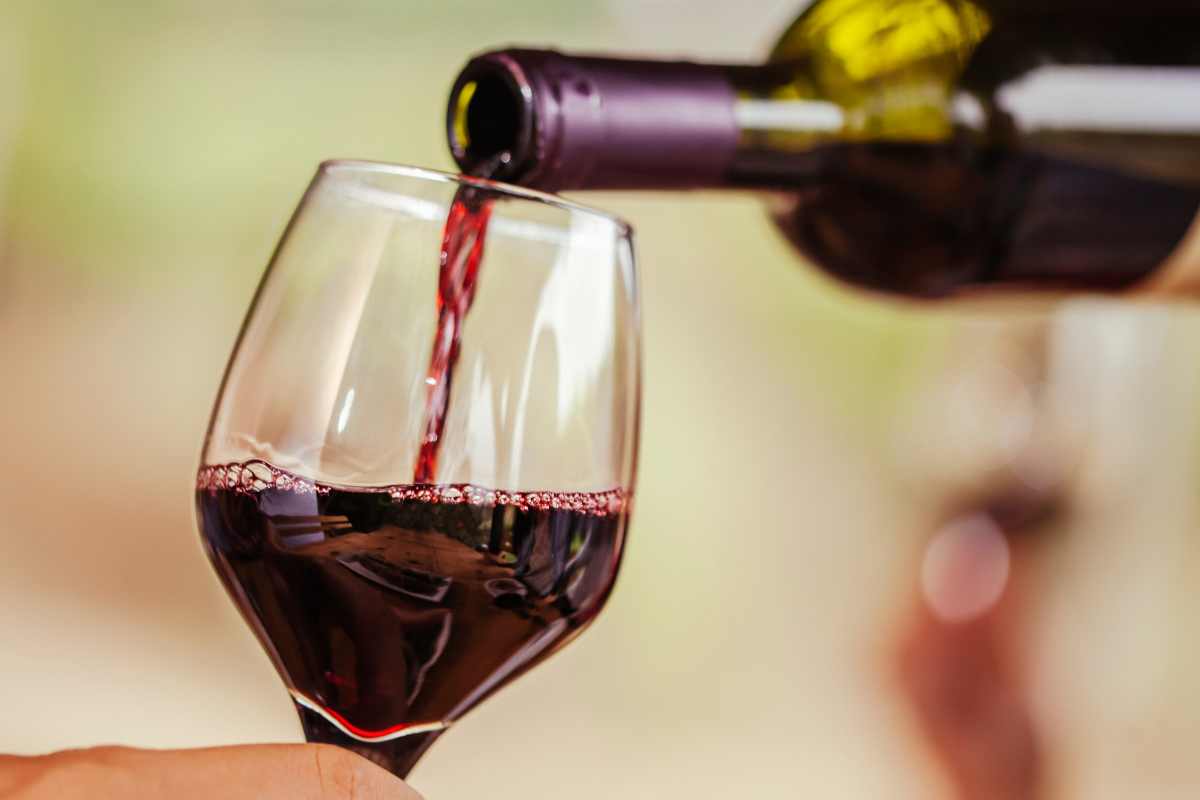
Pour modestly—about one-third full—so aromas can collect and you have room to swirl without splashing.
Temperature matters more than most people think. Chill whites and rosés a bit (but not icy), and bring reds slightly below room temperature.
If a wine is too cold, cup the bowl briefly to nudge it warmer; if it’s too warm, give it a quick rest in a cool spot. These tiny adjustments are core wine tasting etiquette tips that make flavor pop.
Tip 1: Sniff, Then Sip (In That Order)
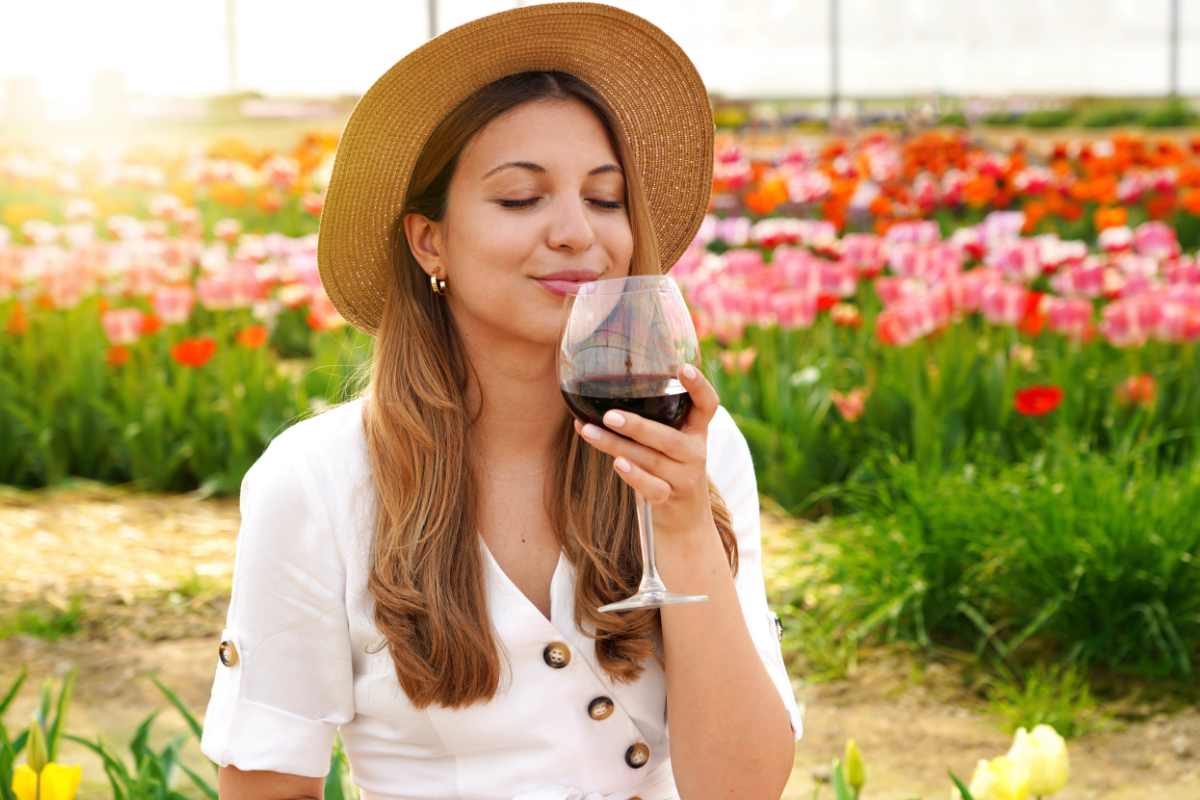
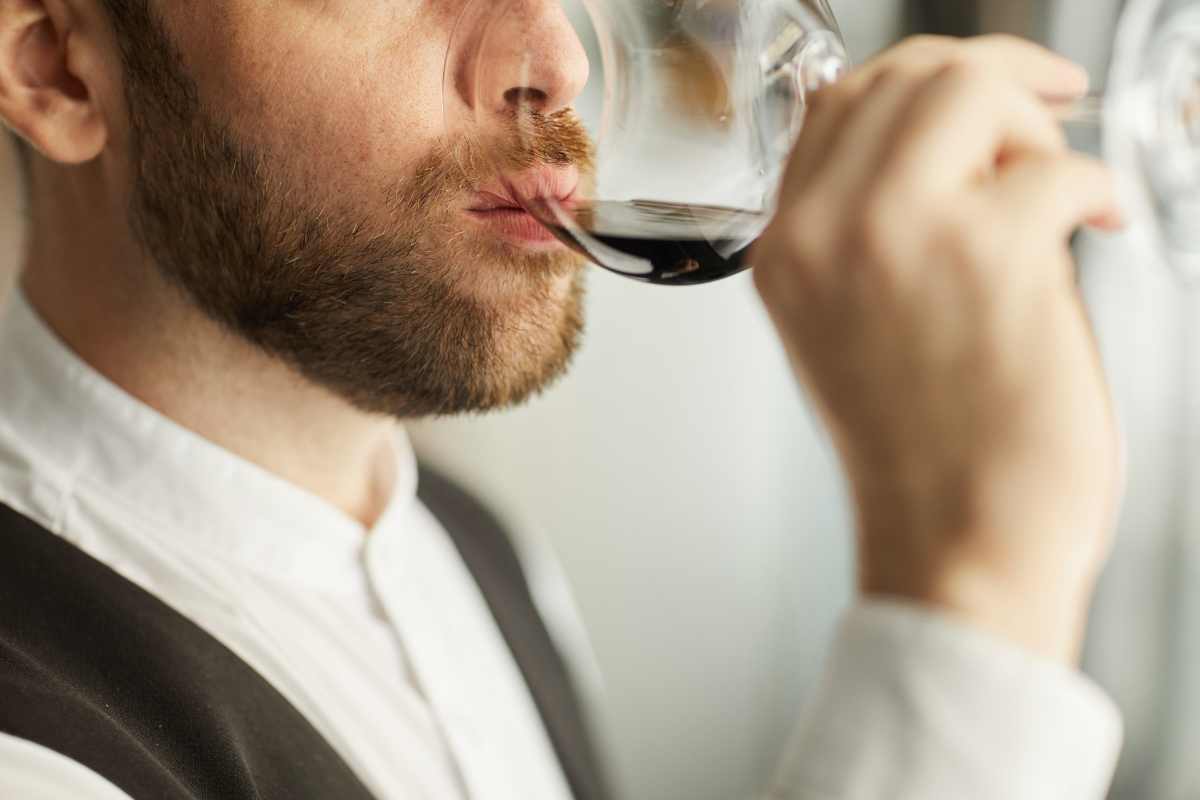
Before drinking, give a gentle swirl and take two short sniffs. You’re not hunting for poetry—just checking freshness and fruit character.
If you smell cork taint (wet cardboard), oxidation (stale apples), or strong vinegar notes, say so politely. Hosts and servers want to know when a bottle is off; you’re helping, not complaining.
When the wine is sound, take a small first sip. Note acid (mouth-watering), tannin (grip), body (weight), and finish (how long flavors linger). Quiet observation first, opinions second, is gracious tasting behavior and cornerstone wine etiquette.
Tip 2: Speak With Respect—And Specifics

Share what you enjoy using simple descriptors—citrus, stone fruit, cherry, herbal, smoky. Avoid declaring a wine “bad” if it’s simply not your style.
Try “I prefer something brighter” or “I’m leaning toward softer tannins.” This keeps conversation welcoming and helps the group dial in better bottles for everyone.
If you’re curious about a region or grape, ask for Wine Information from the host or sommelier. A question like “What makes this Syrah different from a Northern Rhône style?” invites useful context without derailing the moment.
Tip 3: Pairing Without Panic
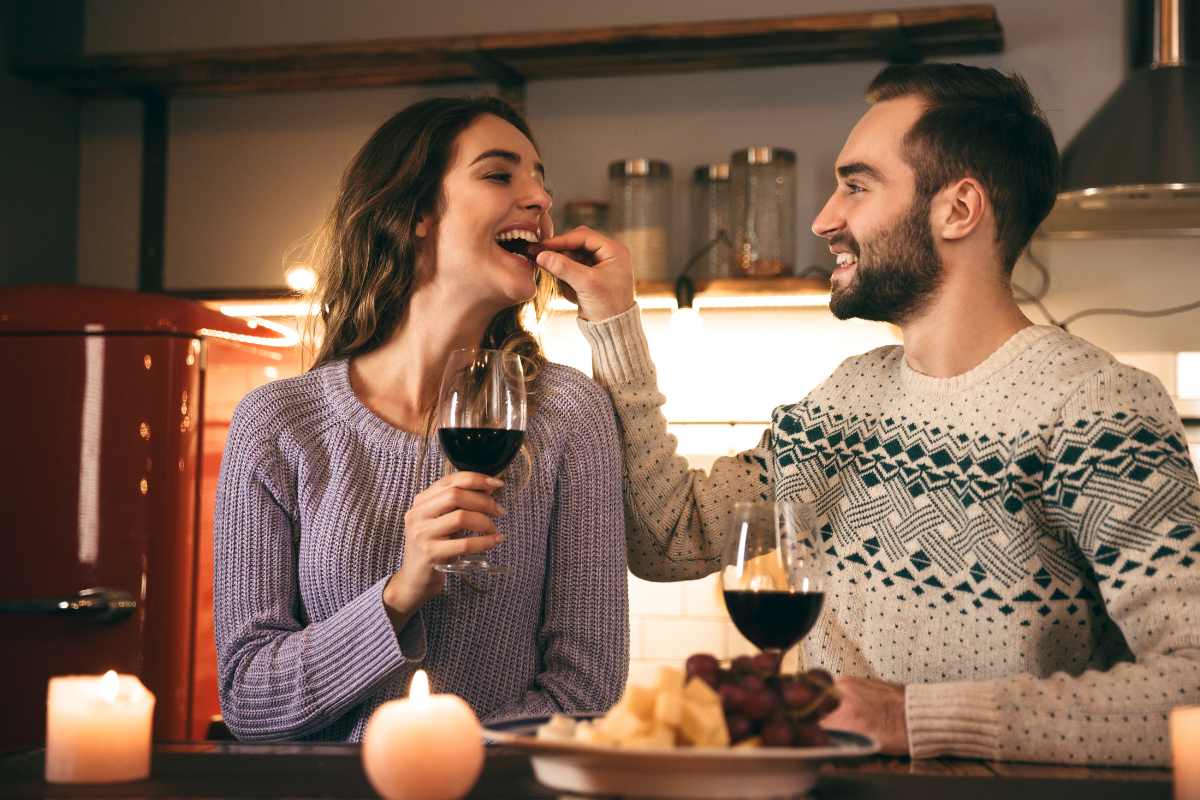
Great pairings don’t require memorizing charts. Match intensity first: light wines with delicate dishes, fuller wines with richer flavors. For heat and spice, aim for lower alcohol and a touch of sweetness; for fatty foods, look for acidity to cleanse the palate.
When you’re unsure, sparkling wine or a dry rosé are flexible lifelines. If someone is serving multiple courses, ask how many wines are open and plan small pours.
This mindful approach is one of those subtle wine tasting etiquette tips that keeps the table balanced and the bottle shared fairly.
Tip 4: Ordering Confidently
At restaurants or shops, set a budget and describe the flavors you like. You can say, “I’m after something fresh, under $X, to go with roasted chicken.” Pros love useful prompts.
If you want structure for picking bottles, remember the three C’s: Country, Category (grape/style), and Cost. This is essentially How To Choose Wine without getting lost in labels.
Planning a tasting at home? Outline a theme—same grape from different regions, or one region across several grapes. This focused setup doubles as How To Choose A Wine For Tasting because it guides variety, price points, and glassware needs while keeping conversation on track.
Tip 5: Pouring, Sharing, and Spitting

Offer the first pour to guests, then serve yourself last. Refill modestly to keep wines at ideal temperature and to ensure everyone gets a taste. If a bottle is limited, agree on small tasting pours so all can compare notes.
Spitting is totally acceptable in formal flights or when many wines are served. Do it discreetly into a provided cup or spittoon.
Hydrate, nibble neutral snacks, and reset your palate between pours. Mindful pacing is considerate to your host and helps you remember which wines you actually loved.
Choosing and Curating: Build a Reliable Shortlist

Stock a few “house” bottles for different moods: a crisp white (Albariño or Sauvignon Blanc), a versatile red (Garnacha or Pinot Noir), and a celebratory sparkling. Rotate in seasonal choices so you’re never scrambling before guests arrive.
When exploring new regions, skim producer websites, retailer notes, and smart newsletters for concise Wine Information.
Keep a simple tasting log on your phone—grape, region, price, one or two flavor cues. After a month, patterns emerge and purchasing becomes effortless.
Hosting a Tasting: Make It Easy and Fun

Set out water, plain crackers, and pens. Label glasses or use tasting mats so notes don’t get mixed up.
Keep the group focused with short rounds: smell, sip, compare, and share a quick thought. Rotate from lightest to fullest wines to avoid palate fatigue.
To level-up hospitality, chill a backup bottle, have a clean decanter ready, and light the room so labels are readable. These tiny touches turn good hosting into great wine etiquette that guests remember.
Quick Troubleshooting
Wine seems muted? Warm it slightly or swirl more vigorously. Too sharp? Pair with salty or creamy bites. Tannins too grippy? Give it time in glass or decant; protein-rich snacks help soften the edges.
If a wine is flawed, speak up kindly and early. Your table will appreciate the save—and the chance to open something better.
Keep Learning, Sip By Sip

Great manners make great experiences. With these five habits—mindful glass care, respectful sharing, simple pairing, confident ordering, and considerate pacing—you’ll handle any bottle with ease.
Explore more guides on Urbaki for deeper dives into grapes, regions, and buying strategies that fit your taste and budget.
Enjoy Watching This Video

Source: Business Insider
More Home Tips 👇🏼👇🏼