
Basic Types of Tile Materials


Choosing the basic types of tile materials can feel overwhelming, but it doesn’t have to be. This overview breaks down the main types of flooring materials, how they perform, and where they work best.
You’ll also find a concise ceramic tile selection guide and practical tile selection tips to help you plan a durable, great-looking surface.
Ceramic & Porcelain: Everyday Workhorses
Ceramic and porcelain tiles are fired clay products, loved for their durability, color range, and easy cleaning.
Porcelain is denser and more water-resistant, which makes it a favorite for wet zones and high-traffic floors.
If you’re comparing finishes, matte hides smudges while glossy reflects light and shows more wear.
As a quick ceramic tile selection guide, check the PEI wear rating for abrasion resistance and look for slip ratings (COF/DCOF) in wet areas.
Larger formats reduce grout lines and make small rooms feel bigger. Rectified edges create tight, modern joints; pressed edges feel softer and more traditional.
For kitchens, porcelain stands up to spills and hot cookware. For living rooms, ceramic with a textured surface adds warmth and improves traction.

Glazed options simplify maintenance, while unglazed bodies may require sealing.
Natural Stone & Quarry Tiles: Earthy, Timeless Surfaces
Stone tiles bring unique veining and natural variation you can’t fake.
A natural stone tile—whether marble, granite, slate, or travertine—adds character and value but usually needs sealing and pH-neutral cleaners.
Honed finishes are more slip-friendly than polished, especially near water.
Quarry tiles are unglazed, extruded clay tiles known for toughness and a rustic look. They excel in utility spaces, porches, and heavy-use floors.
Their earthy reds and browns camouflage dust and wear, making them a practical pick for mudrooms or back-of-house areas.

Stone’s strength is longevity and authenticity. Just plan for periodic maintenance. If you love a natural palette and organic texture, this category delivers like no other.
Cement & Metal Tiles: Bold Style Statements
A cement tile offers saturated color and graphic patterns that turn a floor or backsplash into a focal point.
It’s thicker and porous, so sealing before and after grouting is essential. Expect a softly worn patina over time—that lived-in look is part of the charm.
A metal tile—in stainless, copper, brass, or aluminum—adds sheen and modern edge to walls and accents. It’s typically used as a backsplash or feature strip rather than a whole floor.
Mind cleaning: some metals are sensitive to harsh chemicals and require gentle care.

Use these categories when you want personality. Cement projects color and pattern; metal brings reflectivity and contrast. Both pair well with neutral cabinetry and simple countertops.
Where Each Tile Shines (By Room)
If you’re comparing the types of tiles for kitchen spaces, porcelain and ceramic lead for durability and easy cleanup. Quarry works for hard-wearing entries. Metal accents on a backsplash can modernize a classic layout.
For baths, consider the types of tiles for bathroom with slip resistance in mind. Porcelain with a matte or textured finish is a safe bet for floors.
Stone elevates a primary bath; just seal and choose honed finishes for better traction.
On floors elsewhere, weigh the types of tiles for floor by foot traffic and maintenance.
Porcelain for busy family rooms, quarry for mudrooms, stone for feature spaces, and cement for patterned statement zones.
Need inspiration for the different types of tiles for bathroom walls?
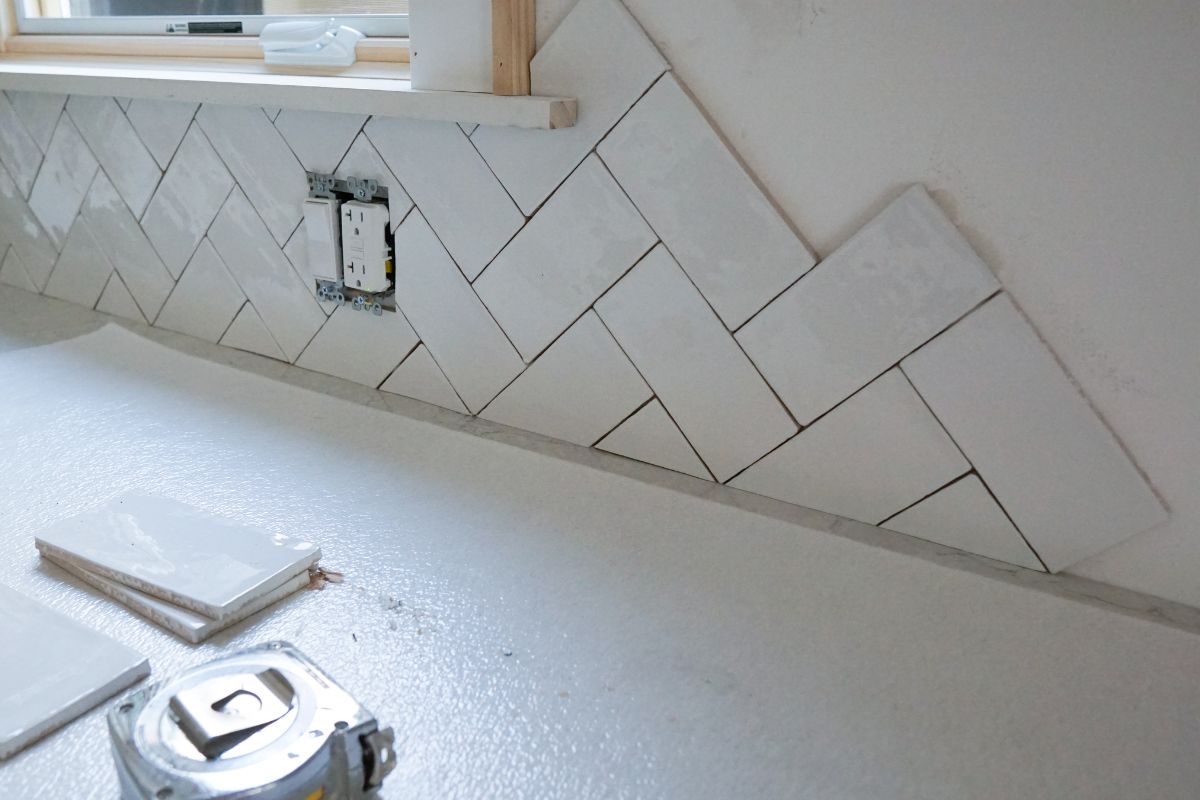
Mix large-format porcelain on main walls with a mosaic in the shower niche for texture and contrast without heavy grout upkeep.
How To Choose: Practical Tile Selection Tips
Start with performance: moisture, foot traffic, and cleaning routines. That context will quickly narrow the types of flooring materials that truly fit.
Confirm slip resistance where water is present and verify frost ratings for outdoor installs.
Next, think scale and pattern. Large tiles visually expand small rooms, while patterned cement tile or veined stone tiles add movement.
Keep grout joints tight for a sleek feel, or choose wider joints and textured surfaces for rustic character.
Finally, maintenance matters. Natural stone tile and quarry tiles may need sealing; glazed ceramic and porcelain are low-maintenance.
If you crave metallic shine, use metal tile as an accent to avoid fingerprints and scratches in heavy-use areas.
These tile selection tips ensure your choice looks great on day one and stays that way.
When in doubt, request samples, test them under your lighting, and do a quick spill test before you commit.
We hope you enjoy watching this video about what you should know about different tile materials:

Source: Homes Explained
Did you find this post useful or inspiring? Save THIS PIN to your HOME Board on Pinterest! 

Once again, thank you for visiting our website!
We hope you've enjoyed exploring the content we've created for you.
Give yourself the chance to learn, get inspired, and have even more fun, keep browsing...
More Home Tips 👇🏼👇🏼