
Can a Room Hold a Memory? Emotional Design Explained

The idea that a room can hold a memory is more than just a whimsical notion. It's rooted in how we, as humans, interact with the spaces around us.
Emotional design is a concept that explores how environments can trigger emotions, create memories, and even shape our behavior.
But how exactly can a room hold a memory? Let’s dive into the science and art behind emotional design to explore how the spaces we inhabit impact our emotions and recall.
Discover the Best Decor Pieces to Elevate Your Space!

- ✿ Nice photo prop - Suitable for Cool and Vintage Ins...
- ✿ Perfect combination of natural wood and clear glass-...
- ✿Retro Home Office Décor: Great for floral arrangement,...


- Fresh scent Clean Linen : Keep it clean with air. Crafted...
- Includes: One fragrance diffuser glass bottle, 6.7 fl oz...
- Long-lasting Scent: Enjoy up to 90 days of fragrant aroma....

- BUILDABLE PLANT DECOR – Enjoy a mindful, nature-inspired...
- AUTHENTIC DETAILS – The artificial plant has realistic...
- LUCKY PLANT – Representing the season of summer in...
What is Emotional Design?
Emotional design is the theory that our surroundings—whether it's a living room, office, or bedroom—are more than just functional spaces. They influence our mood, behavior, and even how we process memories.
Every piece of furniture, the color of the walls, and even the lighting can evoke different emotions. The key is how these elements interact with our personal experiences and feelings.
The Power of Colors in Creating Memories
One of the most significant components of emotional design is color psychology. Different colors can evoke various emotions and memories.
For example, blue tends to promote calm and tranquility, often used in spaces designed for relaxation. Red, on the other hand, can create excitement or intensity, which is why it's often used in dining areas or entertainment spaces.
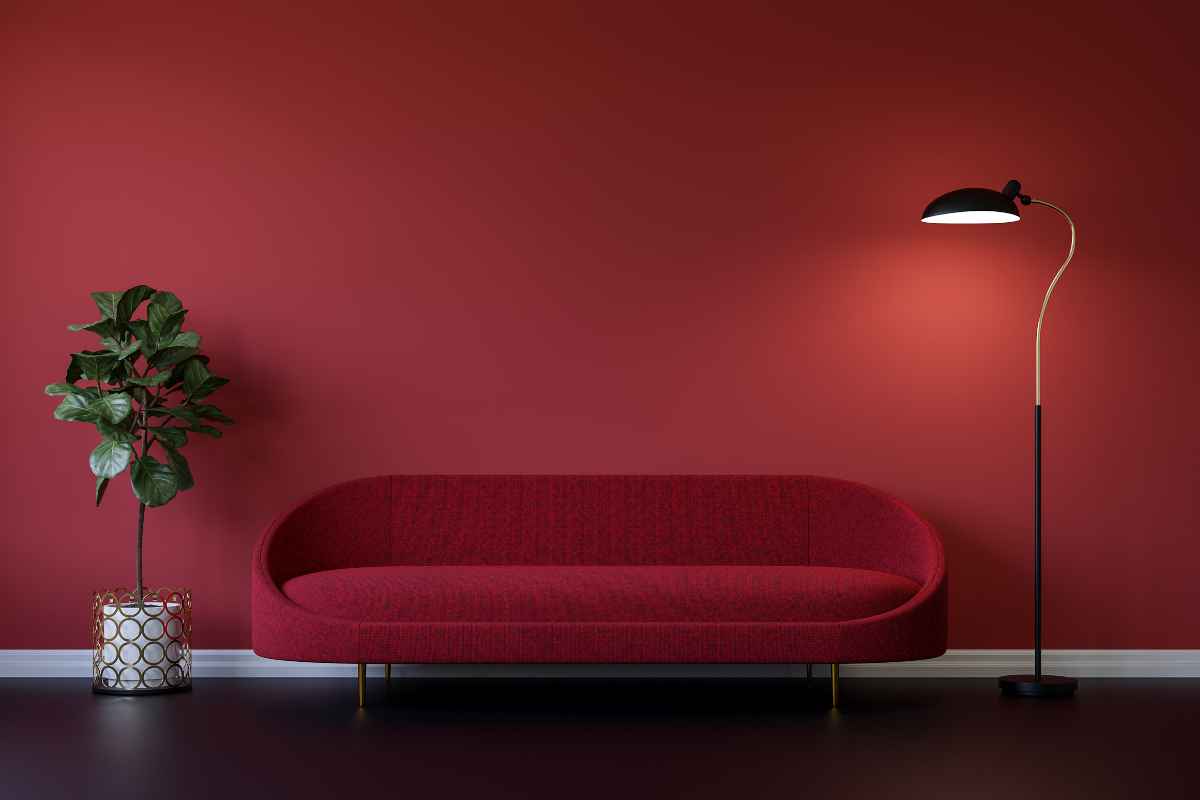
Imagine walking into a room that is painted in a soft, pastel pink. For some, this might trigger memories of their childhood bedroom or a joyful moment spent with loved ones.
Colors have the power to evoke subconscious memories, influencing how we feel and even how we interact with the space.
The Role of Furniture and Layout in Emotional Design
Not only the colors, but also the furniture layout and the choice of items in a room can make a big difference. A space filled with cozy chairs and soft textures might evoke feelings of warmth and security.
In contrast, a room filled with sleek, minimalist furniture could make you feel energized but perhaps slightly aloof.
Think about how a family room where people gather around a coffee table fosters a sense of connection and togetherness. On the other hand, a work environment that is neatly organized and well-lit can encourage focus and productivity.
The arrangement of furniture can also contribute to personalized memories. The way a living room is set up for family gatherings or a study space designed for late-night work can transform the environment into a memory-holder.
These spaces become intertwined with the emotional experiences that take place in them, thus holding memories long after the events themselves.
Lighting: A Tool for Emotional Connection
Lighting is an essential component in emotional design. It is not just about illumination but also about mood setting.
Soft, warm lighting can make a room feel inviting and intimate, while bright, harsh lights might create an energetic atmosphere but can also evoke feelings of stress.
Think about a cozy dinner with friends, lit by dim candlelight. The room's lighting, combined with the company and the occasion, can create a memory that will stay with you for years.
Whether it's a favorite restaurant, a warm living room during the holidays, or a sun-drenched reading nook, lighting plays a crucial role in setting the emotional tone.

Personalization: The Key to Emotional Attachment
A room that holds memories is often one that feels personal and unique. Personalization is one of the strongest drivers of emotional attachment to a space.
It’s not the perfectly arranged furniture that makes a room memorable but the personal touches that reflect your life.
Photographs, heirlooms, or artwork that speaks to your personal taste make a room feel lived-in and loved. These objects carry emotional significance, often tied to memories of special moments, travels, or family milestones.
As time passes, these items become markers of experiences that we associate with specific times and emotions.
The Influence of Smells and Textures
Besides sight, the senses of smell and touch can also contribute to the emotional design of a room. The scent of fresh flowers, the earthy smell of a wooden table, or the soft texture of a couch can trigger memories just as strongly as visual cues.

The sense of smell is especially powerful when it comes to memory. Scents have a direct link to the brain’s emotional center, meaning that a familiar scent—like that of a favorite childhood meal or a specific perfume—can transport you to a specific place or moment in time.
Similarly, the tactile experience of a space, from the softness of a rug to the coolness of metal furniture, can deeply influence how we relate to a room.
How Emotional Design Shapes Our Behavior
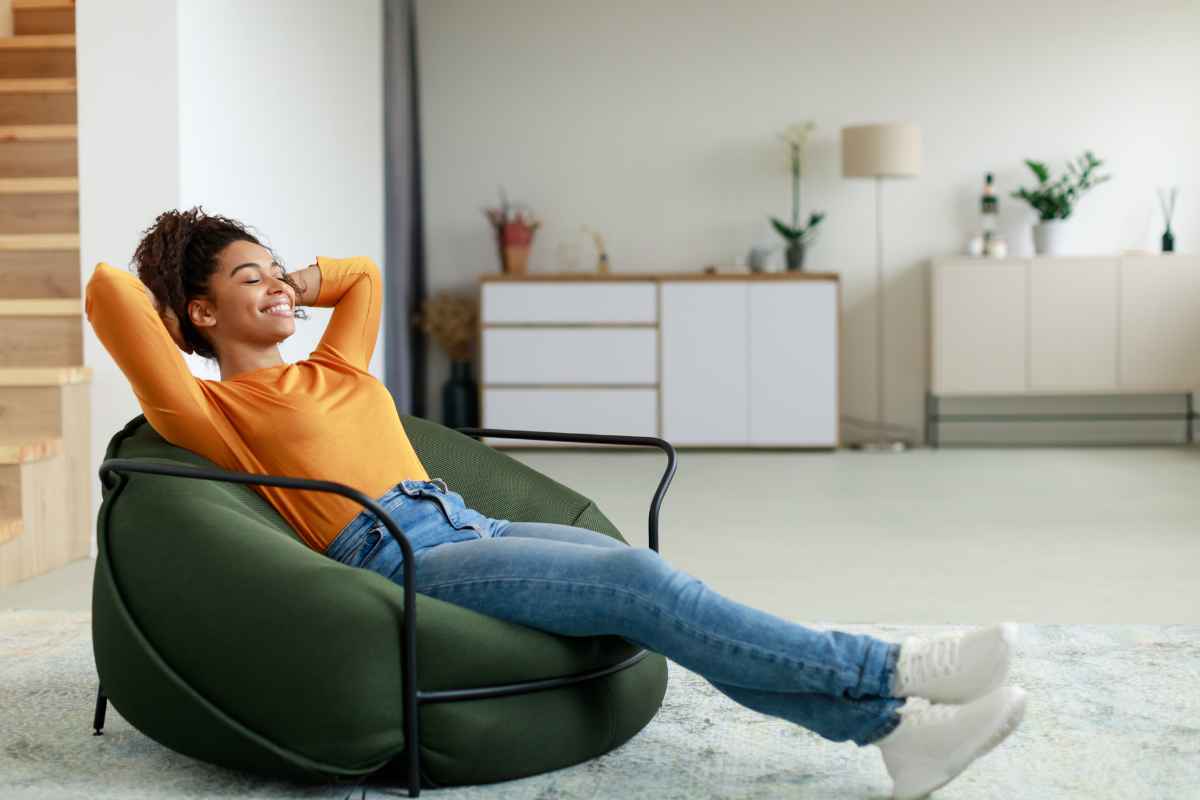
Beyond memory, emotional design also shapes how we behave in a room. A room designed to be calm and serene, with soft colors and cozy furniture, encourages relaxation and socialization.
A room filled with bright lights, modern furniture, and open spaces might inspire creativity and energy.
For instance, think about a home office that’s set up with everything you need for focus and productivity—clean desk space, organized shelves, and a supportive chair.
This design encourages you to work effectively, making the space not just a physical area but a space where you can thrive emotionally and mentally.
The Connection Between Memories and Well-Designed Spaces
When we think about a room holding a memory, it’s about the emotional connection we form with that space. A room becomes more than just a collection of furniture and decor; it becomes a repository for our personal experiences.
Whether it’s a living room filled with laughter and family dinners, or a bedroom that serves as a retreat after a long day, the emotional design of a room makes it a meaningful part of our lives.
The memories that rooms hold are not just the product of time but also of intention. How you decorate, how you arrange furniture, and even the kind of materials you choose can influence how you feel and remember experiences in that space.
Creating Spaces That Evoke Positive Memories
So, can a room hold a memory? Absolutely. Rooms don’t just exist as static spaces but are ever-evolving environments that grow with us.
To create a room that holds positive memories, focus on personalization and how design elements like lighting, color, furniture, and textures resonate with you emotionally. A room’s ability to evoke memories is deeply tied to how it connects with your senses and personal experiences.
In conclusion, emotional design allows us to create spaces that don’t just house us but also hold parts of our lives, emotions, and memories.
Every room can become a vessel for the stories we live—furnishing not just the space but also enriching our lives with the power of design.
By carefully considering these aspects, you can create a room that doesn’t just look good but also feels good, making it a place where memories are created, cherished, and revisited.
Did you find this post Useful or Inspiring? Save THIS PIN to your HOME Board on Pinterest!
More Home Tips 👇🏼👇🏼