
3 Decorating Ideas For The Home: DIY Home Decor

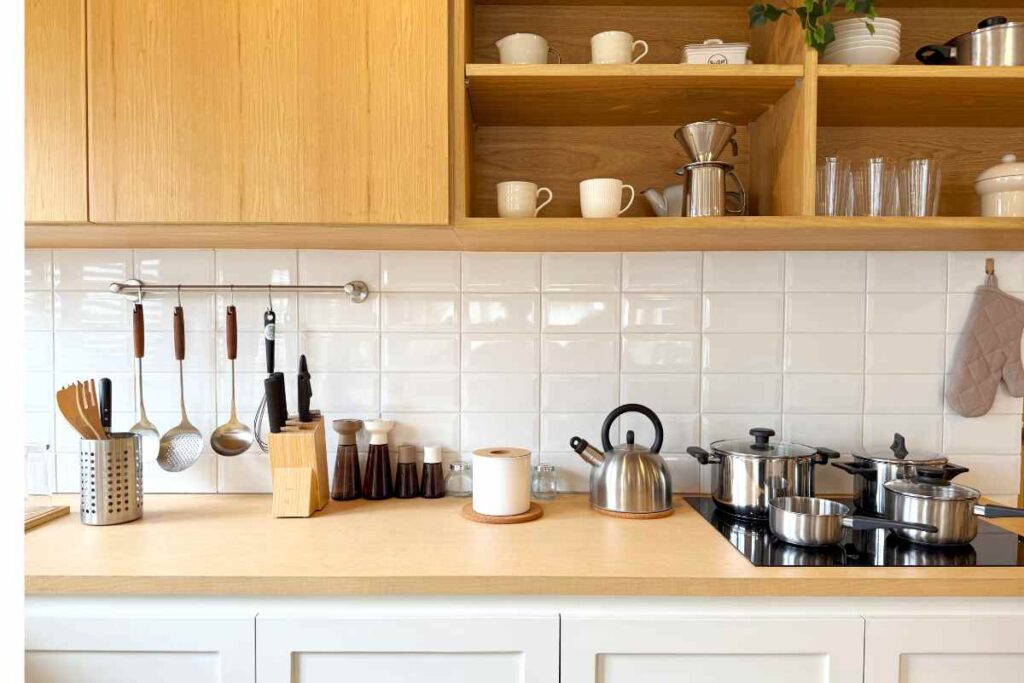
Decorating Ideas For The Home doesn’t have to mean big budgets or weeks of work. With a few clever, DIY home decor moves, you can refresh any space in an afternoon and still get that high-impact, designer look.
Below you’ll find three stylish ideas that blend texture, color, and layout—so your rooms feel intentional, cozy, and uniquely yours.
Whether you love modern lines or Farmhouse Decor warmth, these quick wins focus on materials you likely already have, thoughtful home accents, and small changes to your house interior that deliver outsized results.
Think of these as house decorating ideas you can adapt to your style: a living-room reset that rebalances scale and comfort, a light-lifting kitchen tweak that makes an open kitchen shine, and a bedroom layering formula that adds calm without clutter. Each tip includes the “why it works,” so you can reuse the principle in other rooms.
Why These 3 Decorating Ideas Work
Design wins happen when you combine a clear focal point, intentional negative space, and a tactile mix of finishes.
In practice, that means editing before adding, scaling furniture to the room, and using light to pull your eye where you want it.
Keep the following in mind as you apply these decorating ideas for the home: if a piece doesn’t serve comfort, storage, or visual balance, it’s in the way.
Idea 1: The Living Room Reset (15-Minute Layout Refresh)
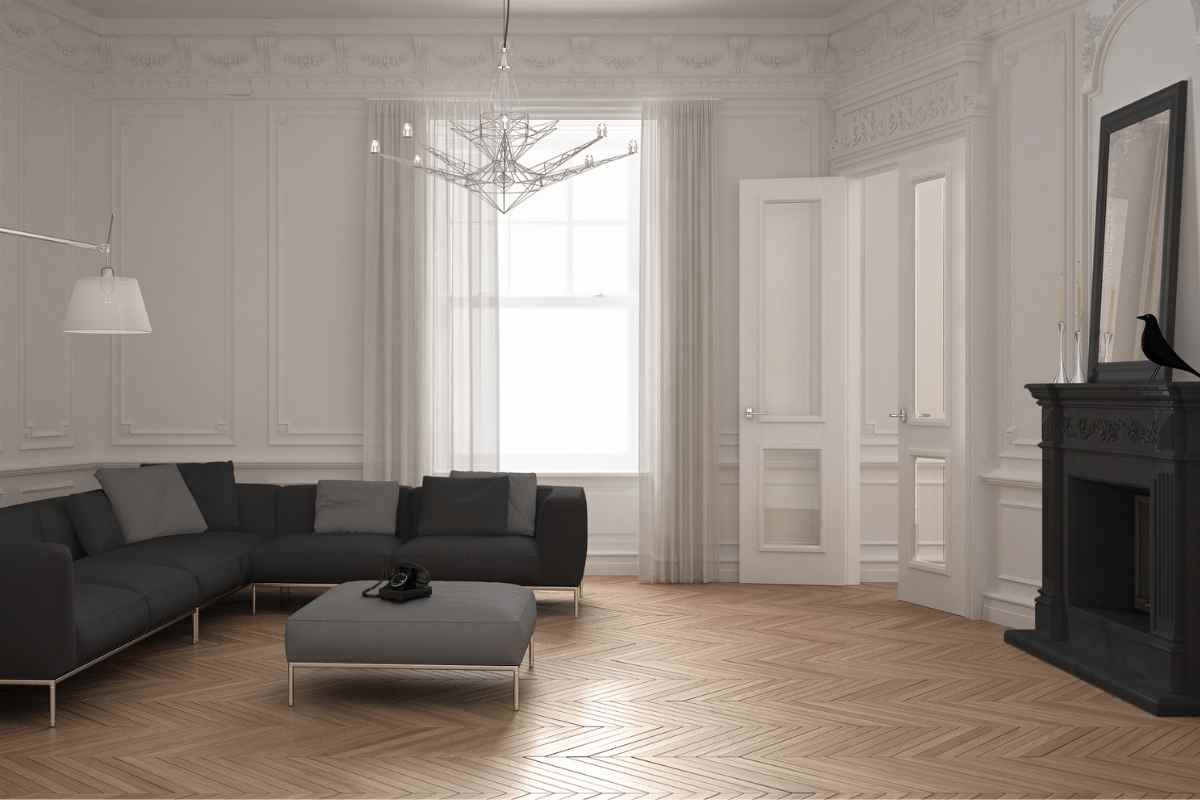
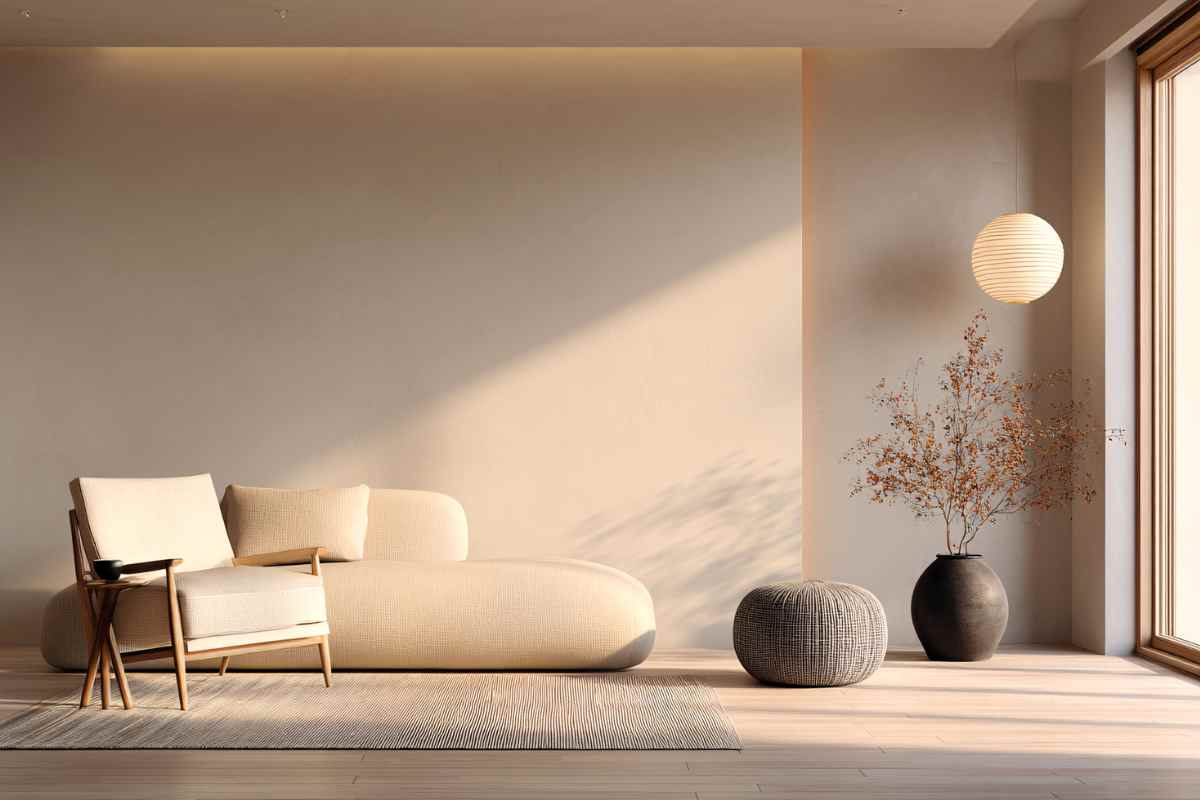
Your living room works best when seating, surfaces, and lighting support conversation and daily life. Start by removing small items to see the bones of the space.
Then place your largest seating—sofa or sectional—so it faces a focal point: a window, artwork, or softly styled media wall. Layer chairs across from it to build an inviting “U.”
This simple reset is the foundation of great living room designs and helps even small living room decor feel intentional rather than cramped.
Next, correct scale. A too-tiny rug makes furniture float and the room feel smaller. Choose a rug that lets front legs of seating sit on it; this visually stitches pieces together.
Add a side table for every seat and ensure at least one dimmable lamp lands in the conversation zone. These smart moves count as budget-friendly home decorate ideas because they don’t require new furniture—just better placement and a right-sized textile.
Why it works: Balanced scale and clear traffic flow reduce visual noise. A larger rug lowers contrast lines on the floor, making the room read as wider.
Consistent tabletop heights (within 5 cm) make reaching effortless. Even minimal indoor decor, like a sculptural vase or a tactile throw, feels elevated when the layout supports it.
Style it: Anchor with a neutral base—think oat, stone, or warm gray—then punctuate with two repeating accent colors across pillows, art, and a single statement home accents piece (e.g., a ceramic lamp). Repetition builds rhythm, an essential trick in polished house interior schemes.
Micro-Upgrades for the Living Room
1) Pillow Palette Swap: Choose one textured neutral, one subtle pattern, and one bold color that echoes art or books. This creates harmony without matching everything.
2) One Big Art Moment: Replace a gallery cluster with a single oversized print or canvas. Larger scale feels calmer and instantly “designer.”
3) Lamp Triangle: Use three light sources—ceiling, floor, table—in a triangular formation to eliminate shadows and flatter the room at night.
Idea 2: Light-Lifting Open Kitchen Styling
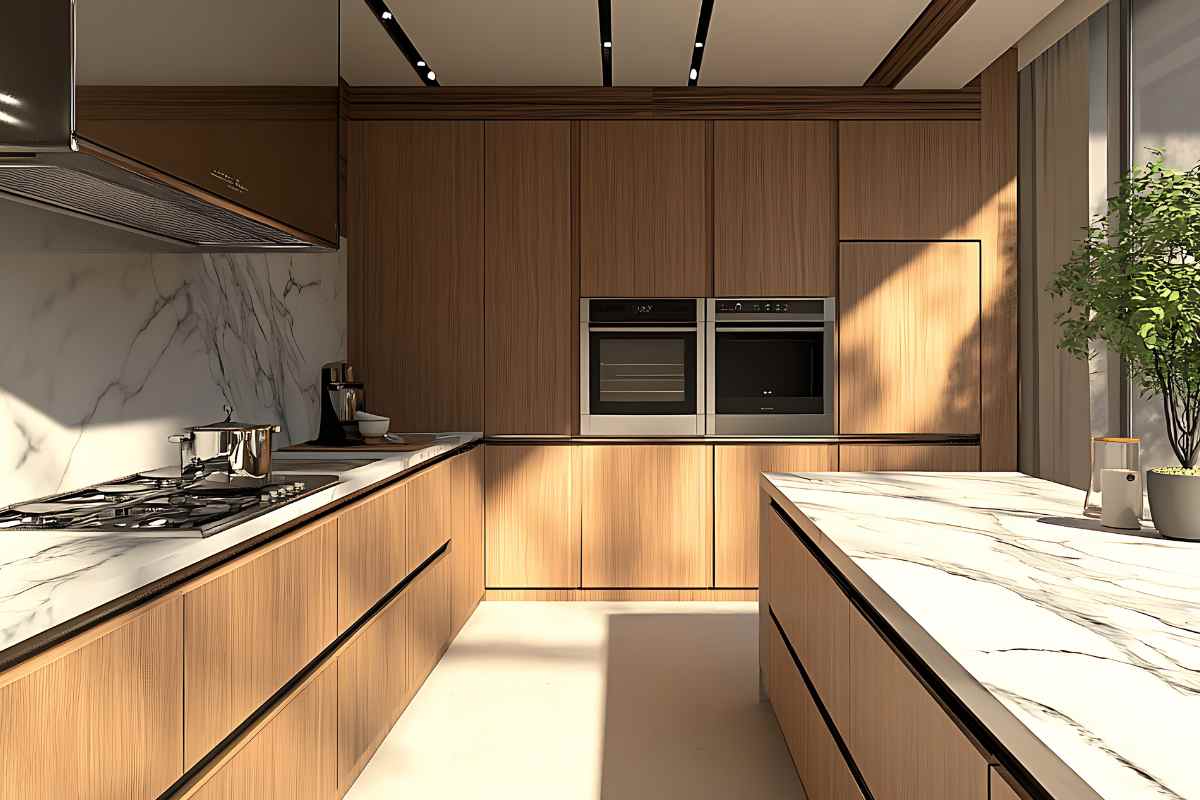
An open kitchen connects cooking with everyday living, but visual clutter can spill into adjacent rooms. To keep it bright and cohesive, group items by material and function: wood boards together, white ceramics together, metals together.
Keep daily-use pieces at hand and move extras into closed storage. Swap a heavy fruit bowl for a long, low tray—horizontal lines calm the eye and elongate counters.
Now layer light. Under-cabinet LED strips (warm 2700–3000K) brighten tasks without harshness, while a single statement pendant over the island creates a “destination” visible from the living room.
Treat the backsplash like art: a narrow rail or small ledge can display a rotating trio—one object with height, one with volume, one with shine—to add subtle movement without clutter. These are classic house decorating ideas that feel editorial yet effortless.
Why it works: Material grouping and warm lighting reduce visual busyness, so the whole main floor feels larger. The curated trio adds personality while staying practical. A restrained palette in the kitchen also supports adjacent living room designs by preventing color competition.
Style it: Echo a color from your living room pillows onto a utensil crock or linen runner for continuity. If your space leans Farmhouse Decor, introduce one vintage wood element—like a breadboard—to ground the sheen of stainless steel.
Micro-Upgrades for the Kitchen
1) Unified Containers: Decant coffee, tea, or pasta into matching jars. Labels in one font reduce visual noise and look custom on open shelves.
2) Vertical Spark: A slim picture light over art or shelving adds glow and implies height—great for modest ceilings.
3) Soft Landing: A washable runner in a neutral stripe warms hard floors and ties into textiles in nearby seating areas.
Idea 3: Textural Bedroom Layering (Calm Without Clutter)
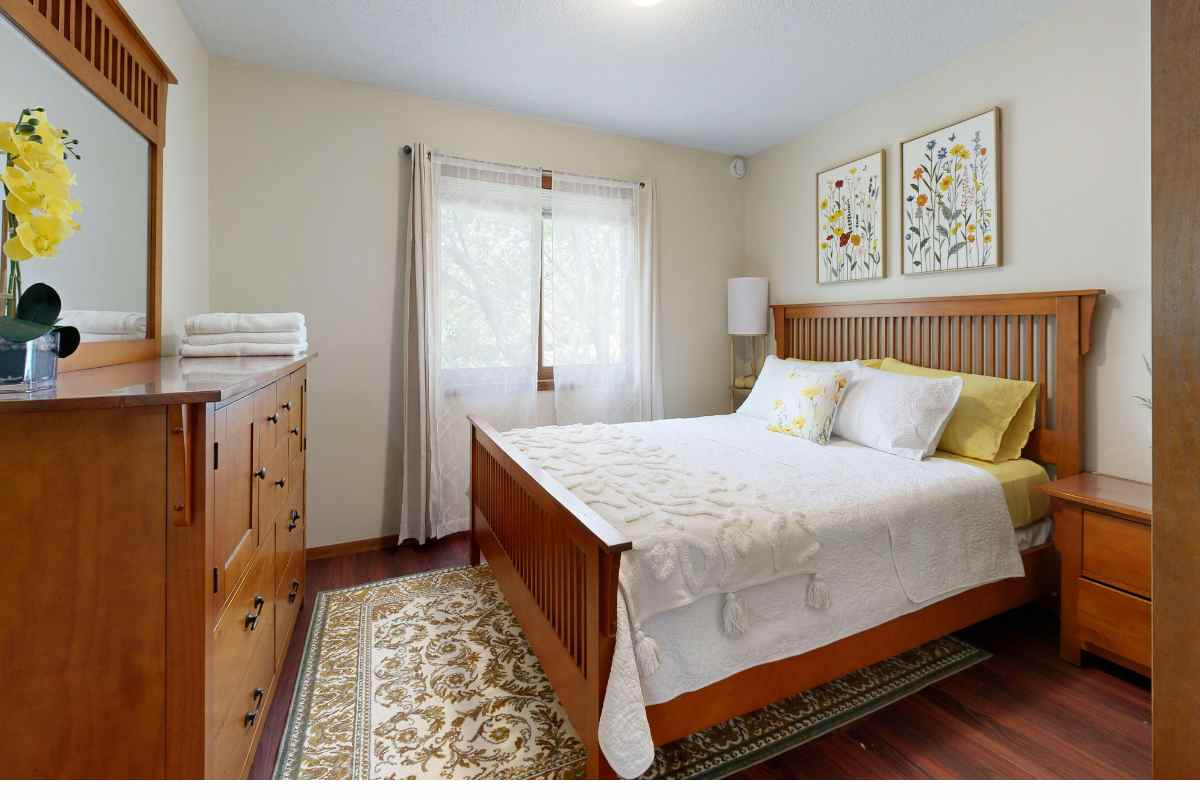
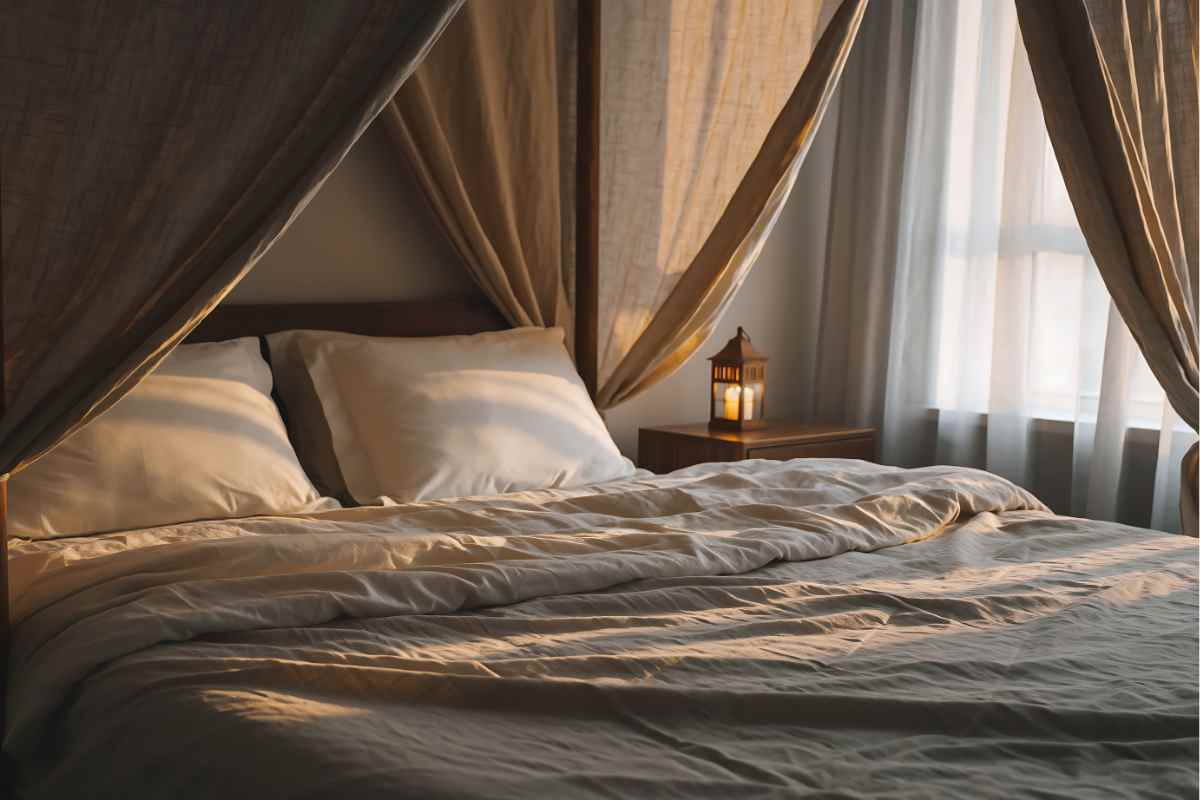
Bedrooms thrive on touchable textures and simplified color stories. Begin with crisp sheets, then add a mid-tone quilt and a heavier throw at the foot for depth.
Choose one pattern—pinstripe, small check, or a nature-inspired print—and repeat it on lumbar pillows or curtains. The goal is a quiet rhythm, not a theme party.
A pair of nightstands with hidden storage keeps surfaces clear so the room reads serene.
Lighting is your best friend here. Use a warm bedside lamp with a fabric shade and a small sconce for reading.
Keep mirror frames thin and bed height proportional to the mattress so everything feels airy. A single, substantial plant offers living texture without visual clutter, rounding out your indoor decor story.
Why it works: Layering brings depth without relying on color contrast. When your palette is controlled, materials—linen, wool, wood, ceramic—carry the visual interest. This approach translates to small living room decor too: fewer items, better texture.
Style it: Limit nightstand decor to three items: a lamp, a personal object (book or framed photo), and something natural (branch, flower). It’s an easy rule that protects calm on busy days and fits many house interior aesthetics.
Micro-Upgrades for the Bedroom
1) Headboard Anchoring: A taller upholstered headboard grounds the wall and makes inexpensive bedding look luxe.
2) Tone-on-Tone Art: Choose artwork within two shades of your wall color for a boutique-hotel vibe.
3) Nightstand Symmetry: Matching lamps calm the scene; vary bulb brightness for reading vs. winding down.
In this post we offer a review and guide inspired by those concepts, but you can see the full post here.
How to Adapt These Ideas to Any Style
Prefer sleek and modern? Keep silhouettes clean and finishes matte. Love rustic charm? Lean on Farmhouse Decor staples like weathered wood, woven baskets, and warm whites, but edit fiercely so the room feels fresh, not themed.
Transitional fans can mix both by pairing classic shapes with contemporary lighting. In all cases, repeat key colors and textures at least three times to create cohesion across rooms.
For renters, focus on swappable elements: pillows, rugs, art, and lighting. They’re the fastest, most flexible house decorating ideas and travel with you.
Homeowners can commit to bigger moves—paint, hardware, and built-ins—that set a long-term tone while still respecting these simple, repeatable principles.
Budget and Sourcing Tips (Where to Save vs. Splurge)
SPLURGE on foundational pieces you touch daily: sofa, mattress, and main lighting. SAVE on trend-driven textiles and tabletop decor.
Thrift stores are goldmines for real wood and ceramic home accents; a little cleaning brings them back to life. Paint remains the highest-impact, lowest-cost upgrade—choose two neutrals you love and one accent to repeat throughout your home.
When you’re short on time, rotate decor seasonally rather than buying new. Store extras in labeled bins so styling takes minutes. Treat your notes and photos like a personal lookbook; that’s where your best home decorate ideas—and the confidence to try them—will come from.
Room-by-Room Cheat Sheet
Living Room: Anchor with a correctly sized rug, layer a pillow palette, set a lamp triangle, and keep traffic paths clear. These strategies scale from lofts to small living room decor layouts.
Kitchen: Curate an open kitchen with grouped materials, warm task lighting, and one statement pendant. Repeat one color from nearby spaces for cohesion.
Bedroom: Build tactile layers, simplify surfaces, and keep symmetry on nightstands for instant calm.
Wrap-Up: Your Turn to Transform
Use these three decorating ideas for the home as a flexible playbook you can deploy in a single afternoon. Start with the living-room reset, tidy your open-plan kitchen line of sight, then layer the bedroom for texture and calm.
Repeat the principles—scale, light, and texture—across spaces and watch your home feel more cohesive every week. Ready for more inspiration and fresh DIY home decor tricks? Explore our guides and projects for even more smart moves you can actually finish.
If you're looking for ideas to decorate your outdoor space, we invite you to read our article Fresh Deck Decorating Ideas to Elevate Your Outdoor Space.
Keep Exploring Smart Home Style
Want more room-specific ideas, renter-friendly upgrades, and styling micro-wins? Browse our latest stories on Urbaki Home for fresh projects, paint guides, and budget-wise product roundups you can tackle today.
More Home Tips 👇🏼👇🏼