
Designing a Home That Grows With You Emotionally

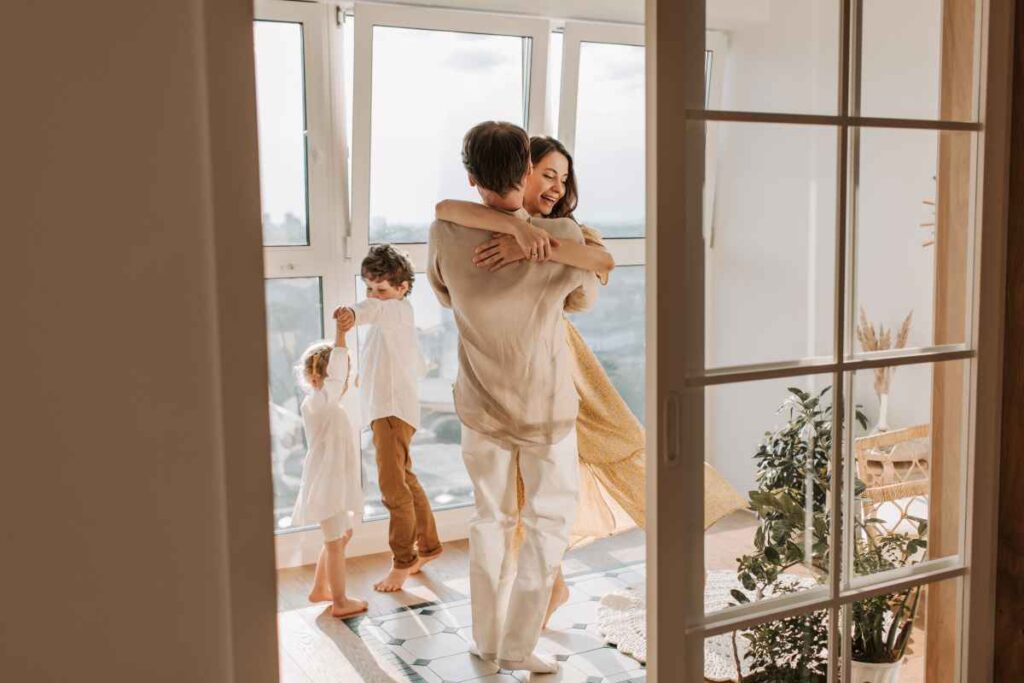
Creating a home isn’t just about choosing the right furniture or picking out the perfect paint color. A well-designed home can support your emotional well-being, adapt to your changing needs, and nurture your growth.
It’s more than just a place to live – it’s a space where you can truly feel at peace, inspired, and connected to your environment.
Designing a home that grows with you emotionally means paying attention to how the space can evolve along with you as your life changes.
In this article, we’ll explore how to create a home that supports emotional growth by considering flexibility, mindfulness, and personal expression.
Whether you’re going through a life transition or simply looking to refresh your living space, these strategies can help you design a home that evolves with you.
How Create Spaces for Emotional Evolution
1. Creating a Flexible Foundation
When designing a home that grows with you, flexibility is key. Flexibility doesn’t just mean making room for change, but also setting up your space so that it can accommodate the future.
As we go through different phases in life, our emotional needs may change – a space that once felt like a sanctuary may eventually feel cluttered or too minimalistic. The solution lies in designing a home that can adapt.
Modular furniture and multi-functional spaces are great examples of how to incorporate flexibility. For example, a sectional sofa with removable parts can be rearranged as your family grows or changes.
Or consider using adjustable shelving systems that allow you to modify storage as your needs evolve. When you invest in furniture and decor that can shift and adapt, your home can grow with you without feeling like you’re constantly having to start over.
Multipurpose Rooms
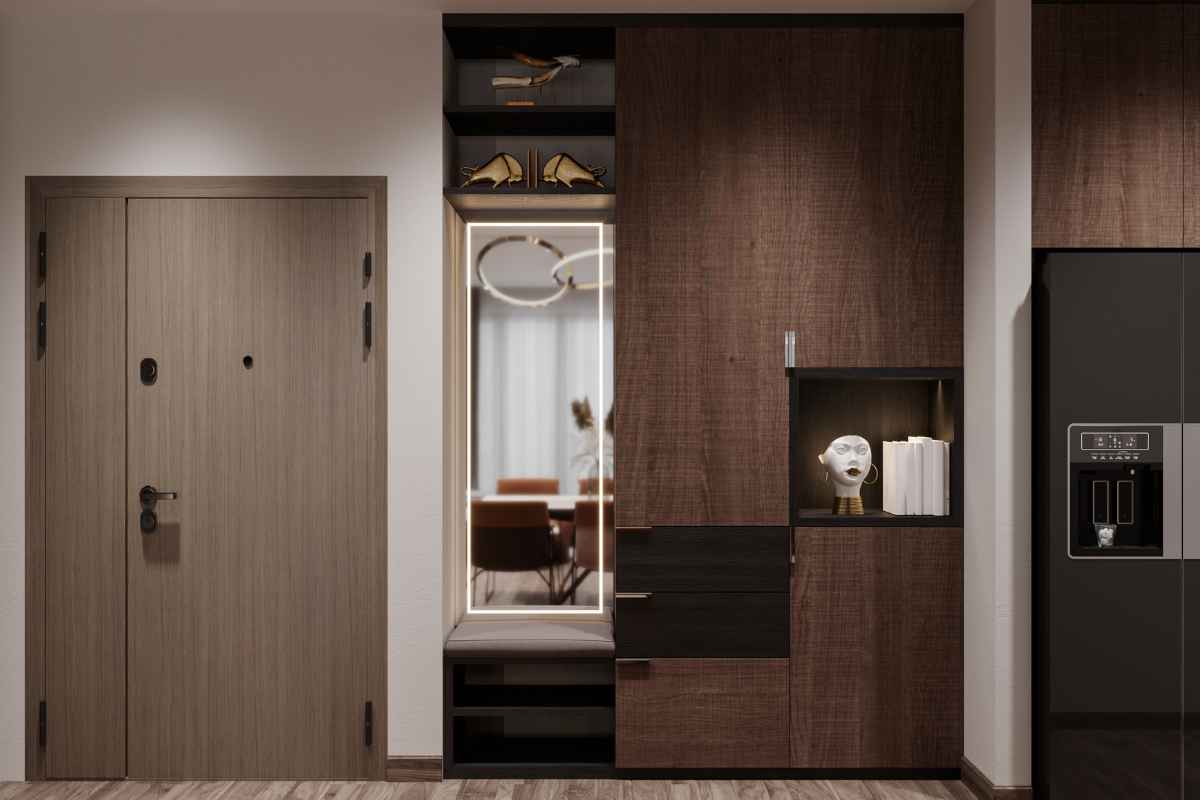
Gone are the days when rooms had a single function. The modern home thrives on multipurpose rooms, and these are essential for emotional flexibility.
A home office can easily transform into a guest room, a children’s playroom can double as a study space, or a spare bedroom can become a meditation retreat. Think of your home as a canvas, one that can be painted with new uses as your life changes.
2. Prioritizing Emotional Comfort
Our homes are an extension of ourselves, and it’s essential to create an environment that supports emotional comfort.
When you walk into a space, how do you feel? Is it calm, energized, cozy, or inspiring? A home that grows with you emotionally isn’t just about creating a beautiful space – it’s about fostering feelings of safety, comfort, and well-being.
Color and Lighting
The colors you choose for your walls, furniture, and accessories have a significant impact on your emotional state.
Soft, neutral tones like beiges, grays, and whites can create a sense of peace and relaxation, while brighter colors like yellow, blue, or green can evoke energy, creativity, and happiness. Choose colors based on the emotional tone you want to achieve for each room.
Lighting also plays a crucial role in emotional comfort. Opt for natural light whenever possible, as it can help improve mood and energy levels.
If your space lacks natural light, consider ambient lighting through warm-toned lamps or smart lights that can be adjusted to suit the mood of the moment.
Layering different types of light – from overhead to task to accent lighting – can help create a balanced atmosphere for relaxation or productivity.
3. Incorporating Personal Expression
A home that grows with you emotionally reflects your personality and allows for personal expression. The best homes are ones that feel authentic to their owners, where each room tells a story of who you are and what brings you joy.
Personalized Decor
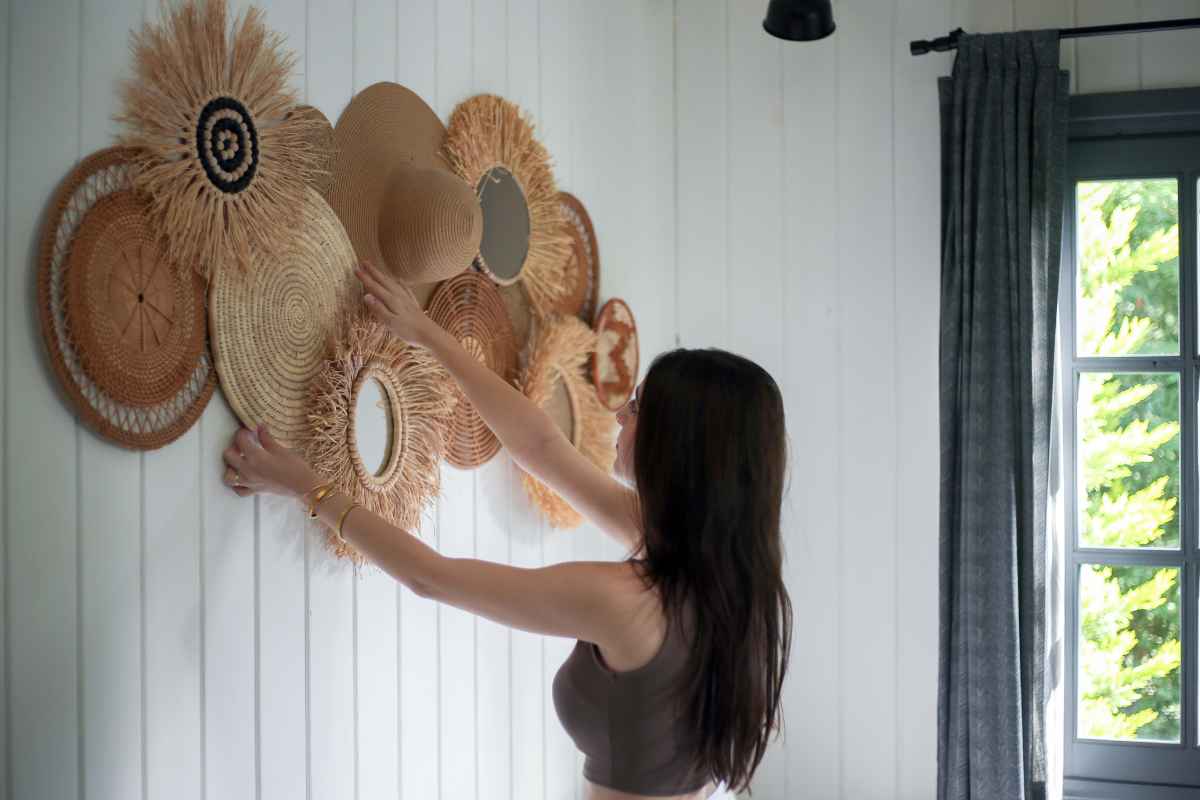
Incorporate meaningful elements into your home’s design, like family heirlooms, personal art, or mementos from travels. These items serve as reminders of what’s important to you and can provide emotional grounding when you need it.
Allow your collection of personal objects to evolve over time, just like you do. As your interests shift, so too can your decor, making your space feel continuously relevant to your life.
Self-Care Zones
Emotional growth often requires introspection, rest, and nurturing. Create spaces in your home that are specifically designed for self-care.
A corner for reading, a cozy chair for meditative practice, or a bath area designed for relaxation can help you stay in tune with your emotional health. These spaces provide a retreat for when life gets overwhelming and allow you to recharge emotionally.
4. Mindful Design Choices
Mindfulness in design doesn’t just focus on aesthetics. It’s about making intentional choices that encourage emotional well-being and mental clarity. This is where the concept of living with intention comes into play.
Declutter Regularly
A cluttered home can create a cluttered mind. To design a home that grows with you, make decluttering a part of your routine. As your emotional needs change, so too should your space. Regularly reassess what items bring you joy and serve a purpose.
This doesn’t mean you need to get rid of everything, but rather find a balance between sentimental items and functional decor.
Add Natural Elements
Nature has a profound impact on our emotions. Plants, flowers, and natural materials like wood and stone can help create a sense of calm and peace in your home.
Consider adding indoor plants to bring life into your space and purify the air. If you don’t have a green thumb, low-maintenance plants like succulents or air plants are a great option.
Natural textures like wicker, jute, and cotton can also contribute to a grounded, cozy atmosphere. Incorporating natural elements into your home’s design invites emotional healing and a sense of connection to the earth.
5. Design for Connection
As human beings, we are inherently social creatures, and our homes should facilitate connection – not just with ourselves, but with others as well.
When designing a home that grows with you emotionally, think about how your space can encourage connection, whether it’s with family, friends, or guests.
Create Conversation Zones
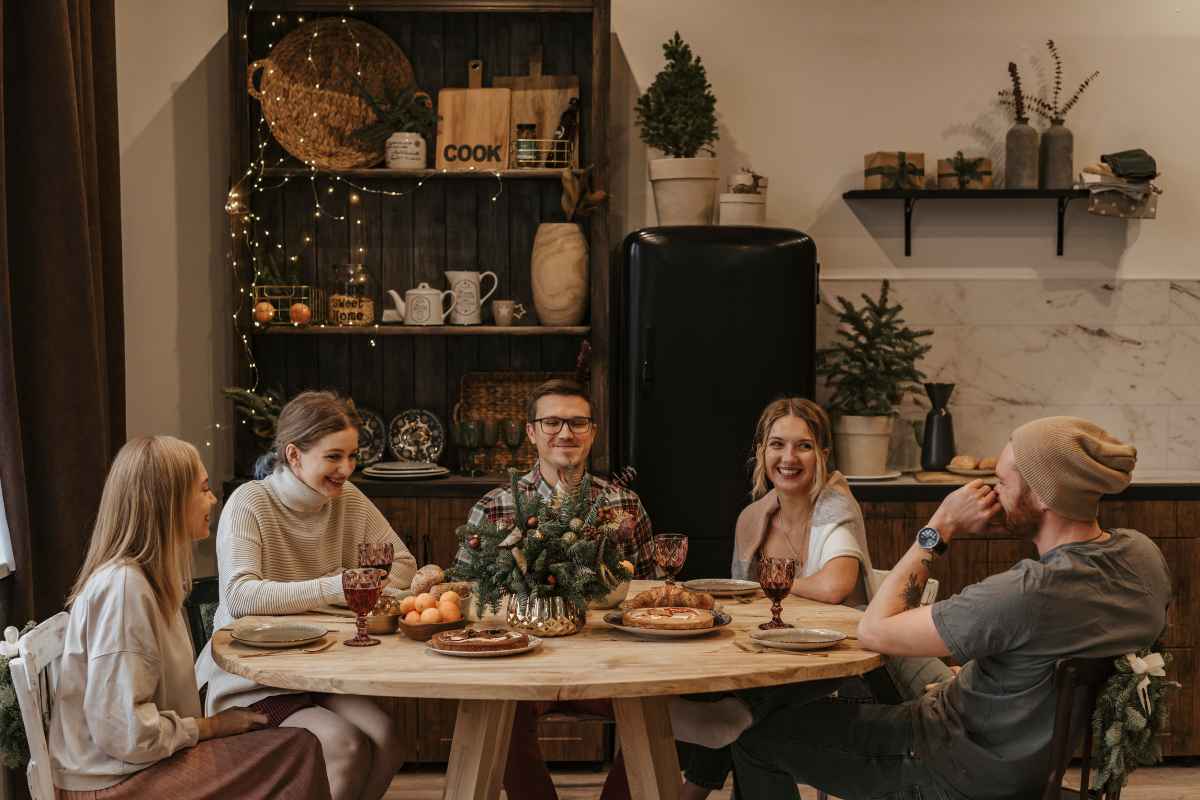
Arrange your furniture in a way that invites conversation and engagement. Instead of pushing everything against the walls, try creating centralized seating areas where people can naturally gather.
A comfortable sectional or a few armchairs arranged around a coffee table create an inviting atmosphere for both intimate conversations and social gatherings.
Flexible Spaces for Entertaining
Having flexible spaces where you can entertain friends or family is an important aspect of designing a home that grows with you.
Whether it’s a dining area that can shift into a game room or a lounge that transforms into a party space, these adaptable spaces allow you to make the most out of your home and foster meaningful interactions with others.
Designing a Home as a Reflection of Growth
Designing a home that grows with you emotionally is about creating a space that evolves alongside your life’s journey. By focusing on flexibility, comfort, personal expression, and mindful choices, you can build a home that truly supports your emotional needs.
Your home should be a sanctuary that adapts with you as you grow, providing comfort, inspiration, and connection when you need it most.

A well-designed space doesn’t just house your belongings – it nurtures your emotional well-being. Whether it’s by offering a place for reflection, promoting relaxation, or encouraging social connection, your home should grow with you and be a testament to your personal and emotional growth.
By thoughtfully curating your living space, you’re not just creating a place to live – you’re crafting a home that supports who you are and who you’re becoming.
Did you find this post Useful or Inspiring? Save THIS PIN to your HOME Board on Pinterest!
More Home Tips 👇🏼👇🏼