
Designing for the Senses: How Touch Shapes Home Experience
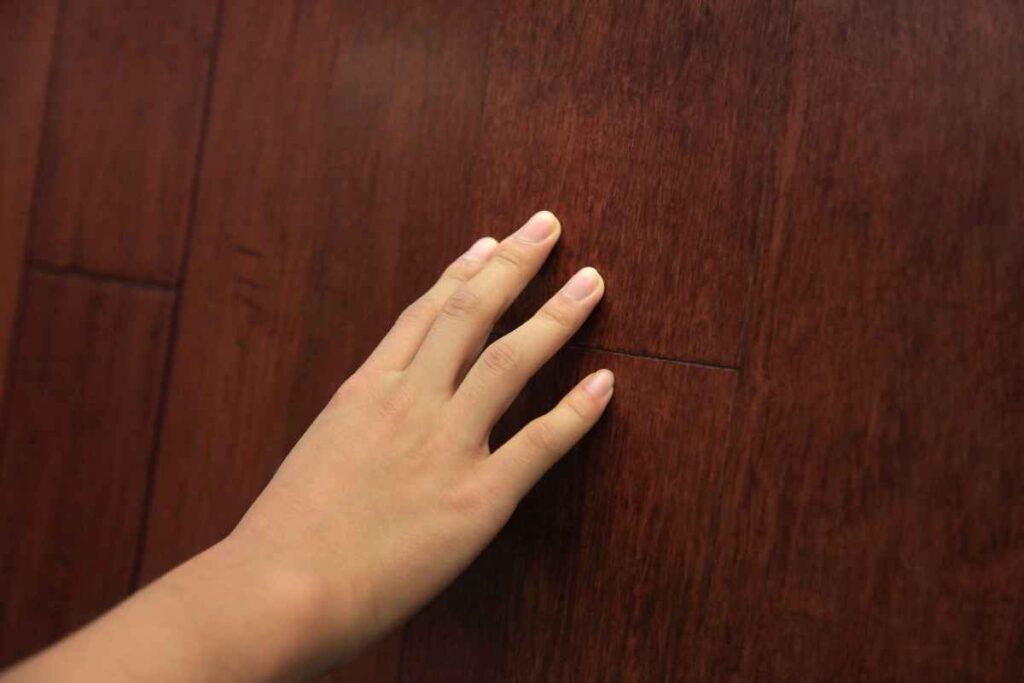
When we think about designing a home, we often focus on the aesthetic aspects, like color schemes and furniture arrangements. However, one of the most powerful ways to influence how a space feels is through touch.
The textures, materials, and finishes we choose for our homes have a profound impact on our sensory experiences.
In this article, we will explore how touch shapes our experience of home design and how you can use tactile elements to create a more inviting, comfortable, and harmonious living environment.
Discover the Best Decor Pieces to Elevate Your Space!

- ✿ Nice photo prop - Suitable for Cool and Vintage Ins...
- ✿ Perfect combination of natural wood and clear glass-...
- ✿Retro Home Office Décor: Great for floral arrangement,...


- Fresh scent Clean Linen : Keep it clean with air. Crafted...
- Includes: One fragrance diffuser glass bottle, 6.7 fl oz...
- Long-lasting Scent: Enjoy up to 90 days of fragrant aroma....

- BUILDABLE PLANT DECOR – Enjoy a mindful, nature-inspired...
- AUTHENTIC DETAILS – The artificial plant has realistic...
- LUCKY PLANT – Representing the season of summer in...
The Power of Touch in Design
Touch is one of the most immediate senses. When we step into a room, we don’t just see it; we feel it. The texture of a surface, the warmth or coolness of a material, and the softness or roughness under our fingers can dramatically influence our emotions and comfort.
A rough, abrasive wall or smooth, cool marble countertops can trigger different responses, creating feelings of calm, warmth, or even discomfort.
In a world filled with digital screens, people are increasingly craving tactile experiences. This desire for physical connection is reflected in home design trends that embrace organic textures, tactile finishes, and natural materials.

These elements don't just look beautiful; they offer a more grounded, sensory connection to the space around us.
Choosing the Right Materials for Touch
One of the most important decisions in home design is the choice of materials. Different textures can completely transform a space. Below are some materials that bring out different sensory experiences:
Soft Textures for Comfort
In spaces like the bedroom or living room, soft textiles can make a huge difference in how a room feels. Velvet cushions, plush rugs, and luxurious bedding invite you to sink in and relax.
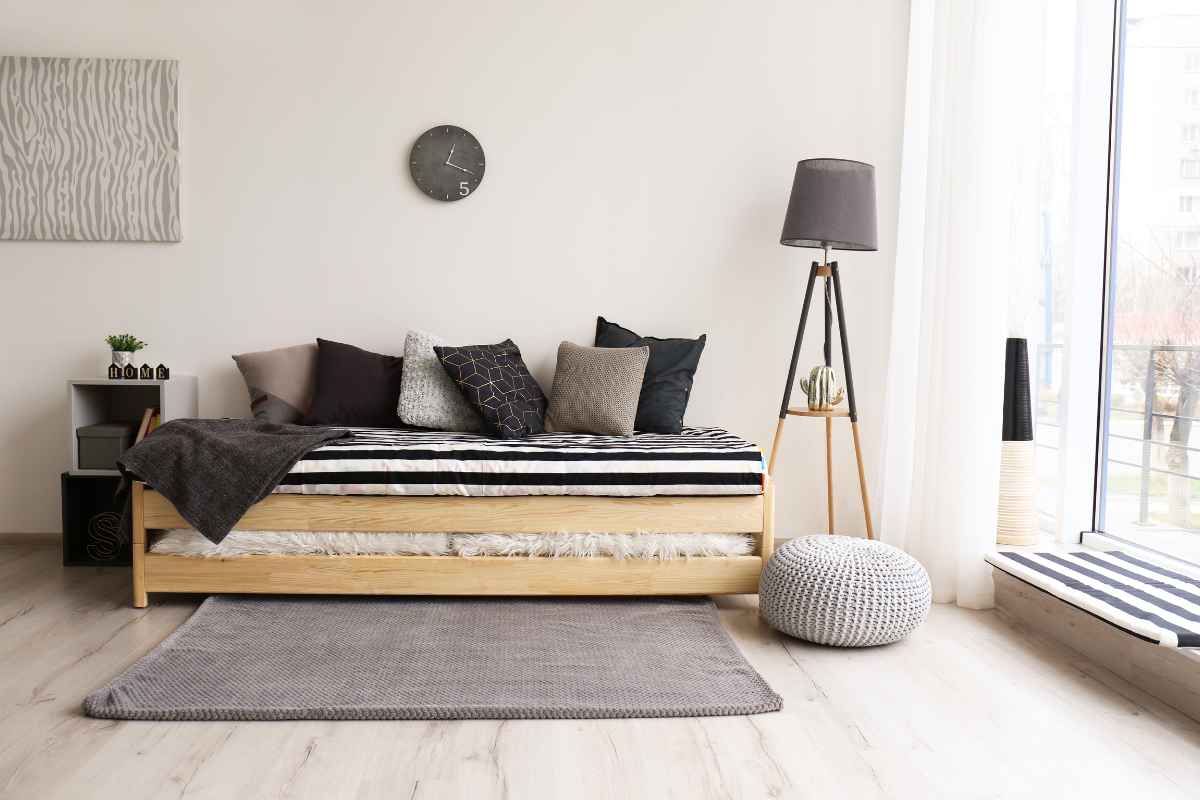
The feeling of softness against your skin promotes a sense of warmth and comfort, helping to create a space that feels welcoming and peaceful.
You can incorporate soft materials in the form of upholstery, throws, and pillows, or even curtains and blankets. Choosing the right softness and texture is key to enhancing comfort.
In colder months, tactile materials like faux fur or wool can add warmth, both visually and physically, to a space.
Textured Walls and Floors
When it comes to walls and flooring, textures play a crucial role in shaping the overall ambiance of a room. Textured walls, such as those featuring brushed concrete or wood paneling, add depth and a tactile experience.
These types of surfaces can evoke a feeling of sophistication or rustic charm, depending on their finish and material.
Hardwood floors or natural stone tiles have a different sensory impact compared to traditional carpeting. While carpets provide a cushiony, soft feeling underfoot, wood and stone floors offer a more substantial, firm feel.
The sound of footsteps on these materials adds an auditory dimension to the tactile experience, influencing the atmosphere of the space.
Cool and Smooth: The Allure of Glass and Stone
Marble countertops, glass fixtures, and metal accents are examples of materials that can add a touch of elegance and luxury. These surfaces tend to be cool to the touch, which can be refreshing and calming, particularly in kitchens and bathrooms.
Glass offers a sleek, smooth texture that can elevate the perception of space, while metal finishes can introduce a more modern, industrial vibe.
However, it’s important to strike a balance between hard, sleek surfaces and softer elements. Too many hard materials can make a space feel sterile or uninviting.
That’s why pairing them with tactile fabrics like linen cushions or silk curtains can create a sense of balance and comfort.
Creating Sensory Zones
Another interesting way to design for touch is by creating sensory zones within your home. This approach considers how different tactile experiences can impact the atmosphere of each space. Let’s break this down further:
The Bedroom: A Place of Comfort and Relaxation
The bedroom is a sanctuary where touch plays a significant role in creating a restful environment. Soft bed linens, fluffy duvets, and pillows all contribute to a feeling of relaxation. The tactile experience here should be one of comfort and coziness.
Consider adding tactile layers like quilted throws or knitted blankets to enhance the experience of sinking into bed at the end of a long day. The feel of cool sheets against warm skin or the softness of a thick blanket can promote a deeper sense of restfulness.
The Living Room: A Space for Socializing and Comfort
In the living room, tactile elements encourage a sense of welcoming warmth. Upholstered chairs, leather sofas, and textured rugs all create an inviting space. Using tactile fabrics like linen, cotton, or tweed for furniture can add richness to the room.
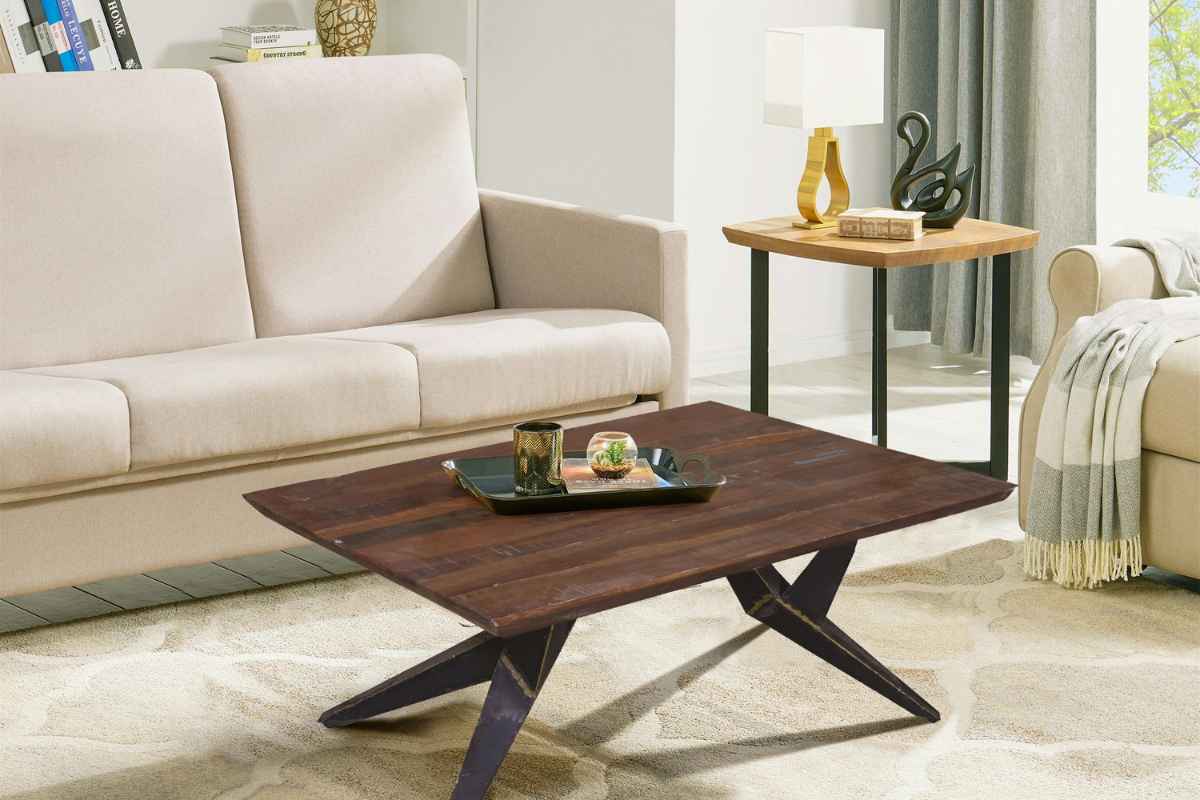
Wooden coffee tables and smooth ceramic lamps add an organic, natural touch to the design, connecting the room to the outdoors and making it feel more balanced and grounded.
The Bathroom: Inviting Texture for Relaxation
The bathroom is another area where touch has a significant impact. Here, you can introduce tactile elements through luxurious towels, soft bath mats, or textured wall finishes.
Materials like marble, ceramic, and glass are often used in bathrooms for their durability and sleek look. However, combining these with softer textures such as cotton towels or wooden elements can make the space feel more inviting.
In bathrooms designed for relaxation, stone tiles or smooth bathtubs can encourage a more indulgent, sensory experience, helping to elevate the space from functional to therapeutic.
Sensory Touch in Outdoor Spaces
Touch isn’t limited to indoor environments. Outdoor spaces, such as patios, gardens, and balconies, can also benefit from tactile design elements.
For example, outdoor rugs made from woven materials offer comfort underfoot, while wooden decks or stone pathways provide a tactile experience that connects you with nature.

In gardens, gravel paths or smooth stones can make for interesting textural contrasts, offering different tactile sensations as you walk through the space.
Integrating water features like fountains with flowing water adds another sensory layer, appealing to both touch and sound.
Designing with Touch for a Fuller Home Experience
The textures and tactile elements in our homes affect how we perceive space, not only visually but physically as well.
By carefully selecting materials, textures, and finishes that appeal to the sense of touch, you can create a home that feels more inviting, comfortable, and balanced.
Whether through soft fabrics, smooth surfaces, or textured finishes, touch plays an essential role in crafting the mood of a room.
As we continue to look for deeper connections in our spaces, it’s clear that designing for the senses — particularly touch — will only grow in importance in creating environments that make us feel truly at home.
Did you find this post Useful or Inspiring? Save THIS PIN to your HOME Board on Pinterest!
More Home Tips 👇🏼👇🏼