
- Urbaki Home
- Decor
- Interior Decorating
- Designing Your Home Based on Your Enneagram Type
Designing Your Home Based on Your Enneagram Type

03/07/2025 · Updated on: 09/02/2026
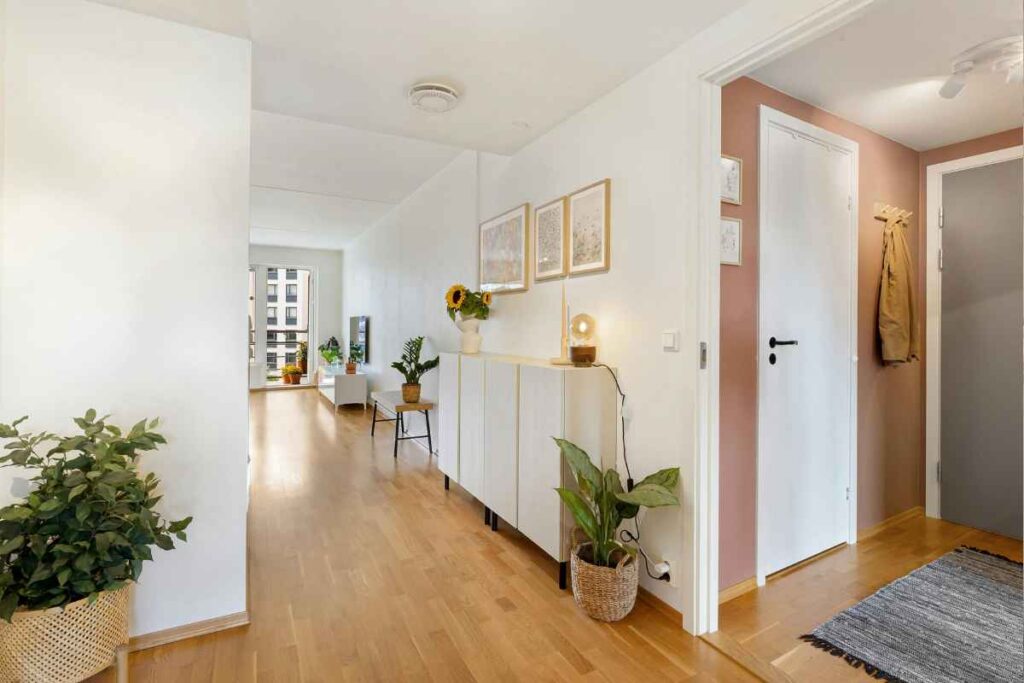
When it comes to interior design, we often focus on aesthetic trends, colors, and functionality. However, have you ever considered how your personality might influence the way you design your home? The Enneagram is a powerful personality system that divides people into nine distinct types, each with its motivations, fears, and desires. By aligning your home’s design with your Enneagram type, you can create a space that resonates deeply with you, enhances your well-being, and reflects your inner world.
In this article, we’ll explore how each Enneagram type can approach home design and how you can tailor your space to reflect your unique personality and needs.
What is the Enneagram?
The Enneagram is a personality framework that identifies nine different types, each representing a core set of motivations and behaviors. These types are not about categorizing people but about understanding the underlying fears and desires that drive us. The Enneagram can offer insights into how we relate to the world around us, including how we approach home design and create spaces that feel comfortable and meaningful.
The nine Enneagram types are:
The Perfectionist (Type 1)
The Helper (Type 2)
The Achiever (Type 3)
The Individualist (Type 4)
The Investigator (Type 5)
The Loyalist (Type 6)
The Enthusiast (Type 7)
The Challenger (Type 8)
The Peacemaker (Type 9)
By incorporating elements that align with the strengths, challenges, and desires of your Enneagram type, you can design a home that feels deeply authentic and supportive.
Designing for Type 1: The Perfectionist
Embrace Order and Functionality
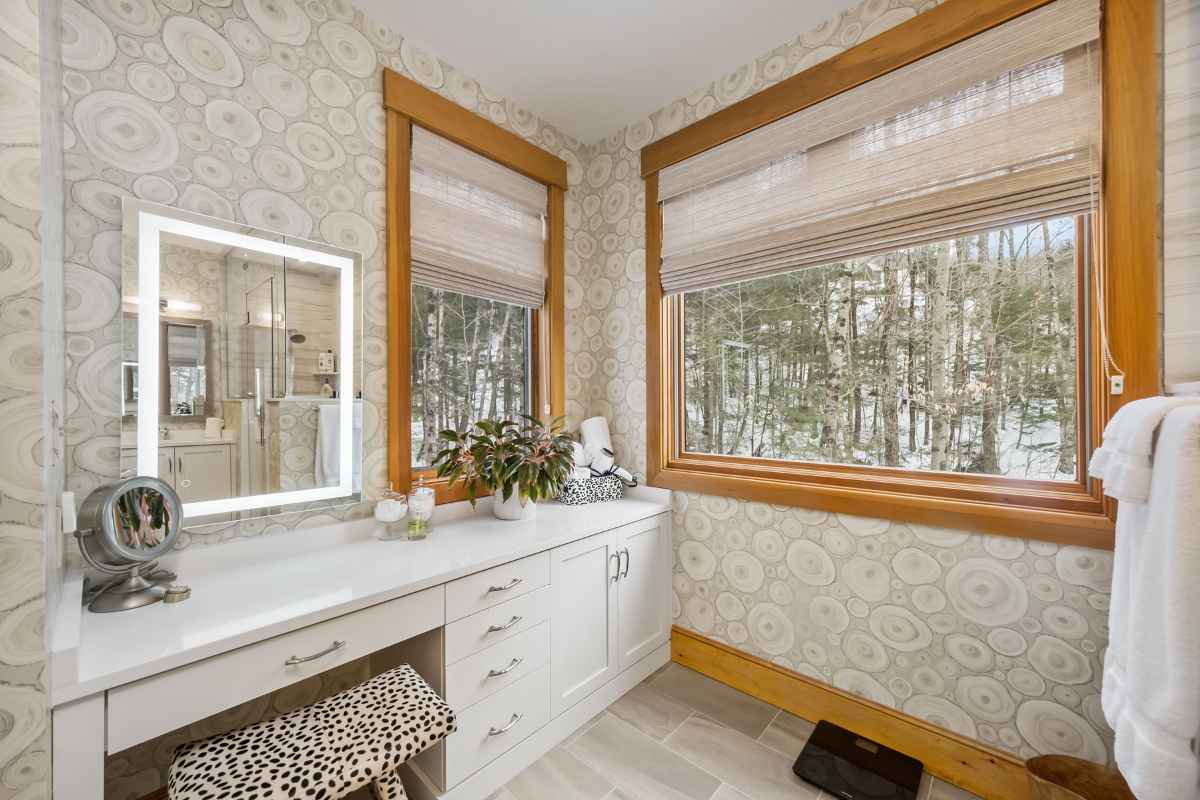
Type 1s, also known as "The Perfectionists," value order, structure, and organization. They are motivated by a desire to improve themselves and the world around them, often striving for perfection. In home design, this translates to a preference for clean lines, minimalism, and functionality.
For a Type 1, the home should be a sanctuary of order where everything has its place. Opt for a neutral color palette with muted tones that evoke calmness, such as whites, beiges, and soft grays. Furniture should be sleek, well-crafted, and functional, with an emphasis on high-quality materials. You can also incorporate elements of symmetry, which will help to create a sense of harmony and balance.
Additionally, Type 1s enjoy having a sense of control over their environment. Invest in smart storage solutions, like hidden cabinets or organized shelving, to keep everything in its designated place. A well-organized home will make them feel at peace and in control, reflecting their desire for order.
Designing for Type 2: The Helper
Create Cozy and Welcoming Spaces
Type 2s, also known as "The Helpers," are warm-hearted, empathetic, and focused on building strong relationships. They are motivated by a desire to be loved and appreciated and often prioritize the needs of others over their own. In home design, Type 2s should aim to create spaces that feel welcoming, comfortable, and nurturing.
A Type 2’s home should have cozy, inviting areas where they can spend quality time with loved ones. Soft, comfortable furniture in warm, inviting colors like earthy tones or pastels can create a relaxed atmosphere. Incorporate plenty of throw pillows, blankets, and soft lighting to make the space feel intimate and nurturing.
To reflect their caring nature, Type 2s might also want to incorporate personal touches like family photos, sentimental objects, or handmade items that evoke warmth and connection. Focus on creating an environment where friends and family can gather, relax, and feel loved.
Designing for Type 3: The Achiever
Focus on Style and Success
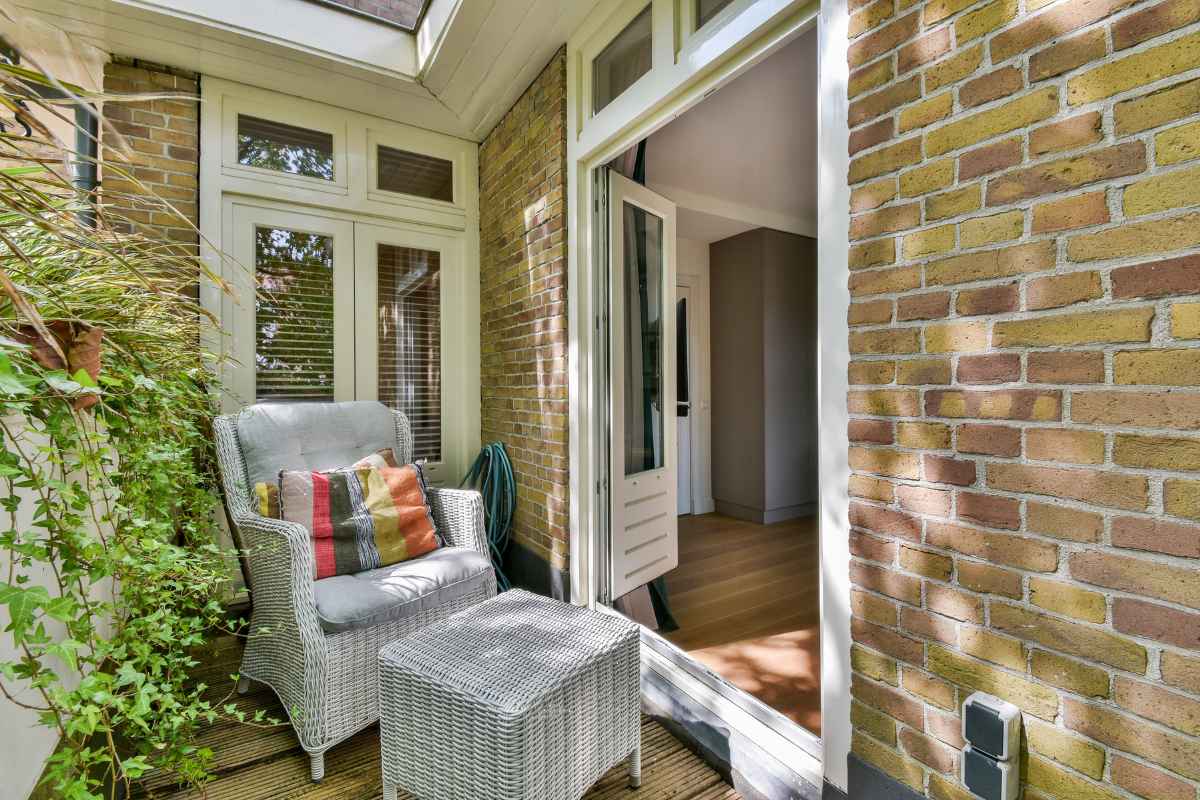
Type 3s, also known as "The Achievers," are ambitious, goal-oriented, and driven by the need to succeed and be admired. They often seek environments that reflect their success and status. When designing their homes, Type 3s should focus on creating spaces that inspire productivity while showcasing their accomplishments.
Opt for elegant, modern furniture with clean, sophisticated lines. A bold color palette that includes metallic accents or rich tones can evoke a sense of luxury and success. Type 3s might also appreciate sleek, organized spaces that enable them to stay on top of their many responsibilities. For example, consider a home office that is stylish yet functional, helping them stay focused on their goals.
To reflect their achievements, Type 3s might choose to display their awards, accomplishments, or career-related memorabilia. However, they should also ensure their spaces are designed to encourage relaxation, so they have a place to recharge and reflect.
Designing for Type 4: The Individualist
Embrace Creativity and Uniqueness
Type 4s, also known as "The Individualists," are known for their deep emotions, creativity, and desire for authenticity. They are motivated by a need to express their unique identity and often seek environments that reflect their personal style and emotional depth.
For Type 4s, the home should be a creative sanctuary that allows them to express their individuality. Incorporate rich, moody colors like deep blues, purples, or jewel tones, which evoke a sense of depth and creativity. Eclectic furnishings, vintage finds, and artistic decor are ideal for creating a space that feels personal and meaningful.
Type 4s may also want to incorporate elements that highlight their artistic expression, such as unique artwork, handcrafted items, or personal collections. This allows them to create an environment where they feel truly seen and understood.
Designing for Type 5: The Investigator
Foster Intellectual Stimulation and Calm
Type 5s, also known as "The Investigators," are curious, analytical, and introspective. They are motivated by a need for knowledge and understanding. When designing their homes, Type 5s should focus on creating a space that fosters intellectual stimulation and provides a peaceful retreat for reflection.
A Type 5’s home should be filled with bookshelves, study areas, and quiet corners that encourage learning and introspection. Neutral colors, like whites, grays, and blues, can create a calm and focused atmosphere. They may also appreciate clean, minimalist designs that eliminate distractions and allow them to focus on their interests and projects.
For added inspiration, Type 5s might want to incorporate scientific artifacts, travel memorabilia, or thought-provoking art that sparks their intellectual curiosity and encourages deeper thinking.
Designing for Type 6: The Loyalist
Create a Secure and Trustworthy Environment
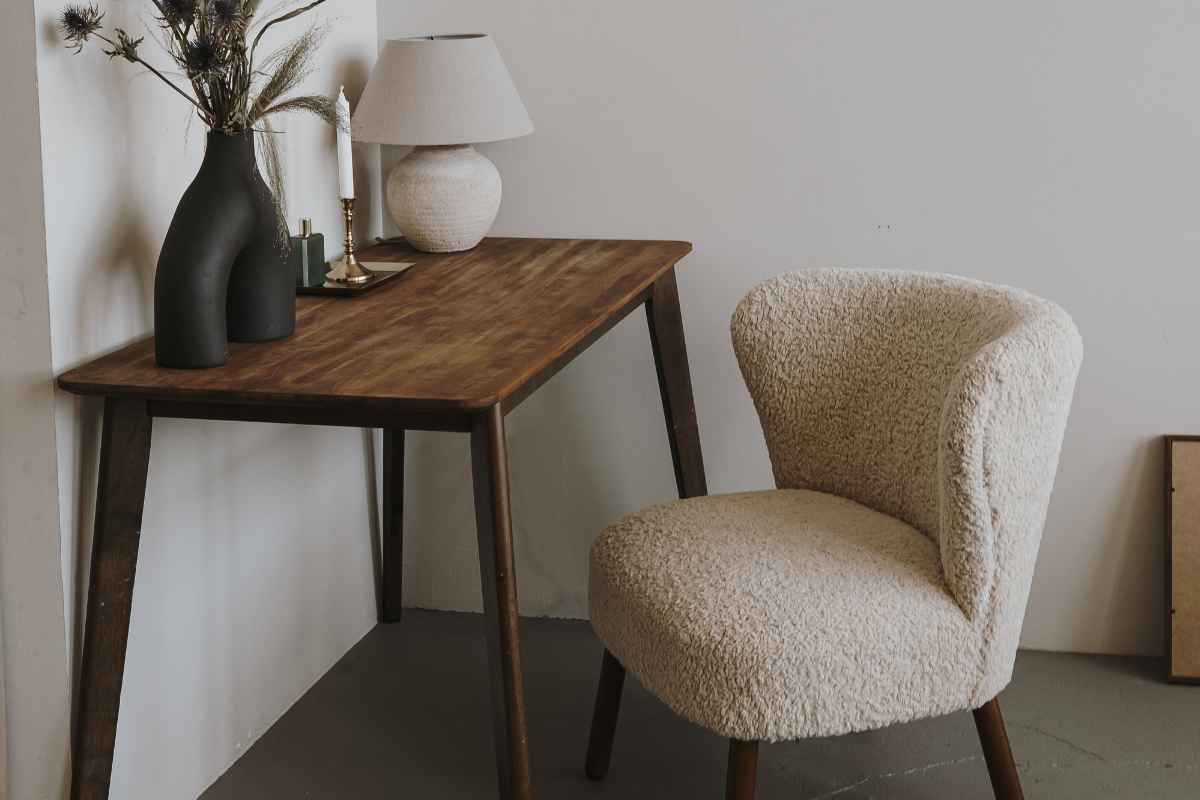
Type 6s, also known as "The Loyalists," are responsible, loyal, and committed individuals. They value security and trust, and they are motivated by a need to feel supported and safe. For Type 6s, creating a home that feels secure and dependable is key to enhancing their well-being.
Opt for cozy, safe spaces that make them feel grounded and protected. Choose soft, comfortable furnishings and incorporate reliable, sturdy materials like wood or leather. Earthy colors, such as greens and browns, can help create a sense of stability and safety. Type 6s may also want to have family heirlooms, personal keepsakes, and items that remind them of loved ones to reinforce their sense of connection and support.
Designing for Type 7: The Enthusiast
Focus on Fun, Freedom, and Adventure
Type 7s, also known as "The Enthusiasts," are spontaneous, adventurous, and full of energy. They are motivated by a desire for new experiences, fun, and freedom. Type 7s should design their homes to be joyful, dynamic, and flexible—a place that reflects their zest for life.
Bright, bold colors like yellow, orange, or turquoise can energize the space and create an atmosphere of excitement. Type 7s may also appreciate flexible, open layouts that allow them to easily entertain guests, host spontaneous gatherings, or enjoy various activities. Playful decor like colorful art or quirky furniture pieces will reflect their fun-loving nature.
Additionally, incorporating elements that encourage movement—like a yoga space, game area, or home bar—will allow Type 7s to bring their love for adventure into their daily life.
Designing for Type 8: The Challenger
Create a Bold, Empowering Environment
Type 8s, also known as "The Challengers," are assertive, confident, and natural leaders. They value strength, control, and independence, and their homes should reflect their dynamic energy and sense of authority.
For Type 8s, bold, powerful colors like black, red, and deep purples can convey a sense of confidence and strength. Opt for industrial or modern furnishings that are sturdy, functional, and commanding. Statement pieces, like a large sculpture or bold art, can further enhance the space and reflect their leadership qualities.
Type 8s also appreciate spaces that offer both comfort and control. Their home should feel like a stronghold, a place where they can recharge and feel empowered to take on the world.
Designing for Type 9: The Peacemaker
Focus on Tranquility and Harmony
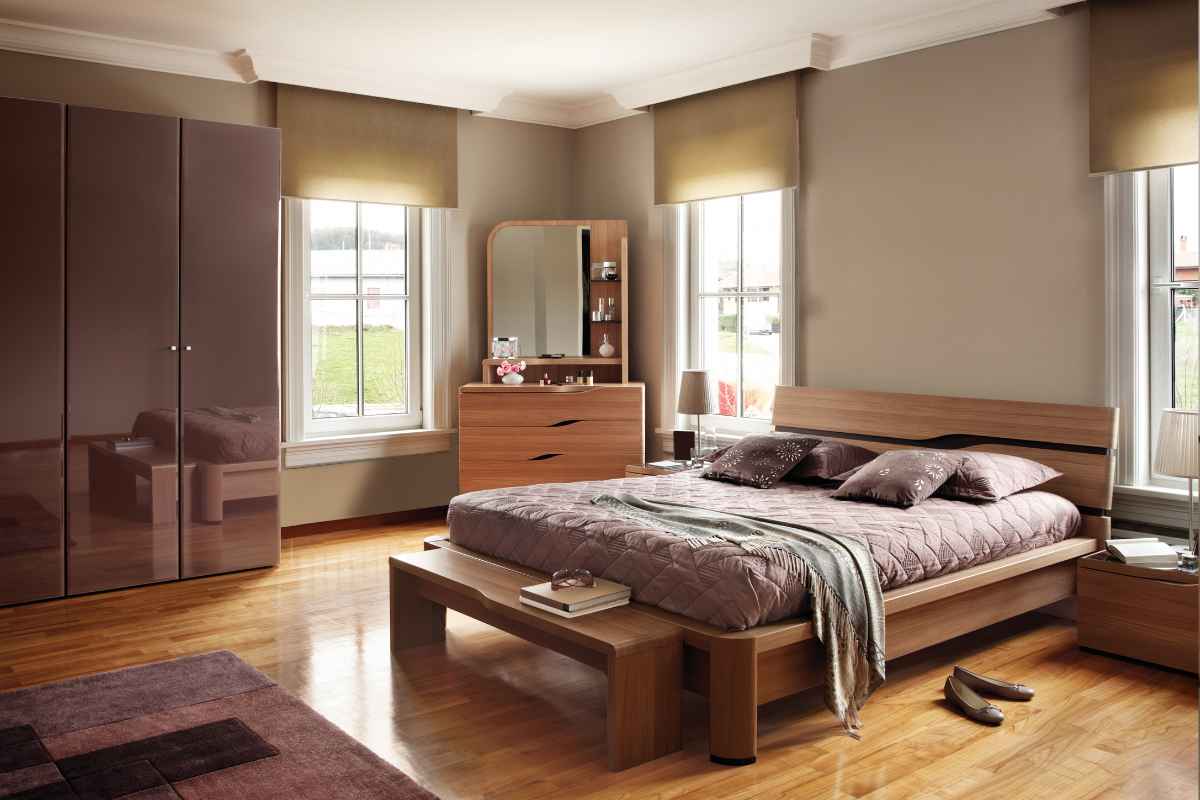
Type 9s, also known as "The Peacemakers," are easygoing, calm, and accepting. They value peace, harmony, and connection with others. For Type 9s, home design should focus on creating a space that is calming, relaxing, and free from tension.
Opt for soothing, neutral colors like soft blues, greens, and creamy whites to foster a tranquil atmosphere. Type 9s may appreciate natural materials like wood and stone, as well as soft, comfortable furniture that promotes relaxation. The key is to create an environment that feels balanced, where everything flows naturally and peacefully.
To enhance this sense of tranquility, incorporate elements of nature, such as houseplants or natural textures, to create a calming, grounding environment.
Designing your home based on your Enneagram type is a powerful way to create a space that truly reflects your inner self.
By aligning your home’s design with your personality traits, you can enhance your emotional well-being, boost your productivity, and create an environment where you feel comfortable, energized, and at peace.
Whether you are a Perfectionist, an Individualist, or a Peacemaker, your home can be a reflection of who you are—your style, your values, and your needs. Start designing with your Enneagram type in mind, and create a space that nourishes your soul.
Did you find this post Useful or Inspiring? Save THIS PIN to your HOME Board on Pinterest!
I’m Olivia, a firm believer that a happy home is built on the perfect balance of style and function. From DIY weekend projects and deep-cleaning hacks to finding the best decor trends on a budget, I love sharing practical ways to make your living space truly yours. My goal is to help you turn your house into a sanctuary, one organized corner at a time.
More Home Tips 👇🏼👇🏼