
Furniture Selection Guide for Minimalist Room


Welcome to our comprehensive guide on selecting furniture for a minimalist room.
Whether you are aiming to create a minimalist living room or a minimalist bedroom, these tips will help you achieve a clean and clutter-free space.
Minimalism is an interior design trend that emphasizes simplicity and functionality. Minimalist decor uses the least amount of furniture and accessories to create a streamlined look.
This results in a serene environment that is both practical and aesthetically pleasing.
To achieve a minimalist interior design, it's crucial to choose the right furniture pieces that align with the overall theme of the room.
Our guide will walk you through the key principles of minimalist design, selecting the right furniture, creating functional layouts, maximizing storage space, and selecting appropriate colors and textures.
Let's get started!
Embracing Minimalist Design Principles
Before diving into furniture selection, it's important to understand the principles of minimalist design.
At its core, minimalism is about creating a clean and uncluttered space that promotes a sense of peace and simplicity.
This can be achieved through a minimalist color palette, minimalistic room organization, and a careful selection of furniture and decor.

Minimalist Design Principles
The first step in embracing minimalist design principles is to adopt a simple and cohesive color palette.
Stick to neutral shades like white, beige, gray, and black, as they promote a calm and soothing environment.
You can also add pops of color sparingly, to create visual interest without overwhelming the space.
Another key principle of minimalist design is organization. A minimalist room should be free of clutter, so it's important to ensure that everything has a place.
This can be achieved through smart storage solutions, like shelving and built-in cabinets, as well as through the careful selection of furniture that offers both form and function.
Minimalist Color Palette
The minimalist color palette is essential in achieving a clean and uncluttered space.
Stick to neutral shades like white, beige, gray, and black, as they promote a sense of tranquility and simplicity.
You can also add pops of color sparingly, to create visual interest without overwhelming the space.
Minimalist Room Organization
Organization is key in a minimalist room. Every item should have a designated place, and there should be no unnecessary clutter.
This can be achieved through smart storage solutions, like shelving and built-in cabinets, as well as through the careful selection of furniture that offers both form and function.
Minimalism is not a lack of something. It's simply the perfect amount of something. - Nicholas Burroughs
By embracing minimalist design principles, you can create a space that promotes relaxation and calm, while still being functional and stylish.
Keep these principles in mind as you select furniture and decor for your minimalist room.
Choosing Minimalist Furniture
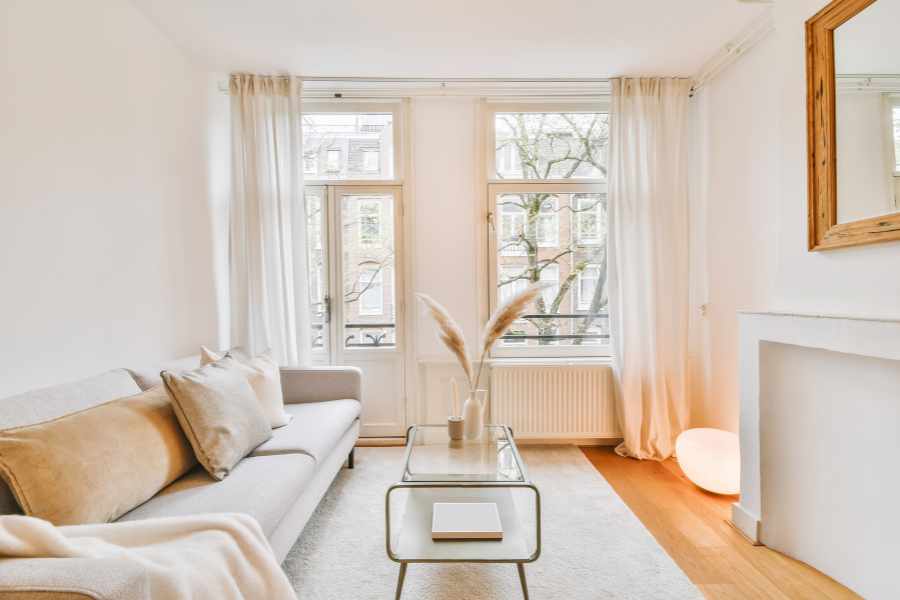
One of the most crucial elements of creating a minimalist room is choosing the right furniture. Minimalist furniture should be functional, durable, and reflect simplicity.
Here are some tips for selecting furniture that aligns with the minimalistic design principles:
Focus on Functionality
Minimalist furniture should have a clear purpose and functionality in the room. Keep in mind that less is more, and only choose the furniture pieces that are necessary.
For example, in a minimalist bedroom, all you need is a bed, a bedside table, and a wardrobe. Avoid furniture pieces with intricate details or added features that serve no purpose.
Keep it Simple
When selecting furniture, opt for clean lines and simple designs. Minimalist furniture should be free of unnecessary details or embellishments.
The goal is to create a streamlined and clutter-free room. Consider furniture pieces that are made of natural materials, such as wood or metal, that add warmth and texture to the room.
Embrace Negative Space
Minimalist furniture should allow for negative space in the room. Negative space is the area around the furniture pieces that is left empty.
Embracing negative space is essential in creating a minimalist room. Choose furniture pieces that are proportional to the room and leave enough room for movement and a feeling of openness.
Choose Neutral Colors
When it comes to selecting colors for your minimalist furniture, neutral colors are the way to go. White, beige, and shades of gray are all excellent choices.
Neutral colors create a calm, peaceful room and let the furniture pieces blend in naturally.
If you want to add some color, consider adding accent pillows or small decor items.
Create a Cohesive Look
The furniture pieces you choose should complement each other and create a cohesive look throughout the room.
When selecting furniture, consider the shape, size, and materials.
For example, if you choose a wooden bed frame, consider a wooden bedside table and wardrobe to create a natural and cohesive look.
By following these tips and keeping in mind the minimalist design principles, you can choose furniture that fits perfectly into your minimalist room.
Remember, less is more, and the furniture you choose should reflect simplicity and functionality. With the right furniture pieces, you can achieve a simple yet stylish room decor.

Creating a Functional Layout
Minimalism is not just about aesthetics, but functionality as well. When designing a minimalist living room or bedroom, it's important to consider the room's purpose and create a layout that meets your needs.
Begin by identifying the focal point of the room. In a living room, it may be the television or fireplace, while in a bedroom, it may be the bed.
Place the furniture in a way that draws attention to the focal point, without overcrowding the space.
When selecting furniture for a minimalist living room, opt for pieces that serve multiple functions, such as a coffee table with built-in storage or a sofa bed.
In a minimalist bedroom, choose a bed with built-in drawers or storage space underneath to maximize functionality while maintaining a clean aesthetic.
Minimalistic Room Ideas
If you are struggling to visualize a functional layout, consider these minimalist room ideas:
- Create a reading nook in the living room with a comfortable armchair and built-in bookshelves.
- Use a room divider to separate the sleeping area from the rest of the room in a minimalist bedroom.
- Design a workspace with a floating desk and wall-mounted shelves in a spare corner of the living room.
- Place a bench with hidden storage at the foot of the bed in a minimalist bedroom.
Remember, the key to creating a functional layout is to balance form and function. Keep the room visually appealing while ensuring it serves its purpose.
Maximizing Storage Space
In a minimalist room, a clean room aesthetic is key, and that means everything has its place.
Maximizing storage space while adhering to minimalist design principles can be a bit tricky, but it's worth the effort.
One excellent idea for minimalistic room organization is to utilize multi-functional furniture pieces such as storage ottomans or benches.
Not only do they provide additional seating, but they can also serve as hidden storage spaces to stash away clutter.
Another way to maximize storage space is to utilize under-bed storage boxes or invest in a bed with built-in drawers.
These are great options for minimalist bedrooms, as they allow you to keep extra blankets, clothes, or other items out of sight.
For a minimalist living room, consider adding shelving units that blend in with the wall color to maintain a clean room aesthetic.
This can provide ample storage space for books, decorative items, or even electronics. The key is to keep the shelving uncluttered and visually simple.
Remember, when it comes to maximalist room organization, less is often more. Be selective about what you keep in your space and opt for a few high-quality items rather than a collection of clutter.
With some thoughtful planning and creative solutions, you can maximize storage space in a minimalist room without sacrificing its clean and clutter-free aesthetic.
Choosing the Right Colors and Textures
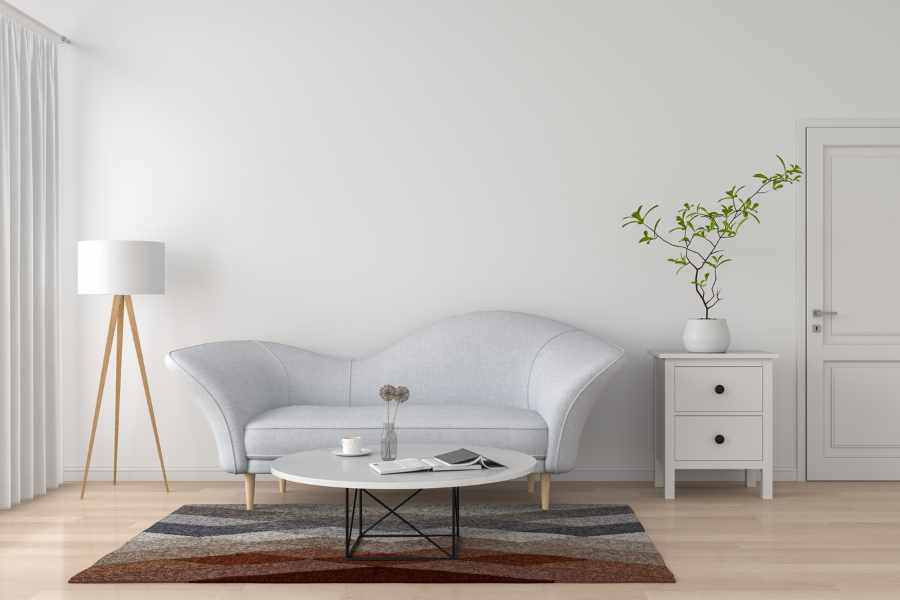
Minimalist room design relies on a minimalist color scheme and simple textures to create a clean and clutter-free look.
When selecting colors, stick to neutral shades like white, beige, and grey. These colors not only create a calming effect but also give the illusion of a larger space.
Textures in a minimalistic room should be simple and understated. Incorporate textures like linen, cotton, or wool in solid colors to add depth to the room without overwhelming it.
Harmonizing with Minimalist Design Principles
The colors and textures you choose should align with the minimalist design principles. Remember, less is more when it comes to minimalism.
Avoid bold patterns and bright colors that can create a cluttered look. Instead, opt for a monochromatic color scheme that exudes simplicity and elegance.
"The more you know the less you need."
It's essential to keep in mind that every element in a minimalist room serves a purpose and contributes to the overall aesthetic.
Make sure the colors and textures you choose align with the minimalist design principles to create a cohesive and harmonious look.
Enhancing Comfort Without Compromise
Minimalism doesn't mean sacrificing comfort. In fact, a minimalist room can be just as cozy as any other.
One way to enhance comfort is through carefully curated decor choices. For example, soft throw pillows and plush area rugs can add warmth to a minimalist living room or bedroom.
When choosing minimalist decor, opt for items that serve a dual purpose, such as a sleek side table that also serves as a storage unit.
This helps to maintain a clean and clutter-free aesthetic without compromising functionality.
Another way to enhance comfort in a minimalist room is by incorporating minimalist home decor accessories.
For instance, a scented candle or a strategically placed piece of wall art can add personality to the space without overwhelming it.
Finally, don't forget about lighting. Lighting can greatly impact the overall atmosphere of a room.
Consider incorporating soft mood lighting or a statement pendant light to add a touch of warmth and ambiance.
By following these tips, you can create a comfortable and inviting minimalist room without compromising on the clean and clutter-free aesthetic.
Remember to choose minimalist decor items that serve a dual purpose, incorporate minimalist home decor accessories, and pay attention to lighting for a cozy and stylish space.
So, why wait? Start your minimalist room transformation today and enjoy the many benefits of a minimalist lifestyle!
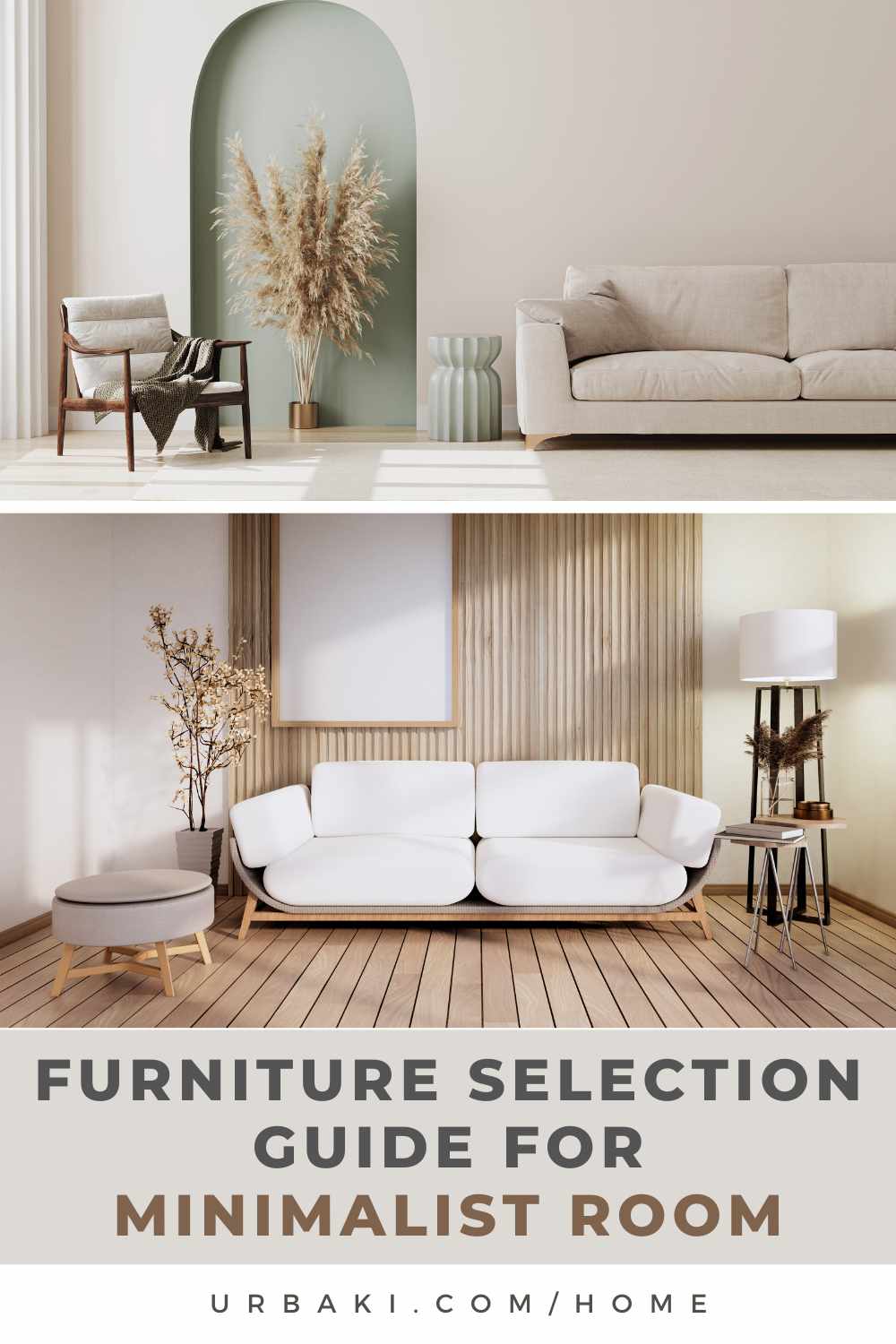
Did you find this post useful or inspiring? Save THIS PIN to your HOME Board on Pinterest!
Once again, thank you for visiting our website!
We hope you've enjoyed exploring the content we've created for you.
Give yourself the chance to learn, get inspired, and have even more fun, keep browsing...
More Home Tips 👇🏼👇🏼