
Home Decor Inspired by Nomadic Traditions

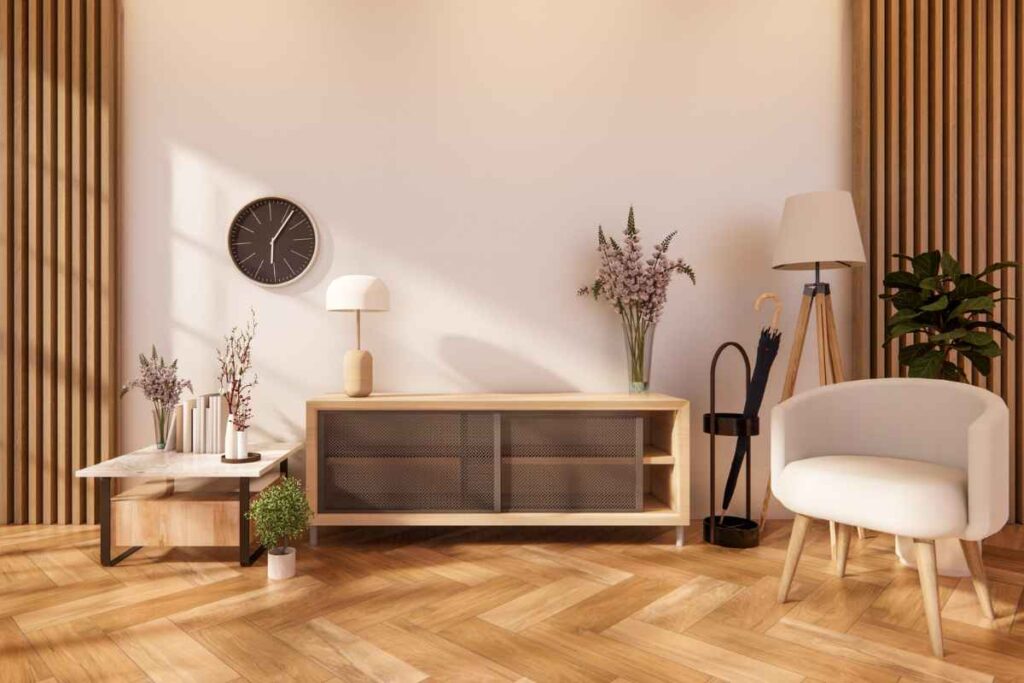
In a world saturated with mass-produced furniture and cookie-cutter design, nomadic-inspired home decor offers something refreshingly authentic. Rooted in cultures that prioritize mobility, adaptability, and resourcefulness, this style blends practical living with rich storytelling.
Nomadic decor isn’t about replicating a Bedouin tent or Mongolian yurt in your living room. It’s about drawing inspiration from how nomadic peoples have lived for centuries—with intention, simplicity, and a strong connection to their environment.
What Is Nomadic-Inspired Decor?
At its core, nomadic decor emphasizes:
- Portability: Lightweight, multi-use furnishings
- Natural materials: Wood, wool, leather, clay
- Layering and texture: Rugs, textiles, and handcrafted details
- Cultural storytelling: Items that reflect heritage and history
This style is deeply influenced by Berber, Tuareg, Mongolian, Sami, and Central Asian traditions, among others. It's a global mash-up rooted in purposeful living and beauty through utility.

Why Choose Nomadic Decor?
In today’s busy world, our homes often feel like storage units instead of sanctuaries. Nomadic-inspired design pushes back against that by encouraging us to:
- Declutter and live with less
- Focus on quality over quantity
- Connect with craftsmanship
- Create a space that feels grounded and personal
It also suits small spaces, renters, or anyone craving a home that can evolve over time.
Key Elements of Nomadic-Inspired Decor
1. Textiles Everywhere
Layered textiles are a signature of nomadic interiors. Think:
- Woven wool rugs
- Kilims and tribal-patterned throws
- Embroidered cushions
- Wall hangings and floor cushions
These add warmth, character, and color, and they're easy to move or repurpose. A rug becomes a picnic blanket. A throw becomes a curtain. Nothing is fixed—everything is flexible.
2. Handcrafted and Imperfect
Nomadic design celebrates the handmade. Look for:
- Hand-carved wooden stools
- Pottery with visible brushstrokes or finger marks
- Woven baskets and hand-stitched textiles
These pieces tell a story. They carry the energy of the maker and bring soul to your space.
3. Earthy, Grounded Color Palettes
Think warm neutrals, desert tones, and deep blues or reds drawn from nature. Sand, clay, charcoal, indigo, and ochre are all fair game.
You don’t need a rainbow. Stick to a limited palette with rich textures to create visual depth without chaos.
4. Functional Furniture
Nomadic furniture is designed to move, adapt, and last. Look for:
- Low tables and stools
- Folding or stackable seating
- Storage trunks that double as tables
- Floor seating with layered cushions
The key is flexibility and ease. A living room can become a guest room or meditation area with a few simple shifts.
5. Symbolic Objects and Cultural Pieces
Decorate with meaningful objects that reflect your story or a culture you admire. Consider:
- Talismanic jewelry or amulets
- Ceremonial textiles
- Travel souvenirs
- Family heirlooms
Avoid cultural appropriation by choosing items you have a personal connection to or that are sourced ethically and respectfully.
How to Bring Nomadic Style Into Your Home
Start Small
You don’t have to redo your whole house. Start with a cozy reading corner, a textile-rich bedroom, or an entryway that sets the tone.
Mix and Match
Combine modern basics with nomadic accents. A sleek couch with a Berber rug. A minimalist table with handwoven placemats. Balance is key.
Focus on Story and Function
Ask yourself:
- Does this item serve more than one purpose?
- Does it reflect a culture, craft, or personal memory?
- Is it made to last?
This way, your decor becomes more than just a style—it becomes a philosophy.
Embrace the In-Between
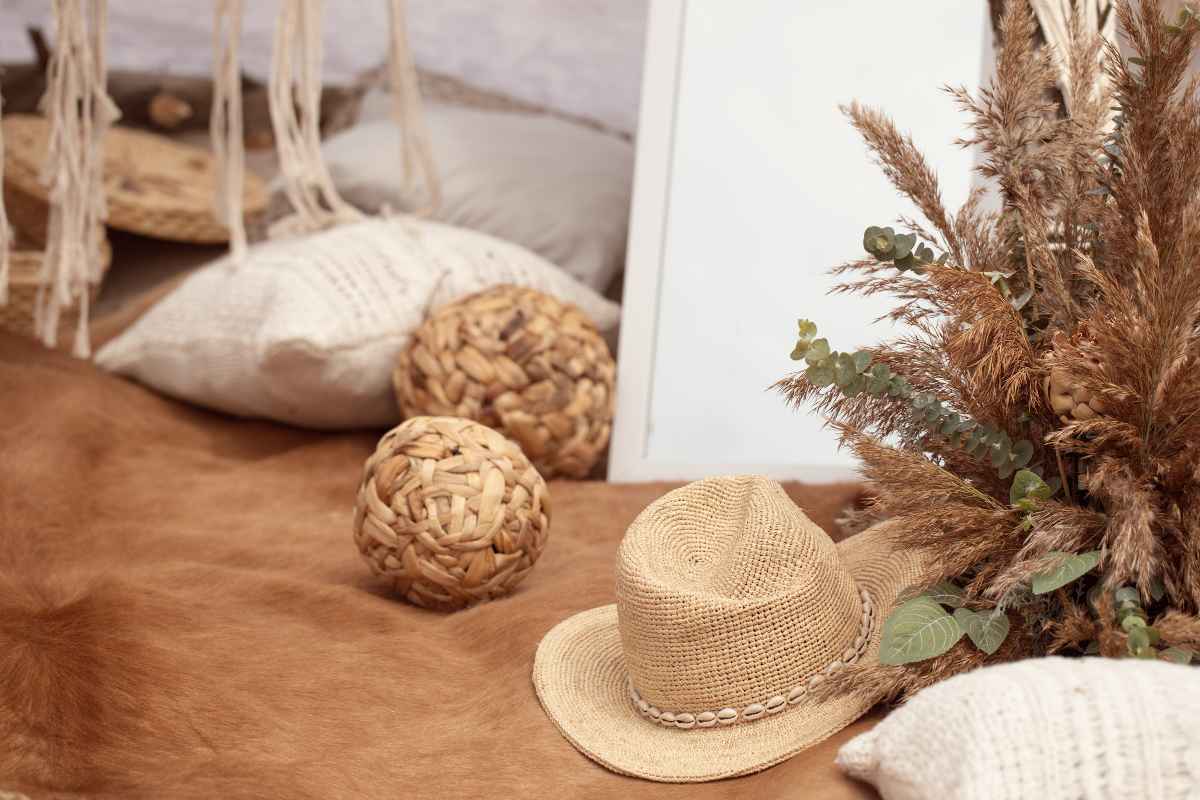
Nomadic style isn’t about perfection. It’s about layered living. Let your home feel collected, not curated. Let it evolve as you do.
Home decor inspired by nomadic traditions is more than just a trend. It’s a mindset of movement, meaning, and simplicity. It invites us to surround ourselves with objects that matter, to live lightly but fully, and to honor the stories woven into every fiber, thread, and footprint.
In a fast-paced world, this kind of design reminds us to slow down. To root ourselves in craftsmanship, culture, and the kind of beauty that isn’t just seen—but felt.
Did you find this post Useful or Inspiring? Save THIS PIN to your HOME Board on Pinterest!
More Home Tips 👇🏼👇🏼