
Houseplants as Room Dividers: A Living Wall Idea
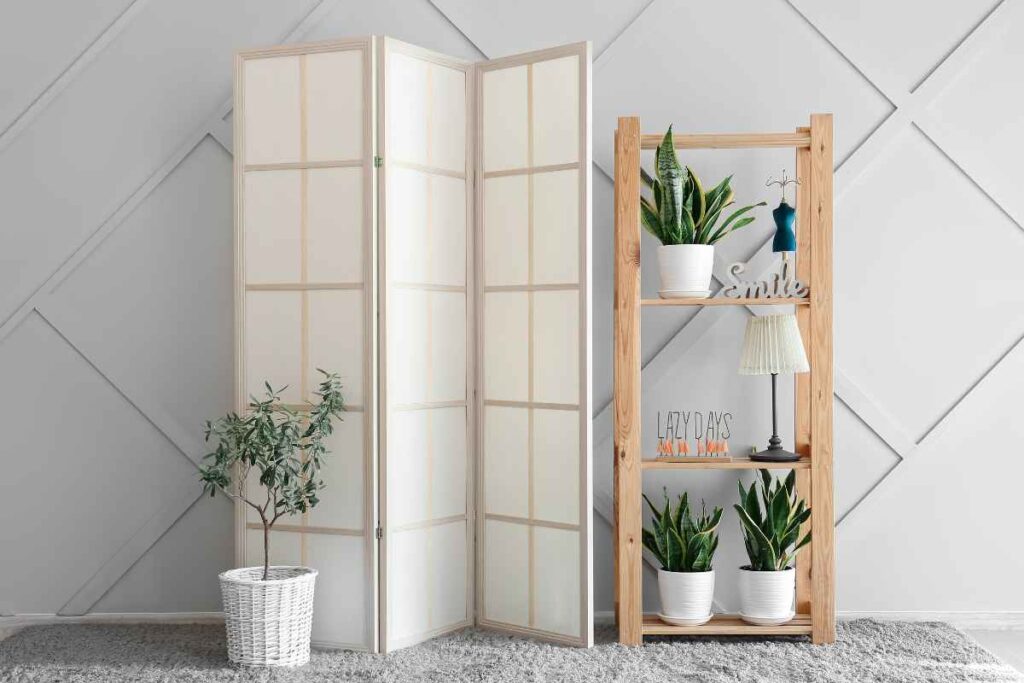
Bringing nature indoors has never been more stylish—or functional. Using houseplants as room dividers is a brilliant way to separate spaces while infusing them with life, color, and texture.
This living wall concept goes beyond decoration. It’s about creating an atmosphere that feels fresh, personal, and calming, without the rigidity of traditional partitions.
Whether you live in a small apartment or a spacious home, this natural design approach can transform your interiors with charm and character.
Find Perfect Pieces to Complete Your Interior Style!

- SPACE-SAVING CORNER DESIGN: This corner shelf features a...
- 5 TIER MULTIPURPOSE SHELVES: This corner bookshelf is...
- WEIGHT CAPACITY: Each shelf of this 5-tier display shelf...


- What You Get: You will get more quantity and more multiple...
- Why Choose Us?: Mckanti is committed to making better...
- No More Fear of Spills: Mckanti drink coasters are...

- BUILDABLE PLANT DECOR – Enjoy a mindful, nature-inspired...
- AUTHENTIC DETAILS – The artificial plant has realistic...
- LUCKY PLANT – Representing the season of summer in...
The Benefits of Plant-Based Dividers
Before diving into how to create one, it’s worth exploring why a living plant divider is such a great idea. Beyond the aesthetic appeal, plants provide several practical benefits that make them perfect for this purpose.
Improves Air Quality
One of the greatest advantages of indoor plants is their ability to purify the air. Many popular houseplants help filter toxins and increase oxygen levels.
When used as a divider, a grouping of these plants not only creates a visual barrier but also contributes to a healthier indoor environment.
Enhances Privacy Without Blocking Light
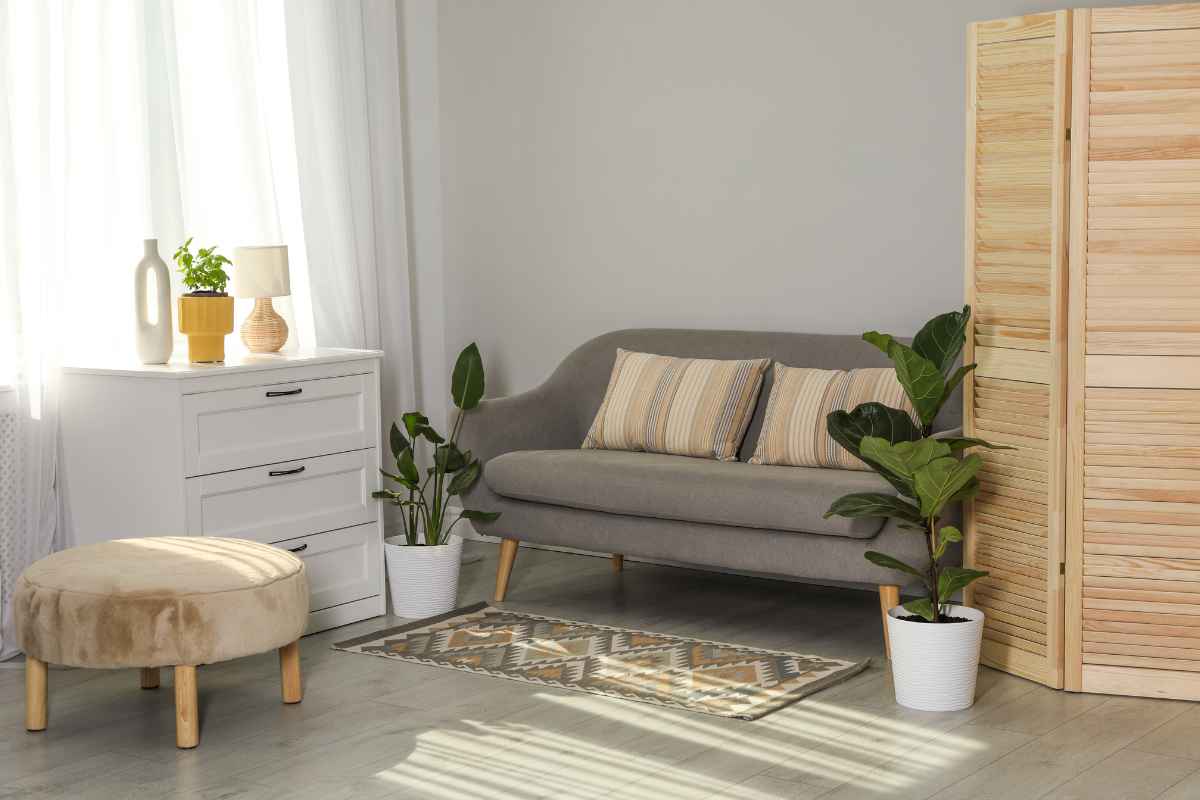
Unlike solid walls or bulky bookcases, plants allow light to filter through while still offering a sense of separation. This balance of openness and privacy is ideal for open-plan living spaces or shared rooms where complete isolation isn’t necessary.
Adds Natural Texture and Movement
There’s something uniquely comforting about the sight of leaves swaying gently or vines trailing downward. Plants bring texture and subtle movement to interiors, offering a dynamic element that evolves with time.
Reduces Noise Levels
While not soundproof, clusters of plants can help muffle sound. Dense foliage absorbs ambient noise, making them a soft barrier in rooms with lots of hard surfaces like tile or wood.
Choosing the Right Plants for a Living Divider
When planning your living wall, plant selection is key. You’ll want species that are visually interesting, suited to your light conditions, and easy to maintain.
Tall and Upright Plants
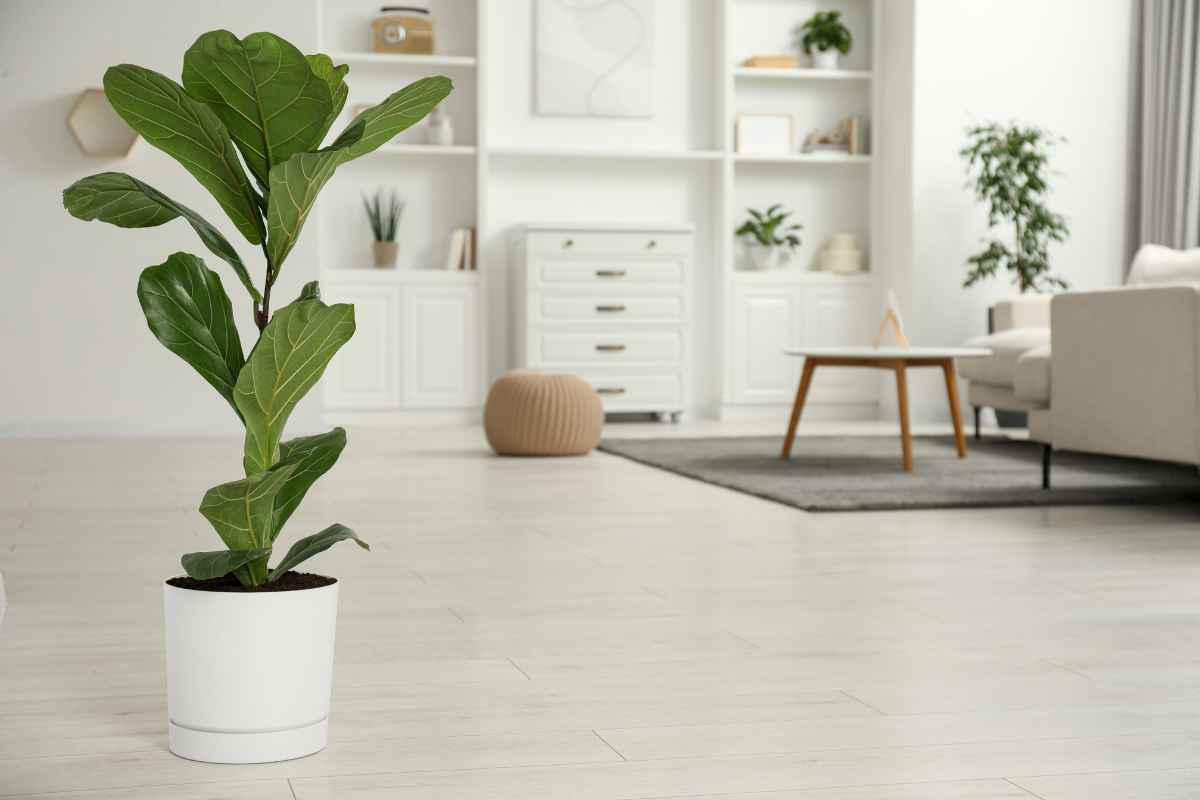
Plants like Fiddle Leaf Fig, Areca Palm, and Snake Plant are great for vertical separation. They grow upward with minimal spreading, providing height and structure.
Bushy and Full Foliage
For a denser look, Monstera, Rubber Plant, and ZZ Plant are excellent options. These varieties fill out space well, offering more coverage between zones.
Hanging and Trailing Plants
To add a cascading effect, consider Pothos, English Ivy, or String of Pearls. These plants are perfect for higher shelves or suspended planters within your divider.
Creative Ways to Use Plants as Dividers
Now that you know the benefits and ideal plants to choose, let’s explore how to integrate a plant divider into your space creatively and effectively.
Vertical Shelving with Greenery
One of the most practical options is using open shelves to house potted plants. Place multiple tiers between two areas—like a dining room and living room—and fill them with a mix of tall, trailing, and bushy plants.
This setup allows light to flow through while still defining the two zones.

Hanging Planter Wall
A hanging planter installation is a lightweight solution for smaller spaces or rental apartments. Mount a series of planters on a wooden frame or metal grid and let vines trail down, forming a semi-private curtain of greenery.
Rolling Plant Walls
For flexibility, consider a mobile plant wall on wheels. You can create this by attaching planters to a movable rack or cart. Not only does it serve as a divider, but it also gives you the freedom to shift your setup based on the season, party layout, or mood.
DIY Pallet Wall Garden
A wooden pallet can be repurposed into a charming vertical garden. Fill the slats with small pots or trailing plants, and lean it between two spaces. It’s an affordable and rustic option that works well for boho or farmhouse interiors.
Tiered Plant Stands
Tiered stands allow you to elevate plants to different heights, adding dimension to your divider. Place several side-by-side for a fuller effect. This technique works especially well in corners or against windows.
Tips to Keep Your Plant Divider Thriving
Once your green wall is in place, it’s important to maintain it properly to keep it looking lush and healthy.
Consider Light Conditions
Before choosing your plants, observe how much natural light your room receives. Some plants need bright, indirect light, while others thrive in lower conditions. Grouping plants with similar light needs ensures that your divider flourishes uniformly.

Watering and Drainage
Make sure all containers have proper drainage, especially if you’re placing them on shelves or stands. Use trays to catch excess water and avoid damaging furniture or flooring. Be consistent with watering schedules to prevent browning or drooping.
Rotate and Prune
Rotate your plants every few weeks to ensure even growth and prevent leaning toward the light. Regular pruning will keep your divider looking tidy and prevent overcrowding.
Fertilize Wisely
During the growing season (typically spring and summer), apply a balanced liquid fertilizer every few weeks. This helps maintain vibrant foliage and encourages healthy growth.
The Aesthetic Impact of Living Dividers
A wall of plants can make a powerful visual statement. Whether you prefer a minimalist arrangement or a lush jungle vibe, the choice of containers, plant colors, and textures can completely change the atmosphere of a space.
You can use uniform white planters for a clean, modern look, or go eclectic with colorful pots and macramé hangers for a bohemian touch. Mixing plant types—from spiky to smooth leaves—adds visual interest and avoids monotony.
More Than Decoration: Living with Intention
Incorporating plant dividers is not just about style—it’s about lifestyle. Choosing to separate spaces with living elements reflects a desire to slow down, breathe deeply, and reconnect with nature within the home. It’s a reminder that comfort and beauty can grow together—literally.
If you’re looking for a low-commitment, high-impact change, a living wall divider is one of the most satisfying upgrades you can make. It adds privacy without walls, beauty without clutter, and a sense of vitality that few decor elements can match.
Did you find this post Useful or Inspiring? Save THIS PIN to your HOME Board on Pinterest!
More Home Tips 👇🏼👇🏼