
How Air Quality Affects Interior Choices


Indoor air quality isn't just a concern for health—it’s also deeply connected to interior design decisions. From the furniture we choose to the type of paint on our walls, every element can either improve or degrade the air we breathe at home.
As more people seek to create healthy, comfortable living spaces, understanding the relationship between air quality and design becomes essential. Let’s explore how this important connection influences the way we decorate and build our homes.
The Link Between Air Quality and Home Interiors
When we think of air pollution, we often picture car exhaust and industrial smog. But indoor air can actually be two to five times more polluted than outdoor air.
The materials we bring into our homes, how we clean, and even how we ventilate can significantly affect the air we breathe. This makes it crucial to select interior elements that support clean air, especially as we spend more time indoors.
What Pollutes Indoor Air?
Common culprits include:
- Volatile Organic Compounds (VOCs): Found in many paints, glues, and synthetic furnishings.
- Dust and allergens: Accumulate in carpets, upholstery, and curtains.
- Mold and mildew: Thrive in damp, poorly ventilated areas.
- Cleaning products: Some release harsh chemicals that linger in the air.
Once we understand these sources, we can make more informed choices in how we furnish and decorate our homes.

Choosing Materials That Breathe Better
One of the most effective ways to improve indoor air quality is by opting for low-emission materials. Modern interior design has shifted towards sustainability and health-conscious selections.
These materials not only reduce pollution but also last longer and are often more environmentally friendly.
Opt for Low-VOC or VOC-Free Products
Paints, varnishes, and adhesives are often loaded with VOCs, which can continue releasing toxins into the air for months. By choosing low-VOC or VOC-free products, you help keep the air in your home cleaner and healthier.
Many eco-friendly brands now offer a wide range of colors and finishes that don’t compromise on style.
Select Natural Flooring Options
Synthetic carpets can trap dust and release VOCs, especially when new. Instead, consider:
- Hardwood floors sealed with natural oils
- Bamboo or cork flooring
- Wool rugs or untreated cotton textiles
These materials not only reduce harmful emissions but also make cleaning easier, which helps reduce dust and allergens.
Ventilation as a Design Element
Good design isn’t just about looks—it’s also about how a space functions. Incorporating smart ventilation strategies helps maintain fresh air, regulate humidity, and prevent mold buildup. Interior choices should always consider how air circulates throughout a home.
Consider Window Placement and Operation
When designing or rearranging a room, think about how air flows through open windows and doors. Cross-ventilation improves airflow and naturally reduces the buildup of stale indoor air.
Opting for windows that open easily and have screens encourages frequent ventilation without the risk of pests.

Use of Fans and Air Circulators
Ceiling fans, standing fans, and ventilation systems can be integrated stylishly into the space. Many designers now treat fans as functional décor, choosing models that match the overall aesthetic while improving air circulation.
The Role of Plants in Purifying Air
Plants are not just for decoration—they’re natural air purifiers. Certain indoor plants absorb toxins and release oxygen, creating a healthier environment. Plus, they bring warmth and serenity into any space.
Best Air-Purifying Plants for Interiors
Some excellent options include:
- Spider plants
- Peace lilies
- Snake plants
- English ivy
- Aloe vera
These plants are not only effective at improving air quality but also easy to care for, making them perfect for any home.
Furniture and Fabric Choices Matter
When selecting furniture, it’s important to think beyond comfort and style. Many items are made with synthetic materials or treated with chemicals that release VOCs.
Choosing well-crafted, natural-fiber furnishings can make a big difference in your home's air quality.
Avoid Synthetic Upholstery
Fabrics made from polyester, nylon, or vinyl may emit gases for weeks or even months. Instead, look for:
- Organic cotton
- Linen
- Hemp
- Untreated wool
These materials are breathable, beautiful, and contribute to a healthier indoor environment.
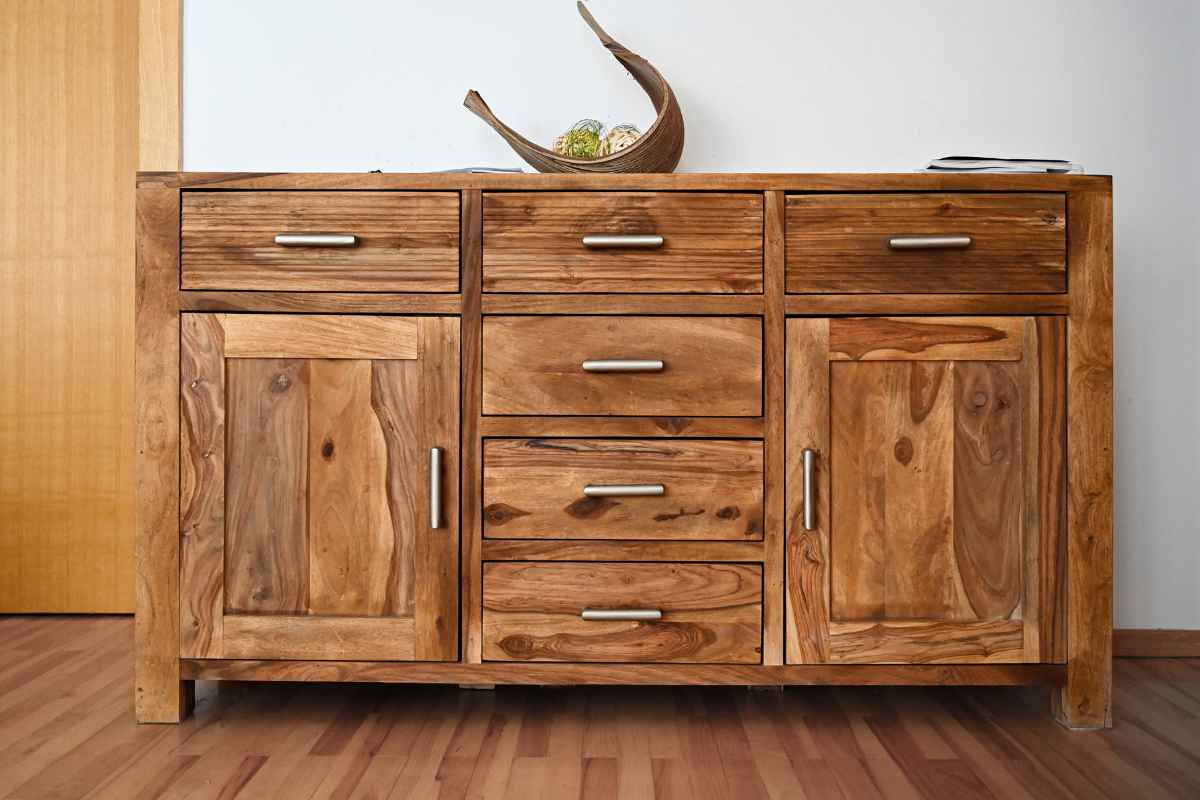
Choose Solid Wood Furniture
Particle board and MDF are commonly used in furniture manufacturing and often contain formaldehyde. Solid wood pieces, especially those finished with natural oils, are a safer and more durable alternative.
Scent and Cleanliness Without Chemicals
A clean-smelling home doesn’t have to come at the expense of clean air. Synthetic air fresheners, candles, and sprays often release harmful substances that linger.
A better approach is to embrace natural alternatives that support both your health and your home’s atmosphere.
Alternatives to Artificial Scents
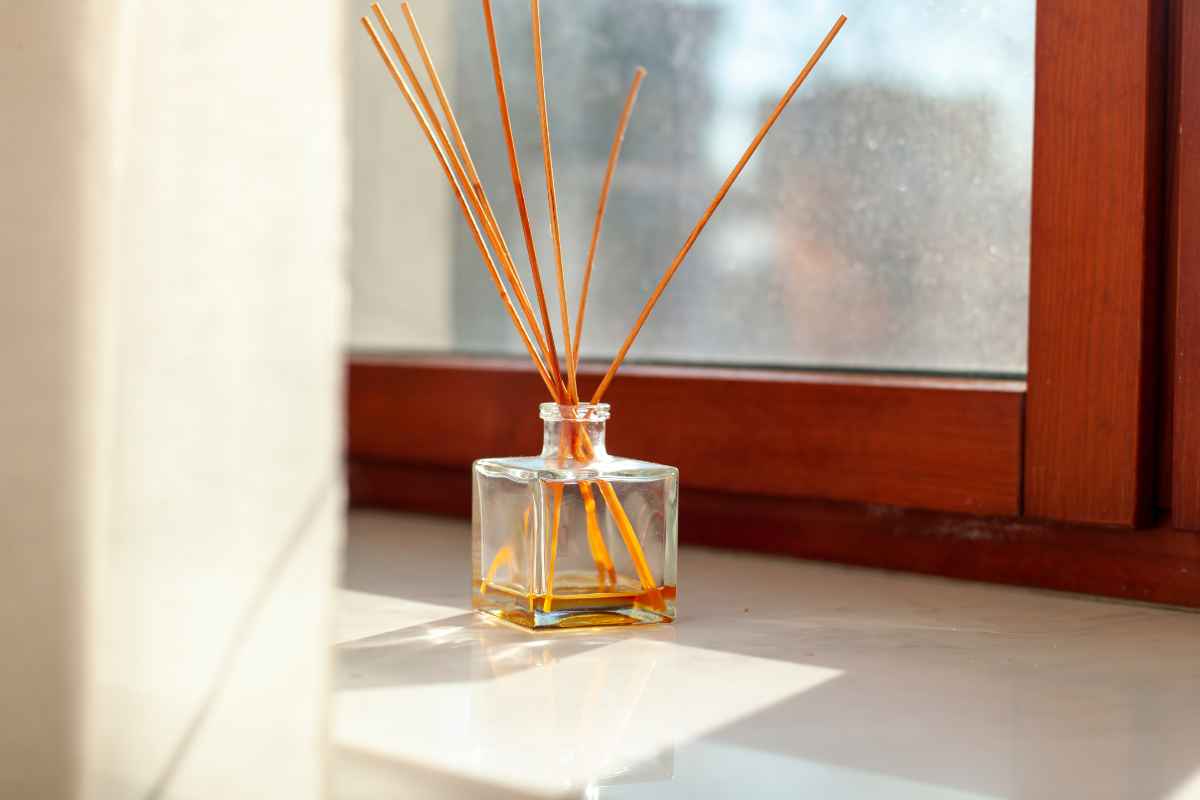
- Essential oil diffusers
- Beeswax candles
- Natural potpourri
- Herbal sachets or dried citrus peels
These can create a warm, inviting scent without introducing toxins.
Use Natural Cleaning Products
From your countertops to your windows, the products you use affect the air. Brands offering plant-based or vinegar-based formulas clean just as well as chemical-heavy options, without the harmful side effects.
A Healthy Interior is a Beautiful One
There’s a growing awareness that true comfort comes from more than appearances. A home that smells fresh, breathes well, and reduces chemical exposure naturally feels better to be in.
Interior design is no longer just about aesthetics—it’s also about creating spaces that enhance our well-being.
By prioritizing air quality in our interior choices, we’re investing in more than just a nice-looking home. We’re creating a place that supports our health, promotes relaxation, and offers long-term comfort.
Designing With Air in Mind
Air quality may be invisible, but its effects are deeply felt. When we take it into account while designing our interiors, we unlock the potential for a healthier, more harmonious living space.
From furniture to finishes, and fabrics to foliage, every choice we make contributes to the overall wellness of our homes.
So next time you plan a room refresh or a full makeover, remember: designing for clean air is designing for a better life.
Did you find this post Useful or Inspiring? Save THIS PIN to your HOME Board on Pinterest!

More Home Tips 👇🏼👇🏼