
How Lighting Can Help Regulate Mood and Focus

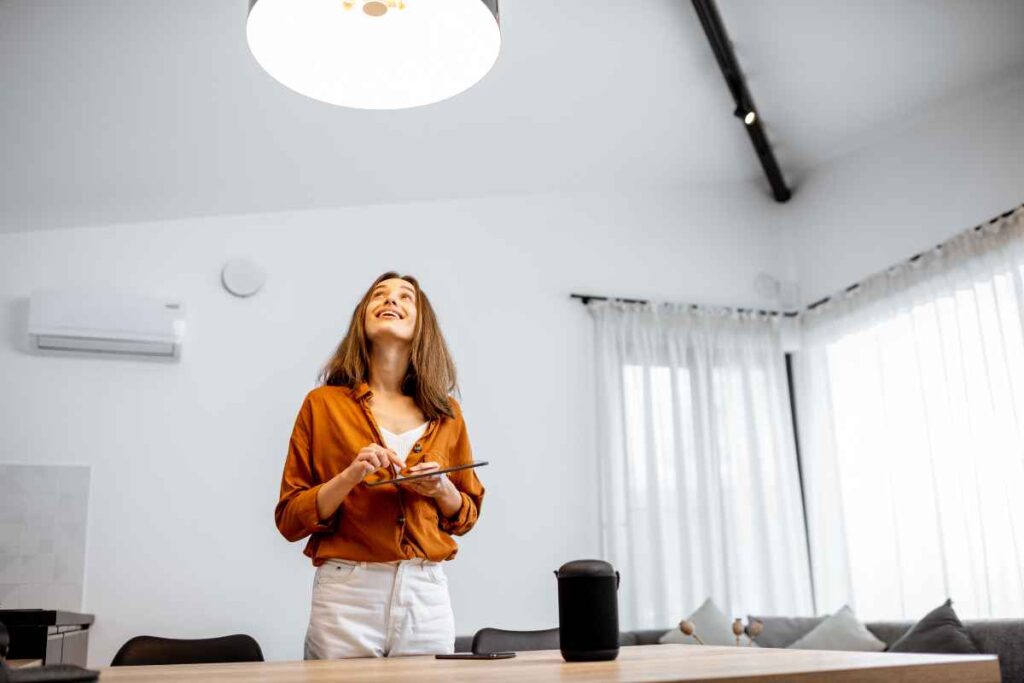
Lighting plays an essential role in how we experience our environment and interact with the world around us.
Beyond its primary function of illuminating spaces, lighting influences our mood, productivity, and overall well-being.
Whether you’re working, relaxing, or socializing, the type and quality of light around you can impact how you feel and how well you concentrate.
In this article, we’ll explore how lighting can help regulate mood and focus, and how you can use different types of lighting to improve your environment.
The Power of Light in Our Daily Lives
Humans are naturally drawn to light, and it is a critical factor in our physical and psychological health. Light influences various bodily processes, including the regulation of our circadian rhythm.
This internal clock helps us sleep, wake up, and stay alert throughout the day. A well-lit environment can make a significant difference in how we feel, both physically and emotionally.
However, the wrong lighting can cause fatigue, irritability, and difficulty concentrating.
Understanding How Light Affects Mood
Different types of light—natural and artificial—affect our mood in different ways. The brightness, color temperature, and direction of the light can either energize us or make us feel calm and relaxed.
Let’s dive deeper into the psychological effects of light.
Bright Light for Energy and Alertness
Exposure to bright light, especially during the morning, has been shown to boost mood and increase alertness. Bright light is stimulating and helps wake us up, providing the necessary energy to start the day.
It signals our body to release serotonin, a hormone that enhances feelings of happiness and well-being. Whether you're preparing for a productive day or tackling a challenging task, bright light can set the tone for success.
Tip: If you’re working in a dimly lit room, try using a desk lamp with bright, cool-toned light. This can increase alertness and prevent eye strain. Fluorescent and LED lights are ideal for providing this kind of energy.
Warm Light for Relaxation and Comfort
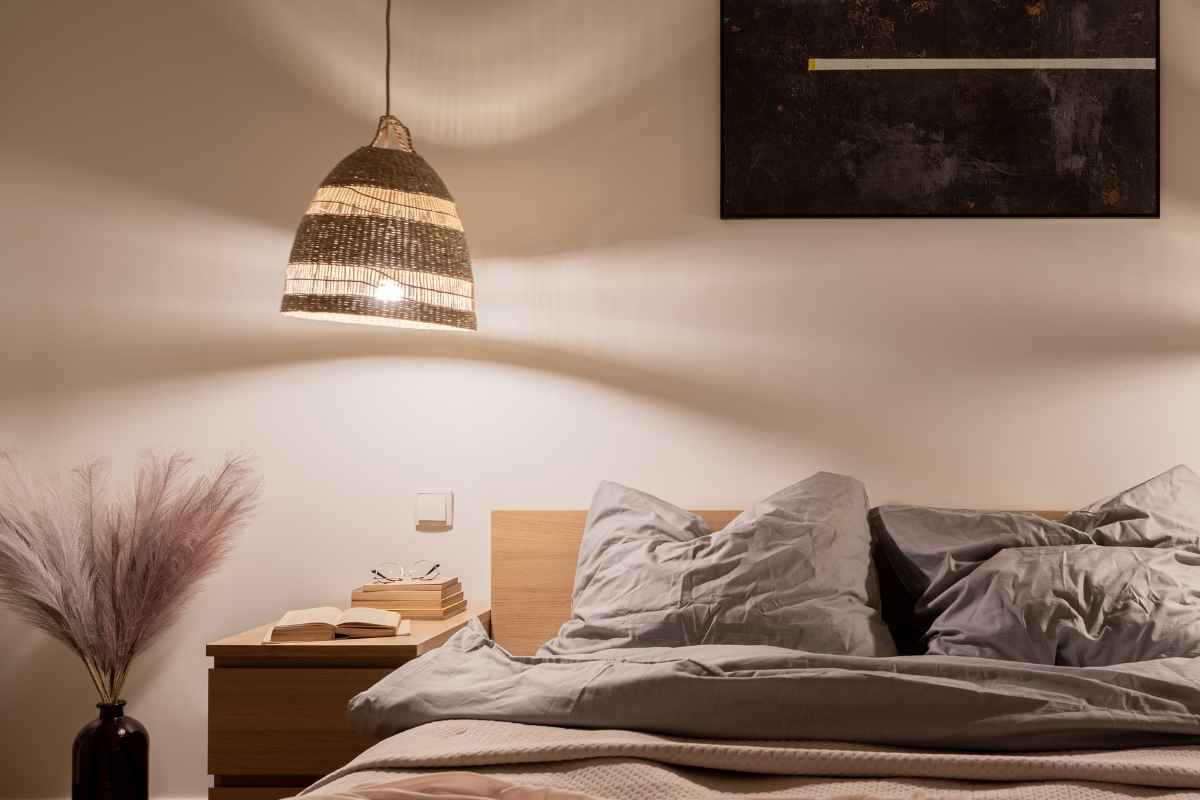
In contrast to bright light, warm, soft lighting has a calming effect on the mind. It creates a cozy, inviting atmosphere that helps reduce stress and promotes relaxation.
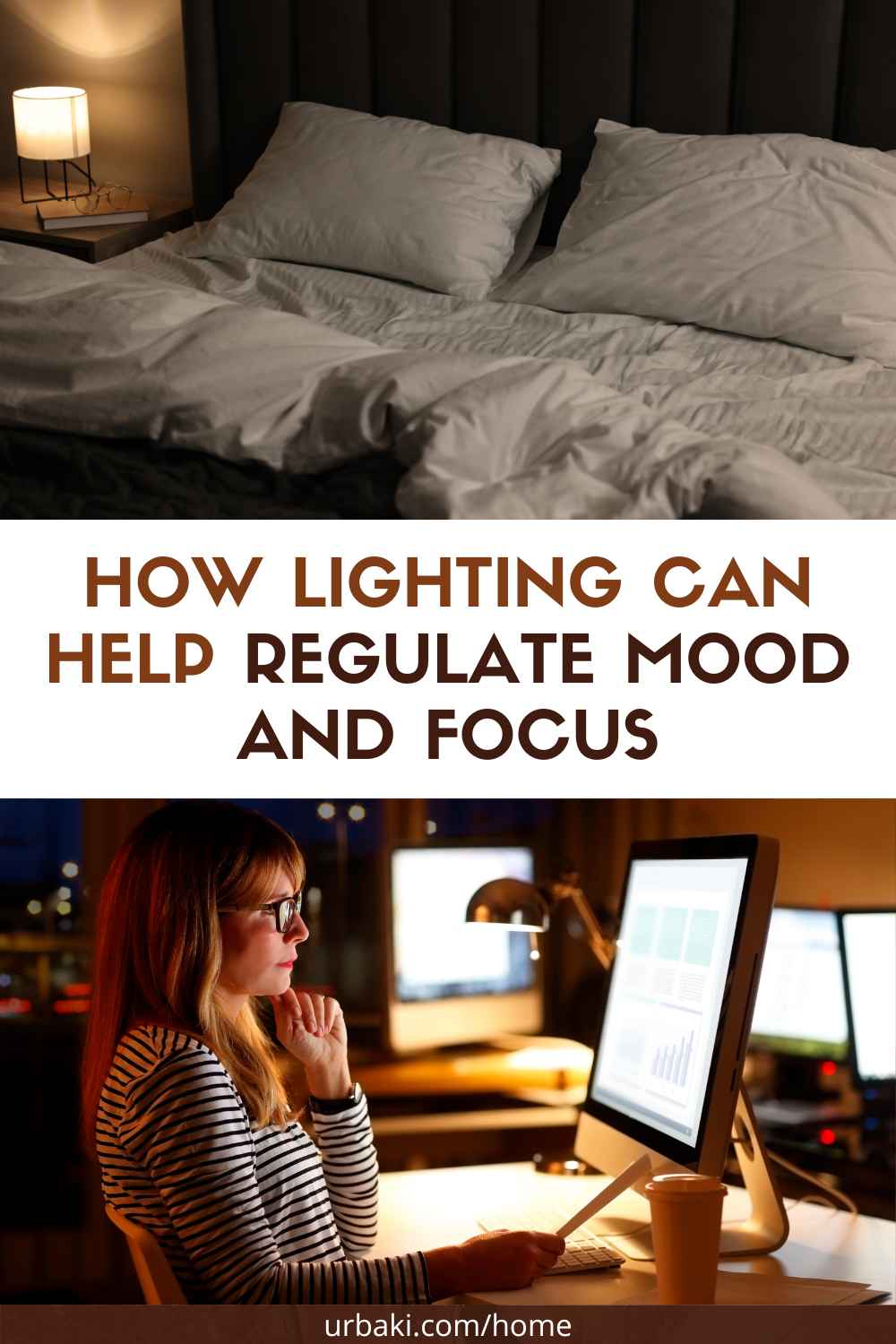
This type of lighting is ideal for evening activities, such as reading, winding down, or having a conversation. Warm lighting can help signal to your brain that it’s time to relax and prepare for rest, promoting better sleep.
Tip: Use dimmers or warm-colored light bulbs (such as those with a yellow or amber tint) for evenings. This type of lighting is excellent for creating a tranquil, restful environment in your bedroom or living room.
Natural Light and Its Role in Mood Regulation
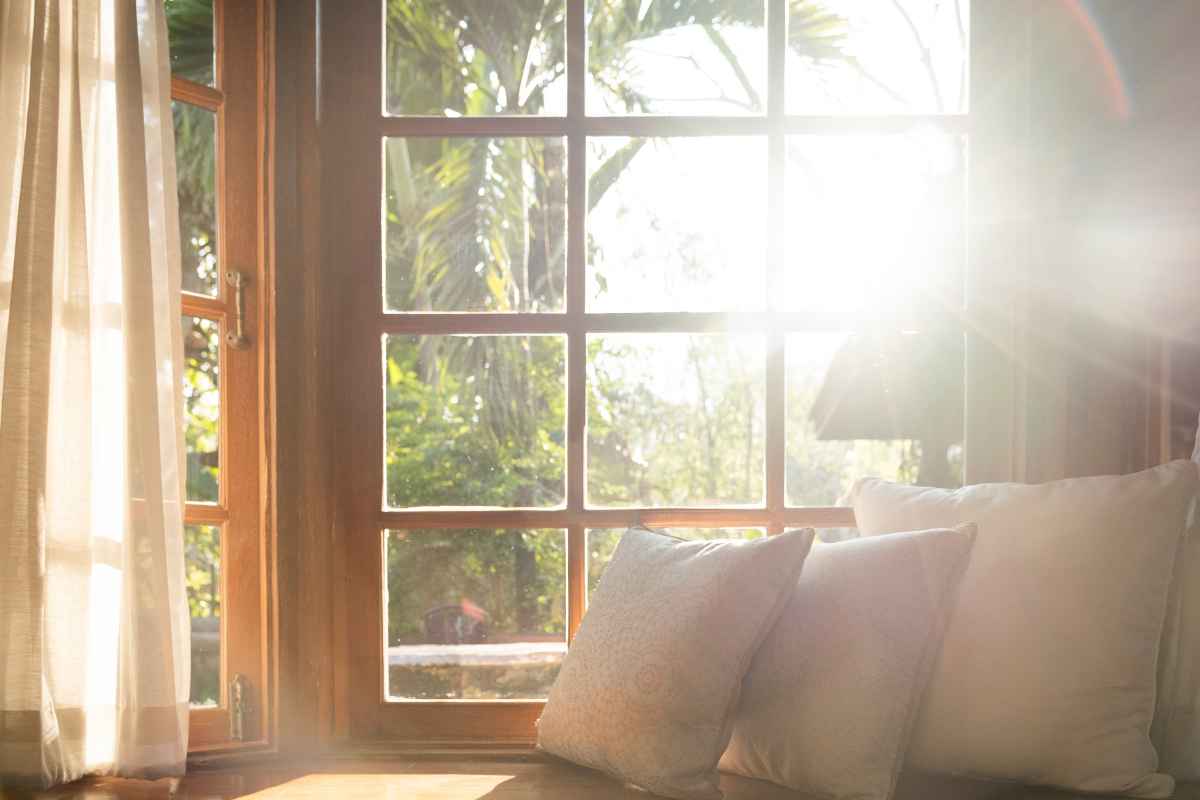
Natural light has the most significant impact on our mood and health. Sunlight is a natural mood enhancer. It helps our body produce vitamin D, which is linked to better mood regulation.
Exposure to natural light during the day helps maintain a healthy circadian rhythm, ensuring that you feel alert during the day and tired when it's time to sleep.
Tip: Make an effort to spend time outdoors during daylight hours. Open curtains or blinds to allow as much natural light as possible into your living or workspace.
If you're unable to spend time outside, consider investing in light therapy lamps that simulate natural sunlight.
Lighting and Focus: Enhancing Productivity
Lighting doesn’t just influence how we feel; it can also affect how well we concentrate.
Proper lighting can help create an environment that supports deep focus, while inadequate lighting can make tasks seem overwhelming or cause mental fatigue. Let's explore the relationship between lighting and focus.
Bright and Balanced Lighting for Concentration
Bright, even lighting is essential for maintaining focus during tasks that require sustained concentration.
Poor lighting can cause eye strain, headaches, and mental fatigue, making it harder to stay focused. Ideally, the lighting should illuminate the entire workspace evenly, without creating harsh shadows or blinding glares.
Tip: Consider using task lighting, such as desk lamps or overhead lights with adjustable brightness, to avoid dark spots in your workspace. Position the light to eliminate any glare on your computer screen or work materials.

Avoiding Excessive Glare
Excessive glare from harsh lighting can disrupt concentration and make it difficult to read or work on detailed tasks. Direct sunlight or overly bright artificial lighting can cause discomfort and eye strain.
Proper lighting should be diffused and directed to avoid harsh reflections.
Tip: Use light diffusers or frosted light bulbs to soften the light and reduce glare. Placing your desk or workspace near a window but away from direct sunlight can also help prevent glare.
Lighting for Creative Focus
For creative tasks such as writing, painting, or brainstorming, lighting plays a crucial role in fostering a positive and focused mindset.
A well-lit environment can encourage creativity by creating a balanced, energetic atmosphere. On the other hand, dim or uneven lighting can hinder creative thinking and reduce motivation.
Tip: For creative work, opt for a combination of soft and bright lighting. Use adjustable task lighting for focused work and add soft lighting in the background to create a balanced, inspiring environment.
The Impact of Lighting on Sleep
As we mentioned earlier, light plays a vital role in regulating our circadian rhythm, which influences our sleep patterns.
Exposure to bright light during the day can help us feel more awake and alert, while reducing light exposure at night signals to our brain that it’s time to wind down and prepare for sleep.
Blue Light and Sleep Disruption
One aspect of modern lighting that has gained attention in recent years is blue light, which is emitted by electronic devices such as smartphones, computers, and televisions.
Blue light can interfere with the production of melatonin, a hormone that helps us fall asleep. Exposure to blue light in the evening can disrupt our sleep cycle, making it more difficult to fall asleep at night.
Tip: To improve sleep quality, reduce screen time before bed and consider using blue light filters on your devices. Additionally, try using dim, warm-toned lighting in the evening to encourage the production of melatonin.
Creating the Right Lighting for Your Environment
Now that we understand the impact of lighting on mood, focus, and sleep, let's explore how you can create the ideal lighting setup for various spaces in your home or workspace.
Living Rooms and Bedrooms: Relaxation and Comfort
For your living and sleeping spaces, aim for soft, warm lighting that promotes relaxation and comfort. Use dimmable lights to adjust the brightness depending on the time of day.
Incorporating lamps with warm-toned bulbs can add a cozy and inviting atmosphere.
Workspaces: Focus and Productivity
In your workspace, choose bright, cool-toned lighting that mimics daylight. This will help you stay alert and focused. Desk lamps or pendant lights with adjustable settings are ideal for creating the right level of brightness.
Kitchens: Bright and Functional
Kitchens require bright, even lighting to ensure safety and efficiency while cooking. Use a combination of overhead lights and task lighting for areas such as the countertop and stove.
More Than Illumination
Lighting is more than just a practical necessity. It is a powerful tool that can help regulate our mood, focus, and even our sleep.
By understanding the psychological effects of different lighting types, you can use light to create the perfect environment for your daily activities.
Whether you’re trying to boost energy and productivity or create a calm, relaxing space for winding down, lighting is a key factor in shaping how we feel and perform.
So, the next time you adjust your lights, consider how it can improve your mood and focus.
Did you find this post Useful or Inspiring? Save THIS PIN to your HOME Board on Pinterest!
More Home Tips 👇🏼👇🏼