
How Much Does a DIY Pergola Cost? (Part 1)


If you’ve been dreaming about giving your backyard a fresh, inviting look, building your own pergola might be exactly what you need.
It’s one of those projects that feels ambitious but still completely doable with intermediate DIY skills and a free weekend.
Best of all, the cost of a DIY pergola can be surprisingly manageable, especially when compared to hiring professionals or installing more complex outdoor structures.
A pergola doesn’t just add visual appeal—it creates a shaded retreat where you can relax, entertain, or grow climbing plants.
Whether you’re working with wood, metal, or a ready-made kit, understanding the cost breakdown helps you plan confidently and avoid surprises.
Understanding DIY Pergola Costs
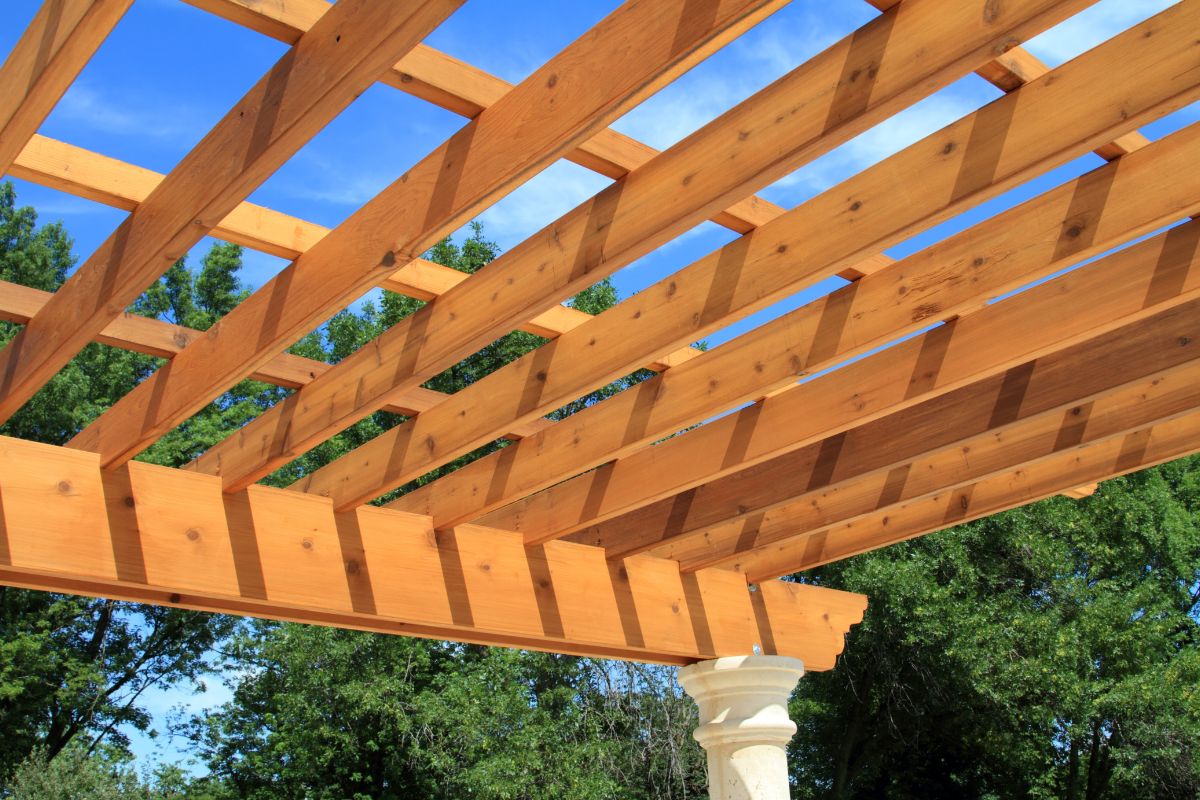 The main advantage of a DIY pergola is clear: you’re paying mostly for materials, not labor. While the price varies depending on your choices, it’s often much lower than having one professionally built.
Still, it’s smart to understand where the money goes before you start sawing and drilling.
Building costs depend on several factors—size, materials, foundation, and extras like retractable covers or lighting. Let’s look at the typical ranges so you can set realistic expectations.
Pergola Kit Price Breakdown
 Aluminum Pergola Kits:
These are among the most budget-friendly options. A compact aluminum kit (around 10 square feet) typically costs between $400 and $800.
Many include a retractable canopy for added sun protection, making them ideal for small patios or decks.
Wooden Pergola Kits:
If you prefer a natural look, cedar or redwood kits deliver warmth and beauty but at a higher price.
A basic cedar pergola of similar size starts around $1,200, while larger or more decorative models with trellis tops and weather treatments can reach $5,000 to $8,000. The weight of solid wood also adds to shipping and installation costs.
Vinyl Pergola Kits:
Vinyl is a low-maintenance alternative that mimics wood without the upkeep. These kits usually range from $1,000 to $3,000, offering durability and easy cleaning.
Building From Scratch: Is It Cheaper?
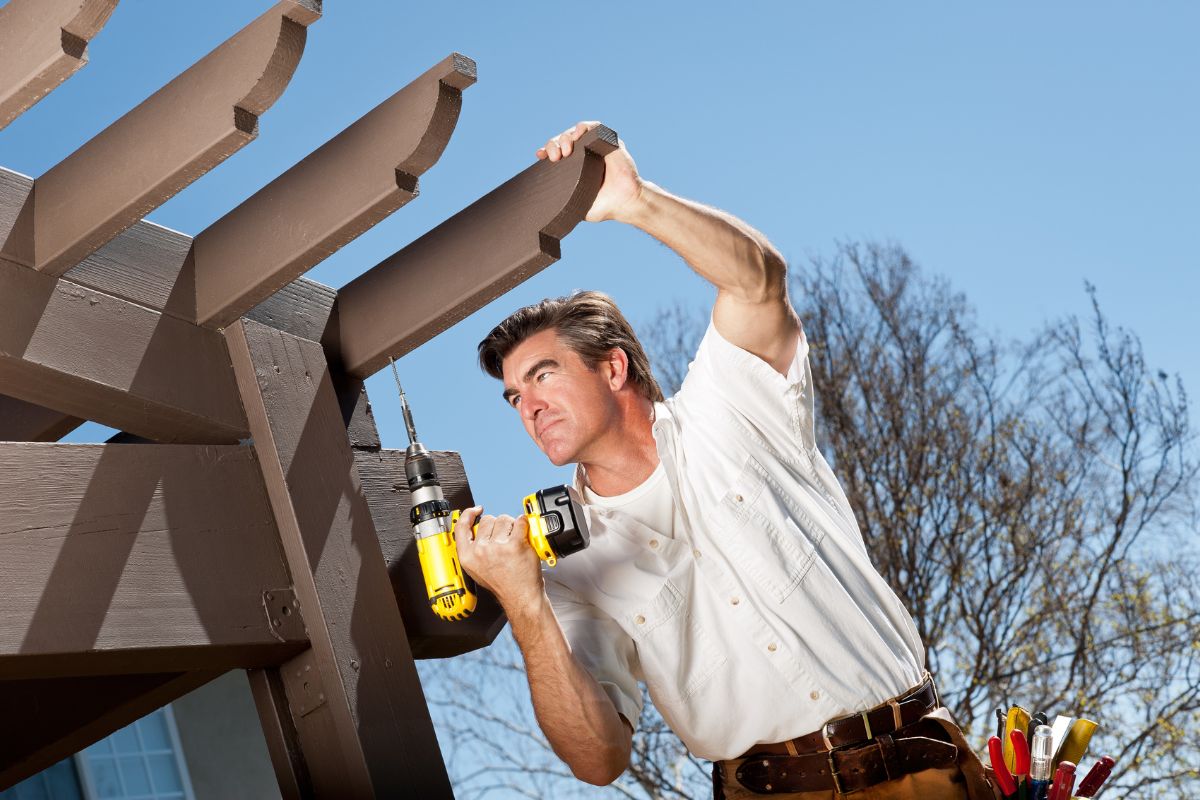 If you’re handy and want full control over the design, building from raw materials can save money. For example, a 2.5-by-5-meter wooden pergola built with treated lumber, gravel, and concrete footings can cost around $570 in materials alone.
However, if your design includes decorative latticework, custom posts, or a concrete slab foundation, your budget will rise accordingly.
Pro tip: For large concrete bases or heavy beams, it’s worth hiring a professional just for that step. It ensures your structure remains stable and weather-resistant for years.
What Affects the Total Pergola Cost?
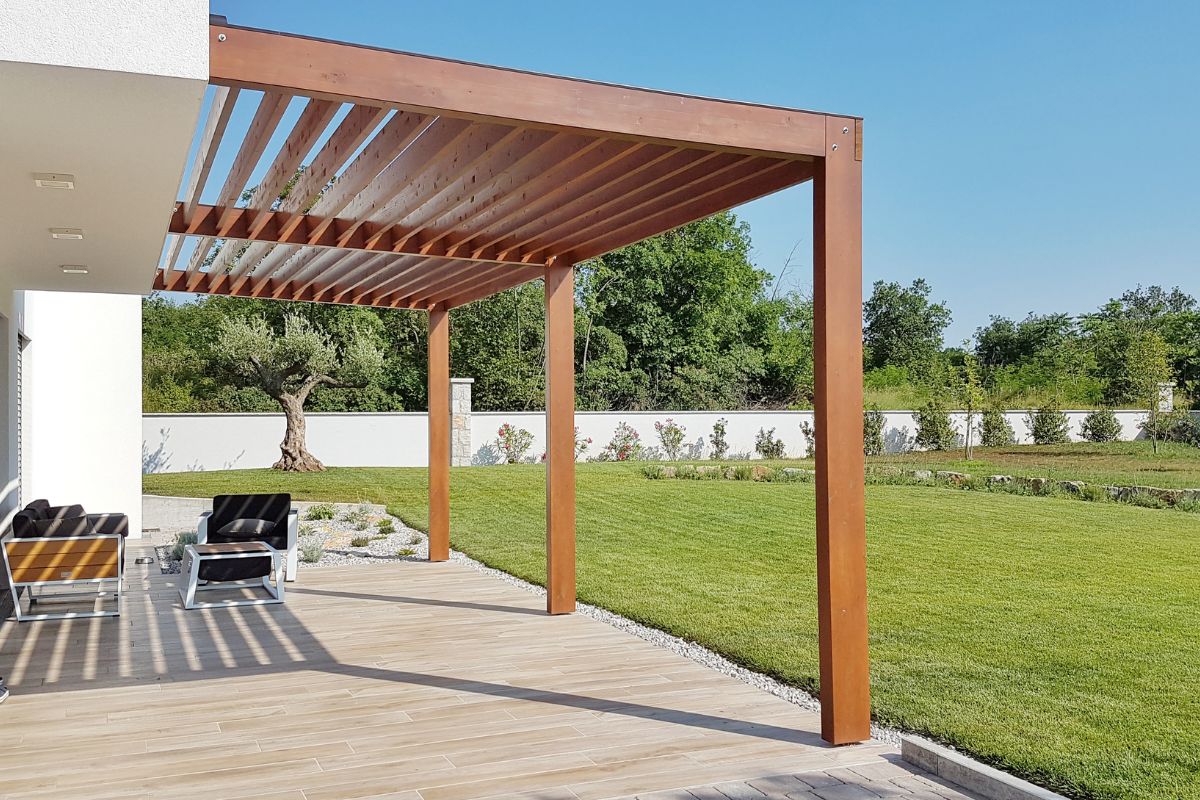 Several factors can significantly impact your final investment:
Material choice: Wood looks timeless but requires maintenance; aluminum and vinyl are durable and low-maintenance.
Size and layout: A larger footprint or attached pergola will increase costs in materials and support.
Foundation type: Gravel bases are cheaper than poured concrete slabs.
Accessories: Lighting, shades, planters, and seating quickly add to the budget.
Permits: Depending on your city, a pergola might require a simple construction permit or none at all—always check before you start.
Considering these details upfront helps you avoid costly adjustments later in the process.
Comparing Pergolas to Other Outdoor Structures
 If you’re still deciding between outdoor upgrades, it helps to see how pergolas compare to other common options:
| Structure Type | Average Cost Range | Best For | Limitations |
|---|---|---|---|
| Pergola | $400–$8,000 | Partial shade and open design | Minimal rain protection |
| Gazebo | $2,000–$10,000 | Full coverage and freestanding | More complex build |
| Patio Cover | $1,500–$6,000 | Weatherproof shade | Less visual openness |
| Arbor or Trellis | $200–$1,000 | Decorative garden entryway | Very limited coverage |
Pergolas strike a balance between affordability and elegance—they provide shade without feeling enclosed and can easily be dressed up with plants, string lights, or curtains.
Quick Tips Before You Start Building
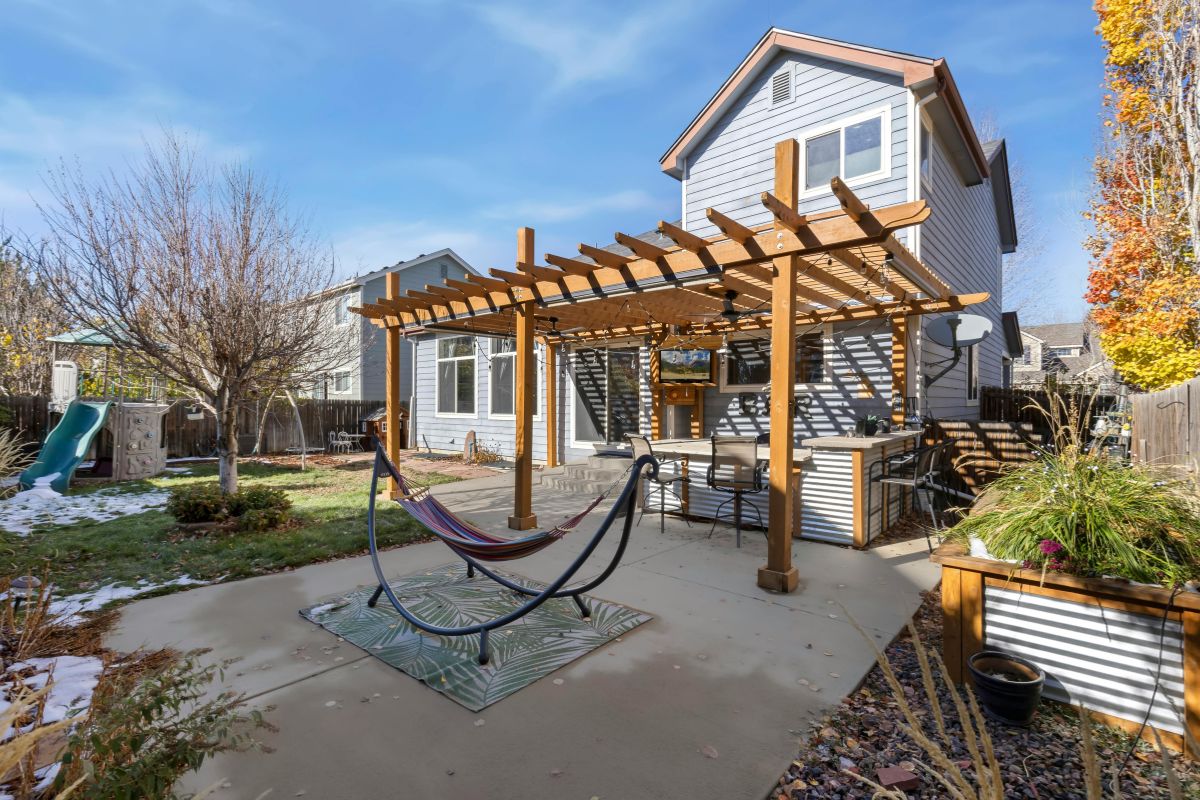
Plan ahead for space and sun direction. Place your pergola where it provides the best natural shade.
Use treated or weather-resistant materials. This extends the lifespan and prevents warping.
Always check local codes and permits. Requirements can vary widely by location.
Have a helper on hand. Most kits and DIY builds are safer and easier with two people.
Seal and maintain. A quick coat of sealant or paint every few years keeps your pergola looking new.
Building Value Beyond the Cost
A pergola is more than an outdoor structure—it’s an investment in how you enjoy your home. With smart planning and the right materials, you can create a personal retreat that adds beauty, comfort, and even property value.
Whether you go for a simple aluminum kit or a custom cedar design, a DIY pergola project proves that big transformations don’t have to come with big price tags. So grab your tools, roll up your sleeves, and start building the shaded escape your backyard deserves.
We Hope You Enjoy Watching this Video

Source: Nick Makes
Did you find this post useful or inspiring? Save THIS PIN to your HOME Board on Pinterest! 😊

More Home Tips 👇🏼👇🏼