
How to Choose the Right Tile for Your Home Renovation Project
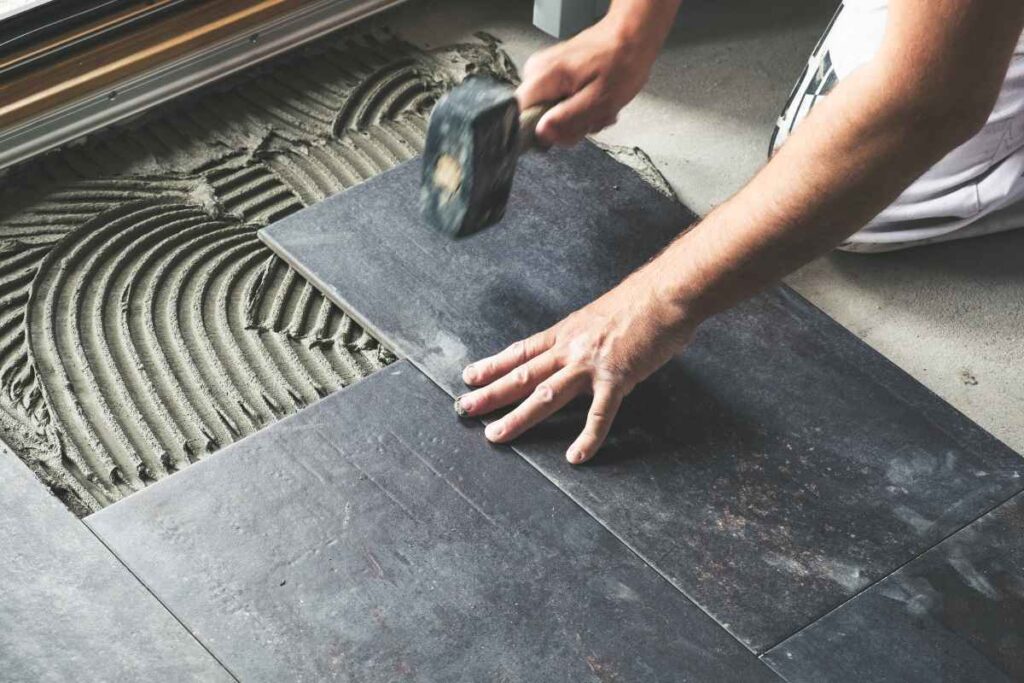
Tiles are one of the most versatile materials in home design. Whether you’re updating your bathroom, kitchen, or living area, the right tile can completely transform a space.
From durability and functionality to style and personality, tiles play a vital role in achieving your renovation goals. But with so many options available, making the right choice can feel overwhelming.
This guide will help you navigate through the most important factors so you can select tiles that not only look stunning but also stand the test of time.
Make Home Repairs a Breeze with These Reliable Tools!

- [Toolbox Included] - Includes 1-Drawer storage box with...
- [High Quality Material] - Made of high-quality steel and...
- [Muti-purpose Tools Kit] - 325Pcs tools set for most small...


- Material: Made of quality steel, sturdy construction,...
- Function: Specifically designed to clamp the square bolt...
- Angled Head: Angled plier head is easier to clamp terminal...

- 1:The laser level meter is equipped with 2 batteries,...
- 2: The laser level instrument has an automatic leveling...
- 3: To use the slash mode, please hold down the middle button...
Understanding Tile Materials

Ceramic vs. Porcelain
Ceramic and porcelain are among the most common choices for residential renovations. Ceramic tiles are affordable, easy to cut, and available in countless colors and designs, making them perfect for walls and low-traffic areas. Porcelain tiles, on the other hand, are denser and more durable, making them suitable for floors, kitchens, and outdoor spaces. While porcelain tends to be slightly more expensive, it often requires less maintenance over the years.
Natural Stone Options
For those who prefer a timeless, elegant look, natural stone tiles such as marble, slate, granite, or travertine bring character and sophistication.
Each stone type has unique veining and color variations that create a one-of-a-kind effect. However, stone requires regular sealing to protect against stains and water damage, so it may not be ideal for homeowners seeking low-maintenance solutions.
Glass and Mosaic Tiles
Glass tiles are popular for backsplashes and accent walls, as they add shine and reflect light beautifully.
Mosaics, which often combine glass, stone, or ceramic pieces, offer creative possibilities and are excellent for adding decorative touches.
They work especially well in small areas where you want to create a focal point.
Matching Tiles to the Function of the Room

Bathroom Renovations
Bathrooms need tiles that can withstand moisture and frequent cleaning. Porcelain or ceramic tiles with a non-slip finish are great choices for floors, while glossy or glass tiles can be used on walls to create a spa-like feel. Large-format tiles are also popular in bathrooms, as they reduce grout lines and create a sleek, modern appearance.
Kitchen Renovations
Kitchens require tiles that balance style with practicality. For floors, porcelain is a top choice because of its durability and resistance to spills.
For walls, particularly behind sinks or stovetops, ceramic or glass tiles work well as they are easy to clean. Many homeowners opt for bold patterns or colorful backsplashes to add personality to the space without overwhelming the room.
Living Areas and Beyond
Tiles are no longer limited to kitchens and bathrooms. Many people now use wood-look porcelain tiles in living rooms, hallways, and bedrooms to combine the warmth of hardwood with the durability of tile. These tiles are scratch-resistant, pet-friendly, and easy to maintain, making them ideal for busy households.
Choosing the Right Size and Shape

Tile size can dramatically affect the look of a room. Large-format tiles make small spaces appear bigger by reducing grout lines, while smaller tiles or mosaics are better for adding texture and detail.
Rectangular tiles laid in patterns like herringbone or chevron can add movement and elegance to a floor or wall. Square tiles, meanwhile, provide a classic and versatile option suitable for nearly any design.
Color and Style Considerations
Light vs. Dark Tiles
Light-colored tiles can make rooms feel airy and spacious, while dark tiles add depth and sophistication.
It’s important to consider natural lighting—darker shades may look dramatic but can make small or poorly lit rooms feel cramped. Lighter shades work well in compact spaces and create a clean, fresh atmosphere.
Patterns and Finishes
Tiles come in a wide variety of finishes, from matte and textured to glossy and polished.
Matte finishes are slip-resistant and forgiving when it comes to showing dirt or water spots, making them practical for busy households.
Glossy finishes, on the other hand, reflect light beautifully and are often used for walls or accents. If you want to add character, patterned tiles, such as encaustic or geometric designs, can turn any floor or wall into a statement feature.
Practical Considerations Before Buying

Budget Planning
While it’s tempting to fall in love with a tile purely based on looks, budget plays a key role in decision-making. Factor in not only the price per square foot but also installation, underlayment, and sealing if required.
Don’t forget to account for wastage, usually 10–15% extra, as tiles may need to be cut or replaced in case of damage.
Durability and Maintenance
Think about how much wear and tear the space will experience. For example, kitchens and entryways require tiles that can handle heavy traffic and frequent cleaning.
Bathrooms need moisture-resistant tiles, while outdoor patios require frost-resistant materials. Always check the manufacturer’s recommendations for care and cleaning to ensure your tiles remain beautiful for years.
Grout Selection
Grout is often overlooked but plays a major role in the overall look of tiled spaces. Choosing a contrasting grout highlights the tile pattern, while matching grout creates a seamless, uniform look.
Be sure to select a high-quality, stain-resistant grout, especially in areas prone to moisture or spills.
The Role of Professional Installation
While some homeowners enjoy DIY projects, tile installation is a task where professional expertise can make a big difference. Proper installation ensures durability, prevents water damage, and creates a polished finish.
If you choose to install tiles yourself, be sure to research the proper techniques and tools needed. For larger projects, hiring a professional often saves time and avoids costly mistakes.
Trends in Modern Tile Design
Tiles have evolved far beyond the plain white squares of the past. Today, there are endless design trends to explore:
Wood-look tiles that replicate natural hardwood flooring with the durability of porcelain.
Concrete-look tiles that bring an industrial yet modern feel to interiors.
Bold, patterned tiles inspired by Mediterranean or Moroccan styles for eye-catching floors and backsplashes.
Textured tiles that mimic natural stone or fabric for added dimension.
Following trends is exciting, but it’s also wise to balance them with timeless choices. Selecting a neutral base tile and using bold designs as accents can give your space longevity while allowing room for creative updates in the future.
Making Your Final Choice
The process of choosing the right tile may seem daunting, but breaking it down into steps makes it manageable. First, consider the function of the room and select materials suited to its conditions.
Next, think about the aesthetic you want to achieve, from color and finish to size and layout. Don’t forget practical elements like budget, durability, and maintenance requirements.
Ultimately, the best tile for your home is the one that meets your needs while reflecting your personal style.
Whether you choose classic ceramic, sleek porcelain, or dramatic natural stone, your tile choice has the power to elevate your renovation from ordinary to extraordinary.
Did you find this post Useful or Inspiring? Save THIS PIN to your HOME Board on Pinterest!
More Home Tips 👇🏼👇🏼