
How to Create a Balanced and Restorative Bathroom with Feng Shui

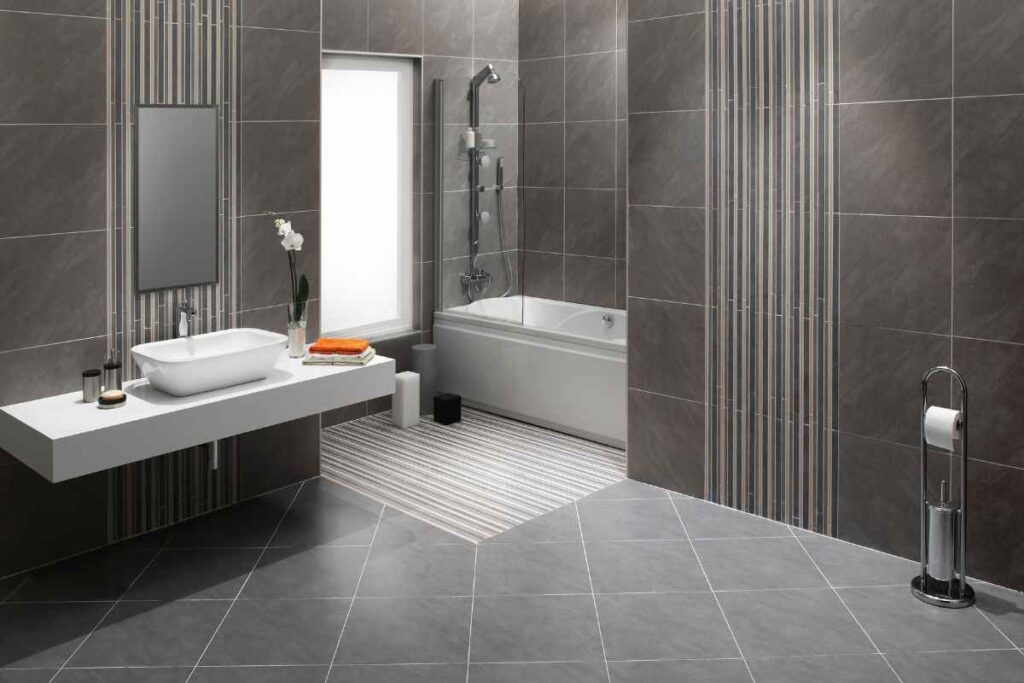
Creating a balanced and restorative bathroom using Feng Shui is a fantastic way to turn a space often viewed as functional into one that nurtures relaxation, harmony, and renewal.
In Feng Shui, the energy of a room—called "chi"—can either be uplifting or draining, depending on how it’s arranged. When applied thoughtfully, this ancient Chinese practice can transform your bathroom into a sanctuary of peace and wellness.
Understanding Feng Shui for Your Bathroom
The bathroom is a space associated with purification and cleansing, both physically and energetically. In Feng Shui, it’s important to treat this space with respect, as it can influence the flow of chi throughout your entire home.
Bathrooms have the potential to disrupt positive energy, but with the right adjustments, they can also become calming and rejuvenating spaces.
In Feng Shui, the bathroom is typically linked to the water element, which is often seen as both purifying and potentially draining.
This means that the way water is treated and positioned in the room plays a crucial role in the energy it invites into the space.
1. Optimize the Bathroom Layout and Design
Choose the Right Bathroom Location
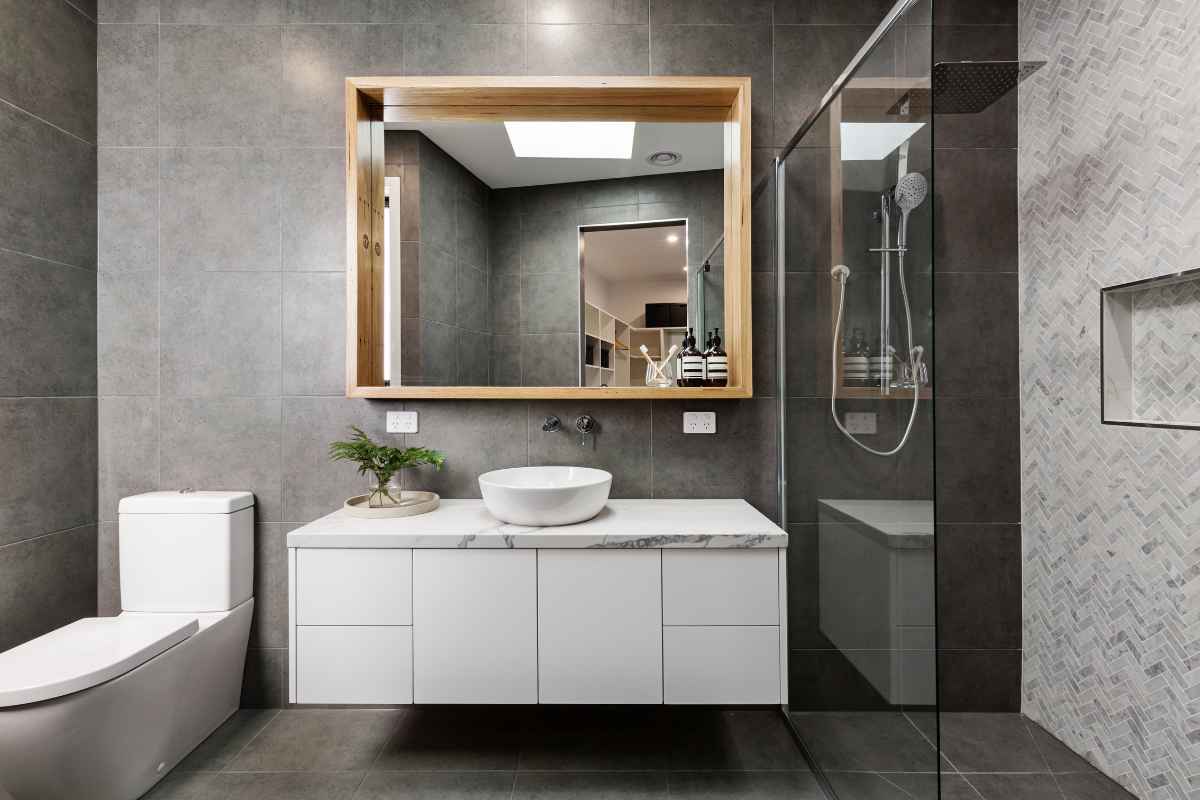
In Feng Shui, the location of your bathroom matters. Ideally, your bathroom should be placed in the back or center of your home, away from the main living areas.
This helps contain the draining energy of water, preventing it from affecting the rest of your home’s chi.
If your bathroom is near the front of the house, there are ways to balance the energy through the use of elements like plants or mirrors.
Consider the Shape of the Bathroom
The shape of your bathroom also influences the flow of energy. A bathroom that is square or rectangular is generally good, but irregular shapes can create imbalances.
You can address this by incorporating accessories that smooth out sharp corners, such as curved mirrors or soft lighting. Avoid bathrooms with large open spaces that could lead to energy being lost or wasted.
2. Water Element: Balance and Control
As mentioned earlier, water is a key element in Feng Shui bathrooms. However, water can be both cleansing and draining, so it’s important to find ways to manage this dynamic in your bathroom.
Keep the Toilet Lid Closed
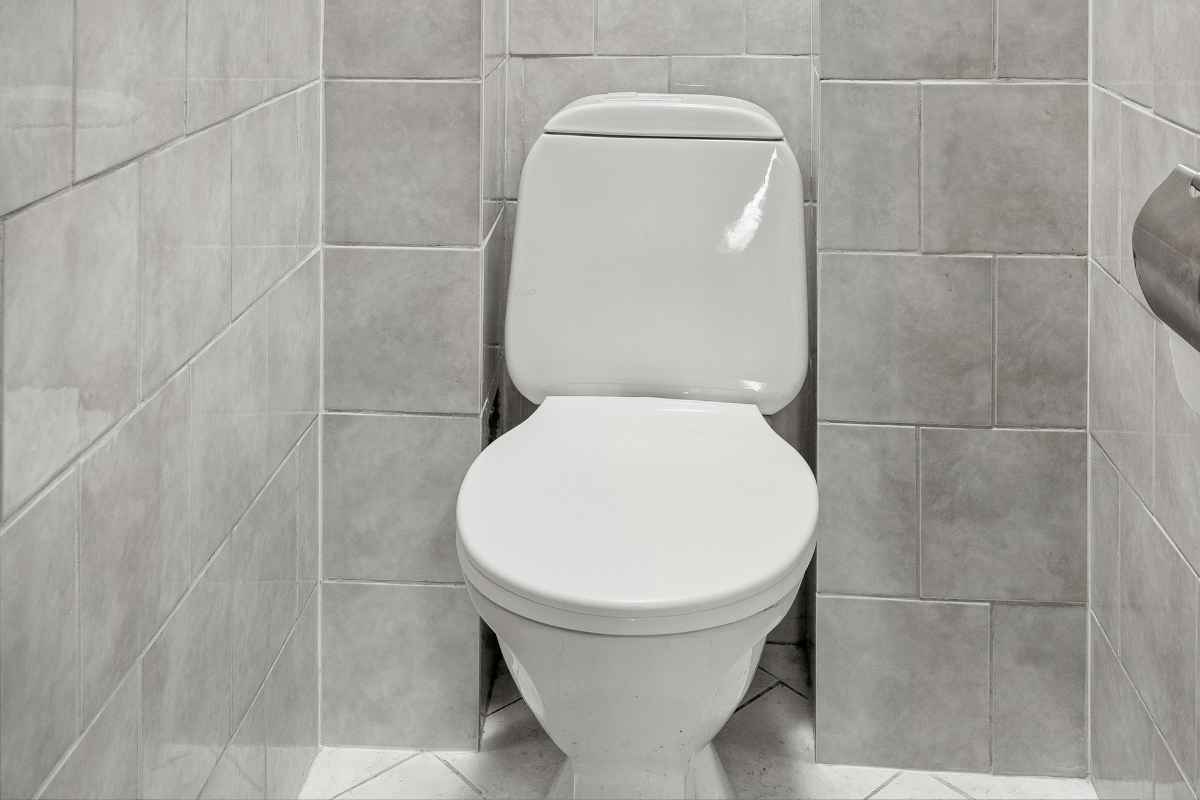
In Feng Shui, it’s essential to keep the toilet lid closed at all times, as the toilet represents waste and can cause energy to be drained from the home.
By closing the lid, you symbolically contain the draining force of the bathroom and preserve the harmony within your space.
Control the Flow of Water
The flow of water in the bathroom should be well-maintained to avoid any stagnation. Feng Shui recommends avoiding leaky faucets or clogged drains, as they can cause negative energy to accumulate.
Water should flow freely, signifying abundance and vitality. Repair any leaks promptly to prevent energy loss.
Incorporate Water Features
While controlling the flow of water is crucial, water can also be used to enhance the bathroom’s atmosphere. Feng Shui encourages the use of calming water features like a small fountain or an aquarium, as they can promote relaxation. These features symbolize prosperity and create a soothing ambiance.
3. Elemental Balance: Wood, Fire, Earth, and Metal
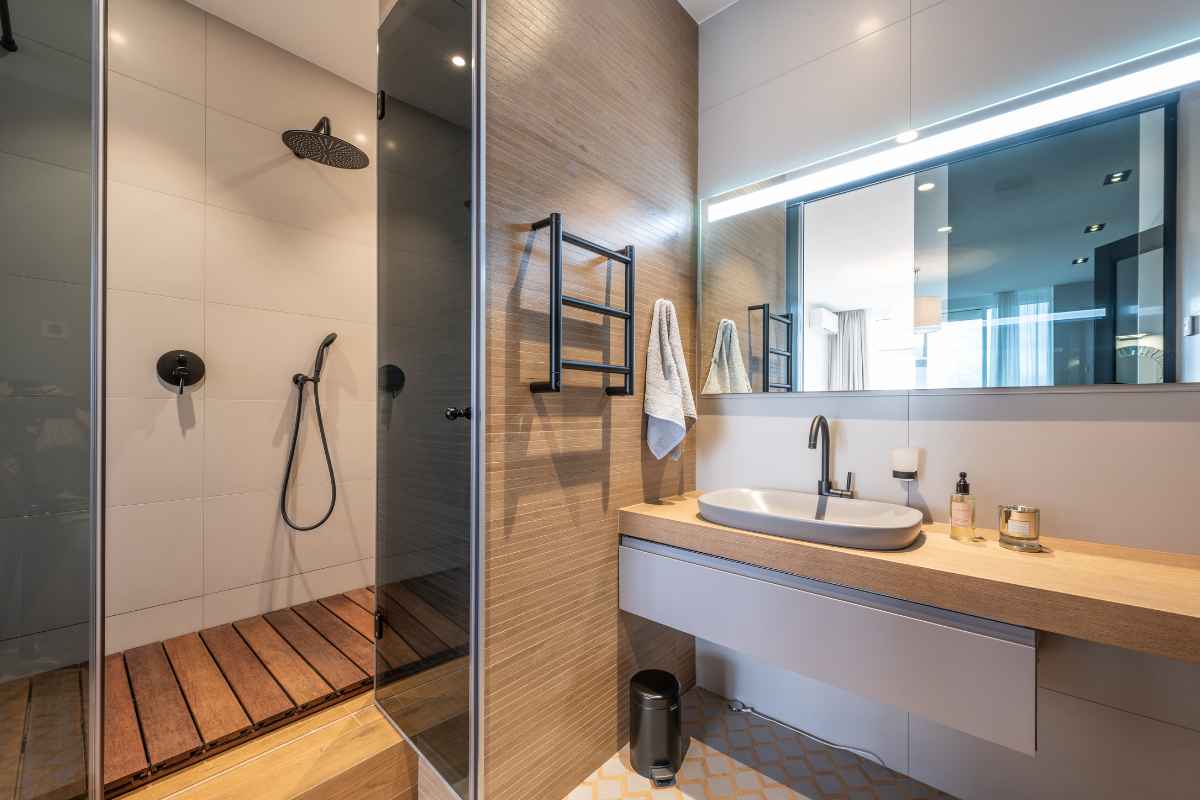
To create harmony in the bathroom, it’s essential to incorporate the other Feng Shui elements: wood, fire, earth, and metal. These elements should be used in moderation and thoughtfully placed to avoid overwhelming the space.
Wood: Growth and Vitality
Incorporating wood elements like plants or wooden accessories can invite vitality and growth into the bathroom. Choose plants that thrive in humidity, like bamboo or peace lilies, to bring in the wood element.
Be sure to avoid plants that require too much sunlight or those that may not thrive in a bathroom setting.
Fire: Warmth and Transformation
A bathroom is a space where you wash away the day’s stresses, and incorporating the fire element can enhance this feeling of rejuvenation.
You can introduce fire through the use of candles or a heating system. The flicker of candles or warm lighting will create an inviting atmosphere while promoting relaxation.
Earth: Stability and Nourishment
Earth elements in Feng Shui bring a sense of grounding and stability. In the bathroom, you can incorporate earth elements through the use of stone tiles, ceramic planters, or even a stone soap dish. These materials enhance a sense of connection to the earth, which is especially important in a space meant to cleanse and refresh.
Metal: Clarity and Precision
Metal is associated with clarity and precision. Adding metal fixtures like brushed nickel faucets, towel holders, or a metal-framed mirror can bring in the crisp, sharp qualities of the metal element. These elements will add balance without overwhelming the natural flow of energy.
4. Use Color to Enhance the Atmosphere
Soft, Soothing Colors
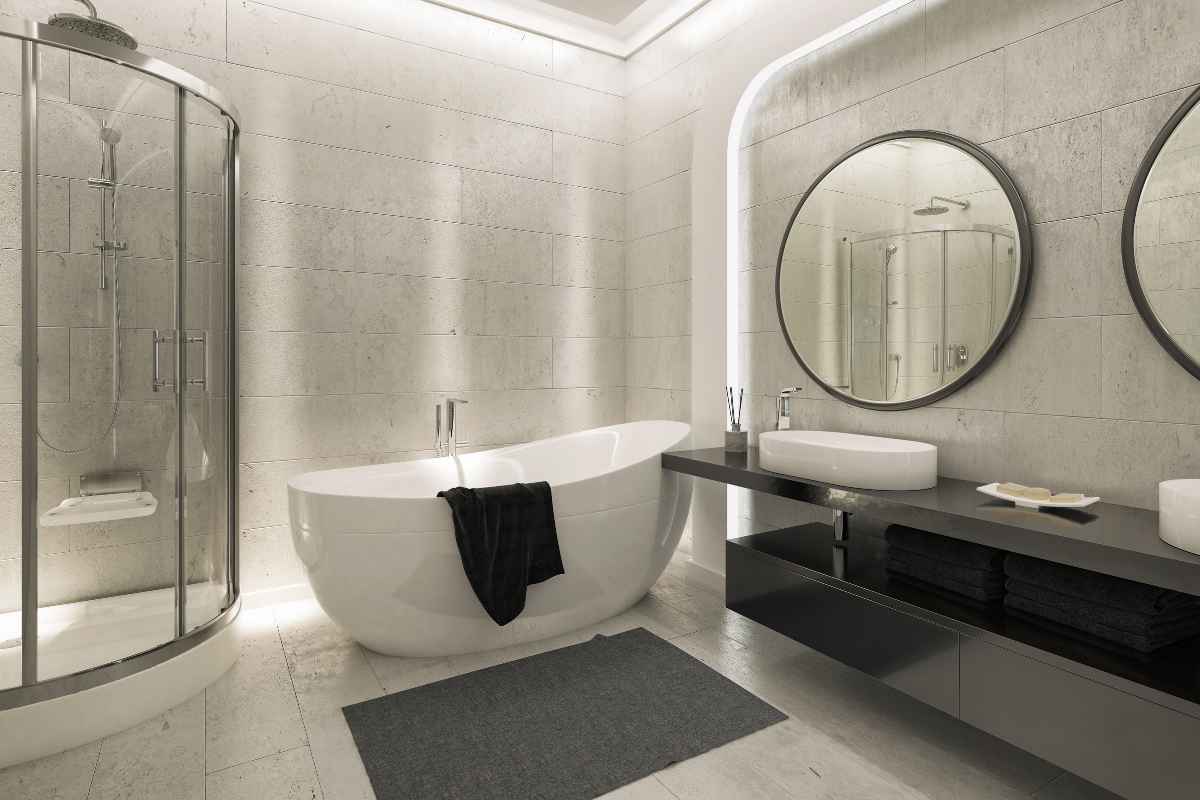
In Feng Shui, colors play a significant role in setting the tone and mood of a room. In the bathroom, it’s important to choose calming and soothing colors that promote relaxation and tranquility.
Soft shades of blue, green, and white are ideal for bathrooms because they mirror the water element and promote clarity.
Earthy and Neutral Tones
For those who prefer a more grounded and neutral aesthetic, consider incorporating earth tones like light browns, tans, and beige.
These colors enhance the earth element and can help create a peaceful, nurturing environment. You can balance these tones with accents of green or blue to keep the space refreshing.
Avoid Excessive Bold Colors
While bold colors like red, bright yellow, or black can be used sparingly, they are generally avoided in bathroom Feng Shui because they can overwhelm the space or cause a sense of imbalance.
These colors are better used in other areas of your home where they can support the fire element or encourage energy.
5. Keep the Bathroom Clutter-Free
Declutter for a Peaceful Environment
A cluttered bathroom can create stagnant energy, leading to a sense of chaos rather than calm. Feng Shui advises keeping the bathroom tidy and organized.
Store toiletries, towels, and other items out of sight to keep the space feeling clean and open. Consider using storage baskets or hidden shelves to keep things neat.
Use Mirrors Wisely
Mirrors are an essential tool in Feng Shui, as they can reflect energy and light. In the bathroom, mirrors help expand the space visually.
However, mirrors should not be placed in a way that reflects the toilet or the door directly, as this can cause energy to bounce around and create restlessness. Instead, position mirrors to reflect light or positive elements like plants.
6. The Role of Light and Ventilation
Maximize Natural Light
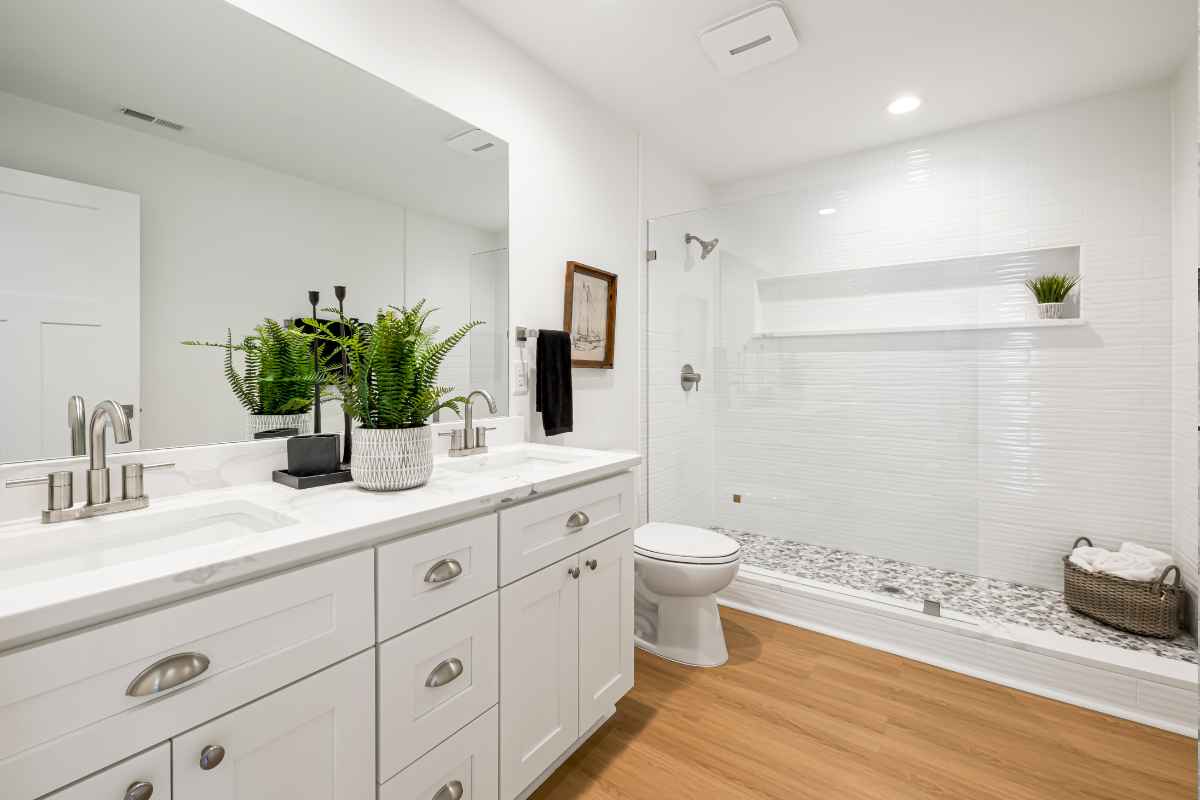
Natural light is highly regarded in Feng Shui as it represents vitality and renewal. If possible, allow for natural light to enter your bathroom through windows.
Light filtering in can enhance the overall chi of the space. For bathrooms without windows, consider using light fixtures that mimic daylight or adding a skylight if feasible.
Ensure Proper Ventilation
Good ventilation is essential in maintaining healthy chi in your bathroom. Poor air circulation can lead to stagnation, causing the energy to feel heavy.
Install an effective ventilation system or ensure that there’s a window that can be opened for fresh air. This will help maintain a clean and invigorating environment.
Conclusion: A Harmonious Bathroom Sanctuary
By incorporating Feng Shui principles into your bathroom design, you create a space that nurtures the mind, body, and spirit. From balancing the water element to using color and lighting effectively, each detail contributes to the overall energy of the room.
Whether you’re seeking a restful retreat or an energizing space to start your day, these Feng Shui strategies can help you create the bathroom sanctuary you deserve. With thoughtful adjustments, your bathroom can become a restorative haven that invites peace, renewal, and positive energy.
Did you find this post Useful or Inspiring? Save THIS PIN to your HOME Board on Pinterest!
More Home Tips 👇🏼👇🏼