
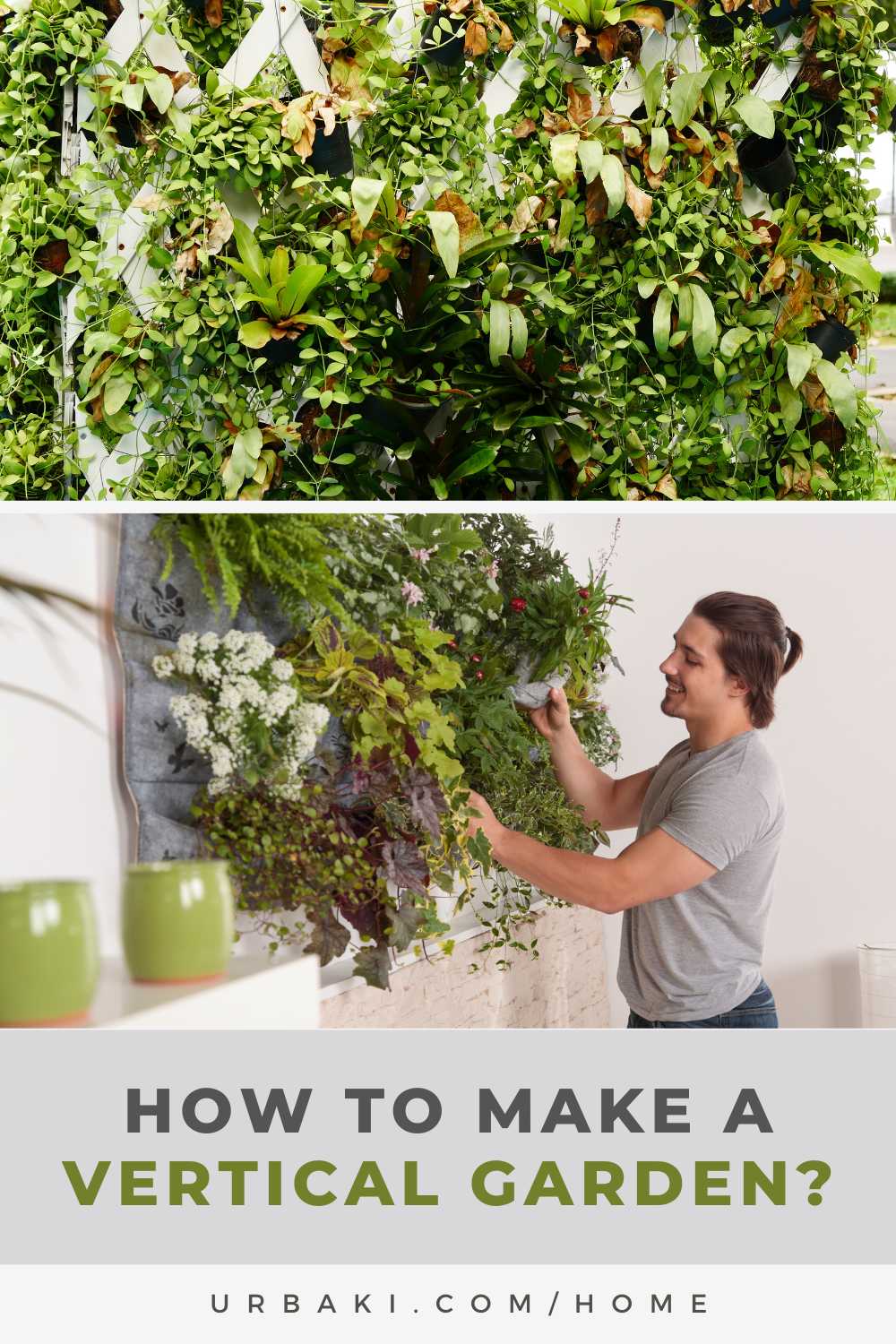
How To Make A Vertical Garden?

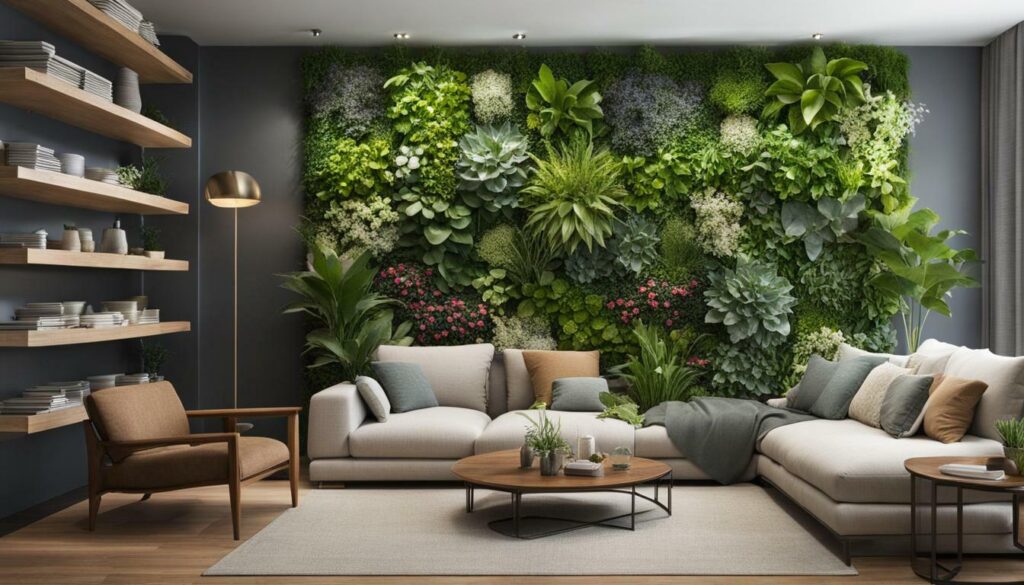
Welcome to our guide on how to create your very own vertical garden, perfect for indoor gardening, small space gardening, and urban gardening.
A vertical garden, also known as a living wall or green wall, is a fantastic solution for those who want to enhance their environment's greenery.
With a vertical garden, you can transform any space into a lush oasis of plants and flowers.
This urban gardening trend is not only beautiful but also has numerous benefits, such as purifying the air and reducing stress levels.
In this article, we will guide you step-by-step on how to build and maintain your very own vertical garden, suitable for both indoor and outdoor settings.
Together, we'll explore different vertical garden designs and plant options, as well as provide you with helpful tips and techniques to ensure thrive.
Whether you have limited outdoor space or want to bring some greenery into your home, creating a vertical garden is an excellent way to do so. Let's get started!
Choosing the Right Location and Design for Your Vertical Garden
Now that you're ready to create your vertical garden, it's essential to choose the right location and design for your space.
Vertical gardens can be designed to suit any size and style, making them perfect for small spaces and urban environments.
Consider the natural light conditions of your space when selecting the location.
South-facing walls receive the most light, while north-facing walls receive the least. East and west-facing walls receive varying degrees of light throughout the day.
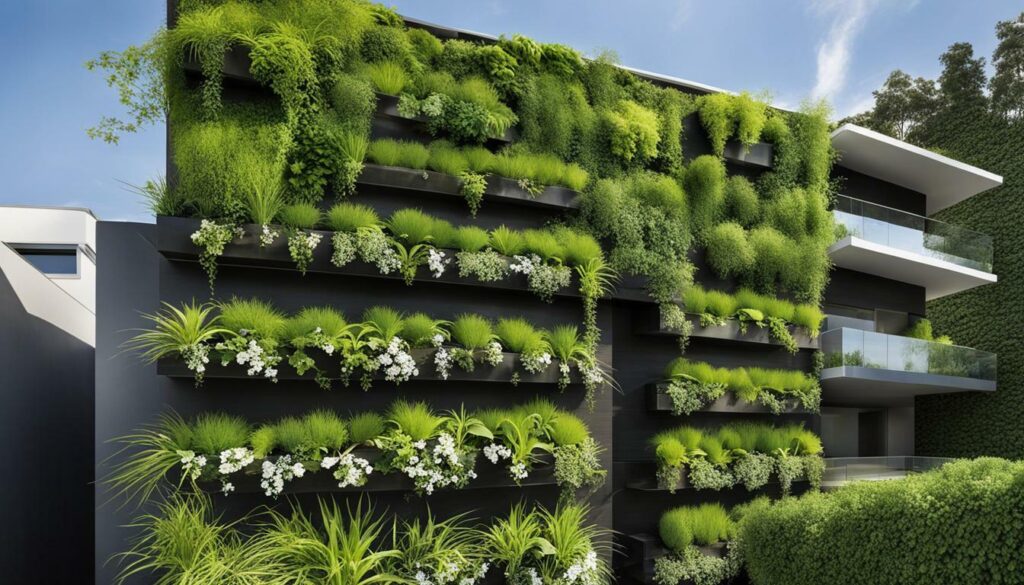
Design your vertical garden to match the style of your home or office decor. From formal to wild and rustic, design options are endless.
Consider using a modular panel system for a modern and streamlined look. Alternatively, repurpose an old pallet or window frame for a rustic charm.
Get creative with your space and try out vertical gardening ideas that highlight your personal style.
A vertical garden can be used to divide space, create privacy, or simply add visual interest to any area.
Selecting the Perfect Plants for Your Vertical Garden
When selecting plants for your vertical garden, consider the conditions of your space. If you're creating an indoor vertical garden, choose plants that thrive in low-light environments, such as pothos, ferns, or snake plants.
For outdoor vertical gardens, choose plants that tolerate direct sunlight or partial shade, depending on the location.
Climbing and trailing plants are ideal, as they can grow upwards and tumble down the wall.
Some popular choices include ivy, jasmine, and bougainvillea. For a more structured look, consider using succulents or herbs, such as thyme or basil.
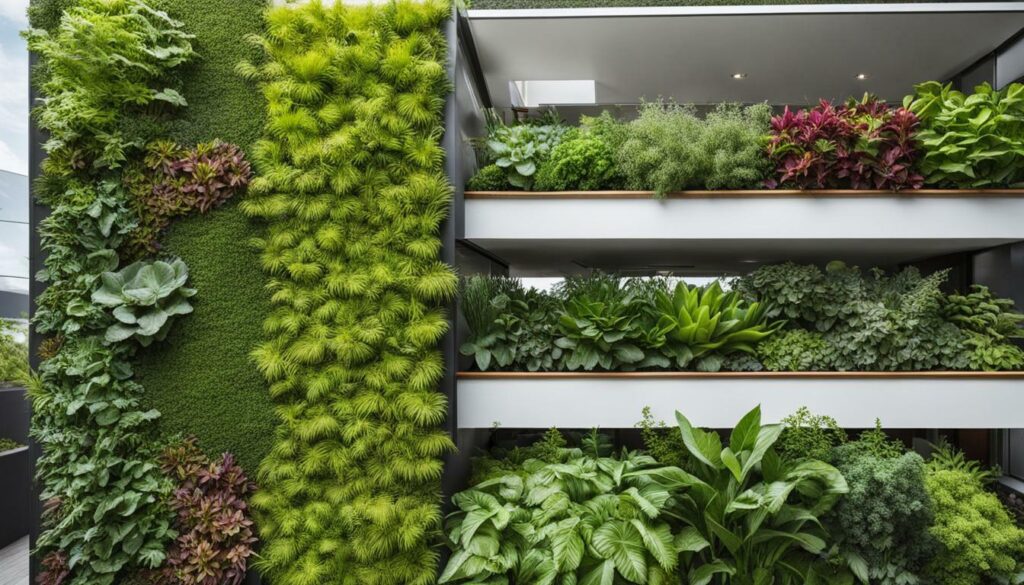
Remember to choose plants with similar watering and fertilizing requirements for ease of maintenance.
Mix and match different varieties to create a varied and visually appealing display.
Indoor vertical gardens may require additional maintenance, such as regular dusting and pruning to keep the plants healthy and looking their best.
Outdoor vertical gardens may require occasional watering during dry spells, and pruning to prevent plants from overtaking the space.
With the right selection of plants, you can create a stunning that adds greenery and interest to any space, indoors or outdoors.
Building and Installing Your Vertical Garden System
Now that you have selected the right plants for your vertical garden and have chosen the perfect location, it's time to build and install your vertical garden system.
There are various ways to create a DIY vertical garden system.
You can use modular panel systems, pocket planters, or repurposed materials such as old gutters and pallets. The possibilities are endless!
One popular and straightforward method is using a modular panel system. These systems typically consist of interconnected panels that can be easily attached to a wall.
They're ideal for creating a living wall indoors or outdoors.

Tip: Before installing your vertical garden system, test the weight-bearing capacity of your wall. You must ensure it can support the weight of the soil, plants, and the vertical garden structure.
Once you have your vertical garden system, decide on the plant placement and layout.
You can create a symmetrical or asymmetrical design, depending on your preference. Arrange the plants in a way that best complements the architecture of your space.
When installing the vertical garden, make sure to leave some space between the plants and the wall to allow for proper ventilation and drainage.
It's essential to follow the instructions for installing your chosen system carefully.
After installing, give it some time to settle in before adding too much water or fertilizer.
Check the plants regularly to ensure they're growing healthily and adjust the watering schedule and light exposure if needed.
Building and installing your vertical garden system may take some time and effort, but the end result is worth it.
With some creativity and resourcefulness, you can create a unique and beautiful living wall that enhances any space.
Maintaining and Caring for Your Vertical Garden
Congratulations on creating your very own vertical garden! Now that your plants are thriving and bringing life to your space, it's essential to maintain and care for them to ensure their continued growth and beauty.
These tips will help you keep your indoor or outdoor vertical garden healthy and vibrant.
Watering
Proper watering is critical for a successful vertical garden. You'll need to water your plants more frequently than traditional gardens because they have less soil to hold moisture.
For indoor vertical gardens, you can use a watering can or a spray bottle to mist the plants. Outdoor vertical gardens can benefit from a drip irrigation system that delivers water directly to the roots.
Be sure to check the soil moisture regularly and adjust your watering schedule as needed based on the plant's individual needs.
Fertilizing
Fertilizing is crucial for maintaining the health and growth of your plants. Slow-release fertilizers are an excellent option as they release nutrients gradually over time.
Be sure to research your plant's specific fertilizer requirements and apply as needed, typically every two to four weeks during the growing season.
Pruning and Trimming
Regular pruning helps keep looking neat and tidy while promoting healthy growth.
For indoor vertical gardens, use small shears to trim away dead or damaged leaves. Outdoor vertical gardens may require more extensive pruning, including removing any branches that obstruct sunlight or airflow.
Maintaining an Indoor
Indoor vertical gardens require a bit more attention than outdoor gardens due to their controlled environment. Be sure to monitor the temperature and humidity levels and adjust as necessary.
You may also consider adding artificial lighting to supplement natural light to ensure your plants receive adequate light.
Maintaining an Outdoor Vertical Garden
Outdoor vertical gardens require less maintenance, but they may be subject to weather conditions such as wind and rain.
Be sure to inspect your garden regularly, removing any debris or dead leaves, and adjusting watering and fertilizing schedules as needed.
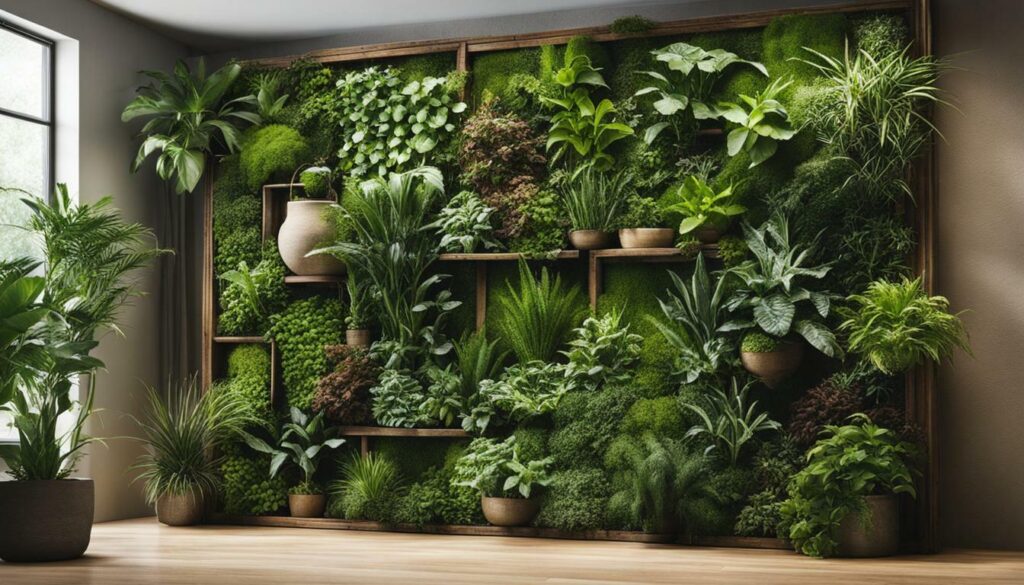
Following these tips will help you maintain and care for your vertical garden, keeping it healthy and beautiful. Remember to enjoy the benefits of your green oasis and share your gardening tips with others. Happy gardening!
Conclusion
Creating a vertical garden is not only aesthetically pleasing but also has numerous benefits.
Urban gardening, in particular, can help combat air pollution and create a more sustainable environment.
Vertical gardens are also ideal for small spaces and can bring a touch of nature into any urban environment.
By choosing the right plants and location, building and installing the system, and maintaining it, you can enjoy a thriving all year round.
Vertical gardens are an excellent way to enhance any space, and with a little effort, you can create your own green oasis.
So, what are you waiting for? Start your vertical garden today and reap the benefits of urban gardening.
Not only will it elevate your space, but it will also bring you closer to nature and provide a sense of fulfillment and satisfaction that only gardening can provide.
Did you find this post useful or inspiring? Save THIS PIN to your HOME Board on Pinterest!
Once again, thank you for visiting our website!
We hope you've enjoyed exploring the content we've created for you.
Give yourself the chance to learn, get inspired, and have even more fun, keep browsing...
More Home Tips 👇🏼👇🏼