
How To Pop a Champagne Bottle Like a Pro


Ready to open champagne bottle without the mess, stress, or flying corks? This friendly, safety-first guide shows you how professionals do it—calmly and cleanly—so your celebration starts with a satisfying sigh, not a spray.
We’ll cover the right temperature, grip, and angle, plus smart picks for the Best Champagne Bottle To Open when you’re hosting.
Chill, Angle, Control: The Three Essentials

Cold champagne is calm champagne. Aim for 42–46°F (5–8°C). A properly chilled champagne bottle holds less pressure at the neck, making the cork easier to manage and the bubbles more refined in the glass.
If it’s warmer, the cork can rush out and foam can surge.
Angle matters, too. Hold the bottle at about 45 degrees and point it away from faces, windows, and lights. That tilt gives expanding gas more room at the shoulder of the bottle, reducing the urge to geyser.
Finally, keep one hand on the cork at all times—control beats force in every Champagne Opening.
Pro tip: If you’ve just carried the bottle or it rode in the car, let it rest upright for 10–15 minutes before opening. Sediment settles and pressure evens out, setting you up for a smooth move.
How To Open Champagne Bottle Like A Pro

First, remove the foil cleanly, then loosen the wire cage by turning it six half-turns. Do not remove the cage yet. Place your thumb on top of the cage and cork to prevent surprise movement, then wrap a towel over the top for extra grip and safety.
Now comes the finesse. Hold the cork firmly and turn the bottle, not the cork. Small, steady rotations let pressure do the work while your hand controls the pace. You’ll feel the cork begin to rise—keep it slow. Your goal is a gentle whisper, not a bang.
As the cork nears release, angle the bottle slightly higher and let the cork ease out with a soft “hiss.” This protects the bubbles and preserves aroma. Congratulations—you just executed a textbook, professional Champagne Opening.
How To Open Champagne Without The Mess

If you’re wondering how to open champagne with zero spray, start by resisting the urge to yank. Sudden movement stirs the wine and pushes foam up the neck. Instead, practice the slow twist-and-release method above with the towel in place to catch any surprise drips.
Foam still rising? Tilt the bottle slightly downward after the cork is off and pour a small splash into the first flute to relieve pressure. Wipe the lip, then continue pouring in two stages to keep the mousse (foam) silky, not frothy.
One more safeguard: never shake. It looks festive in movies, but it’s the fastest way to lose wine, aromatics, and control. A calm open keeps every glass elegant.
Choosing The Best Champagne Bottle To Open

Some bottles are simply easier to manage for beginners. Look for non-vintage Brut or Extra Brut styles at standard pressure (about 5–6 atmospheres).
These wines are typically well-chilled at retail and have consistent cork fit, which makes the first attempt smoother.
For the Best Champagne Bottle To Open at a crowded party, pick one with a classic mushroom cork shape (not too shrunken or dried) and a dry style that foams less aggressively.
Rosé can be delightful, but many pink cuvées have livelier mousse—great for taste, trickier for first-time pours.
Magnums are showstoppers but heavier; if you’re new, master 750 ml first. When you’re confident, moving up in size is rewarding and surprisingly stable once you learn the grip.
Serving Like A Pro: Quiet Bubbles, Clear Flutes

Use clean, residue-free glasses; detergent film kills bubbles and mutes aroma. Hold the bottle by the punt (the dimple) with your thumb inside and fingers underneath for better balance.
Pour along the side of the glass in two passes—half, settle, then top—to preserve fine mousse.
Target a cool but not icy glass. Pre-chilling flutes in the freezer can cause bubbles to cling and over-foam; a simple rinse and dry before the event is enough.
Keep the open bottle in an ice bucket (half ice, half water) to hold that ideal serving temp between toasts.
If your bottle shows gentle smoke-like vapor after opening, you nailed it: pressure released smoothly, wine stayed fresh, and aromatics are ready to bloom.
Troubleshooting Common Cork Situations

Stuck cork? Warm your hands around the neck for 60 seconds, keep the cage on for grip, and try micro-rotations. If it still won’t budge, wrap a fresh towel over the top for traction and repeat the twist-the-bottle method slowly.
Cork creeping out on its own? Keep a firm palm on top and transition to the controlled release immediately. The towel ensures you can slow the cork without a snap. Never point the bottle at a person—even for a second.
Foam surging? Angle the bottle down and pause pouring. A gentle wipe and a short wait settle the mousse. Over-warm bottles are the usual culprit—get them back into the ice bath between pours.
How To Practice (Without Wasting A Drop)

Working on your technique before a big celebration pays off. If you’re learning how to open champagne bottle with confidence, schedule a quiet rehearsal.
Use an affordable sparkling wine (Cava or Prosecco) to practice the hand positions and slow twist.
Set yourself up in a clear space with a towel, an ice bucket, and two flutes. The goal is muscle memory: thumb on the top, towel over the cage, bottle turns—not the cork—until you hear that soft sigh. After two or three bottles, your timing will feel natural.
Skip sabrage for now. It’s theatrical but risky and wasteful if done incorrectly. The pro method above is safer, quieter, and preserves more wine and bubbles—exactly what your guests will appreciate.
Storage Before And After The Big Moment

Store bottles on their sides if they have a traditional cork to keep it supple. On party day, chill the wine gradually—refrigerator for a few hours, then an ice bath for 20 minutes if needed. Avoid the freezer; sudden over-chilling can mute flavors and risk freezing.
Once opened, use a sparkling-wine stopper to lock in pressure. Most bottles remain lively for a day or two in the fridge. If you’re pouring slowly, top up the ice bucket to maintain the ideal serving window so every glass tastes as good as the first.
Leftover champagne? It’s brilliant for mimosas or pan sauces. Keep the stopper on whenever it’s not in your hand to protect those delicate bubbles.
Celebrate With Confidence
Mastering the calm, controlled technique to open champagne bottle turns every toast into a highlight. Choose a well-chilled, classic style, keep the cage under your thumb, and turn the bottle—never the cork—for a soft, elegant release.
Want more party-proof hosting ideas and beverage tips? Explore Urbaki’s entertaining guides for effortless serving, smart pairings, and presentation upgrades you can use tonight.
Enjoy this Video Tutorial
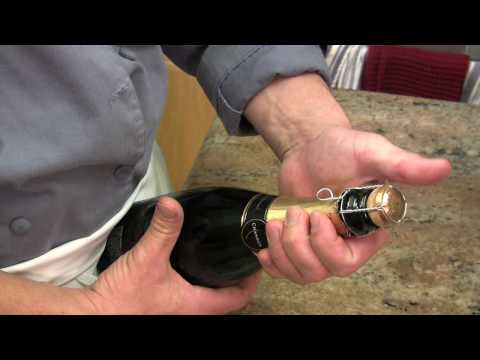
Source: Chef Tips
More Home Tips 👇🏼👇🏼