
How to Store Coffee the Proper Way at Home


If that first sip sets the tone for your day, then proper coffee storage is worth getting right.
At home, the goal is simple: protect flavor by keeping your beans away from the four big culprits that make coffee go stale—light, heat, moisture, and air.
With a few small tweaks to where and how you store your coffee, you’ll keep aromas bright, sweetness intact, and your brew consistently delicious.
The Four Enemies of Freshness (and How to Beat Them)
Light
Exposure to light—especially direct sunlight—accelerates staling by breaking down aromatic compounds.
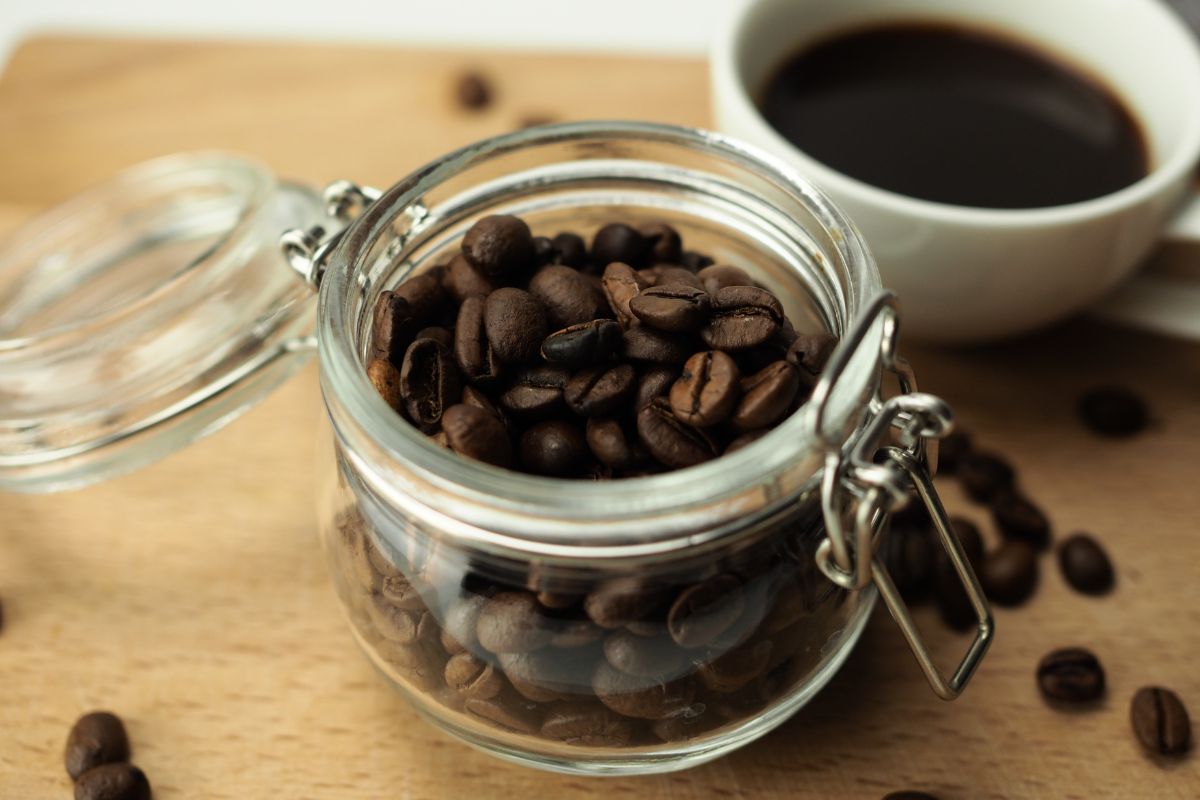
Instead of a pretty glass jar on the counter, choose an opaque container and stash it in a cabinet.
If your container is transparent, place it in a dark pantry so it stays out of sight and away from UV.
Heat
Heat speeds up oxidation. Many kitchens have “hot zones” near the oven, stove, toaster, dishwasher steam, or a sunny window.
Give your beans a cool, stable home in a pantry or an interior cupboard. Even a few degrees can make a noticeable difference over a week or two.
 Moisture
Coffee is hygroscopic, which means it readily absorbs moisture (and odors). Humidity flattens flavor and invites off-notes.
Keep coffee in a dry, sealed environment, open the container briefly, and reseal promptly. Avoid refrigerators; they’re damp and full of smells your coffee will happily collect.
Air
Oxygen is the fastest path to dull, cardboardy cups. Minimizing exposure is key. That’s why airtight storage and smart portioning work so well: less air, better flavor, longer.
Whole Beans vs. Ground: What Lasts Longer?
Whole beans keep their character longer because there’s less surface area exposed to oxygen. If you can, grind right before brewing to preserve sweetness and aromatics.
Prefer pre-ground for convenience? No problem—just store it carefully and plan to use it sooner than whole beans. For most homes, that means buying smaller amounts you’ll finish within a couple of weeks.
 Original Bag or Canister? Choose the Best Option for You
Staying in the Original Bag
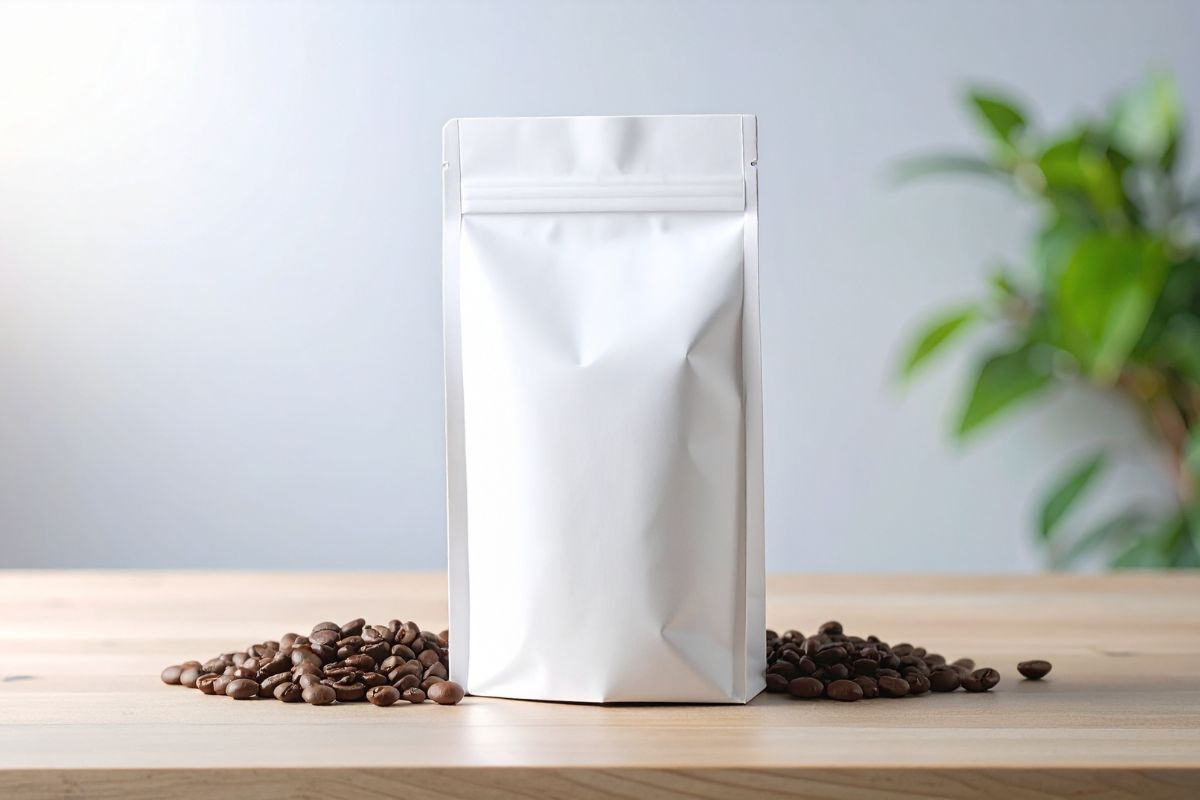
Many quality roasters use valved, multilayer bags that vent CO₂ while limiting oxygen.
If your bag has a one-way valve and seals tightly, you can keep the coffee right in it. After each use, squeeze out the extra air, seal it well, and return it to a cool, dark cabinet.
Transferring to a Container
If the bag doesn’t reseal well—or you just prefer a countertop setup—transfer the coffee to an airtight, opaque canister. Lids with reliable gaskets help a lot.
If your canister isn’t light-proof, store it behind a door. The combination you’re after is airtight + dark + cool.
 Should You Refrigerate or Freeze Coffee?
Refrigeration: Skip It
Daily coffee doesn’t belong in the fridge. It’s humid, full of odors, and your coffee will absorb both. Try it once and you’ll notice how quickly the aroma goes flat. The rule of thumb: don’t refrigerate coffee you’re actively drinking.
Freezing: Do It the Right Way (When It Makes Sense)
Freezing can be a great tool if you buy a special bag you want to stretch out or you caught a bulk deal. The key is to freeze in small, airtight portions.
Divide the bag into weekly packets (vacuum-seal if possible, otherwise use high-quality zipper bags with most air pressed out), freeze them once, and use straight from the freezer.
Avoid thaw-refreeze cycles—that causes condensation and dulls flavor. For everyday coffee you’ll finish within a couple of weeks, the pantry is still the best home.
 Freshness Timelines You Can Actually Use
There isn’t a strict “expiration date” for flavor, but these friendly ranges help most home setups:
Whole Beans
With good storage, whole beans typically shine for 2–4 weeks after opening, sometimes longer depending on roast, room temperature, and how airtight your container is.
Ground Coffee
Ground coffee stales faster. Plan to finish within 1–3 weeks of opening. If your kitchen runs warm or you open the container frequently, aim closer to the short end of that range.
Buying Smart: Small Batches and Simple Portioning
The easiest upgrade is changing how much you buy. Smaller, more frequent purchases keep you consistently in the “sweet spot” of freshness.
If you love bulk pricing, divide the coffee into single-week packets on day one. Keep one packet in your airtight canister and the rest sealed and untouched (pantry or freezer).
Each time you open a new packet, you start fresh with minimal oxygen exposure.
 Signs Your Coffee Has Gone Past Its Best
Your senses will tell you what the calendar can’t. If the aroma smells faint or papery, if the cup tastes flat, harsh, or dull, or if you need to add more coffee than usual to get the same strength, your beans are likely past their prime.
Fresh coffee tends to bloom with lively aromatics and a cleaner finish; when that sparkle fades, it’s time to refresh your supply.
Common Storage Mistakes (and Their Easy Fixes)
Leaving coffee in a clear jar on the counter invites light and heat—move it to an opaque, airtight container in a cupboard. Parking beans near the oven or toaster? Relocate them to a cooler shelf.
Refrigerating your daily coffee? Switch to pantry storage. Opening the same big bag over and over? Portion it once, then only expose a small pack at a time. Each fix is simple, and together they protect the flavors you paid for.
 A Simple Routine That Just Works
Build a three-step habit: store coffee in a cool, dark, dry cabinet; grind on demand for your daily brew; and if you buy in bulk, freeze in small, airtight portions and brew directly from frozen when needed.
This routine guards against every major staling factor with almost no extra effort.
A Fresher Cup, Every Morning
Great coffee at home isn’t about fancy gadgets—it’s about smart, low-effort storage.
Keep beans away from light, heat, moisture, and air, pick an airtight, opaque container (or a valved bag that seals well), and be strategic with small-batch buying or freezer portions when you stock up.
With these habits in place, you’ll taste the payoff in every mug: brighter aroma, cleaner sweetness, and a consistently better brew—day after day.
We hope you enjoy watching this video about How To Keep Coffee Fresh At Home

Source: European Coffee Trip
Did you find this post useful or inspiring? Save THIS PIN to your HOME Board on Pinterest! 😊

Once again, thank you for visiting our website!
We hope you've enjoyed exploring the content we've created for you.
Give yourself the chance to learn, get inspired, and have even more fun, keep browsing...
More Home Tips 👇🏼👇🏼